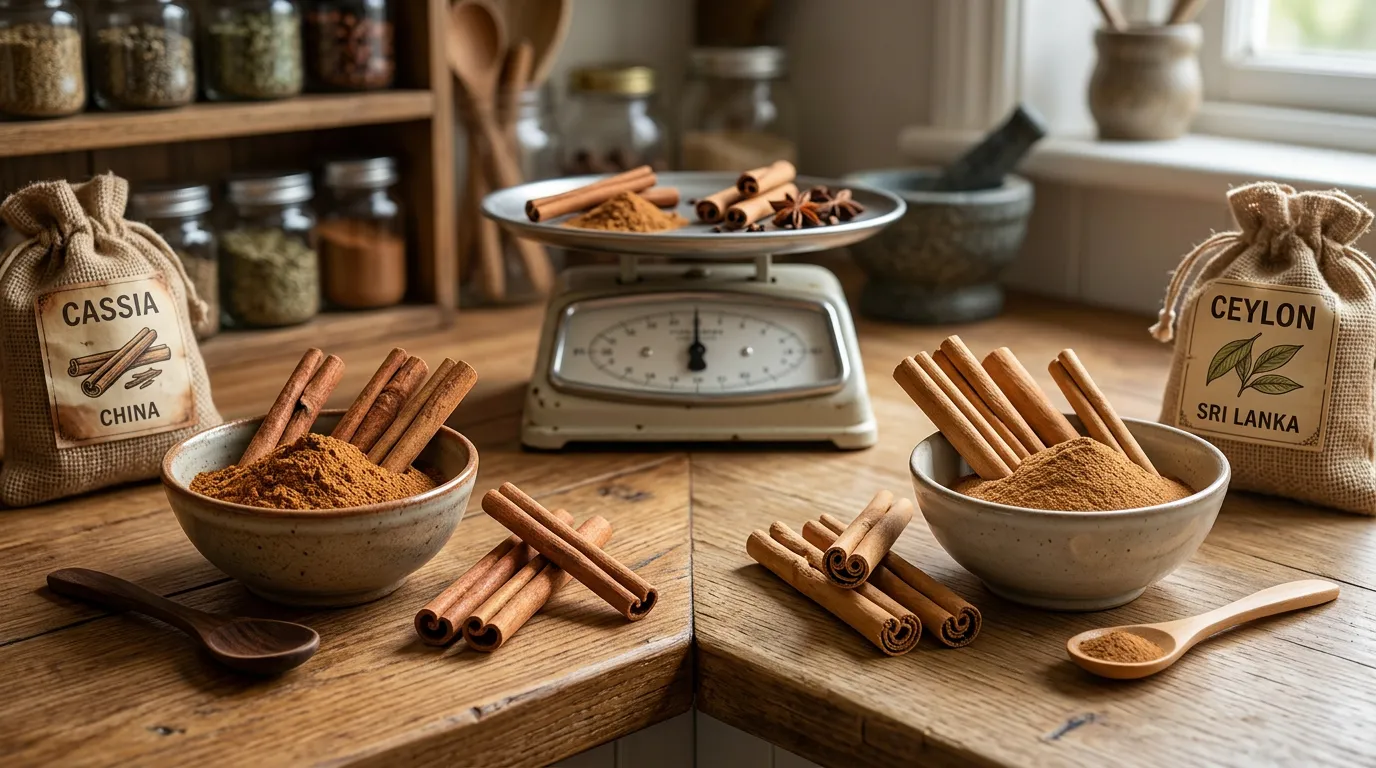
Imagine walking through a bustling spice market, the air filled with the warm scent of cinnamon. You reach for a container labeled "cinnamon," but little do you know, the choice you make between Cassia and Salon could alter your culinary creations. Let’s dive into this aromatic world and uncover the sweet and spicy secrets of these two beloved cinnamon varieties!
Understanding Cinnamon: The Basics
When you step into the world of cinnamon, you quickly realize that this beloved spice is not just one simple ingredient but rather a family of related varieties. At the heart of it all are two primary cinnamon types: Cassia and Salon (more commonly known as Ceylon or “True” cinnamon). Understanding these two forms is essential, whether you're shopping in the spice aisle or looking to add cinnamon’s health benefits to your daily routine.
The Origins: Cinnamon Belongs to the Genus Cinnamomum
Both Cassia and Salon cinnamon come from trees in the genus Cinnamomum. These trees produce aromatic inner bark, which is harvested and dried to create the cinnamon sticks and powders we use in cooking and medicine. However, while they share a botanical family, their differences are quite distinct.
Salon cinnamon, scientifically named Cinnamomum verum, is often called “true” cinnamon. This variety primarily grows in Sri Lanka—historically known as Ceylon—and has spread to places like Madagascar and Brazil. On the other hand, Cassia cinnamon includes several species such as Indonesian, Saigon (Vietnamese), and Chinese cassia. These varieties dominate most grocery store shelves worldwide under the simple label “cinnamon.”
The Flavorful Differences Between Cassia Versus Salon Cinnamon Types
You might wonder why it matters which type you choose. The answer lies in their unique flavor profiles and culinary applications:
- Cassia Cinnamon: This variety has a darker reddish-brown color with a dense, hard bark that’s tough to break by hand. Its flavor is bold, spicy, and somewhat pungent due to its higher concentration of cinnamaldehyde—the compound responsible for that classic warm cinnamon aroma.
- Salon (Ceylon) Cinnamon: Known as “sweet cinnamon,” Salon boasts a lighter tan color with thin layers of soft bark that easily crumble. Its taste is more delicate and subtly sweet compared to Cassia’s robust spiciness.
This contrast means each type lends itself differently depending on what you’re cooking or preparing.
The Importance of Flavor and Aroma in Culinary Applications
Your choice between Cassia versus Salon can transform your dishes:
- Cassia's intense heat works wonderfully in hearty recipes like stews, chili-spiced meats, or baked goods where its strong presence can stand up against other bold flavors.
- Salon’s mild sweetness shines best in desserts like custards or fruit compotes where subtlety enhances without overpowering delicate tastes.
- Both types add warmth when brewed into teas or infused into syrups but expect different nuances—Cassia offers sharpness; Salon brings smoothness.
A Brief History: Cinnamon’s Role Through Time
Cinnamon has been treasured for thousands of years across cultures—not only for its delightful taste but also for medicinal uses. Ancient civilizations prized it as an exotic luxury spice used in religious ceremonies, embalming rituals, and healing remedies.
The East Indian Ayurveda system particularly favors Salon cinnamon (“tvak”) for treating cold conditions due to its warming properties. Meanwhile, traditional Chinese medicine often utilizes Cassia varieties for digestive support among other benefits.
Navigating Health Benefits: What You Should Know About Each Type
| Aspect | Cassia Cinnamon | Salon (Ceylon) Cinnamon |
|---|---|---|
| Bark Texture & Color | Dense single-layered bark; dark reddish-brown hue; hard to break by hand. | Soft multi-layered bark; light tan color; easy to crumble by hand. |
| Taste & Aroma Profile | Pungent spicy flavor with strong aroma due to high cinnamaldehyde content. | Mildly sweet flavor with gentle aroma; less intense than Cassia. |
| Main Chemical Compound(s) | High cinnamaldehyde concentration; higher coumarin levels (can be toxic if overconsumed). | Lower cinnamaldehyde content; very low coumarin levels making it safer for regular consumption. |
| Culinary Uses | Savory dishes, baked goods requiring strong spice notes, chai blends. | Desserts needing subtle sweetness; herbal teas; dietary supplements. |
This table highlights why understanding these differences matters beyond just taste—it affects how much you should consume safely too!
The Coumarin Factor: Safety First When Using Cinnamon Types
An important consideration when choosing between Cassia versus Salon relates to coumarin—a natural compound found abundantly in many Cassia varieties but almost absent from true Ceylon cinnamon. While coumarin does possess anti-inflammatory properties at low doses, excessive intake may lead to liver toxicity over time.< /p >
“Regulatory bodies recommend limiting daily intake of Cassia cinnamon due to coumarin content—generally no more than half a teaspoon up to two teaspoons per day.”< /blockquote >If you enjoy using large amounts of cinnamon regularly—for example as part of herbal supplements or health tonics—Salon (Ceylon) may be your safer bet given its minimal coumarin levels.< /p >
Making Informed Choices About Your Spice Cabinet< /h6 >
Whether you're sprinkling some on your morning oatmeal or experimenting with new recipes from around the world, knowing about these two main types helps tailor your culinary creations while keeping health considerations top-of-mind.< /em >
- < b >Cassia dominates most supermarket shelves — affordable and flavorful but should be used moderately due to coumarin content.< / b >
- < b >Salon (Ceylon) commands higher prices reflecting its rarity yet offers nuanced sweetness plus lower health risks when consumed frequently.< / b >
- < b >Both bring centuries-old traditions into modern kitchens — enriching meals with warmth while offering potential wellness perks.< / b > < / ul >
In summary,< em > understanding basic differences between cassia versus salon types equips you better whether cooking savory stews or brewing soothing teas — ensuring every pinch adds both deliciousness and mindful care.< / em >
Cassia vs. Salon Cinnamon: A Flavorful Showdown
When you step into the world of cinnamon, you quickly realize that not all cinnamon is created equal. The two main types you’ll encounter are Cassia and Ceylon cinnamon—often called “true” cinnamon. Understanding their differences can transform how you cook, bake, or even approach your health routine.
Both Cassia and Ceylon come from the inner bark of trees in the Cinnamomum genus, but they hail from different species and regions. Ceylon cinnamon, scientifically known as Cinnamomum verum, is primarily grown in Sri Lanka and a few other tropical areas like Madagascar and Brazil. Cassia cinnamon, on the other hand, includes several varieties such as Indonesian, Saigon (Vietnamese), and Chinese cinnamon—each with its own unique flavor profile but generally grouped under the Cassia umbrella.
If you’ve ever picked up a jar labeled simply “cinnamon” at your local grocery store, chances are it’s Cassia. This type tends to be more common due to its robust flavor and lower cost. But if you look closely or shop at specialty stores, you might find Ceylon cinnamon gaining popularity for its delicate sweetness and health advantages.
The Look and Feel: What Sets Them Apart?
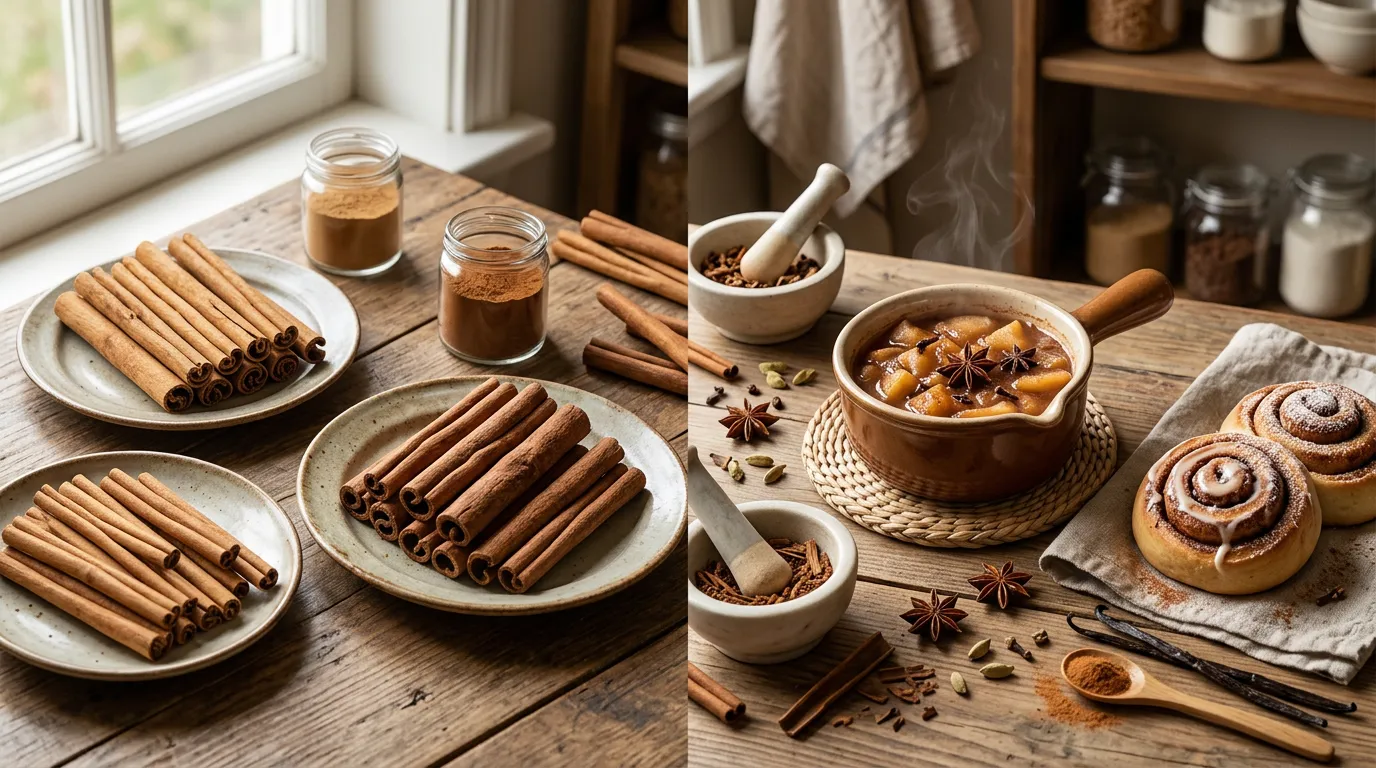
One way to tell these two apart is by their physical characteristics. Cassia bark is thick and tough—it’s usually a single layer rolled into a hard stick that’s difficult to break by hand. Its color leans toward a dark reddish-brown shade that matches its bold taste.
Ceylon cinnamon looks quite different; it has thin layers rolled together like a cigar made of multiple soft sheets of bark. This makes it easy to snap apart with your fingers. Visually lighter than Cassia, Ceylon carries a tan or light brown hue that hints at its milder flavor.
Taste Test: Spicy vs Sweet
The taste difference between these cinnamons is striking once you know what to expect. Cassia delivers a warm, spicy punch thanks to its higher concentration of cinnamaldehyde—the compound responsible for that classic “cinnamon” bite we often crave in desserts or spiced dishes.
Ceylon offers something gentler—a sweet aroma with subtle citrus undertones that make it perfect for teas or recipes where you want just a whisper of spice rather than an overwhelming heat.
Health Benefits: More Than Just Flavor
Both types have been used traditionally for their medicinal properties—they can help boost energy levels, aid digestion, and fight microbes naturally found in food spoilage or infections.
However, when it comes to antioxidants and anti-inflammatory effects specifically linked to cinnamaldehyde content—which also helps regulate blood sugar—Cassia tends to edge out slightly ahead due to having more of this compound per serving.
This doesn’t mean one is strictly better than the other though; each has unique benefits depending on your needs:
- Cassia: Higher antioxidant power but contains more coumarin—a natural substance which can harm your liver if consumed excessively over time.
- Ceylon: Much lower coumarin levels making it safer for regular use especially if taken as supplements or daily tea infusions.
The Coumarin Concern
This brings us neatly onto an important safety note about coumarin—a compound present in much higher amounts in most Cassia varieties compared to Ceylon cinnamon which contains almost none. While coumarin itself has some anti-inflammatory qualities beneficial in small doses, too much intake over long periods may lead to liver toxicity issues according to health authorities like Germany’s Federal Institute for Risk Assessment.
If you're someone who enjoys sprinkling generous amounts of cinnamon daily or uses it regularly as part of herbal remedies—especially pregnant women or those with existing liver conditions—it’s wise not only to monitor how much cassia-based cinnamon you consume but also consider switching occasionally (or entirely) over to Ceylon variety for peace of mind.
A Cultural Perspective: Ayurveda's Take on Cinnamon
The ancient Indian system of Ayurveda favors Ceylon cinnamon (known locally as "tvak") because it's believed effective against cold-related ailments and stagnant bodily conditions due partly to its warming yet gentle nature compared with stronger spices like cassia variants commonly used elsewhere.
The Price Factor & Culinary Uses
You might notice price differences when shopping around—Ceylon typically costs more because it's less abundant globally and prized for both culinary finesse plus health safety profiles mentioned earlier.
Saigon cassia commands premium prices too because it's richer in essential oils giving intense flavor intensity sought after by chefs worldwide.
In everyday cooking though:
- Use cassia varieties when adding bold spice notes into baked goods like cookies or pies.
- Opt for ceylon when making delicate beverages such as herbal teas where subtle sweetness enhances without overpowering other flavors.Your Cinnamon Choice Matters
Navigating between these two types ultimately depends on what matters most—whether that's taste preference, intended use (culinary versus supplement), budget constraints—or health considerations related especially around coumarin intake limits.
Remember always consult healthcare professionals before starting any new supplement regimen involving herbs including either form of cinnamon especially if pregnant/nursing/taking medications/with pre-existing medical conditions.A Final Thought on Cinnamon Exploration
Diving deeper into the world of spices reveals fascinating nuances behind everyday ingredients we often take for granted—including something as seemingly simple as "cinnamon." By understanding distinctions between cassia versus ceylon—from appearance through aroma down to chemical makeup—you empower yourself not only as an informed consumer but also enhance your culinary creativity while safeguarding wellbeing simultaneously.
So next time you're browsing spice shelves wondering which jar deserves space in your pantry remember this flavorful showdown isn’t just about taste—it’s about choosing wisely based on knowledge so every sprinkle adds joy along with wellness benefits!
TL;DR: Explore the differences and health benefits of Cassia and Salon cinnamon to choose the best option for your culinary and health needs.
Comments
Post a Comment