
Imagine you're struggling to concentrate on a crucial task. While sipping your morning coffee, you've learned about tyrosine, an amino acid that could potentially boost your focus. Curious, you dig deeper into its benefits, impacts, and the implications of combining it with other substances.
Understanding Tyrosine: The Basics
Today, you begin an intriguing journey into the world of tyrosine, a remarkable amino acid that holds significant potential for enhancing your mental focus. To truly appreciate how tyrosine works, it’s important to first understand what it is and how your body absorbs and uses it.
What Is Tyrosine?
Tyrosine is an amino acid, one of the building blocks of proteins that your body needs to function properly. Unlike some nutrients that require complex digestion, tyrosine can be absorbed directly when ingested in supplement form. Once you take a tyrosine pill or consume foods rich in this amino acid, it dissolves in your stomach and travels down to your small intestine.
Tyrosine Absorption: How Your Body Takes It In
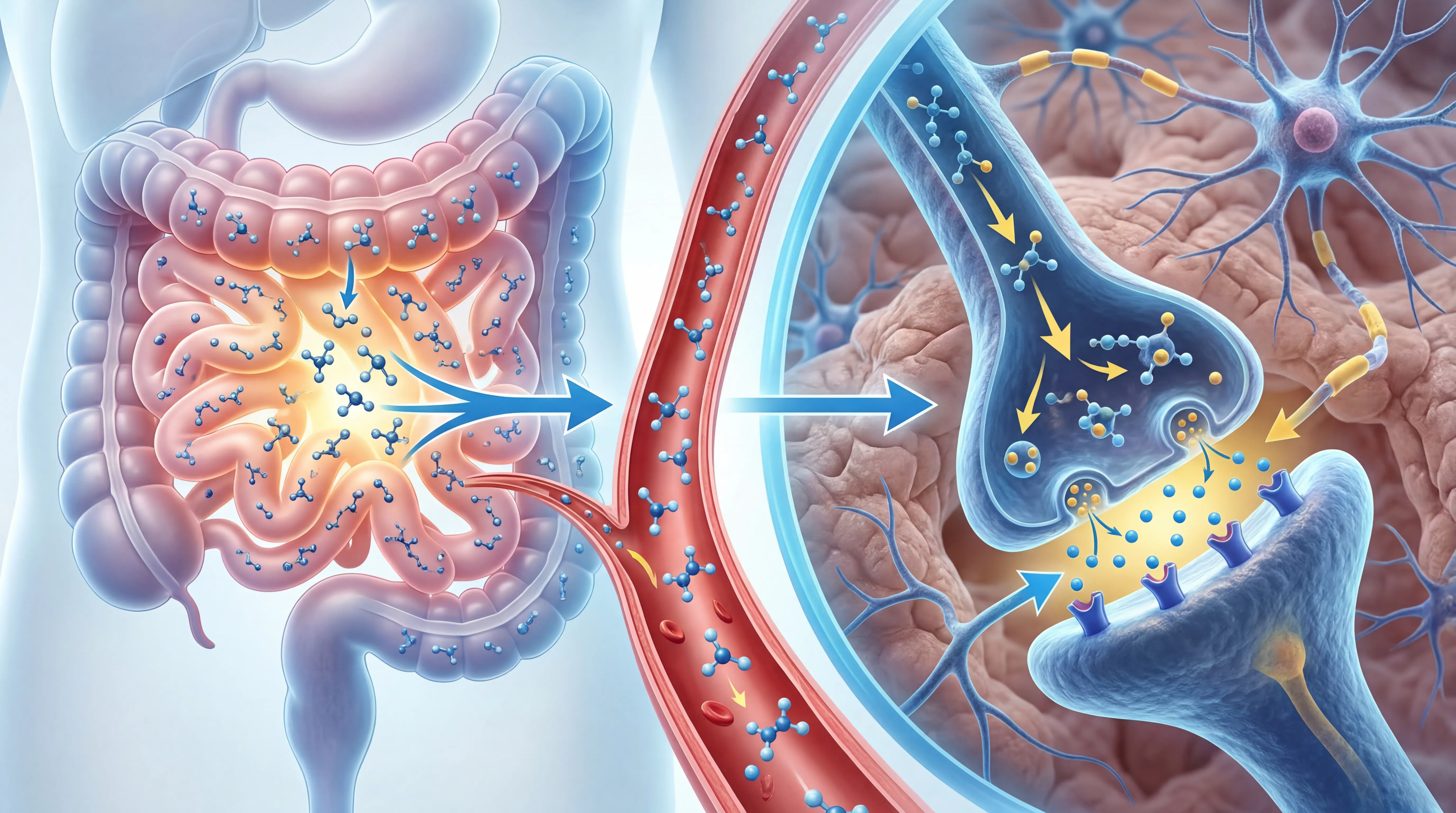
Your small intestine plays a crucial role here. Specialized transporters quickly move tyrosine from the intestinal lining into your bloodstream. This rapid absorption means that tyrosine can start influencing your brain chemistry fairly quickly—often within just two weeks of regular ingestion.
This fast uptake makes tyrosine especially appealing as a therapeutic supplement because many people notice improvements in their mental clarity and focus within days or weeks. This quick response helps you evaluate whether adding tyrosine fits well with your overall mental health strategy.
The Role of Amino Acids in Neurotransmitter Production
Amino acids like tyrosine are essential players in the production of neurotransmitters—the chemical messengers that allow neurons in your brain to communicate effectively. Specifically, tyrosine acts as a precursor for several important neurotransmitters known as catecholamines.
- Dopamine: Often called the “feel-good” neurotransmitter, dopamine influences motivation, reward, and attention.
- Norepinephrine: This neurotransmitter affects alertness and arousal, helping you stay focused during demanding tasks.
Your body synthesizes these catecholamines through metabolic pathways starting with phenylalanine—a related amino acid—which converts into tyrosine before finally producing dopamine and norepinephrine. Understanding this pathway highlights why supplementing with tyrosine targets the “supply side” by providing more raw material for neurotransmitter production.
Why Tyrosine Matters for Mental Focus
You might already be familiar with stimulant medications prescribed to enhance focus; these drugs typically work by preventing the breakdown or reuptake of dopamine and norepinephrine—essentially keeping them active longer in your brain circuits. Tyrosine supplements take a different approach by increasing the availability of these neurotransmitters at their source rather than prolonging their presence once released.
This distinction is important because some individuals find stimulants too intense or experience side effects even at low doses. For those people—children struggling with concentration issues or adults needing gentle support—tyrosine offers an alternative route to boost cognitive performance without overstimulation.
The Therapeutic Use of Tyrosine
The use of single amino acids like tyrosine has grown popular due to their relatively fast effects on mental state compared to other supplements or lifestyle changes. Many users report noticeable benefits after consistent intake over days or weeks, making it easier to assess its impact on focus and mood.
- Dosing guidelines: Adults often start with test doses between 250-500 milligrams daily; children may respond similarly but always under supervision.
- Sensitivity considerations: Some people who are sensitive to catecholamines might need higher initial doses but can reduce intake over time as their bodies adjust.
A Word on Safety and Interactions
If you’re considering adding tyrosine supplements alongside medications that affect catecholamine levels (like certain antidepressants or stimulants), caution is necessary. Because both increase catecholamine activity—but via different mechanisms—combining them could lead to excess levels causing jitteriness, sleep disturbances, or behavioral changes.
Rarely, severe reactions such as neuroleptic malignant syndrome may occur if not managed carefully.
Always consult a healthcare provider before starting supplementation if you’re on such medications.
Tyrosine and Mental Focus: How It Works
As you begin to explore the fascinating world of tyrosine, it’s important to understand its crucial role in enhancing mental focus. Tyrosine is an amino acid that your body can absorb directly when you consume it. Once ingested, the tyrosine travels through your digestive system, moving from your stomach to the small intestine. There, specialized transporters quickly carry it into your bloodstream, making it available for use throughout your body—including your brain.
The Role of Neurotransmitters in Mental Clarity and Focus
Your brain relies heavily on chemicals called neurotransmitters to communicate between nerve cells. These neurotransmitters are essential for regulating mood, alertness, and cognitive functions like attention and focus. Tyrosine plays a key role here because it acts as a building block for several important neurotransmitters.
Specifically, tyrosine helps produce catecholamines—a group of neurotransmitters that includes dopamine and norepinephrine. These chemicals activate excitatory circuits in your central nervous system (CNS), which are responsible for increasing alertness and sharpening mental clarity.
Neurotransmitter Impact: Dopamine Focus Enhancement
Dopamine is often called the “feel-good” neurotransmitter because it influences motivation, reward, and pleasure. But beyond that, dopamine is critical for maintaining focus and concentration. When dopamine levels are balanced and sufficient in certain areas of the brain, you experience improved attention span and better cognitive performance.
Norepinephrine works alongside dopamine by stimulating parts of the brain involved with arousal and vigilance. Together, these two neurotransmitters help create a state where you feel mentally sharp and ready to tackle complex tasks.
How Tyrosine Supports Neurotransmitter Production
Your body naturally produces tyrosine from another amino acid called phenylalanine—though phenylalanine sits higher up in this metabolic pathway. By supplementing with tyrosine directly, you provide your brain with more raw material to synthesize dopamine and norepinephrine efficiently.
- Dopamine synthesis: Tyrosine converts into L-DOPA before becoming dopamine.
- Norepinephrine synthesis: Dopamine further transforms into norepinephrine within nerve cells.
This process means that when tyrosine levels increase due to supplementation or diet changes, there’s potential for higher production of these key neurotransmitters—leading to enhanced mental focus over time.
Comparing Stimulant Drugs Versus Tyrosine Supplementation
You might be familiar with stimulant medications prescribed for improving concentration issues such as ADHD. These drugs work differently than tyrosine supplements but target similar chemical pathways involving catecholamines like dopamine and norepinephrine.
| Aspect | Stimulant Drugs | Tyrosine Supplementation |
|---|---|---|
| Main Mechanism | Increase retention of existing dopamine & norepinephrine by blocking reuptake | Boost production/supply of dopamine & norepinephrine by providing precursor molecules |
| Onset Time | Often rapid (within hours) | Takes days or weeks as body adjusts supply levels |
| Sensitivity & Side Effects | Might cause jitteriness or sleep disturbances due to excess catecholamines | Tends to have milder effects; dosage can be adjusted gradually based on tolerance |
| User Suitability | Prescribed under medical supervision; may not suit everyone due to side effects | An option for those seeking gentler support or who react poorly to stimulants |
The key difference lies in how each approach affects the balance of neurotransmitters: stimulants prevent their breakdown or removal from synapses (the gaps between neurons), while tyrosine increases their overall availability by supporting natural production processes.
A Balanced Approach to Enhancing Focus Through Neurotransmitter Impact
If you’re considering ways to improve mental clarity through biochemical support, understanding this distinction helps guide safe choices. Increasing dopamine focus enhancement via tyrosine supplementation means working with your body's natural systems rather than overriding them abruptly—as stimulant drugs do.
This gradual boost can lead to noticeable improvements in concentration without some common side effects associated with stronger medications. However, always keep in mind that individual responses vary widely depending on genetics, current health status, medication use, and lifestyle factors.

Safety First: Proper Usage of Tyrosine
As you begin your journey into unlocking sharper focus with tyrosine, it’s crucial to prioritize safety and understand the proper way to use this amino acid supplement. Tyrosine works by supporting the production of key neurotransmitters like dopamine and norepinephrine, which play essential roles in mental alertness and concentration. However, just like any supplement that influences brain chemistry, using tyrosine responsibly is vital to avoid unwanted side effects and maximize its benefits.
Starting Doses: What You Need to Know Before Starting Tyrosine
When considering tyrosine supplementation, starting with a low dose is the safest approach. For adults, a typical test dose ranges between 250 to 500 milligrams. Children often respond well to similar amounts, but always consult a healthcare provider before giving supplements to minors. Beginning with these modest doses allows you to observe how your body reacts without overwhelming your system.
One important safety precaution is gradually increasing your dosage rather than jumping straight into higher amounts. This cautious dosing helps prevent negative side effects such as jitteriness or sleep disturbances that can occur if catecholamine levels rise too quickly in your brain. By slowly adjusting your intake over days or weeks, you give your body time to adapt and find the right balance for optimal focus enhancement.
Possible Side Effects and When to Consult a Healthcare Provider
While tyrosine is generally safe when used properly, some individuals may experience mild side effects initially. These can include feelings of restlessness, increased heart rate, headaches, or trouble sleeping—symptoms linked to elevated dopamine and norepinephrine levels. If you notice any of these signs after taking tyrosine, consider lowering your dose or pausing supplementation until symptoms subside.
If side effects persist or worsen despite adjustments in dosage, it’s important to consult a healthcare professional promptly. Additionally, anyone who has pre-existing medical conditions—especially those related to thyroid function or mental health—or who takes other medications should seek personalized advice before starting tyrosine supplements.
The Effects of Tyrosine Versus Stimulant Medications
You might be familiar with stimulant medications prescribed for improving focus; these drugs typically work by preventing the breakdown or reuptake of dopamine and norepinephrine already present in the brain. In contrast, tyrosine acts differently—it supports the supply side, helping your body produce more of these neurotransmitters naturally over time.
This distinction matters because combining tyrosine with stimulant drugs can lead to excessive catecholamine activity in your system. Such an overlap increases the risk of overstimulation symptoms like jitteriness, anxiety, insomnia, or even behavioral changes. In rare cases where interactions become severe without proper monitoring, serious conditions such as neuroleptic malignant syndrome could develop.
Therefore, if you are currently taking stimulants or certain antidepressants that affect catecholamine levels, it’s critical to discuss adding tyrosine with your healthcare provider first. They can help manage dosages safely and monitor for potential interactions that might compromise your wellbeing.
Cautious Dosing Can Prevent Negative Side Effects
The key takeaway when using tyrosine is that cautious dosing plays a central role in ensuring both safety and effectiveness. Starting low allows you not only to gauge how well it supports your mental focus but also minimizes risks associated with sudden spikes in neurotransmitter levels.
Your body naturally maintains a delicate balance among amino acids and neurotransmitters; supplementing thoughtfully respects this equilibrium rather than disrupting it abruptly. Over time—and under professional guidance—you may find an ideal dosage that enhances concentration without adverse reactions.
Monitoring Interactions With Other Medications
A final safety consideration involves being vigilant about possible interactions between tyrosine supplements and other medications you may be taking—particularly stimulants prescribed for attention disorders or certain types of antidepressants designed around catecholamine pathways.
Because these substances influence similar brain chemicals through different mechanisms—tyrosine by boosting production versus drugs by preserving existing neurotransmitters—their combined effect requires careful management.
Always inform all members of your healthcare team about any supplements you're using so they can provide comprehensive advice tailored specifically for you.
In Conclusion
Your exploration into enhancing mental focus through tyrosine holds great promise when approached responsibly. By beginning with conservative doses between 250-500 mg for adults (and similarly cautious amounts for children), gradually increasing intake as needed while watching closely for any side effects ensures safe usage.
Understanding how tyrosine differs from stimulant medications helps prevent unintended overstimulation caused by overlapping actions on dopamine and norepinephrine systems.
Above all else—prioritize communication with healthcare providers who can guide personalized decisions based on individual health status.
With mindful use grounded in safety precautions like these,tyrosine offers a natural pathway toward unlocking improved concentration and cognitive clarity.
TL;DR: Tyrosine is a powerful amino acid that supports mental focus by boosting neurotransmitter levels. Caution is needed, especially when combined with certain medications.
Comments
Post a Comment