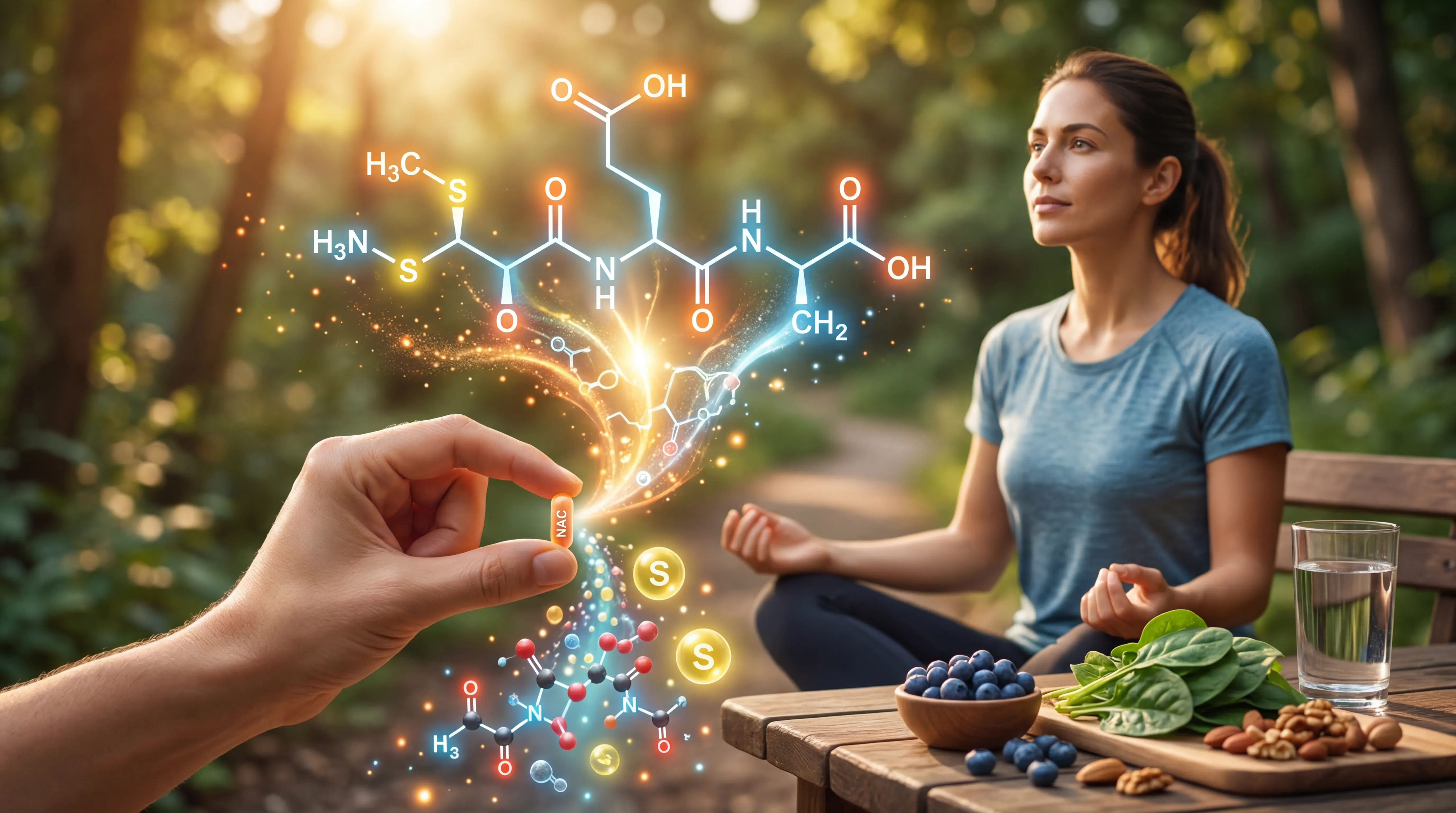
You might have heard whispers about N-Acetylcysteine (NAC), a supplement gaining traction in health circles. But what if I told you it's not just a fad? Imagine a powerful ally—in your body, enhancing detoxification, supporting lung health, and acting as an antioxidant. Join me as we dissect NAC's intriguing journey.
The Role of NAC in Glutathione Production
When you explore the NAC benefits, one of the most important aspects to understand is its critical role as a precursor in glutathione synthesis. Glutathione, often called the "master antioxidant," plays a pivotal role in protecting your cells from damage caused by free radicals and oxidative stress. It’s especially crucial for liver function and detoxification processes, helping your body neutralize harmful substances effectively.
NAC: The Building Block for Glutathione
N-Acetylcysteine (NAC) works primarily by boosting levels of cysteine, an amino acid that serves as a key building block for glutathione. Your body needs three amino acids to produce glutathione: cysteine, glycine, and glutamine. Among these, cysteine is considered the rate-limiting amino acid, meaning that without enough cysteine, your body's ability to synthesize glutathione slows down or becomes limited.
This is where NAC shines—by supplying cysteine in a form that your body can readily use, it helps overcome this bottleneck. When you take NAC supplements, you’re essentially giving your liver and cells what they need to ramp up glutathione production efficiently.
The Importance of Cysteine in Synthesizing Glutathione
Cysteine’s importance cannot be overstated. Without sufficient cysteine:
- Your glutathione levels drop.
- Your cells become more vulnerable to oxidative damage.
- Liver detoxification processes slow down.
Since oxidative stress contributes to aging and many chronic diseases, maintaining adequate glutathione through proper cysteine availability is vital for overall health. NAC supplementation directly addresses this need by ensuring that cysteine levels remain high enough to support continuous glutathione synthesis.
The Antioxidant Trio: How Vitamin C, Vitamin E, and Glutathione Work Together
Glutathione does not work alone—it forms part of an essential antioxidant team alongside vitamin C and vitamin E. These three antioxidants collaborate closely:
- Glutathione neutralizes free radicals inside cells.
- Vitamin C helps regenerate oxidized vitamin E back into its active form.
- Vitamin E, located mainly in cell membranes, protects fats from oxidation.
This recycling process between them ensures sustained antioxidant protection throughout your body. If any member of this trio falls short—especially glutathione due to low cysteine—the entire system's efficiency declines. This highlights why maintaining appropriate cysteine levels via NAC supplementation is so important; it supports not just one but multiple layers of antioxidant defense.
NAC Benefits Beyond Glutathione Synthesis
You might already appreciate how crucial NAC is for boosting glutathione production—but remember that increasing cellular glutathione also means better protection against oxidative stress and enhanced detoxification capacity. This makes NAC an invaluable supplement for supporting liver health and overall cellular resilience against environmental toxins and metabolic waste products.

Benefits of NAC: Beyond Antioxidants
When you think about NAC benefits, the first thing that often comes to mind is its role in boosting antioxidants like glutathione. But NAC’s power extends far beyond just antioxidant support. Let’s explore how this remarkable supplement plays a crucial role in respiratory health, detoxification, and long-term wellness.
NAC and Respiratory Health: The Mucolytic Advantage
One of the most well-known uses of NAC is its ability to improve respiratory function through its mucolytic properties. Simply put, NAC helps break down thick mucus that can clog your airways during respiratory infections or chronic conditions such as asthma and chronic bronchitis.
In clinical settings, NAC is often administered via a nebulizer to patients struggling with excessive mucus buildup. This treatment helps thin the mucus, making it easier to cough up and clear from the lungs. By doing so, NAC supports better breathing and reduces discomfort associated with respiratory illnesses.
- Mucus breakdown: NAC disrupts disulfide bonds in mucus proteins, reducing viscosity.
- Improved lung function: Clearing mucus allows for better airflow and oxygen exchange.
- Clinical use: Hospitals frequently use NAC for patients with chronic obstructive pulmonary disease (COPD) or acute respiratory infections.
The Role of NAC as a Detoxification Supplement
You might be surprised to learn that NAC also serves as a critical detoxification supplement—especially in emergency medicine. One of its life-saving applications is during acetaminophen (Tylenol) overdose cases. When taken in large amounts, acetaminophen can overwhelm your liver’s ability to process toxins safely.
NAC steps in by replenishing cysteine levels needed for glutathione synthesis—the body’s master antioxidant responsible for neutralizing harmful substances. This boost allows your liver to detoxify dangerous metabolites effectively, preventing severe liver damage or failure.
| Dose Range | Use Case |
|---|---|
| 500 mg – 1,200 mg daily | General supplementation and maintenance |
| Up to 3,000 mg or higher (acute settings) | Treatment during medical emergencies like acetaminophen overdose |
Long-Term Health Benefits Associated with NAC
Apart from immediate respiratory relief and detox support, regular supplementation with NAC offers several long-term health advantages:
- Liver Support: By maintaining optimal glutathione levels, NAC protects your liver from oxidative stress caused by toxins and environmental pollutants.
- Cognitive Health: Emerging research suggests that enhanced antioxidant capacity through NAC may help protect brain cells from damage linked to aging and neurodegenerative diseases.
- Immune System Boost: With improved detoxification pathways and reduced oxidative stress, your immune system can function more efficiently against infections.
- Mental Wellness: Some studies indicate potential benefits of NAC in managing mood disorders by modulating neurotransmitter systems influenced by oxidative stress levels.
The versatility of this supplement makes it an attractive option not only for those seeking antioxidant support but also individuals aiming for enhanced lung function and overall resilience against environmental challenges.
If you’re considering adding a detoxification supplement like NAC into your routine or looking for natural ways to support respiratory health, understanding these multifaceted benefits will empower you on your wellness journey.

Navigating NAC and Glutathione: What You Need to Know
As you explore the world of supplements, you might wonder: Is NAC always the best option for boosting glutathione? N-Acetylcysteine (NAC) is widely recognized for its role in increasing cysteine levels, a key amino acid necessary for glutathione synthesis. However, your body's ability to convert NAC into glutathione can vary significantly due to genetic factors. Understanding these nuances will help you make informed decisions about supplementation.
Is NAC Always the Best Option for Boosting Glutathione?
NAC acts as a precursor by supplying cysteine, which combines with glycine and glutamine to form glutathione—the body’s master antioxidant. While NAC is generally effective and affordable, it’s not the only way to increase glutathione levels. Some people may benefit from direct glutathione supplementation through forms like acetyl glutathione or liposomal glutathione.
The difference lies in bioavailability:
- NAC: Well-absorbed at higher doses and supports natural production of glutathione within cells.
- Liposomal Glutathione: Encapsulated in fat molecules that improve absorption directly into cells but tends to be more expensive.
- Acetyl Glutathione: A modified form designed for better stability and uptake compared to regular oral glutathione supplements.
Your choice depends on how well your body converts NAC into active glutathione—a process influenced by genetics.
Genetic Factors Influencing NAC Absorption and Effectiveness
You might not realize it, but genetic variations—specifically single nucleotide polymorphisms (SNPs)—can affect enzymes responsible for converting cysteine from NAC into functional glutathione. This means that even if you take high doses of NAC, your body might struggle to produce enough antioxidant support if these enzymes are less efficient.
"Without sufficient cysteine availability or efficient enzyme function, your body's capacity to synthesize adequate glutathione becomes limited."
If you suspect this could apply to you, consulting with healthcare providers who understand nutrigenomics or integrative medicine can guide personalized supplementation strategies. In some cases, combining NAC with direct forms of glutathione may offer better results.
The Importance of Quality Control in Supplement Manufacturing
An often overlooked aspect when choosing between NAC versus glutathione supplements is quality assurance. The supplement market varies widely in manufacturing standards—especially online—so selecting products from reputable brands with third-party testing is crucial for safety and effectiveness.
- Purity: High-quality supplements should be free from contaminants or harmful additives.
- Dosing Accuracy: Reliable manufacturers ensure each capsule contains the stated amount of active ingredient.
- Shelf Stability: Proper packaging protects sensitive compounds like liposomal formulations from degradation over time.
Poor quality control can lead not only to reduced benefits but also unexpected side effects. For example, some users notice a sulfur-like odor when taking NAC; while this typically indicates normal metabolism rather than harm, impurities could cause adverse reactions in sensitive individuals.
Your Takeaway on Navigating Supplements
- NAC is an effective and economical way to boost cysteine levels but may not suit everyone due to genetic differences affecting conversion efficiency.
- Liposomal or acetylated forms of glutathione provide alternative routes with varying bioavailability profiles but often come at a higher cost.
- Selecting supplements with strong quality control measures ensures safety and maximizes potential health benefits.
Your journey toward optimizing antioxidant support starts with understanding these critical factors—empowering you to choose wisely based on your unique biology and trusted product sources.

Conclusion: Making the Most of NAC
As you’ve journeyed through the world of N-Acetylcysteine (NAC), it’s clear that this supplement holds remarkable potential for supporting your health in multiple ways. From its critical role in boosting glutathione production—a master antioxidant essential for protecting your cells—to its mucolytic properties that help clear respiratory mucus, NAC stands out as a versatile ally in maintaining wellness.
You’ve learned how NAC works by providing cysteine, an amino acid often limited in our bodies, which is necessary to create glutathione alongside glycine and glutamine. This process is vital because glutathione teams up with other antioxidants like vitamins C and E to keep oxidative stress at bay. Without enough cysteine, your body’s ability to produce this antioxidant powerhouse diminishes, making NAC supplementation a practical strategy for many.
However, making the most of NAC isn’t just about taking it blindly or at high doses. It’s important to recognize that everyone’s body is different. Some individuals may have genetic variations affecting how efficiently they convert NAC into glutathione. For these people, alternative forms like acetyl or liposomal glutathione might be more effective. This highlights why a personalized approach—ideally guided by healthcare professionals familiar with integrative medicine—is crucial when considering NAC supplementation.
Moreover, while NAC has demonstrated benefits in emergency situations such as liver detoxification after Tylenol overdose and respiratory support, ongoing use should be balanced thoughtfully. For example, concerns around cancer cell resistance suggest that timing and dosage matter; avoiding excessive daily intake can help mitigate potential risks without losing the protective effects.
Beyond supplementation alone, remember that lifestyle choices play an equally important role in maximizing the benefits of NAC. A diet rich in whole foods supplying natural antioxidants and amino acids complements what you get from supplements. Regular physical activity, adequate hydration, and minimizing exposure to toxins also support your body’s natural defense systems where glutathione plays a key part.
Finally, keeping track of your health markers through regular check-ups can provide valuable feedback on how well your body responds to NAC and whether adjustments are needed over time. This proactive monitoring ensures you harness the full power of this supplement safely and effectively.
In essence, NAC offers a powerful tool for enhancing overall health—but like any tool, its effectiveness depends on how thoughtfully it is used within the bigger picture of personalized care and healthy living habits. By understanding its multifaceted roles and respecting individual differences in response, you can confidently incorporate NAC into your wellness routine with greater assurance.
Your exploration into NAC doesn’t have to end here—continue learning from trusted sources and consult knowledgeable healthcare providers who can tailor recommendations specifically for you. With informed choices and mindful practices, you’ll unlock the true potential of N-Acetylcysteine as a cornerstone of vibrant health.
TL;DR: NAC, or N-Acetylcysteine, plays a vital role in boosting glutathione levels, demonstrating powerful antioxidant benefits and mucolytic properties.
Comments
Post a Comment