Have you ever wondered what fuels your body every day? The answer lies in something called macronutrients.
These are the key players that give you energy, help build your muscles, and keep your body running smoothly. Understanding macronutrients can change the way you eat and feel. If you want to unlock the secret to better health and more energy, keep reading—this article will break down exactly what macronutrients are and why they matter to you.
What Are Macronutrients
Macronutrients are the main nutrients your body needs to work well. They provide energy and support growth. These nutrients come in three types. Each plays a different role in your health.
Understanding macronutrients helps you eat better. It guides your food choices and keeps your body strong.
What Are Macronutrients?
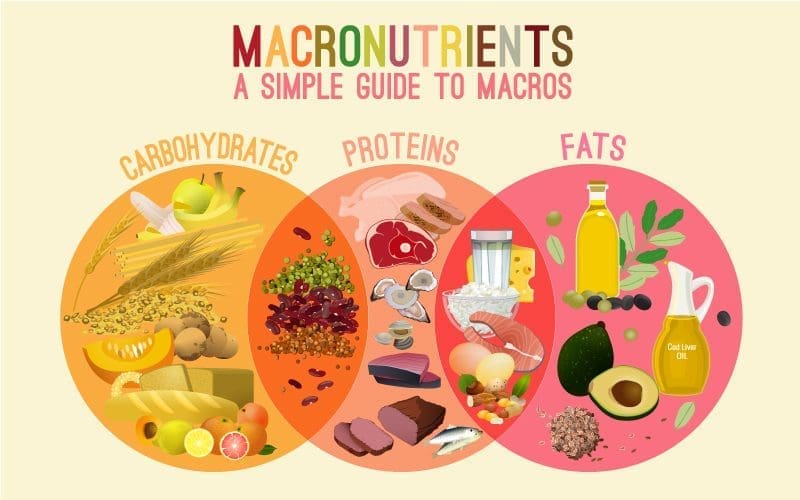
Macronutrients are nutrients needed in large amounts. Your body uses them for energy and repair. They include carbohydrates, proteins, and fats. Each one gives calories, which fuel your daily activities.
Carbohydrates
Carbohydrates are the body's main energy source. They break down into sugar to fuel your cells. Foods like bread, rice, and fruits have carbs. They give quick and easy energy.
Proteins
Proteins build and repair body tissues. They support muscles, skin, and organs. Meat, beans, and nuts are high in protein. Your body uses protein to stay healthy and strong.
Fats
Fats store energy and protect organs. They help your body absorb vitamins. Healthy fats come from fish, nuts, and oils. Fats keep your brain and body working well.
Credit: avitahealth.org
Types Of Macronutrients
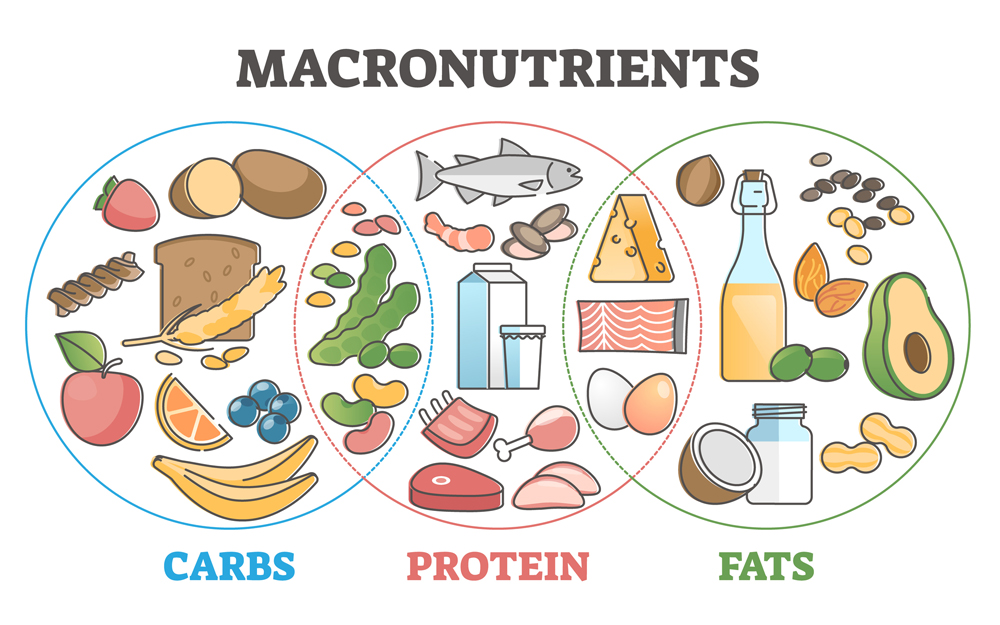
Macronutrients are the main nutrients our bodies need in large amounts. They provide energy and support growth, repair, and overall health. Understanding the types of macronutrients helps us make better food choices. There are three primary types: carbohydrates, proteins, and fats. Each plays a unique role in our body.
Carbohydrates
Carbohydrates are the body's main energy source. They break down into glucose, which fuels cells. Foods rich in carbohydrates include bread, rice, fruits, and vegetables. Simple carbs give quick energy, while complex carbs provide long-lasting fuel. Fiber, a type of carbohydrate, aids digestion and keeps you full.
Proteins
Proteins help build and repair tissues. They are essential for muscles, skin, and organs. Protein comes from meat, fish, eggs, beans, and nuts. The body uses amino acids from proteins to perform many functions. Eating enough protein supports muscle growth and recovery.
Fats
Fats store energy and protect organs. They help absorb vitamins like A, D, E, and K. Healthy fats come from nuts, seeds, fish, and oils. Fats also keep skin healthy and support brain function. Balancing fat intake is important for overall wellness.
Role In Energy Production
Macronutrients play a key role in energy production. They provide the fuel our bodies need to work and stay active. Each macronutrient breaks down differently to give energy. Understanding this helps us choose the right foods for better health.
Carbohydrates As The Main Energy Source
Carbohydrates are the body's favorite fuel. The body breaks them into glucose, which cells use for energy. Glucose powers the brain, muscles, and organs quickly. Eating enough carbs helps keep energy levels steady throughout the day.
Proteins And Their Energy Role
Proteins mainly build and repair tissues. They provide energy only when carbs are low. The body breaks proteins into amino acids to use as fuel. Protein is a backup energy source, not the first choice.
Fats As A Long-lasting Energy Source
Fats store a large amount of energy. The body uses fats for energy during rest or long exercise. Fat breaks down slowly, giving steady energy over time. Healthy fats also support cell function and hormone production.
Credit: www.cedars-sinai.org
Impact On Physical Health
Macronutrients play a key role in physical health. They provide energy and support vital body functions. Each macronutrient—carbohydrates, proteins, and fats—affects the body in different ways. Understanding their impact can help improve overall wellness.
Muscle Growth And Repair
Proteins are the building blocks of muscles. They repair muscle fibers after exercise. Eating enough protein helps muscles grow stronger. Carbohydrates provide energy for workouts. Without carbs, muscles may feel tired faster. Fats support hormone production needed for muscle repair.
Weight Management
Balancing macronutrients helps control body weight. Carbohydrates supply quick energy but too much can add fat. Proteins keep you full longer and reduce hunger. Healthy fats also promote fullness and support metabolism. A good balance prevents overeating and supports steady weight.
Immune Support
Proteins help create immune cells and antibodies. Fats aid in absorbing vitamins that boost immunity. Carbohydrates provide energy needed for immune response. Lack of any macronutrient can weaken the immune system. A balanced diet strengthens your body’s defense against illness.
Balancing Macronutrients
Balancing macronutrients is key to a healthy diet. Each macronutrient plays a unique role in the body. Proteins help build muscles. Carbohydrates provide energy. Fats support cell function. Getting the right balance improves health and energy levels.
The balance depends on individual needs. Age, activity, and health goals affect the ideal ratio. Understanding these factors helps create a meal plan that works best.
Recommended Ratios
Most people benefit from a balanced ratio of macronutrients. A common guideline is 45-65% carbohydrates, 10-35% protein, and 20-35% fat. This range supports general health and energy. Adjustments may be needed based on personal goals.
Adjusting For Activity Levels
Active people need more carbohydrates for energy. Endurance athletes often require higher carb intake. Strength trainers may increase protein to support muscle growth. Sedentary individuals usually need fewer carbs and calories.
Special Dietary Needs
Some health conditions change macronutrient needs. Diabetics may limit carbohydrates to manage blood sugar. People with kidney issues might reduce protein intake. Vegans focus on plant-based proteins and fats. Tailoring macronutrients to needs improves wellness.
Sources Of Macronutrients
Macronutrients are the main nutrients your body needs to work well. They include carbohydrates, proteins, and fats. Each type of macronutrient comes from different foods. Eating a mix of these foods helps keep your body strong and healthy.
Choosing the right sources of macronutrients makes a big difference. It helps your body get the energy and nutrients it needs. Below are some healthy options for carbohydrates, proteins, and fats.
Healthy Carbohydrate Options
Carbohydrates are the body's main source of energy. Choose whole grains like brown rice, oats, and quinoa. Vegetables and fruits also provide good carbohydrates. They have fiber, vitamins, and minerals your body needs. Avoid sugary snacks and white bread for better health.
Protein-rich Foods
Proteins help build muscles and repair tissues. Good sources include lean meats like chicken and turkey. Fish and eggs are also rich in protein. Plant-based options like beans, lentils, and tofu work well. Eating a variety keeps your protein intake balanced.
Good Fats
Fats are important for brain health and energy. Healthy fats come from nuts, seeds, and avocados. Olive oil and fatty fish like salmon are great choices. Limit trans fats and fried foods to protect your heart. Choose fats that support your overall wellness.
Common Macronutrient Myths
Many people have wrong ideas about macronutrients. These myths can cause confusion about diet and health. Understanding the truth helps make better food choices.
Macronutrients include proteins, fats, and carbohydrates. Each one plays a key role in the body. Let’s clear up some common myths about them.
Myth: All Fats Are Bad
Not all fats harm your health. Some fats, like those in nuts and fish, are good. They support brain function and heart health. Avoid trans fats, but do not fear healthy fats.
Myth: Carbs Make You Gain Weight
Carbohydrates are the body’s main energy source. Eating carbs alone does not cause weight gain. Portion size and food quality matter more. Choose whole grains and vegetables over processed carbs.
Myth: Protein Is Only For Bodybuilders
Protein helps build muscles, but it is needed by everyone. It repairs tissues and supports the immune system. People of all ages should eat enough protein daily.
Myth: Low-carb Diets Are Best For Everyone
Low-carb diets work for some but not all. The body needs a balance of macronutrients. Cutting carbs too much can cause tiredness and poor focus. Find a diet that fits your lifestyle.

Credit: thrivecarolinas.com
Tracking Macronutrient Intake
Tracking macronutrient intake helps you control your diet and reach health goals. It allows you to see how much protein, fat, and carbs you consume daily. This awareness guides better food choices and improves nutrition. Simple tracking methods make this process easy and effective.
Using Food Labels
Food labels provide clear macronutrient information. They list grams of protein, fat, and carbohydrates per serving. Checking labels helps you estimate intake quickly. Always compare serving sizes to what you eat. Labels also show added sugars and fiber, which affect total carbs.
Apps And Tools
Apps simplify tracking by logging foods automatically. Many apps have large food databases and barcode scanners. You enter what you eat, and the app calculates macronutrients for you. Tools also track daily goals and progress. Using apps saves time and increases accuracy in tracking.
Frequently Asked Questions
What Are Macronutrients And Why Are They Important?
Macronutrients are nutrients needed in large amounts for energy and body functions. They include carbohydrates, proteins, and fats. These nutrients support growth, repair, and overall health. Without them, the body cannot function properly or maintain energy levels.
How Many Calories Do Macronutrients Provide?
Carbohydrates and proteins each provide 4 calories per gram. Fats provide 9 calories per gram. Alcohol also provides calories but is not a macronutrient. Understanding calorie content helps manage diet and energy intake effectively.
What Foods Are Rich In Macronutrients?
Carbohydrates are found in grains, fruits, and vegetables. Proteins come from meat, beans, and dairy. Fats are in oils, nuts, and avocados. A balanced diet includes all three to meet body needs and maintain health.
How Do Macronutrients Affect Weight Management?
Macronutrients influence metabolism and energy balance. Protein helps build muscle and boosts metabolism. Carbohydrates provide energy, while fats support hormone production. Balancing these nutrients aids in healthy weight loss or maintenance.
Conclusion
Macronutrients fuel your body every day. Proteins, fats, and carbs each serve a purpose. Eating a balanced mix helps keep energy steady. It supports growth, repair, and overall health. Knowing what macronutrients do makes food choices easier. Aim for variety to meet your body’s needs.
Simple changes can improve how you feel. Nutrition is a key part of a healthy life. Start small, stay consistent, and notice the benefits. Understanding macronutrients is a smart step toward wellness.
Comments
Post a Comment