Have you ever wondered how your body reacts instantly when you're in danger or feeling stressed? The answer often lies in a powerful hormone called epinephrine.
This tiny chemical plays a big role in preparing your body to face challenges, boosting your energy and sharpening your focus. Understanding epinephrine can help you better grasp how your body works in critical moments and how it affects your health.
Keep reading to discover what epinephrine is, how it impacts you, and why it’s so important for your body’s response to stress and emergencies.
What Is Epinephrine
Epinephrine is a hormone and a medicine. It is also called adrenaline. Your body makes epinephrine during stress or danger. This helps you react quickly.
Doctors use epinephrine to treat allergic reactions and other emergencies. It works fast to save lives.
Natural Role Of Epinephrine
Epinephrine is made in the adrenal glands. These glands sit above your kidneys. It prepares your body for "fight or flight."
The hormone increases heart rate and blood flow. It opens airways to help breathing. It also raises blood sugar for energy.
Medical Uses Of Epinephrine
Doctors give epinephrine in emergencies like severe allergies. It stops swelling and opens breathing passages. It can also treat heart problems and asthma attacks.
Epinephrine is often injected with an auto-injector. This device is easy to use during an emergency.
How Epinephrine Works In The Body
Epinephrine binds to special receptors in your body. This triggers changes in your heart, lungs, and muscles. It helps you act fast and stay alert.
The effects last a short time but are very strong. This quick action is why epinephrine is so important in emergencies.

Credit: www.mountainside-medical.com
How Epinephrine Works
Epinephrine is a hormone and a medicine. It acts fast to help the body in emergencies. It affects many parts of the body to bring quick changes.
This hormone is released by the adrenal glands during stress or danger. It prepares the body to respond quickly and strongly.
Activating The Fight Or Flight Response
Epinephrine triggers the fight or flight response. It increases heart rate and opens airways. This helps more oxygen reach the lungs and muscles.
Blood flow is redirected to important organs like the brain and muscles. This makes the body ready to act fast.
Opening Airways To Improve Breathing
Epinephrine relaxes muscles around the airways. This opens the breathing tubes wider. It helps people breathe easier during allergic reactions or asthma attacks.
This quick opening of airways can save lives in severe breathing problems.
Raising Blood Pressure Quickly
Epinephrine tightens blood vessels. This raises blood pressure fast. It helps keep blood flowing to vital organs when blood pressure drops dangerously low.
This effect is crucial during severe allergic reactions or shock.
Common Medical Uses
Epinephrine is a powerful medicine used in many urgent health situations. It works quickly to help the body recover from severe problems. Doctors use epinephrine for different reasons. Each use helps save lives and improve health fast.
Anaphylaxis Treatment
Anaphylaxis is a serious allergic reaction. It can cause breathing problems and swelling. Epinephrine stops these dangerous symptoms fast. It opens airways and raises blood pressure. People with allergies carry epinephrine auto-injectors for emergencies. Using epinephrine quickly can prevent death from anaphylaxis.
Cardiac Arrest Support
During cardiac arrest, the heart stops pumping blood. Epinephrine helps the heart start beating again. It improves blood flow to vital organs. Doctors inject epinephrine in emergency rooms and ambulances. This medicine increases the chance of survival after cardiac arrest.
Asthma And Respiratory Issues
Asthma causes tight airways and trouble breathing. Epinephrine relaxes the muscles around the airways. It reduces swelling and opens breathing passages. People use it in severe asthma attacks. It provides quick relief and helps patients breathe easier.
Forms And Administration
Epinephrine is a vital medicine used in emergencies. It comes in different forms to suit various medical needs. Understanding these forms helps ensure the right use at the right time.
The way epinephrine is given depends on the situation. Some forms are easy for patients to use themselves. Others require medical professionals to administer. The choice affects how quickly the medicine works.
Auto-injectors
Auto-injectors are the most common form for quick emergency use. They are small devices that deliver a set dose of epinephrine. People carry them to treat severe allergic reactions immediately.
The device works by pressing it against the thigh. It injects the medicine through clothing. This method is fast, simple, and can save lives in minutes.
Intravenous Use
Epinephrine can be given directly into a vein. This method is used in hospitals or emergency rooms. It allows the medicine to work very quickly.
Doctors control the dose carefully through an IV drip or injection. This form is critical during severe cases like cardiac arrest or shock. It requires trained medical staff for safe administration.
Inhalation Methods
Inhaled epinephrine treats breathing problems caused by asthma or bronchitis. It comes as a mist or aerosol that patients breathe in. This opens the airways and makes breathing easier.
Inhalers or nebulizers deliver epinephrine directly to the lungs. This form acts fast and targets the problem area. It is usually used under medical supervision or as prescribed.
Benefits In Emergency Situations
Epinephrine plays a vital role in emergency medical care. It acts quickly to save lives in critical moments. Its benefits are clear in many urgent health situations. Understanding these benefits helps appreciate its importance in emergency treatment.
This medicine works fast to support the body’s vital functions. It helps restore breathing, heartbeat, and blood flow. Emergency responders rely on epinephrine to stabilize patients before further care.
Epinephrine And Anaphylaxis Treatment
Anaphylaxis is a severe allergic reaction that can cause breathing problems. Epinephrine stops this reaction by opening airways. It reduces swelling and improves blood circulation. Timely injection of epinephrine can prevent fatal outcomes.
Role In Cardiac Arrest
During cardiac arrest, the heart stops pumping blood effectively. Epinephrine helps restart the heart by increasing blood flow to vital organs. It improves the chance of restoring a heartbeat and survival.
Support For Severe Asthma Attacks
Severe asthma attacks can block airways and reduce oxygen. Epinephrine relaxes airway muscles, making breathing easier. It provides fast relief and prevents the condition from worsening.
Use In Low Blood Pressure Emergencies
Some emergencies cause dangerous drops in blood pressure. Epinephrine raises blood pressure by narrowing blood vessels. This action helps maintain blood flow to the brain and other organs.

Credit: www.mountainside-medical.com
Potential Side Effects
Epinephrine is a life-saving drug used in emergencies. It acts fast to treat severe allergic reactions and other critical conditions.
Despite its benefits, epinephrine can cause side effects. Some effects are mild, while others need immediate attention.
Tremors And Nervousness
Trembling hands or shaking is common after epinephrine use. You might also feel restless or nervous. These effects usually pass quickly.
Increased Heart Rate
Epinephrine speeds up your heart. This can cause a fast or irregular heartbeat. It may feel like your heart is pounding or racing.
Headache And Dizziness
Some people report headaches or feel dizzy. These symptoms can occur shortly after taking epinephrine. Rest and hydration can help ease these feelings.
High Blood Pressure
Epinephrine raises blood pressure temporarily. This can be risky for people with heart problems. Monitoring is important after administration.
Difficulty Breathing
Rarely, epinephrine can cause breathing problems. This side effect needs urgent medical care. Always seek help if breathing worsens.
Precautions And Contraindications
Epinephrine is a powerful medicine used in emergencies. It helps treat severe allergic reactions and other serious conditions. Despite its benefits, some precautions and contraindications must be known. These help ensure the medicine is safe and effective.
Using epinephrine without care can cause risks. Certain health issues may worsen with epinephrine. Knowing these warnings helps prevent harm and improves outcomes.
Precautions Before Using Epinephrine
Tell the doctor about heart problems like high blood pressure or irregular heartbeat. Epinephrine can increase heart rate and blood pressure. Use with caution if you have diabetes. Epinephrine may raise blood sugar levels temporarily. Avoid using epinephrine near the eyes. It can cause damage to eye tissues.
Contraindications For Epinephrine Use
Do not use epinephrine if you have a known allergy to it. Avoid epinephrine during labor unless advised by a doctor. It may reduce blood flow to the placenta. Avoid epinephrine in patients with certain types of heart disease. It can worsen chest pain and heart rhythm problems.
Special Considerations For Certain Groups
Children need lower doses of epinephrine. Always follow the doctor’s instructions. Elderly people may be more sensitive to side effects. Pregnant women should use epinephrine only when necessary. Discuss risks and benefits with a healthcare provider.
Storage And Handling Tips
Proper storage and handling of epinephrine are vital for its effectiveness. Epinephrine can lose strength if not stored correctly. This section explains easy tips to keep it safe and ready to use.
Store At Room Temperature
Keep epinephrine at room temperature, between 20°C and 25°C (68°F and 77°F). Avoid freezing or exposing it to heat. Extreme temperatures can damage the medicine.
Protect From Light
Store epinephrine in its original container. The container protects it from light, which can reduce its strength. Do not remove the medicine from the container until needed.
Check Expiration Dates
Regularly check the expiration date on the epinephrine package. Expired medicine may not work during an emergency. Replace it before it expires to stay safe.
Avoid Shaking The Injector
Do not shake the epinephrine injector. Shaking can cause the medicine to break down. Handle the injector gently and keep it steady.
Keep Accessible And Visible
Store epinephrine where you can easily reach it. Place it in a clear, visible spot. Make sure family and friends know where it is.
Recent Advances And Research
Epinephrine continues to be a vital drug in emergency medicine. Recent research explores new ways to improve its use and effects. Scientists study how epinephrine works in the body. They also test new methods to deliver the drug more effectively.
These advances aim to make epinephrine safer and more efficient. Studies focus on reducing side effects and increasing the drug's speed of action. Researchers also explore epinephrine's role beyond allergies and cardiac arrest.
Improved Delivery SystemsResearch shows that new delivery systems can help patients use epinephrine better. Auto-injectors are becoming smaller and easier to carry. Some studies test nasal sprays and inhalers for fast drug absorption. These methods could help people get treatment faster during emergencies.
New Clinical ApplicationsScientists explore epinephrine for diseases beyond allergies. Trials test epinephrine in asthma and severe infections. Research also examines its use in shock and low blood pressure cases. These findings may expand epinephrine’s role in medicine.
Understanding Side EffectsResearchers focus on minimizing epinephrine’s side effects. Studies identify which patients face higher risks. New guidelines help doctors use the drug more safely. This work improves patient outcomes during emergency care.
Combination TherapiesRecent trials test epinephrine combined with other drugs. These combinations aim to enhance treatment effects. For example, pairing epinephrine with steroids may reduce inflammation better. Ongoing research seeks the best drug pairs for emergencies.
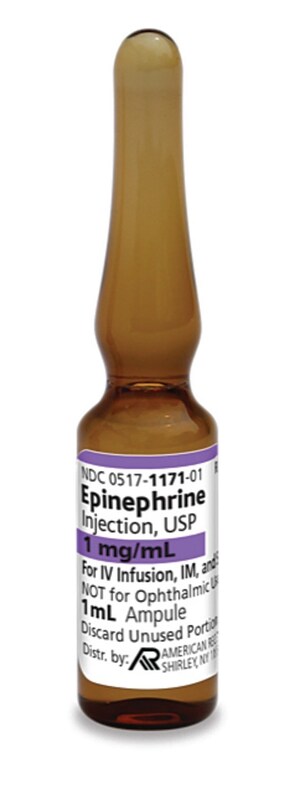
Credit: www.prnewswire.com
Frequently Asked Questions
What Is Epinephrine Used For Medically?
Epinephrine treats severe allergic reactions like anaphylaxis. It quickly opens airways and raises blood pressure to save lives.
How Does Epinephrine Affect The Body?
Epinephrine stimulates the heart and relaxes airway muscles. It increases blood flow and energy during stress or emergencies.
Can Epinephrine Be Self-administered?
Yes, epinephrine auto-injectors allow quick self-administration in emergencies. Immediate use is crucial for severe allergic reactions.
What Are Common Side Effects Of Epinephrine?
Side effects include rapid heartbeat, sweating, anxiety, and headache. These usually last briefly but should be monitored.
Conclusion
Epinephrine plays a vital role in treating severe allergic reactions. It acts fast to open airways and raise blood pressure. Knowing how and when to use it can save lives. Always keep epinephrine accessible if you have allergies. Speak with a doctor about proper use and dosage.
Understanding this medicine helps you stay prepared and safe. Quick action with epinephrine can make a big difference. Stay informed and ready to protect yourself and others.
Comments
Post a Comment