Have you ever wondered what happens in your brain when you’re fast asleep? Rapid Eye Movement (REM) sleep is a fascinating stage of your sleep cycle that plays a huge role in how rested and refreshed you feel each day.
It’s the time when your eyes move quickly under your eyelids, and your brain is almost as active as when you’re awake. Understanding REM sleep can help you unlock better rest, improve your memory, and even boost your mood. Keep reading to discover why this hidden phase of sleep matters so much for your health and how you can make the most of it.
Credit: ritual.com
What Is Rem Sleep
Rapid Eye Movement (REM) sleep is a special stage of the sleep cycle. It is important for brain health and overall rest. During REM sleep, the brain is very active, almost like when you are awake. Most dreaming happens in this stage. Understanding REM sleep helps explain why good sleep is vital.
Characteristics Of Rem Sleep
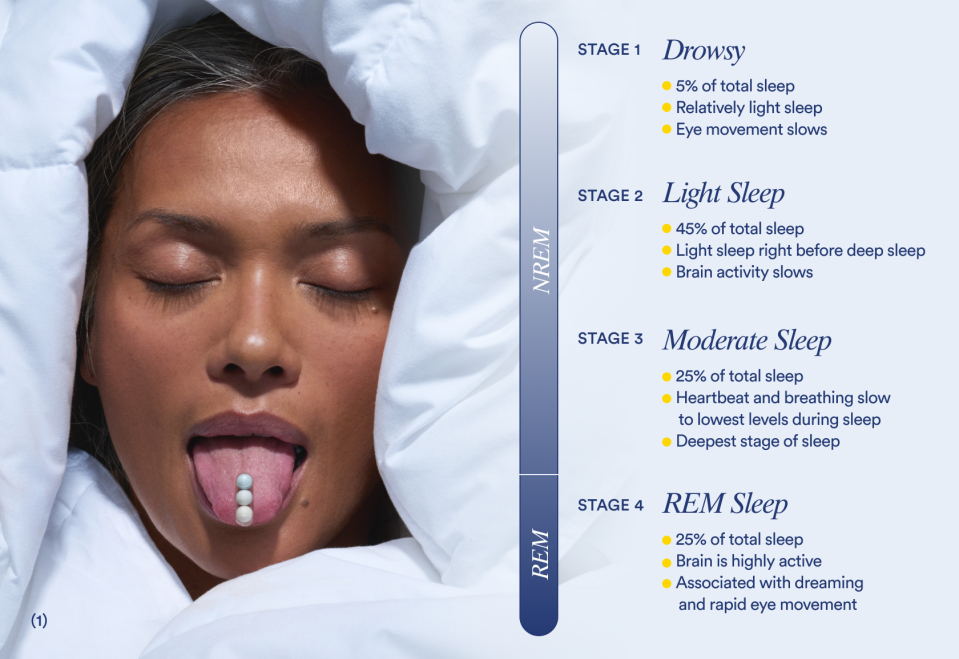
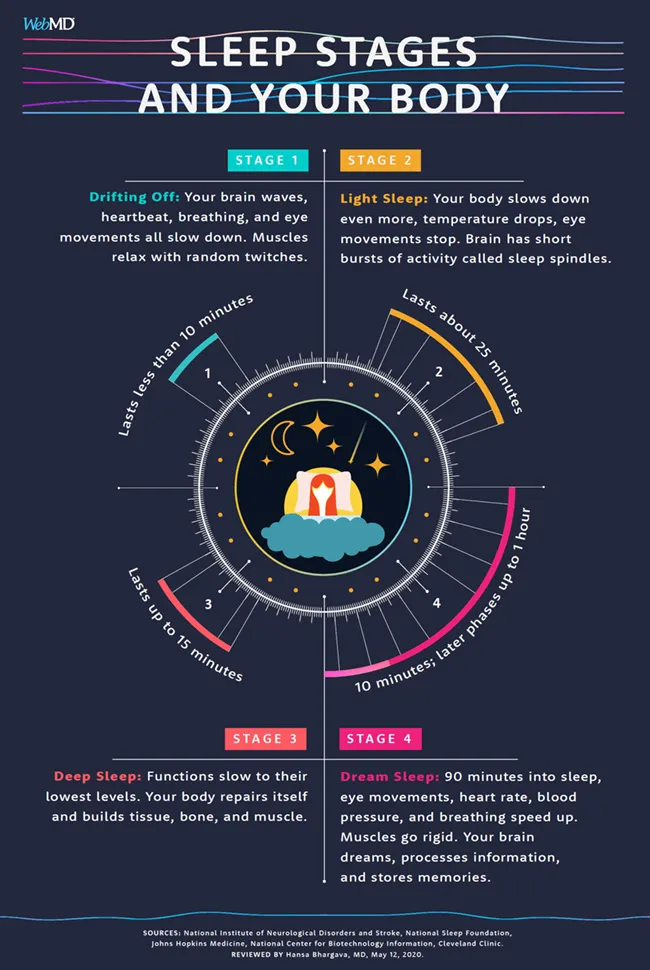
REM sleep has unique features that set it apart. The eyes move quickly from side to side under closed eyelids. The brain shows fast and irregular waves, similar to waking hours. Breathing and heart rate become faster and uneven. Muscles relax deeply, causing temporary paralysis. This stops the body from acting out dreams.
How Rem Differs From Other Sleep Stages
Sleep has several stages, but REM is distinct. Non-REM sleep stages are slower, with slower brain waves. These stages focus on body repair and growth. REM sleep focuses on brain activity and memory. It occurs in cycles, usually after deep sleep. Each REM cycle gets longer as the night progresses.
Credit: www.webmd.com
The Role Of Rem In Restorative Sleep
Rapid Eye Movement (REM) sleep plays a key role in making sleep truly restorative. This stage of sleep occurs several times each night and is when the brain is very active. REM sleep helps the body and mind recover and prepare for the next day. It supports many important functions that keep us healthy and alert.
Memory And Learning Benefits
REM sleep helps the brain store new information. It strengthens memories and links ideas together. This makes learning easier and improves problem-solving skills. Lack of REM sleep can make it hard to focus and remember things.
Emotional Regulation
During REM sleep, the brain processes feelings and emotions. This helps reduce stress and improve mood. People who get enough REM sleep often feel calmer and better able to handle challenges. It also lowers the risk of mood disorders like anxiety and depression.
Physical Health Impact
REM sleep supports the body’s repair and growth. It boosts the immune system and helps heal tissues. Good REM sleep also regulates hormones that control appetite and metabolism. Poor REM sleep can increase the risk of illness and weight gain.
How Rem Sleep Cycles Work
Understanding how REM sleep cycles work helps us know why sleep feels restful. REM, or Rapid Eye Movement, is a special sleep phase. During REM, your brain is very active, almost like when you are awake. Dreams often happen in this stage. The cycles repeat several times each night, changing in length and intensity. These changes follow a pattern that affects how refreshed you feel the next day.
Duration And Timing Through The Night
REM sleep cycles start about 90 minutes after falling asleep. The first REM period is usually short, lasting around 10 minutes. Each cycle gets longer as the night goes on. By morning, REM phases can last up to an hour. Typically, a person experiences four to six REM cycles per night. These cycles alternate with non-REM sleep stages. The balance of these stages is important for good rest.
Factors Affecting Rem Cycles
Several things can change how REM cycles work. Stress and anxiety often reduce REM sleep time. Alcohol can shorten REM phases and disrupt sleep quality. Age also plays a role; older adults usually have less REM sleep. Some medications interfere with REM, too. Sleeping environment matters as well—noise and light can break REM cycles. Understanding these factors can help improve sleep patterns.
Common Rem Sleep Disorders
REM sleep is a vital part of the sleep cycle. It helps with memory, mood, and brain function. Some disorders disrupt REM sleep. These problems can affect how well you rest and feel during the day.
Understanding common REM sleep disorders can help you spot issues early. It also guides you to seek help when needed. Here are three important REM sleep disorders to know about.
Rem Sleep Behavior Disorder
REM Sleep Behavior Disorder (RBD) causes people to act out their dreams. Normally, muscles are very relaxed during REM sleep. In RBD, this muscle paralysis is lost. People may move, talk, or even get up and walk while dreaming. This can cause injury to themselves or others. RBD often appears in older adults and may link to brain diseases.
Nightmares And Night Terrors
Nightmares occur during REM sleep and cause bad dreams. They can wake a person feeling scared or anxious. Night terrors differ. They happen in deep non-REM sleep and cause intense fear. People may scream or thrash without remembering the event. Frequent nightmares or night terrors can harm sleep quality and mood.
Effects Of Sleep Apnea On Rem
Sleep apnea is a disorder where breathing stops briefly during sleep. It reduces oxygen and disrupts sleep cycles. REM sleep is often shortened in sleep apnea patients. This loss affects memory, concentration, and emotional health. Treating sleep apnea can improve REM sleep and overall rest.
Improving Rem Sleep Quality
Improving REM sleep quality helps your brain rest and heal better each night. REM sleep supports memory, mood, and learning. Poor REM sleep can cause tiredness and trouble focusing. Small changes can make a big difference in how deeply you sleep. Here are some simple ways to improve REM sleep quality.
Lifestyle Changes For Better Rem
Keep a steady sleep schedule. Go to bed and wake up at the same time daily. Avoid naps late in the day. Reduce screen use before sleep. The blue light from screens can lower REM sleep. Try relaxing activities like reading or meditation before bed. Avoid caffeine and heavy meals near bedtime. They can disrupt your sleep cycle.
Sleep Environment Tips
Make your bedroom dark and quiet. Use blackout curtains or a sleep mask. Lower room temperature to about 65°F (18°C). A cool room helps your body enter deep REM stages. Remove noise distractions or use white noise machines. Keep your bed comfortable and supportive. A good mattress and pillows improve sleep quality. Remove electronic devices that emit light or noise.
Role Of Diet And Exercise
Eat balanced meals with vitamins and minerals. Foods rich in magnesium and potassium promote better sleep. Avoid large meals close to bedtime. Regular exercise improves overall sleep quality. Aim for 30 minutes of moderate exercise most days. Finish workouts at least three hours before bedtime. Exercise helps reduce stress and supports deeper REM sleep.

Credit: www.youtube.com
Impact Of Technology On Rem Sleep
Technology changes how people sleep, especially the REM stage. REM sleep is a deep sleep phase important for memory and mood. Using technology can affect how much REM sleep a person gets. This impact can be good or bad depending on how technology is used.
Many devices emit blue light and track sleep patterns. These factors influence REM sleep quality. Understanding these effects helps improve sleep habits and overall health.
Blue Light And Screen Time
Blue light from phones, tablets, and computers affects the brain. It tricks the brain into thinking it is daytime. This stops the body from making melatonin, the sleep hormone. Less melatonin means harder time falling asleep. It also reduces REM sleep duration. Using screens before bed lowers sleep quality.
Reducing screen time in the evening improves REM sleep. Using blue light filters or night modes helps. Turning off devices at least one hour before bed is best. This supports natural sleep cycles and better REM phases.
Sleep Tracking Devices
Many people use sleep trackers to understand their sleep patterns. These devices monitor movements and heart rate during sleep. They can estimate how long REM sleep lasts. Knowing sleep data helps adjust habits for better rest.
Some trackers give feedback on sleep quality and tips for improvement. This encourages healthier routines. Yet, relying too much on these devices may cause stress. Stress affects sleep negatively, including REM stages. Use trackers as a guide, not a strict rule.
Frequently Asked Questions
What Is Rapid Eye Movement (rem) Sleep?
REM sleep is a sleep stage characterized by quick eye movements and vivid dreams. It plays a vital role in memory, learning, and emotional health. During REM, brain activity resembles wakefulness, but muscles remain relaxed to prevent acting out dreams.
How Long Does A Rem Sleep Cycle Last?
A typical REM sleep cycle lasts about 10 to 30 minutes. It occurs multiple times per night, increasing in length with each cycle. The first REM phase is the shortest, while later cycles can last up to an hour.
Why Is Rem Sleep Important For Health?
REM sleep supports brain functions like memory consolidation and emotional regulation. It also boosts creativity and problem-solving skills. Lack of REM sleep can lead to cognitive issues, mood swings, and weakened immune response.
How Can I Improve Rem Sleep Quality?
To enhance REM sleep, maintain a consistent sleep schedule and create a relaxing bedtime routine. Avoid caffeine and screen exposure before bed. Regular exercise and managing stress also promote deeper, more restorative REM sleep.
Conclusion
Rapid Eye Movement sleep plays a key role in our health and mind. It helps the brain process memories and emotions. Good REM sleep improves learning and mood. Skipping REM can cause tiredness and poor focus. Try to keep a regular sleep schedule for better REM cycles.
Rest well to support your body and brain each night. Sleep is not just rest—it is essential for life.
Comments
Post a Comment