Acetylcholine: The Essential Brain Messenger Explained
Have you ever wondered how your brain tells your muscles to move, or how it helps you remember important facts? The answer lies in a small but powerful chemical called acetylcholine. Even though its name sounds complex, acetylcholine is one of the most important messengers in your body. It is found in your brain, nerves, and even your heart. This article will explain what acetylcholine is, how it works, why it matters for your health, and what can happen if your body has too much or too little of it.
Understanding acetylcholine can help you take better care of your mind and body. You will learn how this chemical affects memory, learning, attention, and movement. We will also look at the role of acetylcholine in diseases like Alzheimer’s, myasthenia gravis, and Parkinson’s.
By the end of this article, you will know how acetylcholine supports your daily life, what can harm its balance, and how science is trying to use this knowledge to treat diseases.
What Is Acetylcholine?
Acetylcholine is a type of neurotransmitter. Neurotransmitters are chemicals that carry signals between nerve cells, or from nerve cells to muscles. Acetylcholine was the first neurotransmitter ever discovered, and it is still one of the most studied.
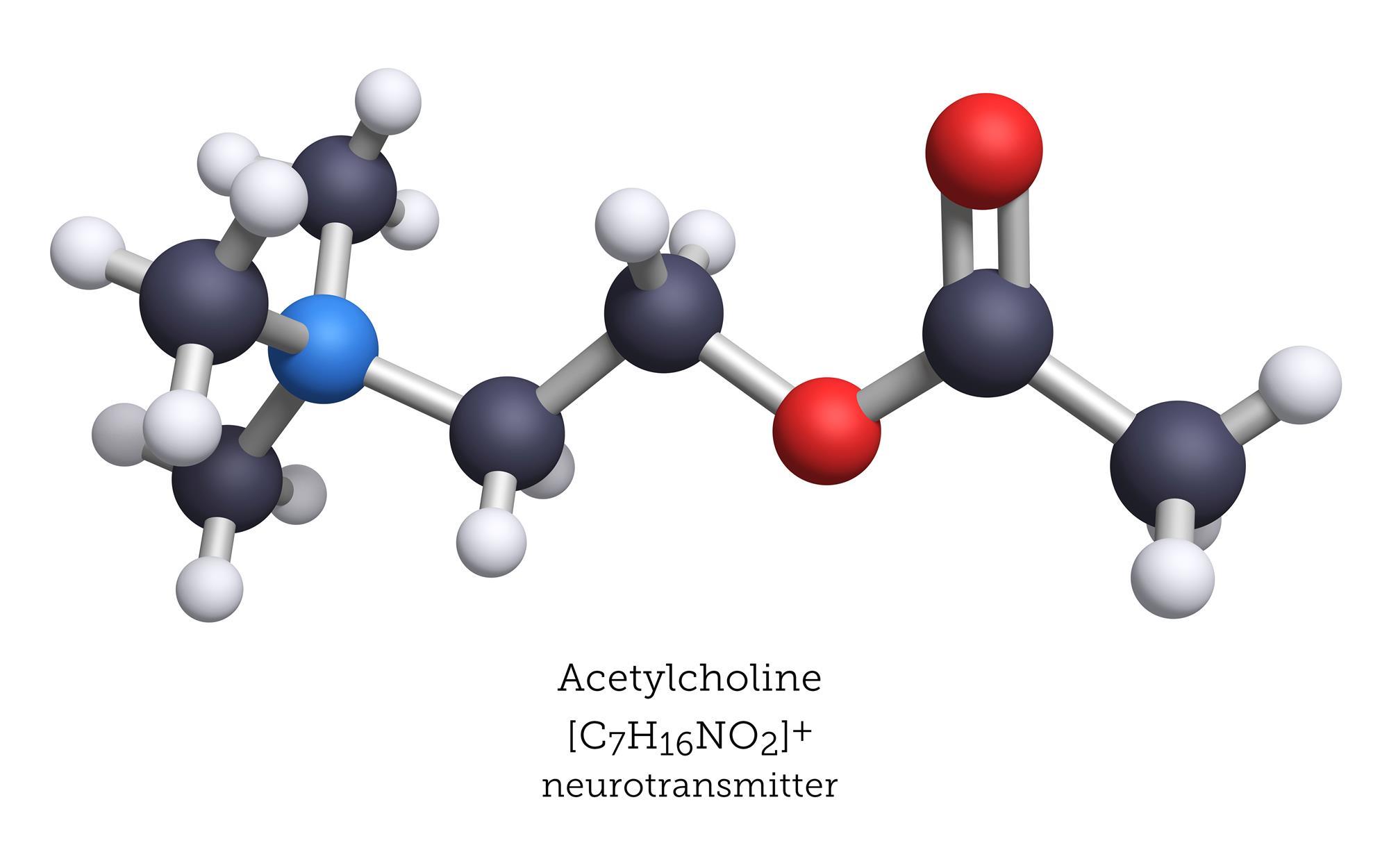
Acetylcholine is made from two simple building blocks: choline (a nutrient found in foods like eggs, beef, and soybeans) and acetyl-CoA (a molecule involved in energy production). Inside nerve cells, an enzyme called choline acetyltransferase joins these two substances to create acetylcholine.
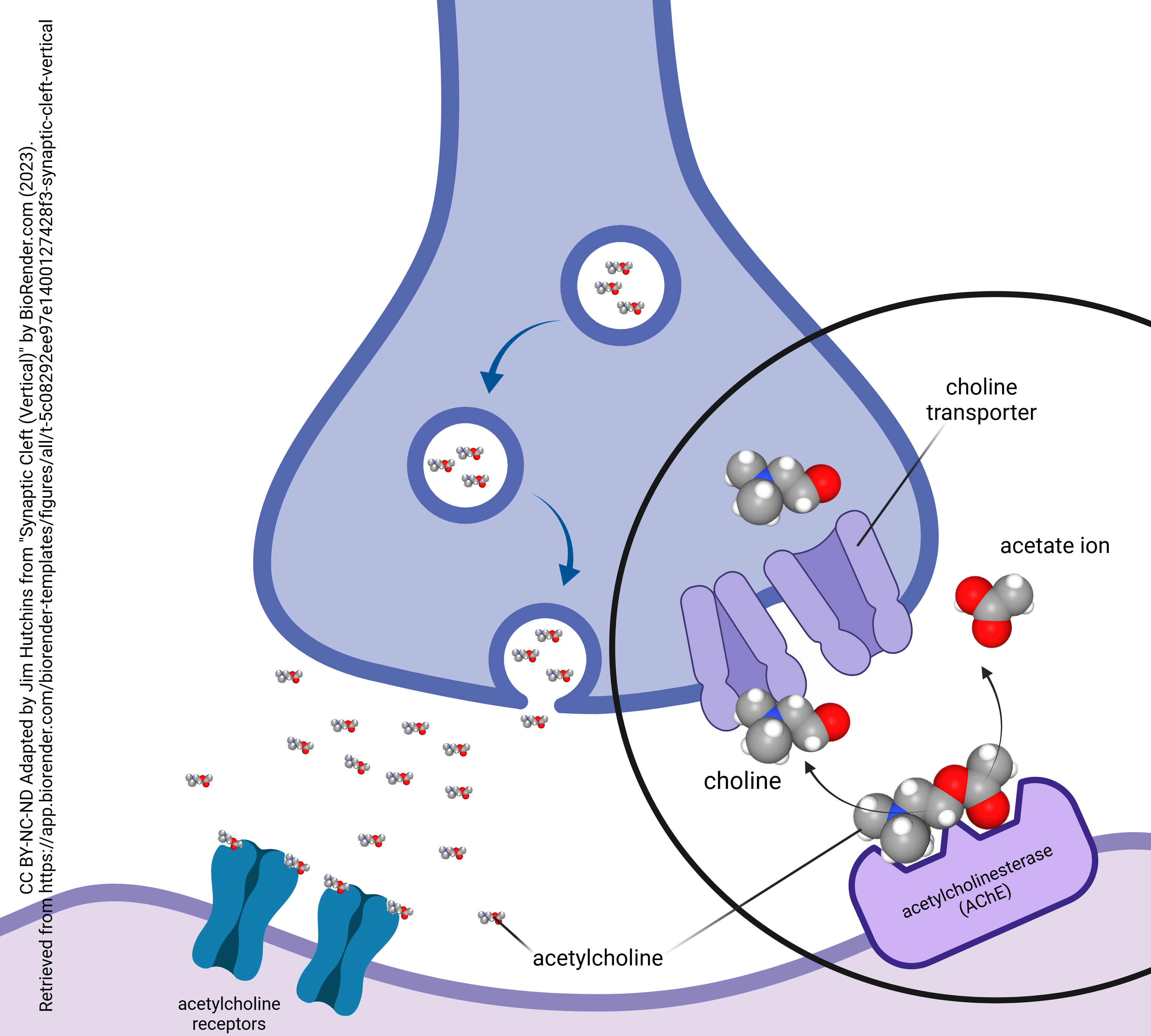
Once made, acetylcholine is stored in small sacs (vesicles) at the end of nerve cells. When the nerve gets a signal, the vesicles release acetylcholine into the gap (synapse) between nerve cells or between a nerve and a muscle. Acetylcholine then attaches to special proteins called receptors on the next cell, passing on the message.
After acetylcholine does its job, an enzyme called acetylcholinesterase quickly breaks it down. This stops the signal, so your body can control when and how often messages are sent.
Where Is Acetylcholine Found In The Body?
Acetylcholine is found in many parts of your body:
- Central Nervous System (CNS): In the brain and spinal cord, acetylcholine helps control memory, attention, and learning.
- Peripheral Nervous System (PNS): In nerves outside the brain and spinal cord, acetylcholine tells muscles when to contract. It also controls some automatic functions like heartbeat and digestion.
- Autonomic Nervous System: Acetylcholine is part of both the sympathetic and parasympathetic systems, which manage body functions like breathing, blood pressure, and sweating.
This wide presence means acetylcholine affects almost every part of your body, from your thoughts to your heartbeat.
How Acetylcholine Works: The Science Made Simple
To understand acetylcholine, it helps to know a bit about how nerves talk to each other and to muscles.
The Journey Of Acetylcholine
- Creation: Nerve cells use choline and acetyl-CoA to make acetylcholine.
- Storage: The new acetylcholine is packed into vesicles inside the nerve ending.
- Release: When a nerve signal arrives, the vesicles merge with the cell wall and release acetylcholine into the synapse.
- Reception: Acetylcholine crosses the gap and sticks to receptors on the next cell.
- Action: Depending on the receptor and location, acetylcholine can excite or calm the next cell, or make a muscle contract.
- Breakdown: Acetylcholinesterase quickly breaks acetylcholine into choline and acetate, ending the message.
Types Of Acetylcholine Receptors
Acetylcholine acts through two main types of receptors:
- Nicotinic receptors: These are found at the junction between nerves and muscles, and in some parts of the brain. When acetylcholine binds here, it usually causes quick, strong effects—like making a muscle contract.
- Muscarinic receptors: These are mostly found in the brain and in the organs (like the heart and gut). They produce slower, longer-lasting effects—such as slowing the heart rate or helping with memory.
Here is a simple comparison:
| Receptor Type | Main Locations | Main Effects |
|---|---|---|
| Nicotinic | Muscles, brain, nerves | Fast muscle contraction, quick nerve signals |
| Muscarinic | Brain, heart, organs | Slower changes in organ function, memory, attention |
Why Acetylcholine Is Important For Your Body
Acetylcholine has many key roles in the body and mind. Here are some of the most important:
1. Muscle Movement
Every time you move a muscle—whether you are walking, smiling, or breathing—acetylcholine is at work. It carries the signal from your nerves to your muscles, telling them to contract. Without enough acetylcholine, your muscles can become weak or even paralyzed.
2. Memory And Learning
In the brain, acetylcholine helps you learn new things and remember them. It is especially important in a part of the brain called the hippocampus, which is involved in forming new memories. Low levels of acetylcholine are linked to memory problems and diseases like Alzheimer’s.
3. Attention And Focus
Acetylcholine helps you stay alert, pay attention, and process information quickly. It acts like a spotlight, helping your brain focus on important details and ignore distractions.
4. Sleep And Dreaming
This neurotransmitter also plays a role in sleep, especially in the REM (Rapid Eye Movement) stage, when you dream. Acetylcholine levels rise during REM sleep, helping your brain process memories and emotions.
5. Heart Rate And Digestion
Through the parasympathetic system, acetylcholine slows your heart rate and helps your body relax after stress. It also controls the muscles in your gut, helping you digest food.
6. Sensory Processing
Acetylcholine helps your brain interpret signals from your senses, such as sight, sound, and touch. It helps filter out background noise, letting you focus on what matters.

Credit: derangedphysiology.com
Acetylcholine And The Brain: Cognitive Superpower
In the world of neuroscience, acetylcholine is known as the “memory molecule”. This is because of its powerful effects on learning, memory, and thinking.
How Acetylcholine Supports Memory
Acetylcholine boosts communication between brain cells in areas that store and recall memories. For example, when you are learning a new language, acetylcholine helps strengthen the connections that hold new words and grammar rules.
Research shows that blocking acetylcholine in the brain can cause people to forget things quickly. This is one reason why certain medicines that block acetylcholine (like some allergy or sleep drugs) can cause memory problems, especially in older adults.
Attention And Acetylcholine
When you need to concentrate—like solving a puzzle or studying for an exam—your brain releases more acetylcholine. This helps you filter out distractions and focus on the task. If your acetylcholine levels are too low, it becomes harder to pay attention and react quickly.
Acetylcholine In Alzheimer’s Disease
One of the main features of Alzheimer’s disease is a drop in acetylcholine levels. This is why many Alzheimer’s drugs work by stopping the breakdown of acetylcholine, giving the brain more of this important chemical to use.
Example: Acetylcholine And Problem-solving
Imagine you are trying to remember where you parked your car. Acetylcholine helps you search your memory, connect clues, and find the answer. Without enough acetylcholine, this simple task could become very difficult.
Diseases Linked To Acetylcholine Problems
When acetylcholine levels are too high or too low, it can lead to serious health problems. Here are some key diseases related to acetylcholine imbalance:
Alzheimer’s Disease
As mentioned earlier, Alzheimer’s is linked to a big drop in acetylcholine in the brain. This leads to memory loss, confusion, and trouble thinking. Drugs called acetylcholinesterase inhibitors (like donepezil and rivastigmine) are used to slow down acetylcholine breakdown, helping people with Alzheimer’s maintain their memory and thinking skills a bit longer.
Myasthenia Gravis
This is a rare disease where the body’s immune system attacks nicotinic acetylcholine receptors at the nerve-muscle junction. The result is muscle weakness, especially in the face, eyes, and throat. People with myasthenia gravis may have trouble speaking, swallowing, or even breathing.
Parkinson’s Disease
Parkinson’s disease mainly affects a different neurotransmitter (dopamine), but acetylcholine is involved too. In Parkinson’s, the balance between acetylcholine and dopamine is disrupted, leading to problems with movement and muscle control.
Botulism
The bacteria that cause botulism make a toxin that blocks the release of acetylcholine. This can cause complete muscle paralysis, which is life-threatening if it affects breathing.
Cholinergic Crisis
This is a dangerous condition caused by having too much acetylcholine. It can happen from poisoning (for example, with certain pesticides or nerve gas). Symptoms include muscle twitching, trouble breathing, sweating, and confusion.
Huntington’s Disease
In Huntington’s, brain cells that use acetylcholine are damaged, leading to movement problems and mental decline.
Acetylcholine In Medicine: Uses And Drugs
Because acetylcholine is so important, many medicines are designed to change its levels or effects. Here are some ways doctors use this knowledge:
Acetylcholinesterase Inhibitors
These drugs stop the enzyme that breaks down acetylcholine, raising its levels. They are used to treat:
- Alzheimer’s disease (donepezil, rivastigmine, galantamine)
- Myasthenia gravis (pyridostigmine, neostigmine)
- Some types of glaucoma (eye drops that affect acetylcholine in the eye)
Anticholinergic Drugs
These drugs block acetylcholine receptors. They are used for:
- Motion sickness (scopolamine)
- Overactive bladder (oxybutynin, tolterodine)
- Asthma and COPD (ipratropium, tiotropium)
- Parkinson’s disease (benztropine, trihexyphenidyl)
However, blocking acetylcholine can cause side effects like dry mouth, constipation, blurred vision, and memory problems, especially in older adults.
Botulinum Toxin (botox)
This popular cosmetic treatment works by blocking acetylcholine release, which temporarily weakens muscles and smooths out wrinkles. It is also used to treat muscle spasms and excessive sweating.
Acetylcholine In Surgery
Doctors sometimes use drugs that block acetylcholine at the muscle to cause temporary paralysis during surgery, so muscles do not move.
Foods And Lifestyle: Can You Boost Acetylcholine Naturally?
Many people ask if they can increase acetylcholine through diet or supplements. While there is no magic food that will boost your levels overnight, some habits can help your body make and use acetylcholine more effectively.
Foods Rich In Choline
Choline is a key building block for acetylcholine. Eating enough choline supports healthy acetylcholine levels. Top sources include:
- Egg yolks
- Beef liver
- Chicken
- Fish
- Soybeans
- Milk
- Cruciferous vegetables (like broccoli and Brussels sprouts)
Healthy Fats
Your nerves use fats to build cell membranes, which are needed for making and storing acetylcholine. Include sources like olive oil, avocado, and nuts in your diet.
Exercise And Brain Health
Physical activity helps your brain produce and use neurotransmitters, including acetylcholine. Regular exercise is linked to better memory and slower mental aging.
Sleep
Good sleep is important for acetylcholine balance, especially because levels change during REM sleep. Poor sleep can lower acetylcholine and harm your memory.
Avoiding Harmful Drugs
Some medicines and substances can lower acetylcholine or block its effects. These include certain antihistamines, sleep aids, and older antidepressants. If you notice memory problems or confusion after starting a new medicine, talk to your doctor.
Credit: www.chemistryworld.com
Acetylcholine And Aging: What Changes?
As people get older, their bodies often make less acetylcholine. This is one reason why memory, learning, and attention can become harder with age. Older adults are also more sensitive to drugs that block acetylcholine, which can cause confusion or falls.
Not everyone will have big drops in acetylcholine with age. Some people keep their memory and thinking skills sharp into their 80s or 90s. Eating well, exercising, and staying mentally active can help support healthy acetylcholine levels.
Comparing Acetylcholine With Other Neurotransmitters
Acetylcholine is just one of many neurotransmitters in your body. Each has its own job, but they often work together. Here is a quick comparison of acetylcholine with some other key brain chemicals:
| Neurotransmitter | Main Functions | Key Roles |
|---|---|---|
| Acetylcholine | Movement, memory, attention | Muscle contraction, learning, REM sleep |
| Dopamine | Pleasure, movement, motivation | Reward, addiction, Parkinson's disease |
| Serotonin | Mood, sleep, appetite | Depression, anxiety, well-being |
| GABA | Calming, inhibition | Anxiety control, sleep, muscle relaxation |
| Glutamate | Excitement, learning | Brain development, memory, learning |
How Science Studies Acetylcholine
Understanding acetylcholine is a major goal in neuroscience. Scientists use many tools to study how it works:
- Brain imaging: PET scans can track acetylcholine activity in real time.
- Animal studies: Mice and other animals help test how acetylcholine changes affect learning or movement.
- Genetic studies: Some people have rare genetic changes that affect acetylcholine, helping researchers understand its role.
- Medicines: By giving drugs that change acetylcholine levels, scientists learn more about its effects on memory and disease.
One thing beginners often miss: acetylcholine’s effects can be very different depending on its location and the type of receptor. For example, boosting acetylcholine in the brain might help memory, but too much acetylcholine at the muscles can cause cramps or weakness.
Another insight: acetylcholine is involved in both exciting and calming signals. It can make a muscle contract, but also slow the heart or help you relax. Its effects depend on the balance between different parts of the nervous system.
Acetylcholine In Everyday Life: Real-world Examples
You might not notice acetylcholine at work, but it affects your daily life in many ways. Here are a few examples:
- When you step on a sharp object and quickly lift your foot, acetylcholine helps your brain send the signal to your muscles in milliseconds.
- If you study for a test and then sleep well, acetylcholine helps your brain organize and store new information during REM sleep.
- If you feel sleepy after taking an allergy pill, it may be because the drug blocks acetylcholine in your brain, making you less alert.
Even small changes in acetylcholine can have big effects. That is why doctors are careful when using drugs that change its levels.
Credit: uen.pressbooks.pub
Acetylcholine And Technology: New Frontiers
Research on acetylcholine is leading to exciting new ideas in medicine and technology. For example:
- Brain-computer interfaces: Some devices use knowledge of acetylcholine to help people with paralysis control computers or robots with their thoughts.
- Smart drugs: Scientists are studying compounds that boost acetylcholine to improve memory in healthy people, though real benefits and safety are still being tested.
- New treatments: Drugs that target specific acetylcholine receptors may soon help treat diseases like schizophrenia, ADHD, or even autism.
If you are interested in learning more, you can read in-depth research at Wikipedia.
Frequently Asked Questions
What Is Acetylcholine And What Does It Do?
Acetylcholine is a neurotransmitter, a chemical messenger in the body. It helps nerve cells talk to each other and to muscles. It is important for memory, learning, attention, and muscle movement.
How Can I Naturally Support Healthy Acetylcholine Levels?
You can support acetylcholine by eating foods rich in choline (like eggs and fish), exercising regularly, getting enough sleep, and avoiding unnecessary use of medicines that block acetylcholine (like some allergy or sleep drugs).
What Happens If The Body Has Too Little Acetylcholine?
Too little acetylcholine can cause memory problems, trouble learning, muscle weakness, and diseases like Alzheimer’s or myasthenia gravis. In severe cases, it can cause paralysis.
Are There Side Effects From Drugs That Change Acetylcholine?
Yes, drugs that block acetylcholine can cause dry mouth, constipation, blurred vision, trouble urinating, and memory issues. Drugs that increase acetylcholine can cause sweating, cramps, and sometimes dangerous slow heart rate.
Can Supplements Boost Acetylcholine Or Brain Power?
Some supplements contain choline or related nutrients, but there is limited proof that they boost acetylcholine or brain power in healthy people. Eating a balanced diet and living a healthy lifestyle is the best way to support your brain.
Understanding acetylcholine is key to understanding how your brain and body work together. This small molecule has a huge impact, from helping you move and think to protecting your memory as you age. By learning about acetylcholine, you can take steps to protect your health and stay sharp throughout life.
Comments
Post a Comment