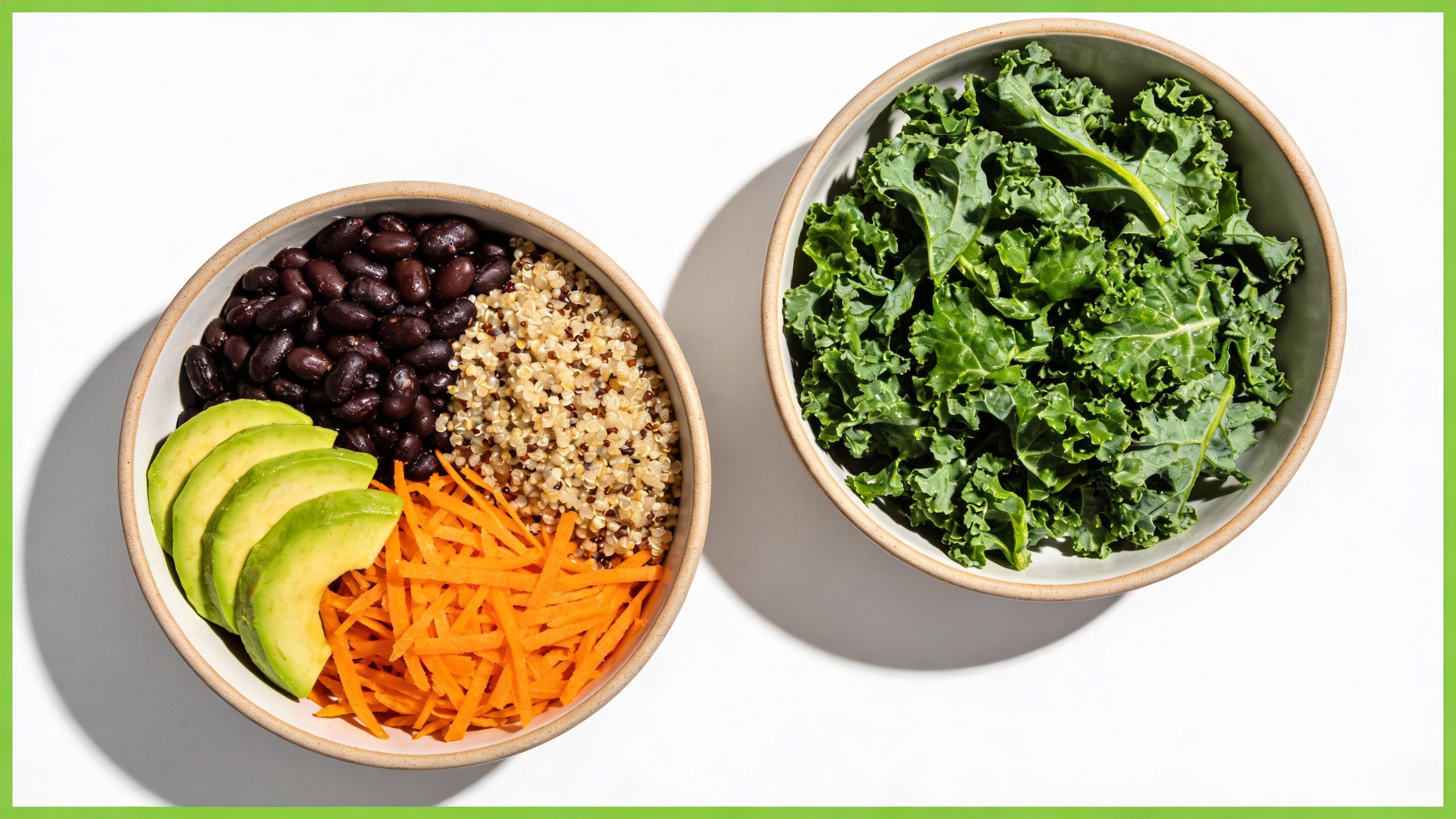
Have you ever wondered why even the most nutrient-packed plant meals sometimes leave you feeling fatigued? That was me last year, despite eating kale, beans, and oats religiously. Turns out, it’s not just about what you eat, but what you pair it with. This post explores how adding a pinch of vitamin C-rich foods to your meals can supercharge your iron absorption—sometimes by up to ten times! Let's dive into the science and practical tips that transformed my plant-based nutrition game.
Why Iron Absorption Matters on a Plant-Based Diet
If you follow a plant-based diet, understanding iron absorption is crucial for your health. Unlike animal-based foods that contain heme iron, plants provide non-heme iron, which is absorbed less efficiently by the body. This difference can put you at a higher risk for iron deficiency anemia, especially if you eat a 100% plant-based diet.
Non-Heme Iron vs. Heme Iron: The Absorption Challenge
Iron in food comes in two forms: heme iron (found in meat, poultry, and fish) and non-heme iron (found in beans, lentils, spinach, oats, and other plant foods). Your body absorbs heme iron much more easily. In fact, the absorption rate for non-heme iron ranges from just 0.7% to 23%, while heme iron is absorbed at a much higher rate.
This means that even if you eat plenty of iron-rich plant foods, your body may not be getting enough iron. As a result, experts recommend that people on a plant-based diet aim for about 1.8 times the recommended daily iron intake compared to those who eat animal products.
Iron Deficiency Anemia: A Real Risk for Plant-Based Eaters
Research from the UK Biobank study has shown that people who follow a 100% plant-based diet have higher rates of iron deficiency anemia compared to those who include animal products in their meals. This is because non-heme iron is not only less efficiently absorbed, but it is also more affected by other dietary factors that can either help or hinder its uptake.
Vitamin C: The Key to Boosting Non-Heme Iron Bioavailability
The good news is that you can dramatically improve your body’s ability to absorb non-heme iron by pairing your meals with vitamin C-rich foods. Scientific studies have shown that adding just 50 to 100 milligrams of vitamin C to a meal can increase non-heme iron absorption by 3 to 6 times, and in some cases, even up to 10 times.
Vitamin C works by converting ferric iron (Fe³⁺), which is less absorbable, into ferrous iron (Fe²⁺), the form your intestines can absorb more easily. This simple combination can make a huge difference in your iron status, especially if you rely on plant foods for your iron intake.
- Examples of vitamin C-rich foods to pair with iron sources:
- One medium orange or a handful of strawberries with your oatmeal
- Half a cup of raw red bell pepper on top of bean stew
- A cup of broccoli or a squeeze of lemon juice with spinach and chickpeas
By understanding the unique challenges of plant-based diet iron absorption and using vitamin C to your advantage, you can greatly reduce your risk of iron deficiency anemia and support your overall health.
Simple Vitamin C Additions That Amplify Your Meal’s Iron Power
When you enjoy plant-based iron foods like lentils, beans, spinach, or whole grains, your body absorbs only a small fraction of their non-heme iron. But there’s a simple, science-backed way to change that: add Vitamin C rich foods to your meals. Studies show that just 50-100 mg of vitamin C per meal can boost iron absorption three to ten times, making a huge difference for your energy and overall health.
How Vitamin C Enhances Iron Absorption
Vitamin C (ascorbic acid) transforms plant-based iron into a form your body can absorb much more easily. This means that pairing Vitamin C rich fruits and vegetables with legumes, grains, or leafy greens can dramatically increase the amount of iron you get from your food. In fact, research shows that 50-100 mg of vitamin C per meal can triple to decuple (3-10x) your iron absorption, especially in meals based on grains or legumes.
Everyday Vitamin C Rich Foods to Add
- Oranges: One medium orange delivers about 70 mg of vitamin C.
- Strawberries: A handful (about 5-6 berries) offers roughly 50 mg.
- Red Bell Pepper: Just half a cup of chopped raw red bell pepper contains about 95 mg.
- Kiwi: One medium kiwi has around 64 mg.
- Broccoli: Half a cup of cooked broccoli provides about 50 mg.
- Lemon Juice: The juice of one lemon adds around 18 mg, but it’s very effective when drizzled over meals.
Practical Pairings: Vitamin C & Plant-Based Iron Foods
It’s easy to enhance your meal’s iron power with these simple combinations:
- Legumes Iron Content + Bell Peppers: Add chopped red bell pepper to black bean tacos or lentil salads for a colorful, vitamin C-rich boost.
- Spinach & Citrus: Toss fresh orange segments or a squeeze of lemon juice into a spinach salad. This not only brightens the flavor but also multiplies iron absorption.
- Chickpea Curry & Lemon: Stir in fresh lemon juice at the end of cooking your chickpea curry. The vitamin C helps your body absorb the iron from chickpeas and spices.
- Oatmeal & Strawberries: Top your morning oats with sliced strawberries or kiwi for a naturally sweet, iron-boosting breakfast.
- Broccoli & Tofu Stir-Fry: Combine broccoli with tofu or tempeh in a stir-fry. The vitamin C in broccoli supports iron uptake from soy products.
Real-World Results: The Power of Strawberries
Strawberries are more than just a tasty treat. In one remarkable study, participants with pre-cancerous lesions ate 20 strawberries a day. The results were nothing short of amazing, showing the powerful impact of vitamin C rich foods on health and nutrient absorption. Even a handful of strawberries with your meal can make a significant difference in iron absorption enhancement.
By making these simple additions, you can transform your plant-based meals into iron powerhouses—naturally and deliciously.
Beware: What Can Block Iron Absorption and How to Navigate It
While adding vitamin C to your plant-based meals can dramatically boost iron absorption, it’s equally important to be aware of iron absorption inhibitors that can undo your hard work. Among the most common and powerful inhibitors are certain drinks you might enjoy daily—coffee and tea. Understanding how these drinks affect gastrointestinal iron absorption and learning how to time your beverages can make a significant difference in your iron status.
How Polyphenols in Coffee and Tea Inhibit Iron Absorption
The main culprits in coffee and tea are compounds known as polyphenols, specifically tannins and chlorogenic acid. These substances bind to non-heme iron (the type of iron found in plant foods like beans, spinach, and oats) in your digestive tract, making it much harder for your body to absorb. Research shows that drinking a cup of coffee or tea with your meal can reduce iron absorption by anywhere from 39% to 90%. This effect is so strong that even a single cup can have a major impact on how much iron your body takes in from a meal.
Key Iron Absorption Inhibitors to Watch For:
- Coffee: Contains high levels of polyphenols, especially chlorogenic acid, which strongly inhibit iron uptake.
- Tea (black, green, herbal): Rich in tannins, another group of polyphenols that bind to iron and block absorption.
- Cocoa and some herbal infusions: Can also contain polyphenols that may reduce iron absorption, though to a lesser extent than coffee and tea.
Smart Timing: When to Enjoy Your Coffee or Tea
Fortunately, you don’t have to give up your favorite beverages to protect your iron levels. The key is timing. Studies suggest that if you wait 1 to 2 hours after eating before drinking coffee or tea, the inhibitory effect on gastrointestinal iron absorption is greatly reduced. This simple adjustment allows your body to absorb more iron from your meal before the polyphenols have a chance to interfere.
“If you consume a cup of coffee or tea alongside your morning oatmeal, iron absorption can be reduced by anywhere from 39 to 90%.” — Dr. Michael Greger
Practical Tips to Navigate Iron Absorption Inhibitors:
- Separate your drinks from meals: Enjoy coffee or tea at least 1-2 hours after eating, not with your meal.
- Pair iron-rich foods with vitamin C: Continue adding oranges, strawberries, bell peppers, or broccoli to meals to maximize iron uptake.
- Be mindful of other polyphenol-rich drinks: Herbal teas and cocoa can also inhibit iron absorption, so consider their timing as well.
By understanding the role of polyphenols in iron absorption and making small changes to your routine, you can support your body’s ability to absorb iron from plant-based meals. This approach complements the strategy of maximizing vitamin C intake and helps you avoid the common pitfall of iron deficiency on a plant-based diet.
Beyond Iron: The Surprising Power of Vitamin C-Rich Foods in Disease Prevention
While much attention is given to the role of vitamin C-rich foods in boosting iron absorption from plant-based iron sources, their benefits extend far beyond improving ferritin levels. Recent research, including studies highlighted by Dr. Michael Greger, reveals that these foods can play a significant role in chronic disease prevention, making them a powerful addition to any plant-based meal plan.
One of the most compelling examples comes from a study where participants with pre-cancerous lesions were given 20 strawberries a day. The results were promising: not only did the strawberries provide a substantial dose of vitamin C, but their rich antioxidant content also contributed to improvements in the participants’ health. This study underscores the idea that strawberries—and other foods high in vitamin C—offer more than just enhanced iron absorption; they may actively help reduce cancer risk and support overall health.
Strawberries are particularly noteworthy because they are packed with both vitamin C and potent antioxidants. These antioxidants help neutralize free radicals in the body, which are unstable molecules that can damage cells and contribute to the development of chronic diseases, including cancer and heart disease. By incorporating strawberries and other vitamin C-rich foods such as oranges, kiwi, red bell peppers, and broccoli into your daily meals, you are not only improving your body’s ability to absorb non-heme iron from plant-based sources but also tapping into a broader spectrum of health benefits.
The antioxidant activity found in vitamin C-rich foods is a key factor in their disease-preventing power. Antioxidants support your immune system, reduce inflammation, and protect against oxidative stress, which is linked to a variety of chronic conditions. This means that the simple act of adding a handful of strawberries to your oatmeal or a cup of broccoli to your curry does more than just boost your iron status—it actively contributes to your long-term health and well-being.
It is also important to remember that the synergy between vitamin C and plant-based iron sources is just one example of how thoughtful food combinations can enhance the nutritional value of your meals. By making small, intentional additions—like a squeeze of lemon juice over your beans or a serving of fresh fruit with your breakfast—you can significantly improve your ferritin levels and support your body’s defenses against disease.
In conclusion, the power of vitamin C-rich foods goes well beyond their ability to improve iron absorption. They offer a multifaceted approach to health, supporting antioxidant activity, reducing the risk of chronic diseases, and helping you get the most out of your plant-based meals. As research continues to uncover the many ways our diet influences our health, it becomes clear that simple choices—like adding strawberries to your plate—can have a profound impact on your well-being. Embrace these foods not just for their role in iron metabolism, but for their broader contributions to disease prevention and overall vitality.
TL;DR: Adding vitamin C-rich fruits or veggies like oranges, bell peppers, or strawberries to your plant-based meals can dramatically boost iron absorption, helping prevent deficiency anemia, especially for vegans.
Comments
Post a Comment