Cognitive performance shapes much of what we do each day. It affects how we learn, solve problems, remember things, and react to our environment. People often talk about “brain power,” but cognitive performance goes deeper. It includes many mental abilities, such as attention, memory, processing speed, flexibility, and reasoning.
For students, workers, athletes, and anyone wanting to improve their mind, understanding cognitive performance is important. This article will explain what cognitive performance is, how it works, why it matters, and how you can boost it in your daily life.
What Is Cognitive Performance?
Cognitive performance means how well your mind works. It is not just about being “smart” or getting high grades. It covers several types of thinking skills. These include:
- Attention: Focusing on one thing while ignoring distractions.
- Memory: Storing and recalling information when needed.
- Executive function: Planning, organizing, and managing tasks.
- Processing speed: How quickly you handle information.
- Reasoning: Making sense of ideas or problems.
A person with strong cognitive performance can learn new things faster, adapt to changes, and solve problems more easily. These skills are important in school, at work, and in daily life.
Key Components Of Cognitive Performance
Understanding the main parts of cognitive performance helps you see where your strengths and weaknesses lie. Each part plays a unique role in how your mind works.
1. Attention
Attention is your ability to focus on something specific. There are several types:
- Sustained attention: Staying focused over time (for example, listening to a long lecture).
- Selective attention: Ignoring distractions (like working in a noisy room).
- Divided attention: Managing multiple tasks at once (such as driving and talking).
Weak attention leads to mistakes and missed information. For example, a study in the journal *Nature* showed that students who checked their phones during class scored lower on tests.
2. Memory
Memory helps you store and retrieve information. There are three main types:
- Short-term memory: Holding small amounts of information for a short time.
- Working memory: Using information while doing tasks (such as solving math problems in your head).
- Long-term memory: Storing information for days, months, or years.
Good memory is essential for learning languages, remembering names, or following instructions.
3. Executive Function
Executive function is about control and planning. It helps you:
- Organize tasks
- Switch between ideas
- Stop yourself from acting on impulse
People with strong executive function can manage their time well and adapt when plans change.
4. Processing Speed
Processing speed is how fast you understand and react to information. In sports, for example, fast processing speed lets you respond quickly. In school, it helps you finish tests on time.
5. Reasoning And Problem-solving
Reasoning skills help you understand new information, see patterns, and make decisions. Problem-solving uses these skills to find answers in new situations.
Factors That Affect Cognitive Performance
Many things can influence how well your brain works. Some are in your control, while others are not.
1. Age
As people get older, some cognitive skills may slow down. For example, processing speed and memory often decline with age. However, experience and knowledge can help older adults perform well in many areas.
2. Genetics
Your genes set the foundation for your brain’s abilities. Some people are naturally better at certain skills. However, practice and healthy habits can improve performance for almost everyone.
3. Sleep
Sleep is critical for cognitive function. Lack of sleep can reduce attention, memory, and decision-making ability. Research shows that students who sleep less than 7 hours have lower grades and slower reaction times.
4. Nutrition
Your brain needs energy and nutrients. Diets low in omega-3 fatty acids, vitamins, or minerals can harm memory and focus. For example, low iron levels are linked to poor attention in children.
5. Physical Activity
Exercise increases blood flow to the brain. Studies have found that regular aerobic exercise (like walking or swimming) improves memory and slows age-related decline.
6. Stress
Chronic stress releases hormones that can damage brain cells and reduce memory. Mindfulness and relaxation techniques can help reduce stress and protect your cognitive performance.
7. Mental Health
Conditions like depression or anxiety can make it harder to focus, remember, or solve problems. Treating mental health issues often leads to better cognitive skills.
8. Environment
Noise, pollution, and even lighting can affect how well your brain works. A quiet, organized space helps you focus and think clearly.
9. Technology Use
Frequent multitasking with phones or computers can weaken attention and memory. Setting limits on screen time may improve focus.
Measuring Cognitive Performance
People often wonder how to measure their mental abilities. There are several ways:
Cognitive Tests
Psychologists use special tests to measure attention, memory, and other skills. Some common tests include:
- Stroop Test: Measures attention and processing speed.
- Digit Span Test: Measures working memory.
- Trail Making Test: Checks mental flexibility and speed.
Real-life Performance
Teachers, coaches, or managers may notice changes in your performance. For example, missing deadlines or forgetting details may signal lower cognitive performance.
Self-assessment
Many people use brain-training apps or online quizzes. While these can be fun, they are not always accurate. For best results, talk to a professional if you have concerns.
Ways To Improve Cognitive Performance
Boosting brain function is possible for most people. Here are some proven strategies.
1. Get Enough Sleep
Aim for 7-9 hours each night. Good sleep helps your brain process memories and clear waste. Try to keep a regular sleep schedule, even on weekends.
2. Eat Brain-healthy Foods
Focus on foods rich in omega-3s (like fish), antioxidants (berries, nuts), and vitamins (leafy greens, eggs). Avoid too much sugar and processed foods, which can harm memory.
3. Stay Physically Active
Aerobic exercise, such as brisk walking, cycling, or swimming, increases brain growth factors. Strength training and yoga also support mental health.
4. Practice Mindfulness
Meditation, deep breathing, and yoga reduce stress and improve attention. Even 10 minutes a day can make a difference.
5. Train Your Brain
Puzzles, reading, learning new skills, or playing strategy games strengthen your mind. Try activities outside your comfort zone to create new connections.
6. Manage Stress
Use relaxation techniques, hobbies, and social support to cope with stress. Chronic stress hurts memory and focus.
7. Stay Connected
Social interaction stimulates your brain. Talking with friends, joining clubs, or volunteering can keep your mind sharp.
8. Limit Multitasking
Focus on one task at a time. This improves attention and reduces errors. Turn off phone notifications or block distracting websites during work.
9. Treat Health Issues
Manage blood pressure, diabetes, and mental health. These conditions can affect blood flow and brain cells.
10. Take Breaks
Short breaks during work or study help your brain recover. Try the Pomodoro Technique: work for 25 minutes, then rest for 5 minutes.
The Role Of Technology In Cognitive Performance
Technology can help or harm your mental skills, depending on how you use it.
Benefits
- Brain-training apps: Some apps challenge your memory or reasoning.
- Assistive tools: Reminders, calendars, and note apps help you stay organized.
Risks
- Distraction: Too many alerts or switching between apps can reduce attention.
- Over-reliance: Always using GPS, calculators, or spell check may weaken mental skills.
Balanced Use
Set limits on screen time and try “tech-free” periods each day. Use technology as a tool, not a replacement for thinking.
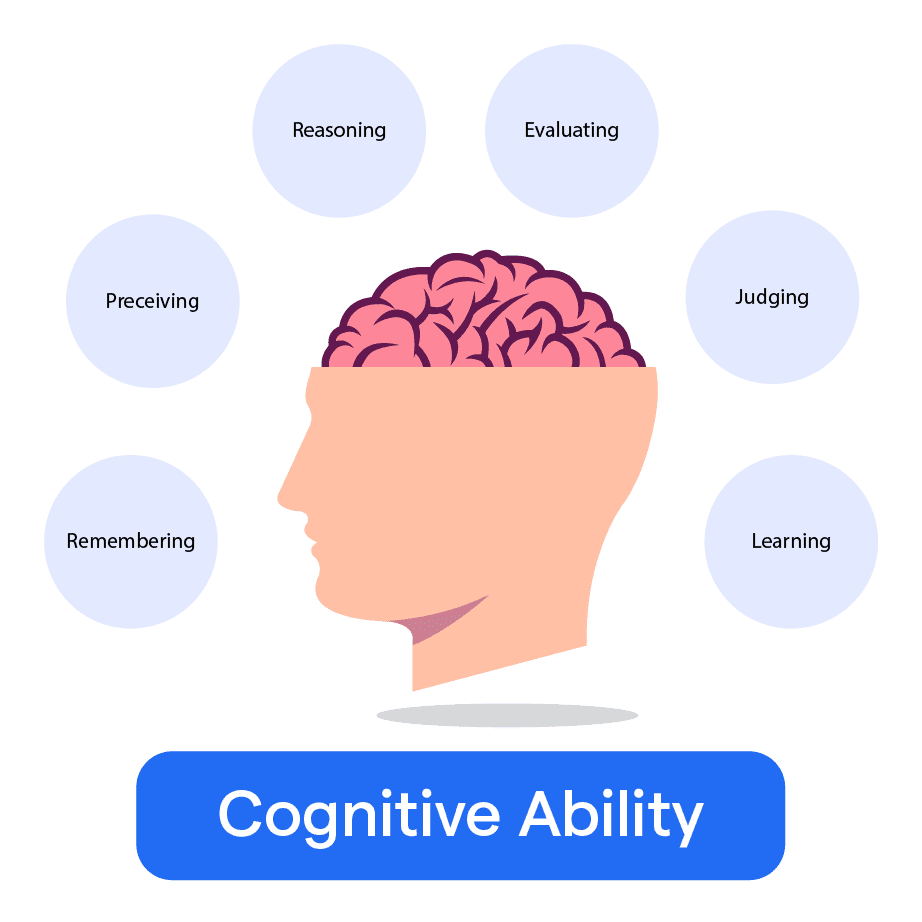
Credit: botpenguin.com
Cognitive Performance In Different Ages
Cognitive performance changes across life stages. Each stage brings unique strengths and challenges.
Children And Teens
Young brains are flexible and learn quickly. However, they may struggle with planning or impulse control. Good sleep, nutrition, and study habits are important.
Adults
Adults reach peak cognitive performance between ages 20 and 30. After this, some skills may slowly decline. Staying mentally and physically active helps maintain abilities.
Older Adults
Aging can slow memory and processing speed. However, wisdom and experience grow. Learning new things and staying social can delay decline.
Below is a comparison of cognitive strengths at different ages:
| Age Group | Strengths | Challenges |
|---|---|---|
| Children (6-12) | Fast learning, creativity | Poor impulse control |
| Teens (13-19) | Memory, adaptability | Risk-taking, emotion control |
| Young Adults (20-35) | Peak processing speed | Stress management |
| Middle-aged (36-60) | Experience, problem-solving | Slower learning new skills |
| Older Adults (60+) | Wisdom, verbal knowledge | Memory decline, slower speed |
Common Myths About Cognitive Performance
Many people believe things about the brain that are not true. Here are a few myths and the facts:
Myth 1: You Only Use 10% Of Your Brain
Fact: Brain scans show that almost all parts are active at different times. You use your whole brain every day.
Myth 2: Brain Games Make You Smarter
Fact: Brain games may improve the specific skills they train, but they do not always make you better at other tasks. Real-life learning and activities are more effective.
Myth 3: Intelligence Cannot Change
Fact: The brain can grow new connections at any age. This is called neuroplasticity. Learning new things and healthy habits can boost performance.
Myth 4: Multitasking Is Efficient
Fact: The brain works best focusing on one thing at a time. Multitasking often leads to more mistakes and slower results.

Credit: www.neurotrackerx.com
Cognitive Performance In School And Work
Strong cognitive performance is key to success in school and at work. Here’s how it matters in each setting.
In School
Students with strong memory, attention, and reasoning learn faster and score better on tests. Teachers can help by:
- Giving clear instructions
- Breaking tasks into steps
- Allowing short breaks
Teaching students how to organize their time and study effectively also boosts performance.
At Work
In the workplace, good cognitive skills lead to better decision-making, fewer mistakes, and higher productivity. Employers often look for:
- Problem-solving skills
- Adaptability
- Clear communication
Training, feedback, and healthy work habits can support mental performance.
Example: Productivity And Cognitive Skills
A study by the World Health Organization found that workers with poor mental health are less productive and miss more days of work. Investing in cognitive training and well-being can improve results for both employees and companies.
How Health Conditions Affect Cognitive Performance
Some medical issues can lower cognitive abilities. It is important to know the signs and seek help early.
1. Dementia And Alzheimer’s
These are diseases that cause memory loss and confusion, mostly in older adults. Early treatment can slow progress.
2. Stroke
A stroke can damage parts of the brain. This may affect speech, movement, or memory. Rehabilitation can help regain skills.
3. Brain Injuries
Injuries from accidents or sports can cause lasting problems with attention, memory, or mood.
4. Mental Health Conditions
Depression, anxiety, or ADHD can make it harder to focus or remember. Treatment and therapy often help.
5. Chronic Illness
Conditions like diabetes or high blood pressure can reduce blood flow to the brain, affecting performance. Managing these conditions is important for brain health.

Credit: www.predictiveindex.com
Nutrition And Cognitive Performance
What you eat makes a big difference in how your brain works. Here is a look at some foods that help or hurt cognitive performance.
| Food Type | Effect on Cognition | Examples |
|---|---|---|
| Omega-3 Rich Foods | Boosts memory, focus | Salmon, walnuts, flaxseed |
| Antioxidant-Rich Foods | Protects brain cells | Berries, dark chocolate, spinach |
| Processed Sugars | Reduces attention, energy crashes | Soda, candy, pastries |
| Caffeinated Drinks | Improves alertness (short-term) | Coffee, tea |
| Whole Grains | Steady energy for the brain | Oats, brown rice, quinoa |
For more science-based nutrition tips, see this Harvard resource on brain foods.
Cognitive Training: Does It Work?
Many products promise to boost your brain power. But does cognitive training really help?
What The Research Says
- Brain-training apps: Some apps can improve memory and attention for the specific tasks they train. However, these skills may not transfer to other areas of life.
- Real-world activities: Learning new languages, playing musical instruments, or trying new hobbies challenge your brain in many ways. These activities have stronger evidence for improving overall cognitive performance.
Example Of Effective Training
Learning to play chess or a musical instrument involves memory, attention, planning, and problem-solving. These activities build connections in the brain that support many types of thinking.
Two Insights Beginners Miss
- Challenge Matters: Easy tasks do not boost your brain much. Real improvement comes from activities just outside your comfort zone.
- Regular Practice: Short, daily practice is more effective than long, rare sessions. Consistency builds lasting skills.
Sleep, Rest, And Cognitive Performance
Sleep is often overlooked but is critical for mental function.
Why Sleep Is Important
- Memory consolidation: Sleep helps the brain store new memories.
- Attention and alertness: Tired brains are slower and make more mistakes.
- Problem-solving: Many people find creative answers after a good night’s sleep.
Tips For Better Sleep
- Keep a regular sleep schedule
- Avoid screens before bed
- Make your bedroom dark and quiet
Even short naps (15-30 minutes) can refresh your mind during the day.
The Impact Of Stress On The Brain
Stress can be helpful in small doses but harmful if it lasts too long.
How Stress Affects Cognitive Performance
- Short-term stress: Can improve focus and energy.
- Chronic stress: Damages brain cells, reduces memory, and makes it harder to think clearly.
Reducing Stress
- Practice deep breathing or meditation
- Exercise regularly
- Connect with friends or family
- Take breaks during work
Learning to manage stress is as important as training your brain.
Building A Daily Cognitive Performance Routine
To see real improvement, build habits into your routine. Here is a sample daily plan:
- Morning: Eat a healthy breakfast, take a short walk, and plan your day.
- Midday: Focus on one important task at a time, take short breaks, and eat a balanced lunch.
- Afternoon: Try a brain-challenging activity (like a puzzle or new skill), limit multitasking, and stay hydrated.
- Evening: Relax with friends or family, review your day, and prepare for restful sleep.
Consistency is the key. Small daily actions add up to big results over time.
Frequently Asked Questions
What Is The Most Important Factor For Good Cognitive Performance?
Sleep is often the most important. Without enough rest, memory, attention, and problem-solving all suffer.
Can Diet Really Improve My Cognitive Performance?
Yes. Foods with omega-3s, antioxidants, and vitamins support brain health. A poor diet can quickly reduce focus and memory.
How Long Does It Take To See Improvements In Cognitive Performance?
Most people notice small changes in 2-4 weeks if they practice regularly. Big changes take months of consistent effort.
Are Brain-training Games Worth It?
Some games may help with specific skills, but real-life activities and learning new things have more benefits for overall brain power.
Can I Improve My Cognitive Performance At Any Age?
Absolutely. The brain can grow new connections at any age. Regular learning, healthy habits, and social activity support strong mental skills for life.
---
Cognitive performance touches every part of our lives. From school and work to daily decisions, a strong mind helps us achieve more and feel better. The good news is that everyone can improve their cognitive performance, no matter where they start.
By focusing on sleep, nutrition, exercise, stress management, and challenging your brain, you build a foundation for lifelong mental strength. Stay curious, keep learning, and take care of your brain—because your mind is your most valuable tool.
Comments
Post a Comment