
Did you ever think your feet could tell you something about your liver health? I certainly didn’t until I stumbled upon this fascinating connection. As a health enthusiast, I love bridging seemingly distant topics, and this one caught my attention like a spark in a dark room. Join me as we delve into how our feet could be the unsung heroes in understanding liver function!
Understanding the Connection Between Feet and Liver Health
When we think about liver health, our minds often jump straight to blood tests or abdominal ultrasounds. But what if I told you that your feet could reveal important clues about how well your liver is functioning? This might sound surprising at first, but the connection between liver health and foot indicators offers a fascinating glimpse into the body’s interconnected systems and highlights why a holistic approach to health is so crucial.
The Liver: More Than Just an Organ
The liver is one of the most hardworking organs in our body. It acts as a powerful detoxifying machine, filtering toxins from our blood, metabolizing nutrients, producing bile for digestion, regulating hormones like estrogen, and even helping control blood sugar levels. Because it plays such a central role in maintaining balance across multiple systems, any dysfunction can ripple through the body in unexpected ways—including changes visible on your feet.
Foot Indicators: Windows Into Liver Function
You might wonder how exactly foot conditions relate to liver problems. The answer lies in how liver dysfunction affects circulation, nutrient absorption, hormone levels, and toxin buildup—all of which can manifest visibly or physically in your lower legs and feet.
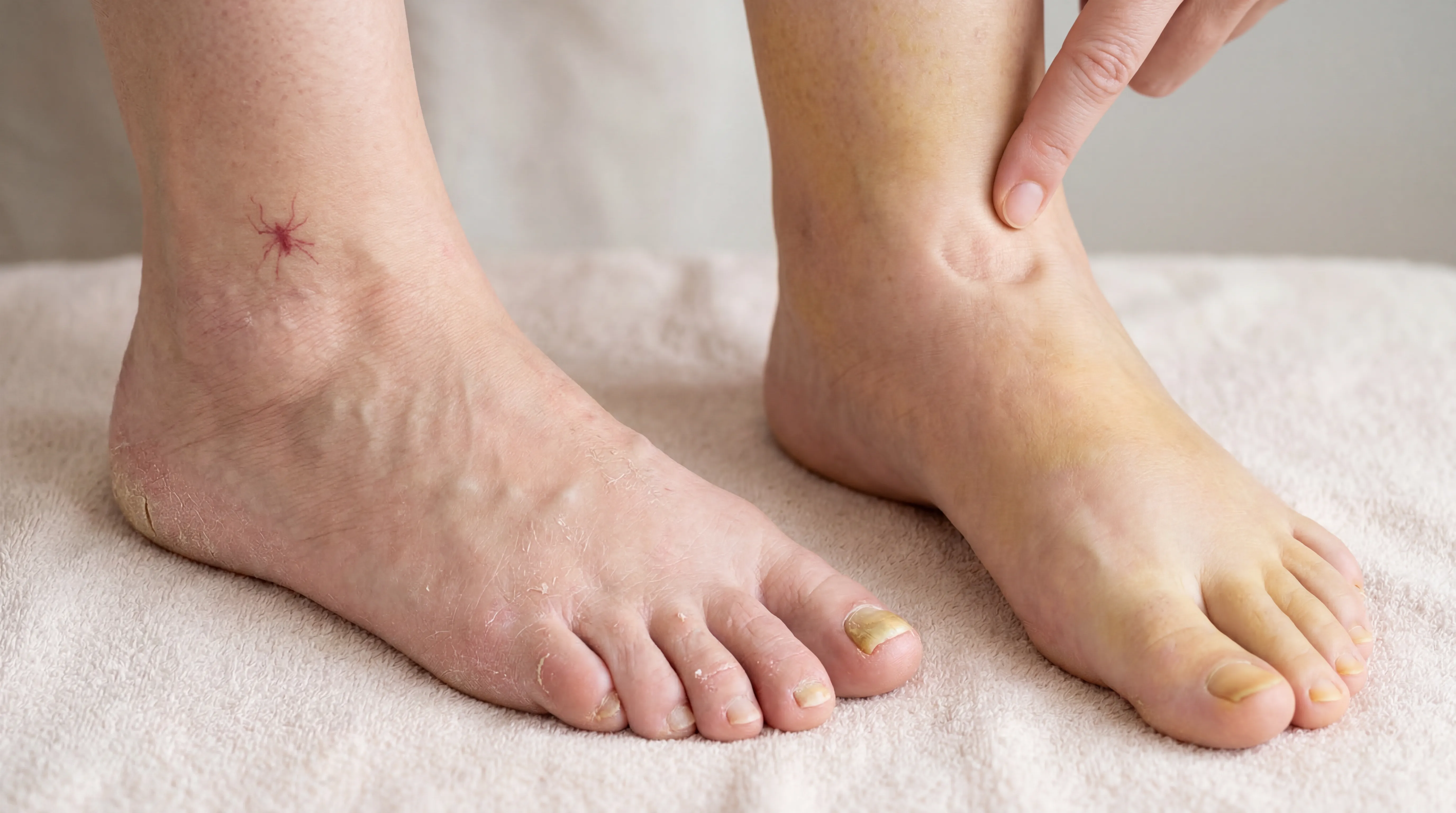
Purple or red dots: These are often caused by leaky blood vessels due to low platelet counts (thrombocytopenia), commonly seen in advanced liver disease.
Spider angiomas: These spider-like clusters of red blood vessels appear when estrogen levels rise because the damaged liver cannot regulate hormones properly.
Cracked heels: A sign of vitamin B3 deficiency linked to poor bile production from liver issues affecting fat-soluble vitamin absorption.
Dry, scaly skin and persistent itchiness: These symptoms may indicate omega-3 deficiencies or cholestasis—where bile flow is impaired causing toxins to enter the bloodstream.
Numbness or pain: Peripheral neuropathy related to insulin resistance can be connected back to compromised liver function.
Pitting edema: Swelling with indentations after pressing suggests fluid imbalance due to insufficient protein production by the liver.
This list only scratches the surface but illustrates how closely linked foot signs are with internal organ health—especially that of the liver.
The Importance of Holistic Health Assessments
The medical field today tends toward specialization. Podiatrists focus on foot care while hepatologists treat liver diseases. While this expertise is valuable, it sometimes leads us to miss broader connections within our bodies. For example, a podiatrist might treat cracked heels without considering underlying nutritional deficiencies caused by poor liver function. Similarly, a hepatologist may overlook peripheral symptoms like foot numbness that could signal worsening insulin resistance tied back to the liver’s metabolic role.
"Understanding how different parts of our body communicate helps us take better care of ourselves."
A holistic health assessment means looking beyond isolated symptoms and recognizing patterns that span multiple systems. When we pay attention not just to what’s happening inside but also what shows up externally—like changes in our feet—we gain deeper insight into overall wellbeing and potential warning signs before serious damage occurs.
A Common Misconception: Body Specialization vs Interconnectedness
A major misconception arises from viewing organs as separate entities rather than components of an integrated whole. This fragmented perspective can delay diagnosis or lead patients down unnecessary treatment paths without addressing root causes. For instance:
Treating foot fungus alone without investigating gut microbiome imbalances linked with impaired detoxification by the liver;
Dismissing persistent itching as just dry skin instead of considering cholestasis;
Ineffectively managing swelling without recognizing hypoalbuminemia caused by reduced protein synthesis in diseased livers.
The truth is that every system influences another—our bodies are complex networks where one organ’s dysfunction often signals broader systemic issues. Recognizing this interconnectedness empowers us not only with knowledge but also practical steps toward prevention and healing through lifestyle choices supporting both feet and liver simultaneously.
Liver Health Through Foot Clues: A New Perspective
I’ve come across many individuals who were unaware their foot conditions reflected deeper internal imbalances until they learned about these connections firsthand. By observing subtle changes like discoloration or texture shifts on their feet alongside other symptoms such as fatigue or digestive troubles, they began exploring dietary adjustments and detoxification strategies focused on improving their hepatic function—and saw remarkable improvements over time.
This approach underscores why paying attention to seemingly unrelated signs matters greatly when it comes to maintaining optimal health.
Your Feet Tell a Story About Your Liver
If you notice unusual spots on your lower legs or experience chronic dryness or swelling around your ankles—even mild numbness—it’s worth considering these as potential indicators related to your liver's condition rather than isolated problems confined solely within your feet.
Taking this holistic view bridges gaps between specialties while fostering greater awareness about how lifestyle factors impact multiple bodily functions simultaneously—including those critical for effective detoxification carried out by your amazing liver.

Key Indicators of Liver Problems in Your Feet
When it comes to understanding liver health, many of us overlook the clues our feet can provide. As I’ve learned through experience and research, the feet often reveal subtle and not-so-subtle signs that point toward underlying liver dysfunction. Today, let’s explore some key indicators visible on your feet—ranging from spider angiomas to pitting edema—that could signal trouble with your liver.
Visible Signs: Spider Angiomas and Dry Skin
One of the most recognizable signs linked to liver issues is spider angiomas. These are small, spider-like clusters of red blood vessels that appear just beneath the skin’s surface. You might notice them scattered around your lower legs or feet. Medically, spider angiomas are connected to elevated estrogen levels in the body—a hormone imbalance often caused by liver dysfunction. Since a healthy liver helps regulate hormones like estrogen, any disruption can lead to these visible red marks.
Alongside spider angiomas, dry skin signs on your feet should not be ignored. Dry, scaly patches may indicate deficiencies in essential nutrients such as omega-3 fatty acids or fat-soluble vitamins like A, D, E, and K. The liver plays a crucial role in producing bile necessary for absorbing these vitamins; when its function declines, nutrient absorption suffers. This deficiency often manifests as dry or flaky skin on the lower legs and feet.
The Story Behind Red Dots and Bruising
You might also observe purple or brown dots appearing on your legs and feet—these are caused by tiny blood vessels leaking under the skin due to low platelet counts (a condition called thrombocytopenia). Thrombocytopenia is common in advanced liver disease because the damaged liver cannot produce enough clotting factors. These spots can easily be mistaken for bruises but serve as an important visual cue about your liver’s health.
Subtle Signs: Cracked Heels and Toenail Fungus
Cracked heels, while often dismissed as a simple cosmetic issue or dryness from weather changes, can actually point toward a vitamin B3 (niacin) deficiency related to poor liver function. Niacin deficiency may range from mild forms up to pellagra—a serious condition characterized by dermatitis among other symptoms. The connection lies in how an impaired liver struggles with bile production needed for fat digestion and vitamin absorption.
Nail fungus, another subtle sign appearing on toes or toenails, might surprise you as a potential indicator of liver problems too. A well-functioning liver supports gut health by maintaining microbial balance; when this balance tips off due to compromised detoxification capacity of the liver, fungal infections become more likely.
Painful Numbness: Peripheral Neuropathy Link
If you experience pain or numbness in your feet alongside other symptoms mentioned here, it could be peripheral neuropathy—a nerve disorder frequently associated with insulin resistance and diabetes linked back to poor liver health.
Severe Indicators: Pitting Edema and Discoloration
Pitting edema, where pressing on your leg leaves an indentation that stays for several seconds before rebounding back into place, is one of the more serious signs indicating possible liver insufficiency. This symptom arises because a failing liver disrupts fluid balance within the body causing swelling especially noticeable around ankles and lower legs.
Darker discoloration of urine combined with lighter stools along with persistent itchiness—especially around your feet—can suggest cholestasis (a bile flow blockage). This condition allows bile acids into circulation leading to itching sensations while also signaling significant hepatic distress.
Liver Dysfunction Sign | Description & Foot Indicator |
|---|---|
Spider Angiomas | Red spider-like blood vessels linked with estrogen imbalance visible near ankles/feet. |
Pitting Edema | Swelling causing indentations after pressure; indicates fluid retention due to poor liver function. |
Dry Skin Signs | Dull/scaly foot skin pointing toward nutrient malabsorption from impaired bile production. |
Cracked Heels (B3 Deficiency) | Crumbling heel cracks associated with niacin deficiency affecting skin integrity. |
Nail Fungus & Corns | Might reflect gut microbiome imbalance tied closely with hepatic detoxification roles. |
Purple/Brown Dots (Thrombocytopenia) | Tiny bruises caused by leaky capillaries due to low platelets common in advanced disease stages. |
The Bigger Picture: Why Your Feet Matter for Liver Health Awareness
I’ve come across many patients who initially ignored these foot symptoms until they worsened significantly—and only then did they seek medical advice revealing underlying severe hepatic problems. Many visible symptoms can warn about underlying liver issues long before other organs show distress signals.
This interconnectedness between foot conditions like cracked heels or spider angiomas and systemic issues such as hormone imbalances or nutrient deficiencies highlights why paying attention matters so much.
Your feet essentially act as windows reflecting what’s happening inside your body—especially concerning vital organs like the liver responsible for detoxification and metabolism regulation.
If you notice any combination of these signs—red dots appearing on legs/feet; persistent dry patches; unexplained swelling; cracked heels—it’s worth considering further evaluation focused on improving overall hepatic health alongside routine podiatric care.
Taking Action: What You Can Do to Support Liver Health
After exploring how the condition of your feet can reveal important clues about your liver health, you might be wondering what practical steps you can take to support this vital organ. The liver plays a crucial role in detoxifying our bodies, regulating hormones, and processing nutrients. Taking care of it requires a holistic approach that includes mindful dietary choices, lifestyle adjustments, and awareness of potential risks.
One of the most impactful changes you can make is adopting a liver-friendly diet. This means reducing your intake of sugar and refined carbohydrates, which are notorious for contributing to fat buildup in the liver. Excess sugar consumption not only strains the liver but also increases the risk of insulin resistance—a condition closely linked to liver dysfunction. By cutting back on sugary drinks, sweets, and processed snacks, you give your liver a much-needed break from constant sugar overload.
Equally important is avoiding foods that are heavily processed or laden with additives. Fast food and junk food often contain unhealthy fats and hidden sugars that worsen liver stress. Corn-derived ingredients like high-fructose corn syrup are especially problematic because they lack essential nutrients such as vitamin B3 (niacin) and tryptophan—both critical for skin health and overall metabolism. Given that many processed foods contain these hidden sources of corn, being vigilant about ingredient labels can help protect your liver.
Avoiding alcohol is another cornerstone in supporting liver health. While some people believe moderate drinking has benefits, alcohol places significant demands on the liver’s detoxification pathways. It depletes vital nutrients like B vitamins and impairs bile production—the fluid necessary for digesting fats and absorbing fat-soluble vitamins. For anyone noticing signs related to their feet or overall wellbeing that hint at compromised liver function, eliminating alcohol can be transformative.
Medications also deserve careful consideration since many drugs are metabolized by the liver and can add to its workload or cause damage over time. If you find yourself taking multiple medications regularly, it’s wise to discuss alternatives with your healthcare provider or explore natural remedies when appropriate. This proactive approach helps prevent unnecessary strain on your liver while still managing your health conditions effectively.
Incorporating fresh, unprocessed foods into your meals supports not only your liver but also enhances holistic health improvements throughout your body. Cruciferous vegetables like broccoli, cauliflower, Brussels sprouts, and kale are particularly beneficial due to their sulfur compounds that aid in detoxification processes within the liver cells. Additionally, herbs such as milk thistle have long been recognized for their protective effects against toxins.
I’ve found that adding sources rich in omega-3 fatty acids—like cod liver oil—not only nourishes the skin but also reduces inflammation associated with poor metabolic function linked to the liver. Similarly, including bile salts through supplements or certain bitter greens can promote better bile flow which is essential for flushing out toxins efficiently.
An often overlooked yet powerful strategy is fasting or limiting meal frequency during the day. Giving your digestive system—and consequently your liver—a rest allows it time to focus on repair and detoxification rather than constant processing of food intake. Even simple routines like skipping snacks between meals or having one main meal daily can yield noticeable improvements over time.
The journey toward better liver detoxification isn’t about quick fixes but consistent lifestyle changes grounded in understanding how interconnected our body systems truly are—from what we eat down to subtle signs showing up on our feet.
I encourage you to pay close attention not only to visible symptoms but also how different foods make you feel after eating them—energy levels, digestion quality, skin appearance—all reflections of internal balance starting with a healthy functioning liver.
Your choices today shape how well your body serves you tomorrow. By embracing dietary changes focused on whole foods while avoiding substances harmful to hepatic function—like excessive sugars and alcohol—you empower yourself toward lasting wellness rooted in holistic care.
Remember: nurturing your body holistically means listening closely—not just with words—but through every sign it offers—including those revealed by something as simple as examining your feet.
TL;DR: Your feet can reveal important signs about your liver health. Learn the key indicators and take control of your wellness journey!
Comments
Post a Comment