If you’ve scrolled social media or listened to wellness podcasts lately, you’ve probably heard about cold plunges, ice baths, or the Wim Hof Method. People from athletes to tech CEOs are plunging into icy water, raving about benefits like better focus, faster recovery, and even a stronger immune system. This growing trend is called deliberate cold exposure—the purposeful practice of exposing your body to cold environments, often in a controlled and safe way.
But is it just hype, or is there real science behind it? What happens inside your body when you brave the chill? Can anyone do it, or are there risks? And most importantly, how can you start if you’re curious but cautious?
This article explores the world of deliberate cold exposure, explains its effects, practical methods, safety, and how to build a routine that works for you.
What Is Deliberate Cold Exposure?
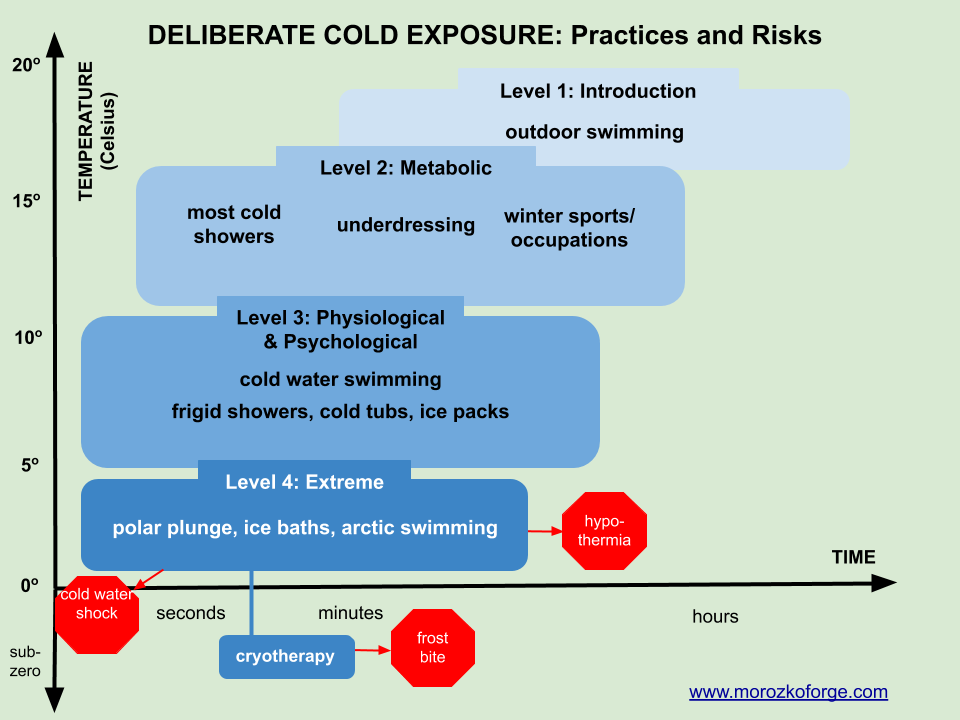
Deliberate cold exposure means intentionally placing your body in a cold environment for a short period. Unlike accidental exposure (like being caught in a snowstorm), you choose the time, temperature, and method. Common practices include:
- Cold showers
- Ice baths or cold plunges
- Outdoor swimming in cold water
- Cryotherapy chambers
The key idea is controlled stress. You stress your body with cold, then return to normal warmth. This brief discomfort triggers changes inside your body, some of which can bring long-term benefits if done safely.
The Science Behind Cold Exposure
When you step into cold water, your body reacts immediately. Skin temperature drops, blood vessels narrow, and your heart beats faster. But the real magic lies in how your body adapts over repeated sessions.
Immediate Effects
- Vasoconstriction: Blood vessels shrink to keep warm blood near your core.
- Adrenaline release: The cold triggers a surge of stress hormones, making you alert.
- Shivering: Your muscles shake to create heat.
Long-term Adaptations
With regular practice, deliberate cold exposure may lead to:
- Improved circulation: Blood vessels become more flexible.
- Reduced inflammation: Cold can lower swelling and muscle soreness.
- Better stress response: You may handle stress better, both physically and mentally.
- Increased brown fat: This special fat burns energy to make heat, helping with metabolism.
Recent studies suggest deliberate cold exposure can also affect your immune system, mood, and even how your brain works. For example, a study published in the journal *PLOS One* found that regular cold showers reduced sick days at work by 29%.
Physical And Mental Benefits
Deliberate cold exposure is not just about building willpower. People try it for a range of reasons—some supported by science, others still being explored.
Physical Benefits
1. Faster Muscle Recovery
Athletes use ice baths to reduce soreness after hard training. The cold lowers inflammation, helping muscles heal.
2. Better Immunity
Some research suggests regular cold exposure can boost white blood cells, which fight infection.
3. Improved Circulation
Switching between cold and warm makes blood vessels expand and contract, which is like a workout for your circulation.
4. Boosted Metabolism
Cold activates brown fat, which burns calories to create heat. This can help with weight control.
5. Reduced Pain And Swelling
Cold numbs nerves and reduces swelling, which is why ice packs are used for injuries.
Mental Benefits
1. Sharper Focus And Alertness
The shock of cold wakes you up fast. Many people report better focus for hours after.
2. Stress Resilience
Regular cold exposure trains your body to handle stress, both physical and mental.
3. Elevated Mood
Cold triggers the release of endorphins (“feel-good” chemicals), sometimes leading to a mild euphoria.
4. Better Sleep
Some users say they sleep deeper after cold exposure, possibly due to a drop in core body temperature.
Not-so-obvious Insights
- The feeling after cold exposure (called “afterdrop”) can sometimes make you feel colder for a few minutes. This is normal, and warming up gradually is important.
- The biggest mood boost often comes after you warm up—not during the cold, but in the recovery phase.
Popular Methods Of Cold Exposure
People practice deliberate cold exposure in different ways, depending on goals, resources, and personal comfort. Below are the most common methods, along with their pros and cons.
Cold Showers
Cold showers are the simplest way to start. Just turn the tap to cold for 30 seconds to 2 minutes at the end of your normal shower.
Advantages:
- Easy and free
- No special equipment
- Low risk
Disadvantages:
- Water may not be cold enough in some climates
- Hard to control exact temperature
Ice Baths And Cold Plunges
Sitting in a tub filled with ice and water (or a dedicated cold plunge tub) is more intense.
Advantages:
- Full-body exposure
- Can control temperature (usually 10-15°C / 50-59°F)
Disadvantages:
- Needs lots of ice or special equipment
- May feel too intense for beginners
Outdoor Swimming
Swimming in lakes, rivers, or the sea during winter is popular in Northern Europe and Russia.
Advantages:
- Connection to nature
- Can be a social activity
Disadvantages:
- Hard to control temperature
- Safety risks (currents, ice, wildlife)
Cryotherapy Chambers
Cryotherapy uses special machines to expose you to air as cold as -110°C for 2-3 minutes.
Advantages:
- Very short duration
- Dry cold, so less shocking on the skin
Disadvantages:
- Expensive
- May not give the same benefits as water-based methods
Comparing Methods
Here’s a look at how common methods stack up:
| Method | Typical Temperature | Exposure Time | Accessibility | Control |
|---|---|---|---|---|
| Cold Shower | 10-20°C (50-68°F) | 1-3 min | Very Easy | Low |
| Ice Bath/Plunge | 5-15°C (41-59°F) | 2-10 min | Medium | High |
| Outdoor Swim | 0-15°C (32-59°F) | 1-5 min | Difficult | Low |
| Cryotherapy | -110°C (-166°F) | 2-3 min | Low | High |
How To Start: Step-by-step Guide
If you’re interested in trying deliberate cold exposure, start slow. Here’s a simple approach for beginners:
1. Start With Cold Showers
At the end of your regular shower, turn the water cold for 15-30 seconds. Focus on calm breathing.
2. Increase Duration
Add 10-15 seconds each session, working up to 2-3 minutes over a few weeks.
3. Try Partial Immersion
Fill a basin or tub with cold water and immerse hands, feet, or just legs first.
4. Move To Full-body Immersion
Once you’re comfortable, try a cold bath or ice bath for 2-5 minutes.
5. Experiment With Outdoor Swims
Only if you have experience, safety, and a buddy. Never swim alone in cold water.
6. Track Your Response
Keep a journal of how you feel before, during, and after each session.
7. Warm Up Gradually
After exposure, dry off and put on warm clothes. Drink something hot if you need to.
Safety Tips
- Always listen to your body—if you feel dizzy, numb, or weak, stop immediately.
- Avoid cold exposure if you have heart problems, high blood pressure, or circulation issues.
- Never do cold exposure when alone, especially outdoors or in natural water.
- Consult a doctor if you have medical concerns.
Building A Routine
Consistency is more important than intensity. Most benefits come from regular practice, not one long or extreme session.
Example Weekly Routine
- Days 1-2: 30 seconds cold shower at the end of your regular shower.
- Days 3-4: 1-2 minutes cold shower.
- Day 5: Try a 2-3 minute ice bath or cold plunge.
- Days 6-7: Rest or repeat as you feel comfortable.
Aim for 2-4 sessions per week. You do not need to do it every day to see benefits.
When To Do Cold Exposure
- Morning cold exposure boosts alertness for the day.
- After exercise helps with muscle recovery.
- Before bed can sometimes help sleep, but for some people it can be too stimulating.
Test different times to see what works for you.

Credit: www.brassmonkey.co
Risks And Precautions
Deliberate cold exposure is powerful but not risk-free. It’s important to understand what can go wrong.
Hypothermia
If you stay in cold water too long, your core temperature can drop dangerously. Symptoms include:
- Shivering that won’t stop
- Slurred speech
- Confusion
- Weakness
If you notice these signs, get warm immediately.
Cold Shock Response
The first breath in cold water is often a gasp. This can be dangerous if your face goes under unexpectedly. Always enter slowly, and never dive into cold water.
Heart Risks
Cold triggers a spike in blood pressure and heart rate. People with heart conditions should avoid it or talk to a doctor first.
Nerve Issues
Long exposure, especially in very cold water, can numb nerves and lead to tingling or loss of feeling. Always limit your time and warm up properly after.
Frostbite
Unlikely in short sessions, but possible if your skin is exposed to freezing air or water for too long.
Common Beginner Mistakes
- Trying too much, too soon: Start with short, mild sessions.
- Not warming up after: Always dry off and put on warm layers.
- Practicing alone: Always have someone with you for safety.
Who Should Avoid Cold Exposure?
Not everyone is a good candidate for deliberate cold exposure. You should avoid it or get medical advice first if you have:
- Heart disease or arrhythmia
- High blood pressure that is not controlled
- Raynaud’s disease (a problem with blood flow to fingers and toes)
- Asthma (cold can trigger attacks)
- Open wounds or skin infections
- Pregnancy (not enough research on safety)
Children and older adults should be extra careful.
Cold Exposure And Athletic Performance
Elite athletes have used ice baths for decades to recover from intense training. But does deliberate cold exposure help or hurt athletic performance?
Recovery
Cold reduces inflammation and soreness. That’s why many sports teams use ice baths after games or hard workouts. Studies have shown that athletes feel less pain and recover muscle strength faster with regular ice baths.
Performance
Using cold exposure immediately after strength training can sometimes slow muscle growth because it blunts inflammation. If your goal is to build muscle, consider waiting a few hours before your cold session.
Injury Prevention
Cold can help control swelling after injuries like sprains or strains. But it’s not a replacement for rest and proper rehab.
Practical Insight
- For endurance sports (running, cycling), cold exposure is most helpful for recovery.
- For muscle building, wait at least 4-6 hours after lifting before doing an ice bath.
The Wim Hof Method And Breathwork
One of the most famous figures in the cold exposure world is Wim Hof, also known as “The Iceman.” His method combines cold exposure, special breathing techniques, and mindset training.
What Is The Wim Hof Method?
- Breathing exercises: Deep, fast breaths followed by holding your breath.
- Gradual cold exposure: Starting with cold showers and building up.
- Mindset/focus: Using meditation to stay calm.
Some studies suggest the Wim Hof Method may boost the immune system and lower inflammation. But more research is needed.
Important Note
The breathing technique can cause tingling or light-headedness. Never do Wim Hof breathing in water or where you could faint and hurt yourself.
Credit: www.pacificcollege.edu
Cold Exposure Vs. Heat Exposure
Many cultures use both cold and heat for health—think of the Finnish sauna, followed by a roll in the snow. Each has unique effects.
| Effect | Cold Exposure | Heat Exposure (Sauna) |
|---|---|---|
| Heart rate | Increases quickly | Increases more slowly |
| Blood vessels | Constrict (narrow) | Dilate (widen) |
| Inflammation | Reduces | Can reduce |
| Mood | Boosts endorphins | Boosts endorphins |
| Calorie burn | Increases (via brown fat) | Increases (via sweat) |
Some people combine heat and cold (sauna followed by cold plunge) for extra benefits. Always allow your body to warm up naturally between sessions.
Cold Exposure In Different Cultures
Cold exposure is not new. People in Nordic countries, Russia, and East Asia have practiced winter swimming or rolling in the snow for generations.
- Finnish saunas: Traditionally followed by a roll in the snow or icy lake dip.
- Russian banya: Bathhouse ritual often includes plunging into cold water.
- Japanese misogi: Spiritual practice involving standing under cold waterfalls.
These traditions often focus on resilience, spiritual renewal, and community. Modern science is only now catching up to explain why they work.
What To Expect: The First Few Sessions
Trying cold exposure for the first time can be intimidating. Here’s what most beginners experience:
- Shock: The first seconds feel intense. Your breath may quicken.
- Adaptation: After 10-30 seconds, your body starts to adjust. Focus on slow breathing.
- Afterglow: Once you warm up, many people feel energized or even “high.”
- Sleepiness: Some people feel sleepy a few hours later, as the body relaxes.
A key tip: Don’t aim for heroics. Short, safe sessions are more effective than pushing your limits too soon.
Tracking Progress
To see the real benefits of deliberate cold exposure, keep a simple log. Write down:
- How long and what type of exposure you did
- How you felt before, during, and after
- Any changes in mood, sleep, or energy
Most people notice improvements in mood, energy, or recovery after 2-4 weeks of regular practice.
Credit: www.hubermanlab.com
Common Myths About Cold Exposure
There are many claims online about what cold exposure can do. Let’s clear up a few myths:
- Myth: Cold exposure burns huge amounts of fat.
*Fact:* It boosts metabolism, but the effect is small unless paired with diet and exercise.
- Myth: Anyone can jump into an ice bath safely.
*Fact:* There are real risks, especially for people with health problems.
- Myth: Cold exposure cures depression.
*Fact:* It may help mood, but it’s not a replacement for professional help.
- Myth: “No pain, no gain”—longer is always better.
*Fact:* The benefits come from regular, safe practice, not suffering.
Tools And Equipment
You don’t need fancy gear to start with cold exposure. But as you get more advanced, some tools can help.
- Thermometer: To check water temperature, especially for ice baths.
- Ice: For at-home baths; buy in bulk or use your freezer.
- Insulated tubs or cold plunge tubs: These keep water cold longer.
- Timer: To track your session safely.
- Wool hat and gloves: Keep extremities warm if you’re swimming outdoors.
Many people use their regular bathtub at home for ice baths. For outdoor swims, always check safety and local rules.
Latest Research And Trends
Interest in deliberate cold exposure has exploded thanks to social media, podcasts, and research. Some recent findings:
- A 2022 study showed that six weeks of cold-water swimming improved well-being and reduced tension in healthy adults.
- Regular winter swimmers in Scandinavia report fewer colds and better mood.
- The trend is growing fast in the US, UK, and Australia, with new cold plunge studios opening in many cities.
For more detailed scientific reading, check out resources like the Wikipedia page on cryotherapy.
Frequently Asked Questions
What’s The Safest Way To Start Deliberate Cold Exposure?
Begin with cold showers for 15-30 seconds at the end of your normal shower. Increase the time slowly. Always listen to your body and stop if you feel dizzy or numb. Don’t try ice baths or outdoor cold swims until you’re comfortable with showers.
How Cold Does The Water Need To Be For Benefits?
Most benefits start to appear around 10-15°C (50-59°F), but even cool showers are helpful. For ice baths, 10-15°C is common. Outdoor swims can be colder, but always prioritize safety over extreme temperatures.
How Often Should I Do Cold Exposure?
2-4 times per week is enough for most people. You don’t need to do it daily. Rest days help your body adapt and recover.
Can Cold Exposure Help With Weight Loss?
It can boost your metabolism slightly by activating brown fat. However, it’s not a magic solution for fat loss. Diet and exercise are more important for losing weight.
Who Should Not Do Deliberate Cold Exposure?
People with heart conditions, uncontrolled high blood pressure, Raynaud’s disease, asthma, or pregnant women should avoid or get medical advice first. Children and older adults should be extra careful and only try mild methods.
Deliberate cold exposure can be both challenging and rewarding. With the right approach—start slow, stay consistent, and always put safety first—you may enjoy sharper focus, faster recovery, and a new appreciation for your body’s resilience. Like any wellness practice, it’s not a cure-all, but for many, it unlocks a sense of strength and well-being that’s hard to find elsewhere.
If you’re curious, try a cold shower this week and see how your body and mind respond.
Comments
Post a Comment