Dopamine: The Brain’s Motivator And Messenger
Have you ever wondered why you feel excited when you achieve something? Or why some activities make you feel good, while others do not? The answer often lies in a powerful chemical inside your brain called dopamine. This tiny molecule has a big role in shaping your mood, motivation, habits, and even your health. But dopamine is much more than just the “feel-good” chemical you may have heard about. It acts like a messenger, helping different parts of your brain and body talk to each other.
Understanding dopamine can help you see why you crave certain foods, get addicted to your phone, or feel low energy at times. It also explains how some medicines work, why certain diseases happen, and how you can make changes to boost your focus, joy, and wellbeing.
In this article, you’ll discover what dopamine really is, how it works, why it matters, and what happens when you have too much or too little. You will also learn about its link to mental health, addiction, learning, motivation, and more.
By the end, you’ll have a clear, complete view of dopamine and how it shapes your everyday life.
What Is Dopamine?
Dopamine is a type of neurotransmitter. Neurotransmitters are chemicals that carry signals between nerve cells (neurons) in the brain and throughout the body. Dopamine acts as a messenger, transferring information that affects how you think, feel, and move.
It was first discovered in 1957 by Swedish scientist Arvid Carlsson. He showed that dopamine is not just a step in making another chemical (noradrenaline), but is important by itself. In 2000, Carlsson won the Nobel Prize for his work on dopamine.
Dopamine is made in several areas of the brain, especially in two regions:
- Substantia nigra: This area helps control movement.
- Ventral tegmental area (VTA): This area is involved in reward, pleasure, and motivation.
Once released, dopamine can:
- Affect other brain cells nearby.
- Travel through the bloodstream to reach other parts of the body.
- Bind to special sites on cells called dopamine receptors.
How Does Dopamine Work In The Brain?
Dopamine is like a postman delivering messages between brain cells. It does this by:
- Being released from one neuron.
- Traveling across a small gap (synapse).
- Binding to dopamine receptors on the next neuron.
- Triggering changes in the receiving neuron.
There are five main types of dopamine receptors (D1 to D5). Each type is found in different parts of the brain and body, and each has a unique role. For example, the D2 receptor is important in controlling movement and is targeted by many antipsychotic drugs.
The brain’s dopamine system has several key pathways:
- Mesolimbic pathway: Controls pleasure, reward, and addiction.
- Mesocortical pathway: Involved in thinking, planning, and motivation.
- Nigrostriatal pathway: Controls movement.
- Tuberoinfundibular pathway: Regulates hormones, especially prolactin.
Here is a simple comparison of the main dopamine pathways:
| Pathway | Main Function | Key Brain Areas |
|---|---|---|
| Mesolimbic | Pleasure & Reward | VTA to Nucleus Accumbens |
| Mesocortical | Thinking & Motivation | VTA to Prefrontal Cortex |
| Nigrostriatal | Movement Control | Substantia Nigra to Striatum |
| Tuberoinfundibular | Hormone Regulation | Hypothalamus to Pituitary |
When these pathways work well, you feel motivated, focused, and balanced. Problems in these pathways can lead to diseases like Parkinson’s, schizophrenia, and addiction.
Dopamine’s Roles In The Body
Dopamine is best known for its effects in the brain, but it is also found in other parts of the body. Here’s how it helps you every day:
1. Reward And Motivation
Dopamine is strongly connected to reward and motivation. When you do something enjoyable—like eating, winning a game, or spending time with friends—dopamine levels rise. This gives you a feeling of pleasure and encourages you to repeat the activity.
But dopamine is not just about pleasure. It drives you to act, to seek goals, and to push through challenges. For example, athletes often have higher dopamine activity, which helps them stay motivated.
2. Movement Control
Dopamine is vital for smooth movement. The nigrostriatal pathway sends dopamine to areas that control your muscles. Without enough dopamine, movements become slow, stiff, or shaky. This is seen in Parkinson’s disease, where dopamine-producing cells die off.
3. Learning And Memory
Dopamine helps you learn from experience. When you get a reward, dopamine strengthens the connections between brain cells involved in that action. This process is called reinforcement learning. It helps you remember what works and what does not.
4. Mood And Emotional Balance
Dopamine has a big effect on your mood. Low dopamine levels are linked to feelings of sadness, lack of motivation, and even depression. Too much dopamine activity is linked to mania or psychosis.
5. Attention And Focus
The brain needs dopamine to filter out distractions and focus on tasks. People with ADHD (attention deficit hyperactivity disorder) often have problems in their dopamine systems. Medicines that raise dopamine can help them focus better.
6. Hormone Regulation
Dopamine controls the release of prolactin, a hormone involved in making breast milk. It also affects other hormones related to stress, growth, and sleep.
7. Body Functions
Outside the brain, dopamine helps control:
- Blood flow by relaxing blood vessels
- Kidney function by helping remove salt and water
- Digestion by slowing the movement of food
This makes dopamine important for your heart, kidneys, and gut health.
Dopamine And Reward: More Than Just Pleasure
Many people call dopamine the “pleasure chemical,” but this is not completely accurate. Dopamine’s main job is to motivate you to act and reach goals, not just to make you feel good.
When you expect a reward, your brain releases dopamine. If the reward is better than you expected, you get a bigger dopamine spike. If it is less than expected, dopamine drops. This system helps you learn what is worth your time and effort.
For example, if you try a new food and love it, dopamine makes you want to eat it again. But if you get sick from it, your brain remembers that too, and you avoid it. This learning process shapes your habits and choices.
Some experts explain dopamine’s role in reward using the “incentive salience” theory. This means dopamine makes things seem important or desirable, pushing you to go after them.
Dopamine And Addiction
Addiction is one of the most well-known links to dopamine. Drugs like cocaine, methamphetamine, and nicotine cause a massive release of dopamine in the reward pathway. This creates intense pleasure, but over time, your brain gets used to the high levels.
Soon, normal activities (like eating or socializing) feel less rewarding. You may need more of the drug just to feel okay. This is called tolerance. If you stop using the drug, you may feel sad, unmotivated, or anxious. This is withdrawal.
But addiction is not just about drugs. Gambling, shopping, video games, and even social media can trigger dopamine spikes. This is why people sometimes get hooked on their phones or certain activities.
One non-obvious insight: The brain’s dopamine system does not care if a reward is healthy or harmful. It simply encourages you to repeat anything that causes a strong dopamine spike, making self-control and awareness very important.
Dopamine And Mental Health
Many mental health conditions are linked to dopamine:
- Depression: Often linked to low dopamine levels or poor dopamine signaling. This can cause loss of pleasure, low motivation, and fatigue.
- Schizophrenia: Linked to too much dopamine activity in some brain areas, causing hallucinations and delusions.
- Bipolar disorder: High dopamine activity during manic episodes and low during depressive episodes.
- ADHD: Problems with dopamine pathways make it hard to focus and control impulses.
Medicines for these conditions often work by changing dopamine levels or how it is used in the brain.
Here’s a quick comparison of how dopamine is involved in different mental health conditions:
| Condition | Dopamine Involvement | Main Symptoms |
|---|---|---|
| Depression | Low levels | Low mood, lack of pleasure |
| Schizophrenia | High activity in some areas | Hallucinations, delusions |
| Bipolar disorder | Fluctuates | Mania and depression |
| ADHD | Impaired signaling | Inattention, hyperactivity |
A second non-obvious insight: Not everyone with low dopamine feels depressed, and not everyone with high dopamine is manic. The effects depend on which pathways are involved and how other brain chemicals interact.
How Dopamine Is Made And Broken Down
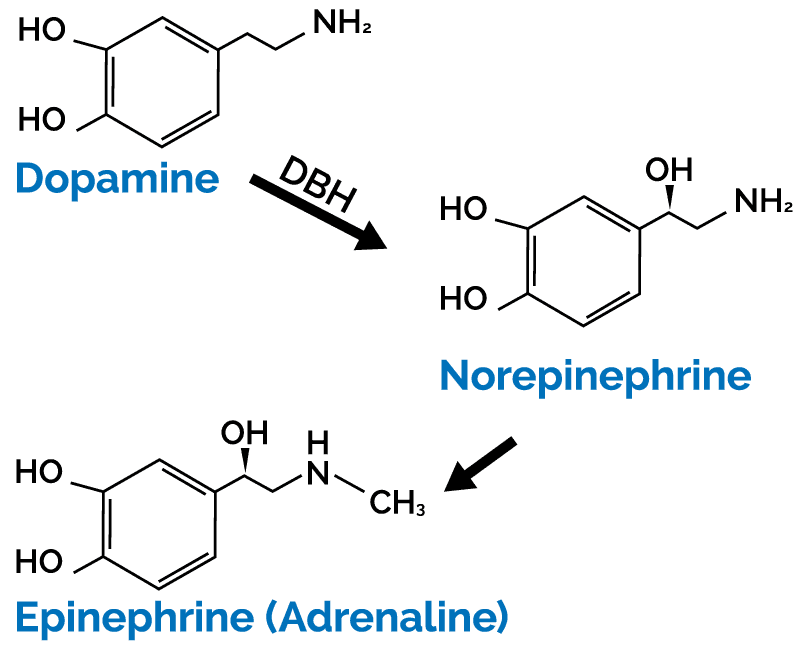
Dopamine is made from an amino acid called tyrosine, which you get from food (like eggs, dairy, nuts, and meats). The process goes like this:
- Tyrosine is turned into L-DOPA by an enzyme.
- L-DOPA is turned into dopamine by another enzyme.
Once dopamine has done its job, it is broken down by enzymes such as monoamine oxidase (MAO) and catechol-O-methyltransferase (COMT). This keeps dopamine levels balanced.
Some people have genetic differences that affect these enzymes. For example, people with a slow COMT enzyme may have higher dopamine in their brains, which can affect mood and thinking.
Dopamine And Parkinson’s Disease
One of the clearest examples of dopamine’s importance is Parkinson’s disease. This is a movement disorder that affects about 1% of people over 60. In Parkinson’s, the brain cells in the substantia nigra die off. These cells make dopamine for the nigrostriatal pathway.
Without enough dopamine, people with Parkinson’s may have:
- Tremors (shaking)
- Slow movement
- Muscle stiffness
- Trouble with balance
The main treatment for Parkinson’s is L-DOPA medicine, which the brain can turn into dopamine. This helps improve movement, but it is not a cure.
Interestingly, some people with Parkinson’s develop strong urges (like gambling or shopping) when taking certain dopamine-boosting drugs. This shows how tightly dopamine is linked to both movement and reward.
Dopamine And Learning
Dopamine is deeply connected to how you learn from experience. When something good happens unexpectedly, your brain releases a burst of dopamine. This acts like a “teaching signal,” helping you remember what led to the reward.
Researchers call this the reward prediction error. If you expect a reward and get it, there’s no change in dopamine. If the reward is better than expected, dopamine goes up. If it’s worse, dopamine drops.
This system helps you adapt to new situations, learn new skills, and form habits. For example, if you try a new study method and get a better grade, dopamine helps you remember to use that method again.
A practical example: Teachers and parents can use this knowledge by giving unexpected rewards or praise. This can boost motivation and help children learn faster.
Dopamine And Motivation
Motivation is not just about wanting rewards. It’s also about putting in effort to reach goals. Dopamine helps you decide whether something is “worth it. ”
Experiments show that when animals or people have low dopamine, they do not work hard for rewards, even if they still enjoy them. With high dopamine, they are willing to work harder.
This is why low dopamine can make you feel lazy or unmotivated, even if you still care about the outcome. On the other hand, too much dopamine can make you restless or overly focused on certain goals.
What Affects Dopamine Levels?
Many things can change dopamine levels in your brain and body. Here are some key factors:
Food And Diet
Eating foods rich in tyrosine (like cheese, meats, fish, and nuts) gives your body the building blocks for dopamine. Balanced nutrition helps keep dopamine production steady. Sugar and fatty foods can give a short-term dopamine spike, but may lower your baseline levels over time.
Exercise
Physical activity, especially aerobic exercise like running or cycling, boosts dopamine release. Regular exercise can improve mood, motivation, and brain health.
Sleep
Dopamine levels follow a daily (circadian) rhythm. They are highest in the morning and lowest at night. Poor sleep reduces dopamine receptors and makes you feel tired, unfocused, or moody.
Stress
Short-term stress can increase dopamine, helping you react to challenges. But chronic (long-term) stress lowers dopamine, making you feel worn out or unmotivated.
Drugs And Medications
Many medicines affect dopamine:
- Antidepressants (some types) raise dopamine.
- Antipsychotics lower dopamine activity.
- Stimulants (like ADHD drugs) boost dopamine.
- Parkinson’s drugs increase dopamine.
Illegal drugs like cocaine and meth cause huge dopamine surges, which can damage the system over time.
Genetics
Some people are born with genes that affect dopamine production, breakdown, or receptors. This can influence personality traits, risk of addiction, or mental health conditions.
Signs Of Low And High Dopamine
Knowing the signs of dopamine imbalance can help you spot problems early. Here’s what to look for:
Low Dopamine
- Feeling tired or lazy
- Low motivation or pleasure (anhedonia)
- Trouble focusing or remembering
- Mood swings or depression
- Craving unhealthy foods or stimulants
- Slow movements or stiffness
High Dopamine
- Restlessness or insomnia
- High energy or risky behavior
- Aggression or irritability
- Unusual thoughts or paranoia (in extreme cases)
- Addiction to rewards or risky activities
Most people have ups and downs in dopamine, but strong or lasting changes may need medical attention.
Credit: mosaicdx.com
How To Boost Dopamine Naturally
If you want to support healthy dopamine levels, here are some practical steps:
- Exercise regularly: Even a daily walk can help.
- Eat a balanced diet: Include tyrosine-rich foods.
- Get enough sleep: Aim for 7–9 hours each night.
- Set and achieve small goals: Each success gives a small dopamine boost.
- Try new activities: Novelty wakes up your dopamine system.
- Connect with others: Positive social interactions raise dopamine.
- Listen to music: Enjoying music can trigger dopamine release.
- Practice mindfulness: Reduces stress, which helps dopamine balance.
- Limit junk food and sugar: Prevents dopamine “crashes.”
- Manage stress: Use relaxation techniques.
One extra tip: Avoid chasing constant big dopamine spikes (like scrolling social media for hours). This can lower your natural baseline and make you feel less motivated over time.
Dopamine And Technology
Modern life is full of things designed to trigger dopamine: social media, video games, online shopping, and notifications. Each “like,” message, or win gives a tiny dopamine hit.
These small rewards can add up, making you want to check your phone or play “just one more” game. Over time, your brain may get used to fast, easy dopamine. This can make normal life feel less exciting and lead to boredom or lack of motivation.
Some people try a “dopamine detox”, taking a break from technology and instant rewards. This can help reset your brain’s reward system, but the best approach is to find balance and enjoy real-world activities too.
Credit: en.wikipedia.org
Dopamine And Creativity
Dopamine does not just help with motivation and movement. It also plays a role in creativity. People with high dopamine activity in certain brain areas tend to be more curious, open to new experiences, and creative.
Studies show that creative people often have more flexible dopamine systems. This allows them to make new connections and see patterns others might miss. But too much dopamine can also lead to scattered thoughts or even mental health problems.
A practical example: If you want to boost creativity, try combining exercise, new experiences, and rest. This can support healthy dopamine flow.
Dopamine In Different Life Stages
Dopamine levels and effects change as you grow older:
- Children and Teens: The dopamine system is highly active, making young people more curious and willing to take risks. This helps them learn, but can also lead to impulsive choices.
- Adults: Dopamine levels stabilize, supporting motivation, focus, and planning.
- Older Adults: Dopamine production naturally drops with age. This can cause slower movement, less motivation, and higher risk of diseases like Parkinson’s.
Women and men may also have slightly different dopamine activity, which can affect mood, risk of addiction, or response to medicines.
Dopamine And Social Life
Dopamine shapes how you interact with others. Positive social contact—like hugs, laughter, or teamwork—raises dopamine and makes you feel connected. Feeling lonely or rejected can lower dopamine, affecting mood and self-esteem.
Some researchers think social media mimics real-life social rewards, but in a fast, artificial way. This can sometimes make real-world connections feel less satisfying.
Dopamine And Diet: What To Eat
Certain foods can support dopamine production:
- Tyrosine-rich foods: Chicken, turkey, beef, eggs, dairy, soy, beans, nuts, seeds, fish.
- Antioxidant-rich foods: Berries, leafy greens, nuts, and colorful fruits protect dopamine-producing cells.
- Probiotics: Yogurt and fermented foods may help, as gut bacteria can influence dopamine.
Avoiding too much sugar and processed food helps keep your dopamine system healthy. Drinking enough water also supports brain function.
Dopamine And Sleep
Dopamine helps you feel alert in the morning. If you do not sleep well, dopamine receptors become less sensitive, and you may feel tired or moody. Good sleep hygiene—like regular bedtimes, a dark room, and avoiding screens late at night—supports healthy dopamine activity.
When To See A Doctor
If you have ongoing signs of dopamine imbalance—like lasting sadness, loss of motivation, movement problems, or addiction—you may need medical help. Doctors can check for underlying conditions and recommend treatments, such as medicines, therapy, or lifestyle changes.
For more technical details about dopamine and its functions, you can visit the Wikipedia page on dopamine.
The Future Of Dopamine Research
Scientists are still learning about dopamine. New research looks at:
- Better treatments for diseases like Parkinson’s and depression.
- Understanding how genes affect dopamine and behavior.
- Using brain scans to see dopamine in action.
- Finding ways to prevent or treat addiction.
One exciting area is “precision medicine,” which aims to match treatments to a person’s unique dopamine system. This could improve care for mental health, addiction, and brain diseases in the future.
Frequently Asked Questions
What Is Dopamine, In Simple Words?
Dopamine is a chemical messenger in your brain and body. It helps control how you feel, move, learn, and stay motivated. It is important for pleasure, reward, and many body functions.
Can You Increase Dopamine Naturally?
Yes. You can boost dopamine by exercising, eating healthy foods (especially those with tyrosine), getting enough sleep, trying new things, and spending time with people you enjoy.
How Does Dopamine Affect Addiction?
Addictive substances and activities cause a big release of dopamine, making you feel good and want more. Over time, your brain may need more to feel the same effect, leading to addiction.
What Happens If You Have Too Little Dopamine?
Low dopamine can cause tiredness, low motivation, sadness, slow movement, and trouble focusing. It is linked to diseases like Parkinson’s and depression.
Are There Risks To Having Too Much Dopamine?
Yes. Too much dopamine can lead to risky behavior, trouble sleeping, aggression, or even symptoms like paranoia. Balance is important for health and wellbeing.
Dopamine is a small molecule, but it has a huge impact on your life. By understanding how it works, you can make choices that support your brain, body, and happiness. Whether you want more focus, better mood, or a healthier lifestyle, paying attention to your dopamine is a smart place to start.
Credit: biomedicalodyssey.blogs.hopkinsmedicine.org
Comments
Post a Comment