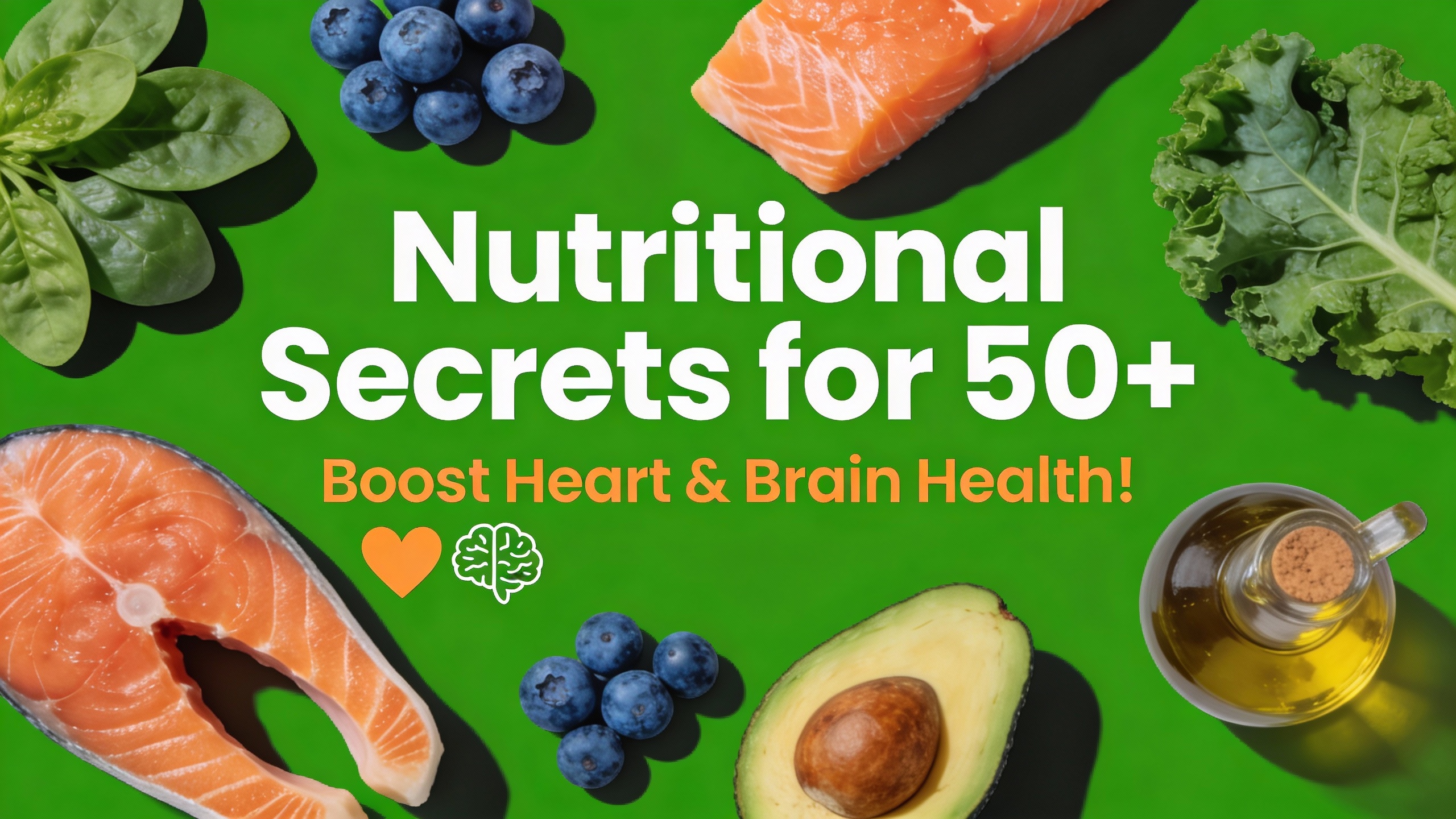
Have you ever noticed how your body seems to ask for different fuel as the years go by? When I hit my 50s, I realized my old eating habits just weren’t cutting it anymore. There’s a fascinating shift in nutritional needs as we age, and tuning into the right foods can make a remarkable difference. Let’s explore the top nutrient-packed foods that can keep you feeling vibrant and strong, no matter your age.
Why Your Nutritional Needs Change After 50
As you reach your 50s and beyond, your body goes through a series of changes that directly affect your nutritional needs. It’s not just about eating less or more—it’s about eating smarter. Understanding your unique nutritional needs is the first step to aging well.
Aging Alters Your Metabolism and Nutrient Absorption
Your metabolism naturally slows down as you get older, which means your body burns fewer calories at rest. At the same time, your digestive system becomes less efficient at absorbing certain nutrients. For example, vitamin B12 absorption decreases with age, making it important for older adults to pay special attention to this essential vitamin. The daily requirement for vitamin B12 remains at 2.4 micrograms, but you may need to get it from fortified foods or supplements since your body may not absorb it as well from natural sources.
Protein Needs Increase to Help Preserve Muscle Mass
One of the most significant changes after 50 is the gradual loss of muscle mass, a process known as sarcopenia. To help counteract this, your protein needs actually increase. Experts recommend that older adults aim for 1-1.2 grams of protein per kilogram of body weight (or about 0.5-0.9 grams per pound). Including lean meats, fish, eggs, dairy, beans, and legumes in your meals can help you meet these protein needs and support muscle maintenance, strength, and mobility.
Fiber, Vitamins, and Minerals for Digestion and Bone Health
Dietary fiber is another key nutrient that becomes even more important as you age. Adequate fiber intake supports heart health, helps manage cholesterol, and keeps your digestive system running smoothly. Women over 50 should aim for 22 grams of fiber daily, while men should target 28 grams. Whole grains, fruits, vegetables, and legumes are excellent sources of dietary fiber.
Along with fiber, vitamins and minerals like calcium and vitamin D are crucial for maintaining bone density and preventing osteoporosis. Since your body’s ability to absorb these nutrients can decline, choosing nutrient-rich foods and considering supplements when necessary is a smart move.
Understanding your unique nutritional needs is the first step to aging well.
- Protein needs: 1-1.2g/kg body weight daily
- Fiber intake: Women 22g/day, Men 28g/day
- Vitamin B12: 2.4mcg daily, with mindful intake or supplementation
Powerhouse Foods to Boost Heart and Brain Health
When you’re building a heart health diet after 50, it’s smart to focus on foods that do double duty—nourishing your heart and supporting your brain. The right choices can help you manage blood pressure, protect against chronic disease, and keep your mind sharp. Here are four powerhouse foods every older adult should consider adding to their plate.
Salmon: Omega-3s for Heart and Brain
Salmon stands out as a top pick for older adults. This fatty fish is loaded with omega-3 fatty acids, which are essential for maintaining heart health and reducing the risk of chronic diseases. Omega-3s also play a key role in supporting brain health, potentially slowing age-related cognitive decline. Plus, salmon is rich in protein to help preserve muscle mass and contains vitamin D for bone health. Whether you grill, bake, or poach it, salmon is a flavorful way to boost your heart health diet.
Blueberries: Antioxidant Powerhouses
Blueberries may be small, but they’re mighty when it comes to antioxidants foods. Packed with anthocyanins, these berries help fight oxidative stress and inflammation—two factors that contribute to aging. Regularly eating blueberries can improve brain health and reduce the risk of cognitive decline. They also support heart health by helping regulate blood pressure and cholesterol. Low in calories and high in fiber, blueberries are perfect for snacking or adding to yogurt and smoothies.
Avocados: Heart-Healthy Fats and Potassium
Avocado is a creamy, nutrient-rich fruit that’s ideal for older adults. It’s full of monounsaturated fats, which help lower bad cholesterol and support heart health. Avocados also offer plenty of fiber for digestive health and satiety. Their high potassium content is especially important for maintaining healthy blood pressure levels. With antioxidants and B vitamins to support nerve and brain health, avocados are a versatile addition to salads, sandwiches, or even smoothies.
Beets: Boosting Blood Flow and Stamina
Beets are a colorful and nutritious choice for anyone over 50. They’re rich in nitrates, which convert to nitric oxide in your body, improving blood flow and lowering blood pressure. Beets also provide fiber, folate, potassium, and manganese, plus antioxidants to help fight inflammation and oxidative stress. Enjoy them roasted, steamed, or blended into smoothies for a heart and brain health boost.
Eating for your heart and brain isn’t a chore when the foods taste this good.
Fiber and Antioxidants: The Unsung Heroes of Your Diet
When it comes to healthy eating after 50, two nutrients often work quietly behind the scenes: dietary fiber and antioxidants. These unsung heroes are found in high-fiber foods and antioxidant foods like leafy greens, nuts, sweet potatoes, and even eggplant. Including them in your daily meals can make a world of difference for older adults.
High-Fiber Foods for Digestive Health
As you age, your digestive system needs a little extra support. Leafy greens—think spinach, kale, and Swiss chard—are low in calories but packed with fiber, vitamins A, C, and K, plus minerals like calcium and iron. This combination not only supports strong bones and a healthy immune system, but also keeps your digestion running smoothly and helps with weight management. Sweet potatoes are another fiber-rich option, loaded with beta-carotene for eye and skin health.
- Leafy greens: High in fiber, vitamins, and minerals for bone strength and immunity
- Nuts: Almonds, walnuts, and cashews provide fiber, healthy fats, and protein
- Eggplant: Low in calories, high in fiber, and easy to add to many dishes
Antioxidant Foods: Fighting Aging from Within
Antioxidants are your body’s natural defense against oxidative stress, which is linked to aging and chronic diseases. Leafy greens and nuts are loaded with these protective compounds. For example, nuts like almonds and walnuts offer vitamin E, magnesium, and selenium—nutrients that help reduce inflammation and support brain health. Sweet potatoes are rich in beta-carotene, while eggplant contains nasunin, an antioxidant that protects your cells and brain.
- Vitamin E, magnesium, selenium: Found in nuts, help maintain cognitive function
- Beta-carotene: Found in sweet potatoes, supports cell and skin health
- Nasunin: Found in eggplant, protects brain cells
Sometimes, the simple greens and nuts in your pantry pack the biggest punch.
Easy Ways to Add Fiber and Antioxidants Daily
It’s simple to boost your intake of high-fiber and antioxidant foods. Toss leafy greens into salads or smoothies, snack on a handful of nuts, or roast sweet potatoes for a hearty side. Try using olive oil as a salad dressing or cooking base for extra antioxidants and heart-healthy fats. These small changes support digestion, weight control, and help protect against chronic diseases—making every meal count for your health after 50.
Small Changes, Big Impact: Incorporating Nutrient-Dense Foods
Healthy eating after 50 doesn’t have to mean a complete diet overhaul. Sometimes, it’s the smallest tweaks that make the biggest difference. As one wise saying goes:
Sometimes tiny tweaks, like swapping cooking oils, make you feel decades younger.
Choose Olive Oil for Heart and Joint Health
One of the simplest ways to boost your anti-inflammatory diet is by using olive oil instead of butter or margarine. Olive oil is a staple of the Mediterranean diet, celebrated for its heart-healthy monounsaturated fats. These fats help improve heart health and stabilize blood sugar—two key concerns for older adults. Olive oil is also packed with polyphenols, powerful antioxidants that reduce inflammation and protect your cells from oxidative stress. This means less risk for chronic conditions like arthritis and heart disease. Try drizzling olive oil over salads, using it for sautéing, or replacing butter in your favorite recipes for a delicious, healthy swap.
Add Ginger for Anti-Inflammatory and Digestive Benefits
Ginger is more than just a flavorful spice—it’s a powerhouse for healthy eating in older adults. Thanks to its anti-inflammatory and antioxidant properties, ginger can help relieve joint pain and reduce arthritis symptoms. It’s also known for soothing the stomach, easing nausea, and supporting digestive health. The active compound gingerol may even help protect your heart and lower the risk of certain cancers. Ginger is easy to add to your diet: grate fresh ginger into stir-fries, steep it in tea, or blend it into smoothies for a spicy kick and a health boost.
Incorporate Eggplant for Antioxidant and Brain Support
Looking for a new vegetable to add to your meals? Eggplant is a fantastic choice for older adults. It’s low in calories but high in fiber, which supports digestive health and weight management. Eggplant is rich in vitamins C, K, and B6, plus minerals like potassium and manganese. Its deep purple skin contains nasunin, a unique antioxidant that helps protect brain cells and supports overall cell health. Try roasting eggplant, adding it to stews, or layering it in casseroles for a nutrient-dense, antioxidant-rich addition to your diet.
- Swap butter for olive oil to lower inflammation and boost heart health.
- Add ginger to meals or drinks for arthritis relief and better digestion.
- Include eggplant in your weekly menu for brain-protective antioxidants.
Balancing It All: Lifestyle Tips for Thriving After 50
As you move through your 50s and beyond, healthy eating becomes more than just a diet—it’s a way to support your heart, mind, and body for years to come. But nutrition is only part of the puzzle; lifestyle completes the picture. To truly thrive, it’s important to balance your meals, stay hydrated, and weave positive habits into your daily routine.
Start by focusing on balanced meals that include enough protein, fiber, and healthy fats. As an older adult, your protein needs may increase to help maintain muscle mass and strength. Instead of saving all your protein for dinner, try spreading it out across breakfast, lunch, and dinner. This simple shift can make a big difference in muscle health and energy levels.
Fiber is another key player for digestive health and inflammation reduction. Whole grains, beans, fruits, and vegetables not only keep things moving but also help you feel full and support a healthy weight. However, as you add more fiber, remember that hydration is essential—especially since thirst signals can fade with age. Aim for 9 to 13 cups of fluids daily, including water, herbal teas, and even water-rich foods like cucumbers and melons. Staying hydrated helps your body process fiber, keeps your mind sharp, and supports every system in your body.
Don’t forget about sodium. Keeping your intake below 2,300mg a day—or 1,500mg if you have high blood pressure—can help manage your heart health and blood pressure. Choose fresh foods over processed ones and flavor your meals with herbs and spices instead of salt.
Of course, healthy eating works best when paired with regular exercise and other positive habits. Whether it’s a daily walk, gardening, or gentle stretching, movement keeps your body strong and your mind clear. And don’t underestimate the power of sleep, stress management, and social connections—they’re all part of a holistic approach to aging well.
Nutrition is only part of the puzzle; lifestyle completes the picture.
By balancing your meals, staying hydrated, and embracing healthy habits, you’re not just supporting your body—you’re setting yourself up to thrive after 50. Remember, every small step counts toward a longer, healthier, and more vibrant life.
TL;DR: After 50, prioritize nutrient-rich foods like sweet potatoes, salmon, and leafy greens to support muscle, heart, and brain health. Balancing protein, fiber, and antioxidants is key to aging gracefully.
Comments
Post a Comment