
Imagine standing at the edge of a gym, knowing that every rep and every set could make or break your fitness goal. For many, a tiny scoop of a seemingly mundane white powder could unlock the door to untapped fitness potential. Welcome to the world of creatine monohydrate—a staple in the nutrition of every serious athlete. But what exactly is creatine, and how does it work its magic?
What is Creatine Monohydrate?
If you’ve ever wondered what creatine really is and why it’s such a buzzword in fitness circles, you’re not alone. At its core, creatine is a naturally occurring compound produced by your body, primarily in the muscles and brain. It’s made from three amino acids: glycine, arginine, and methionine. These building blocks come together to form creatine, which plays a crucial role in supplying energy to your cells—especially during high-intensity activities.
The Creatine Definition: A Natural Energy Booster
Creatine acts like a quick energy reserve for your muscles. When you perform short bursts of intense exercise—think sprinting or heavy lifting—your muscles rely on a molecule called ATP (adenosine triphosphate) for fuel. However, ATP stores deplete rapidly during these activities. This is where creatine steps in.
Your body stores creatine mostly as phosphocreatine inside muscle cells. Phosphocreatine helps regenerate ATP quickly so that your muscles can keep contracting efficiently without fatiguing too soon. In simple terms, creatine helps recharge the energy currency of your muscles when they need it most.
Natural Creatine Sources: Where Does Creatine Come From?
You might be curious about how much creatine you get from food versus what your body produces naturally. While your liver, kidneys, and pancreas synthesize creatine internally using those amino acids mentioned earlier (glycine, arginine, and methionine), diet also contributes to overall levels.
- Meat: Red meat like beef contains moderate amounts of creatine—about 0.5 grams per 4-ounce serving.
- Poultry: Chicken provides similar levels but slightly less than red meat.
- Seafood: Fish such as salmon and tuna are good natural sources as well.
If you follow an omnivorous diet including these foods regularly, you’ll receive some dietary creatine daily. However, the amount from food alone tends to be relatively low compared to what many athletes or fitness enthusiasts aim for through supplementation.
The Difference Between Dietary Creatine and Supplements
This brings us to an important point: while natural sources supply some creatine, supplements allow you to consume much higher concentrations conveniently and consistently.
Creatine monohydrate, the most common supplement form available today, consists of one molecule of creatine bonded with one molecule of water (hence “monohydrate”). This structure improves its stability and absorption when ingested orally.
A typical serving size of creatine monohydrate powder is about 5 grams—a small scoop that packs significantly more punch than what you'd get from eating several servings of meat or fish each day. For example:
| Source | Approximate Creatine Content | Equivalent Amount Needed for 5g Creatine |
|---|---|---|
| Beef (red meat) | 0.5 g per 4 oz serving | ~40 oz (2.5 lbs) |
| Tuna (fish) | 0.45 g per 4 oz serving | >44 oz (~2.75 lbs) |
This comparison highlights why supplementation becomes practical if you're aiming for enhanced performance or muscle growth beyond normal dietary intake levels.
The Role of Supplementation in Boosting Your Body’s Creatine Levels
Your body maintains about 90-95% of total creatine within muscle tissue under normal conditions; however, supplementing with creatine monohydrate can elevate these stores further—giving your muscles more readily available energy reserves during anaerobic exercise like weightlifting or sprinting.
This increased availability supports improved strength output and endurance over repeated bouts of intense activity—a key reason why athletes have embraced this supplement since the early ’90s when Olympic competitors first popularized its use for boosting performance safely and effectively.
A Note on Vegetarians and Vegans: Why Supplementation Matters Even More
If you follow a vegetarian or vegan lifestyle where animal products are excluded from your diet entirely, natural dietary sources won’t provide any direct creatine intake because plants contain negligible amounts of it.
Your body still synthesizes some amount internally but at lower baseline levels compared to meat-eaters due to limited availability of precursor amino acids from plant proteins.
This makes supplementation especially valuable if you want to experience benefits related to muscle strength or cognitive function without relying on animal-based foods.
A Quick Recap on What You’ve Learned So Far:
- "Creat ine": A natural compound made by your body using glycine , arginine , & methion ine .
- Naturally found mostly in muscl es & brain tissues.
- Sourced through diet mainly via meat , poultry , & seafood but only small amounts per serving.
- Create supplements offer concentrated doses far exceeding typical food intake — usually around five grams per scoop .
Diving into this foundational knowledge sets the stage for understanding how exactly supplementing with creat ine monohy drate can help boost physical performanc e & muscle develop ment — topics we’ll explore next!

Key Benefits of Creatine Supplementation
When you start supplementing with creatine monohydrate, you’re tapping into a powerful ally for your fitness journey. This naturally occurring compound, stored mostly in your muscles, plays a vital role in energy production and muscle function. Let’s explore the key benefits that make creatine a go-to supplement for athletes, bodybuilders, and fitness enthusiasts alike.
Increased Muscle Strength and Growth
One of the most celebrated benefits of creatine supplementation is its ability to significantly boost muscle strength and growth. When you take creatine regularly—typically around 5 grams per day—it increases the phosphocreatine stores in your muscles. This extra phosphocreatine helps produce more ATP (adenosine triphosphate), which is essentially the energy currency your muscles use during high-intensity exercise.
With more ATP available, your muscles can perform better during short bursts of intense activity like weightlifting or sprinting. This means you can lift heavier weights or complete more reps before fatigue sets in. Over time, this increased workload leads to greater muscle hypertrophy (growth) as your body adapts to the enhanced training stimulus.
Scientific studies consistently show that individuals who combine creatine supplementation with resistance training experience notable improvements in both muscle mass and strength compared to those who don’t supplement. So if building muscle is one of your goals, creatine offers a natural and effective way to support that process without relying on steroids or other harmful substances.
Enhanced Recovery Post-Exercise
Another important benefit you’ll appreciate is how creatine supports faster recovery after workouts. Intense exercise causes micro-tears in muscle fibers and depletes energy stores, leading to soreness and fatigue. Creatine helps replenish these energy reserves quickly by boosting ATP regeneration, allowing your muscles to recover more efficiently between sessions.
This improved recovery means less downtime due to soreness or exhaustion, enabling you to train consistently at higher intensities. Some research also suggests that creatine may reduce inflammation and oxidative stress following exercise, further aiding the repair process.
If you’ve ever struggled with lingering post-workout fatigue or slow progress due to inadequate recovery times, adding creatine could be a game-changer for maintaining momentum toward your fitness goals.
Support for Anaerobic Performance
You might wonder why creatine is often called an ergogenic aid. Simply put, it enhances physical performance by increasing the efficiency of anaerobic activities—those short-duration exercises where oxygen demand exceeds supply. Think sprinting, jumping, powerlifting—all explosive movements requiring rapid bursts of energy.
Your body relies heavily on phosphocreatine during these anaerobic efforts because it provides immediate fuel for ATP synthesis without needing oxygen. By increasing phosphocreatine availability through supplementation, you effectively extend how long you can sustain peak power output before fatigue hits.
- Improved Sprint Performance: Studies show sprinters using creatine can shave off milliseconds from their times thanks to enhanced muscular power.
- Better High-Intensity Interval Training (HIIT): You’ll find yourself able to push harder during intervals with shorter rest periods between sets.
- Increased Repetitions at Max Effort: Whether it’s bench press or squats, expect more reps per set when supplemented properly over several weeks.
This makes creatine especially valuable if your sport or workout routine involves repeated bouts of high-intensity effort rather than endurance-based activities alone.
The Science Behind These Benefits
< td > Speeds replenishment of energy stores post-exercise reducing soreness & improving readiness for next session < td > Clinical studies indicate reduced markers of muscle damage & inflammation after intense workouts when supplemented| Benefit | Description | Supporting Evidence |
|---|---|---|
| Muscle Strength & Growth | Aids ATP production allowing greater training volume leading to hypertrophy | Randomized controlled trials from 2012-2021 confirm significant gains in strength & mass with supplementation plus resistance training |
| Crea tine Recovery Support | ||
| < b > Anaerobic Performance Boost | Enhances short-term explosive power output via increased phosphocreat ine availability | Research demonstrates improved sprint times & repeated high-intensity efforts among users compared with placebo groups
< / tr >
< / table >A Word on Who Benefits Most from Creatine SupplementationIf you're someone engaged in regular strength training or sports involving quick bursts of power—creatine will likely enhance your performance noticeably. It’s equally beneficial across genders and various age groups including seniors looking to maintain muscle mass and cognitive health as they age. 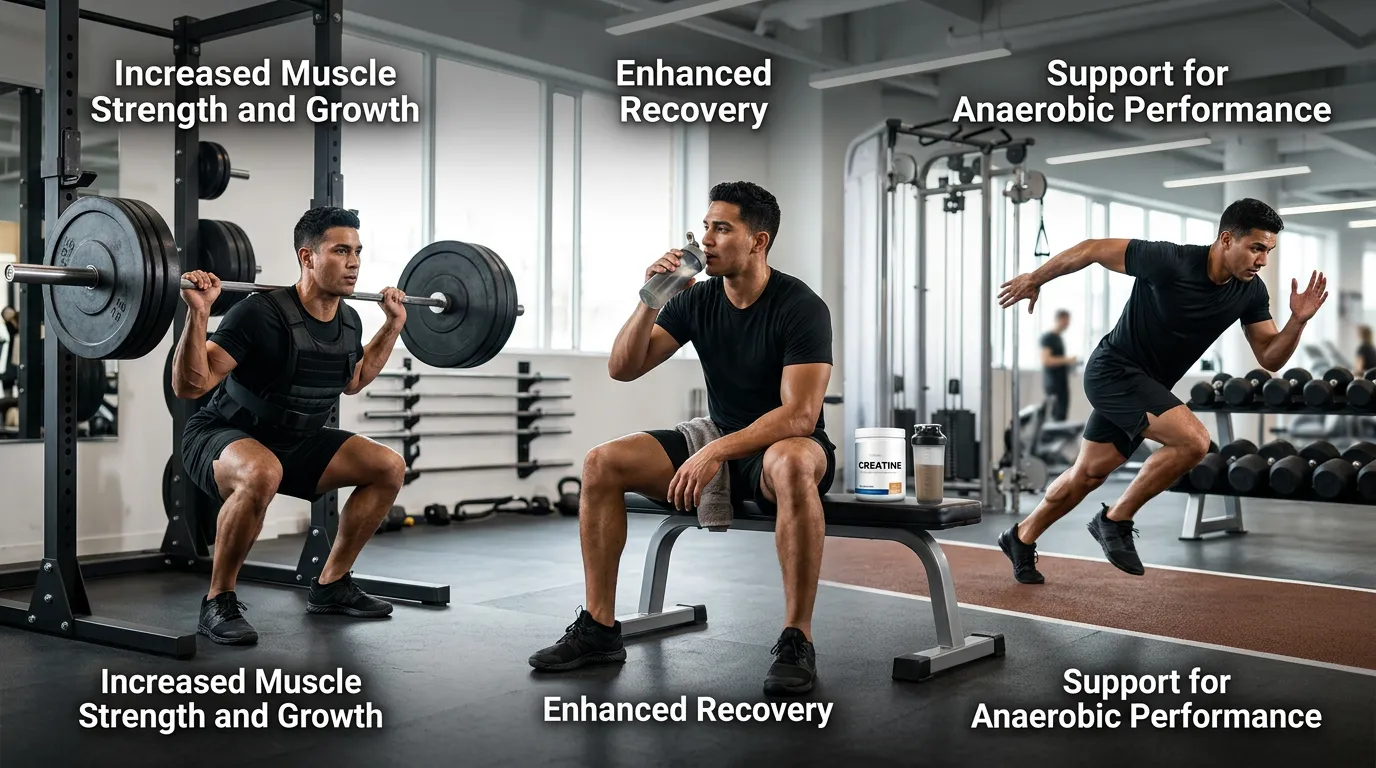 How to Safely Use CreatineAs you begin your journey with creatine monohydrate, understanding how to use it safely and effectively is key to maximizing its benefits while minimizing any potential side effects. Creatine is a powerful supplement that can enhance muscle strength, improve workout performance, and support overall fitness goals—but only when taken correctly. Let’s explore the recommended dosages, the concept of the loading phase, and important safety precautions you should keep in mind. Recommended Creatine Dosage and TimingThe most common and effective dosage for creatine monohydrate is about 5 grams per day. This amount has been widely studied and shown to support muscle growth and improved exercise performance when combined with regular strength training. Taking 5 grams daily consistently over at least 30 days allows your muscles to gradually saturate with creatine, leading to noticeable improvements in strength and endurance. You might wonder about the best time of day to take creatine. While there isn’t a strict rule, many find it beneficial to consume creatine either before or after workouts. Taking it post-workout can be particularly effective because your muscles are primed for nutrient uptake during this time. You can mix creatine powder with water or blend it into your favorite beverage for easy ingestion. Capsules or gummies are also convenient alternatives if you prefer not to taste the powder. Understanding the Loading PhaseIf you're eager for faster results, you may have heard about the “loading phase.” This approach involves taking a higher dose—typically around 20 grams per day, divided into four separate servings—for about 5 to 7 days. The goal here is rapid saturation of muscle creatine stores so that benefits appear sooner. After completing this loading period, you then switch back to a maintenance dose of 5 grams daily. While this method can speed up initial gains in muscle size and strength, it’s not necessary for everyone. Many people achieve excellent results simply by sticking with a steady 5-gram daily intake from the start. If you choose the loading phase route, be mindful that consuming larger amounts at once may increase your risk of mild side effects like stomach discomfort or bloating. Potential Side Effects and Safety PrecautionsCreatine is generally considered safe for healthy adults when used as directed; however, some individuals may experience minor side effects such as fluid retention (which can cause temporary weight gain), nausea, indigestion, or cramping—especially if they take too much at once or don’t stay properly hydrated. To minimize these risks:
If you have any pre-existing medical conditions—such as kidney disease—or are taking medications regularly, it's crucial that you consult your healthcare provider before starting creatine supplementation. Although research shows no harmful effects on kidney function in healthy individuals using standard doses, personalized medical advice ensures safety tailored specifically for your health status. The Bottom Line on Safe Creatine UseYour success with creatine depends largely on using it responsibly within recommended guidelines. A typical routine involves taking around 5 grams each day consistently over several weeks while maintaining proper hydration and balanced nutrition alongside your workout regimen. If desired—and after careful consideration—you might try a short loading phase of up to 20 grams daily split across multiple servings but remember this isn’t mandatory for everyone seeking muscle growth. The key takeaway? Patience combined with consistency will help you unlock creatine’s full potential without unnecessary risks. By educating yourself on correct dosing strategies and listening carefully to how your body responds throughout supplementation, you'll set yourself up for safe progress toward stronger muscles and better physical performance. If ever uncertain about starting supplements like creatine monohydrate—or if unexpected symptoms arise during use—don’t hesitate to seek guidance from qualified health professionals who understand sports nutrition deeply. TL;DR: Creatine monohydrate is a popular supplement known for enhancing muscle growth and performance. Learn how it works, its benefits, and safe usage tips. |
Comments
Post a Comment