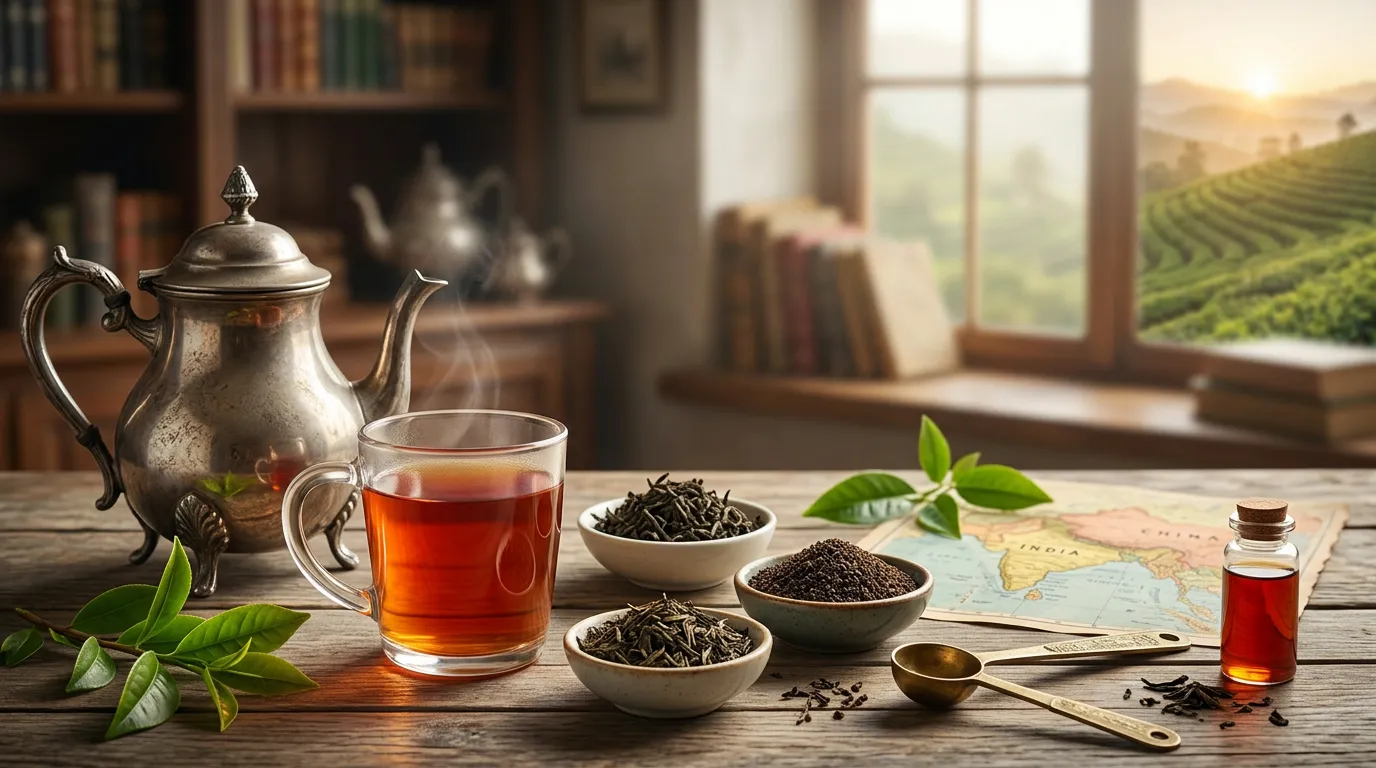
Imagine waking up to a crisp morning with a steaming cup of black tea in hand. As the aromas dance through the air, you can't help but wonder about the storied history and hidden benefits of this beloved drink. Black tea, often overshadowed by its green counterpart, possesses a myriad of intriguing facets waiting to be uncovered. Join me on a journey to explore everything you need to know about black tea!
What is Black Tea? Unraveling the Basics
When you first encounter black tea, it might seem like just another hot beverage, but in reality, it’s a fascinating product with deep roots and unique qualities. At its core, black tea comes from the thick leaves of the Camellia sinensis plant, a shrub native to China. This plant is also the source of green and oolong teas, but what sets black tea apart is how its leaves are processed.
The defining feature of black tea lies in its processing method. Unlike green tea, which uses unoxidized leaves, black tea undergoes full oxidation — a natural enzymatic process where the leaves darken and develop complex flavors. This oxidation turns the originally green leaves into a rich dark color, giving brewed black tea its characteristic reddish-brown hue. In fact, in Chinese culture, black tea is often called “hong cha,” meaning red tea, highlighting this vibrant color.
The Journey from Leaf to Brew: Black Tea Processing
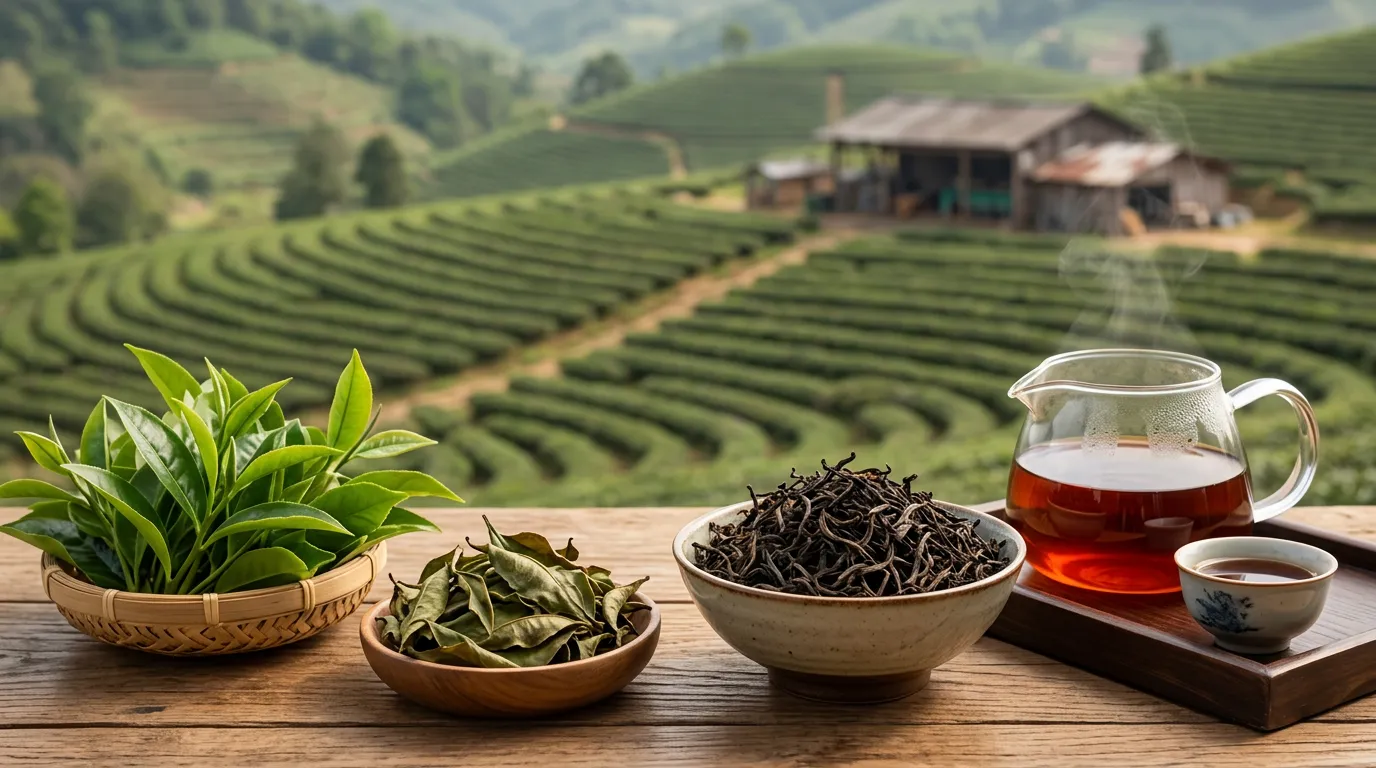
The transformation of fresh Camellia sinensis leaves into black tea involves several key steps:
- Withering: Leaves lose moisture and become pliable.
- Rolling or Tearing: Leaves are gently rolled or torn to break cell walls and release enzymes.
- Oxidation (Fermentation): The crucial stage where enzymatic reactions darken the leaves and develop flavor.
- Drying: Halts oxidation by removing moisture to preserve the final taste.
You’ll find two main rolling techniques used during processing: the traditional orthodox method preserves leaf integrity for nuanced flavors, while the modern CTC (crush, tear, curl) approach produces smaller leaf particles ideal for strong-flavored teas commonly found in bags.
Diverse Types Rooted in Processing and Origin
The combination of different cultivars of Camellia sinensis and varied processing methods gives rise to an array of black teas with distinct tastes. From bold Assam teas known for their malty richness to delicate Darjeeling varieties with floral notes — each type offers something unique. Other famous examples include Ceylon from Sri Lanka and smoky Lapsang Souchong from China.
This diversity means that when you sip on your cup of black tea, you’re experiencing centuries of cultivation expertise combined with natural enzymatic oxidation that creates those signature robust flavors.
Health Benefits of Black Tea
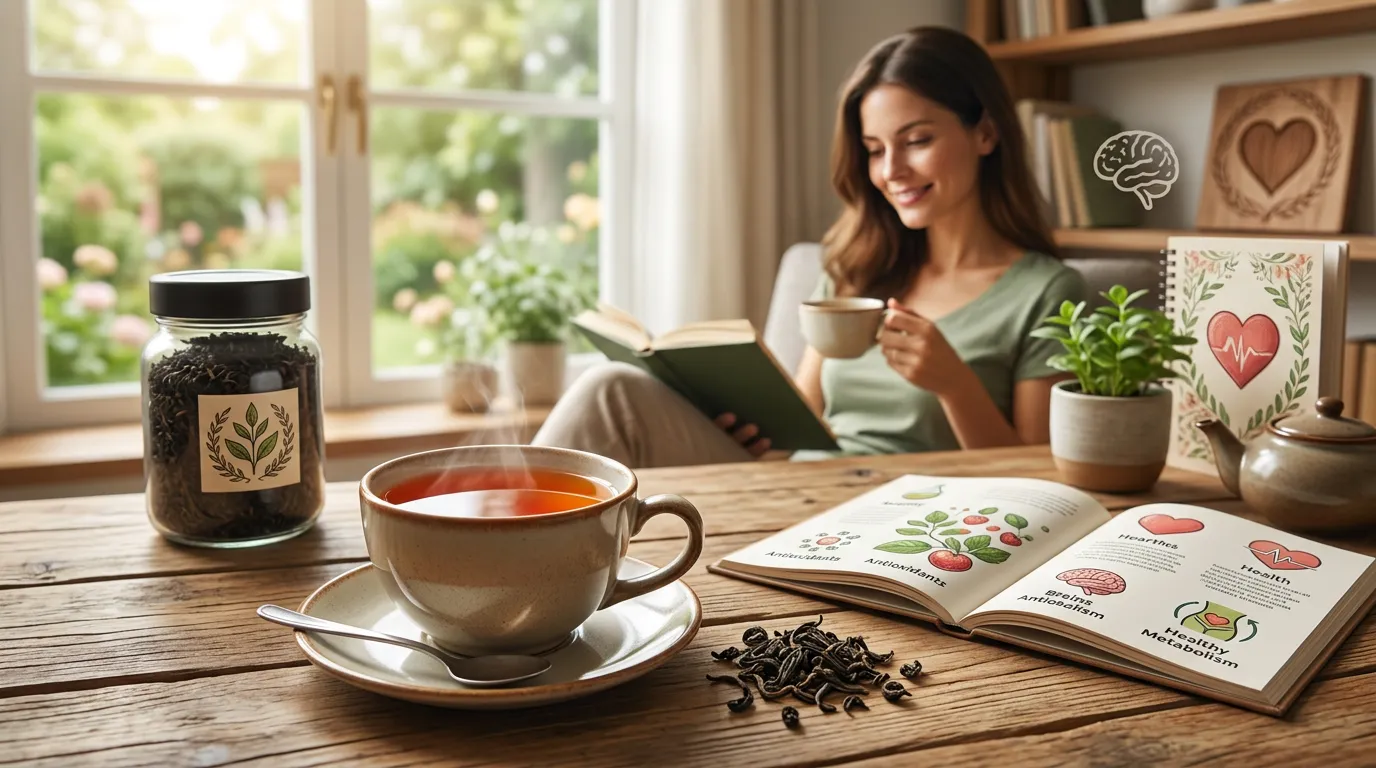
When you sip on a warm cup of black tea, you’re not just enjoying its bold flavor—you’re also inviting a host of black tea health benefits into your body. One of the key reasons black tea is celebrated for its positive effects lies in its rich content of antioxidants, specifically polyphenols in tea. These powerful compounds, including theaflavins and thearubigins, help protect your cells from damage caused by free radicals.
Rich in Antioxidants Known as Polyphenols
The polyphenols found in black tea act as natural defenders against oxidative stress. While green tea contains higher levels of EGCG (approximately 7,380 mg per 100g), black tea still offers a significant amount—around 936 mg per 100g—that contributes to its antioxidant strength. These antioxidants are linked to reducing inflammation and supporting overall wellness.
May Improve Heart Health and Circulation
Research shows that the flavonoids in black tea can support cardiovascular health by improving blood vessel function and circulation. Regular consumption may help lower the risk factors associated with heart disease by promoting better cholesterol levels and reducing blood pressure. This makes black tea a heart-friendly choice to include in your daily routine.
Can Aid Cognitive Functions and Gut Health
If you’re looking for a natural way to boost brain power, drinking black tea might be beneficial. Studies suggest that certain compounds in black tea can enhance cognitive functions such as focus, memory, and alertness—making it a great companion during work or study sessions.
Additionally, emerging research points to black tea’s potential role in promoting a healthy gut microbiome. The polyphenols may encourage the growth of good bacteria while inhibiting harmful ones, which supports digestion and overall gut health.
- Black tea antioxidant: Protects cells from damage with polyphenols like theaflavins.
- Heart health: Flavonoids improve circulation and reduce cardiovascular risks.
- Cognitive benefits: May enhance memory, focus, and mental clarity.
- Gut support: Encourages healthy gut bacteria balance for better digestion.
Your metabolism might also receive a gentle boost from regular black tea consumption. Some studies indicate that it could help improve glucose metabolism, which is essential for maintaining energy levels throughout the day.
Brewing Techniques: Mastering the Perfect Cup
When you learn how to brew black tea, you unlock a world of rich flavors and aromas that make each cup a delightful experience. The key to mastering the perfect cup lies in understanding the ideal brewing temperature, steeping time, and even cultural methods that influence taste.
Ideal Brewing Temperature: Boiling Water at 212°F
The foundation of great black tea starts with water heated to its boiling point—around 212°F (100°C). Using boiling water ensures that the dark, oxidized leaves release their full flavor and vibrant reddish-brown color. Pouring boiling water directly over loose leaf black tea allows the essential oils and polyphenols to infuse properly, giving you that bold yet smooth taste black tea is known for.
Tea Steeping Time: Around 5 Minutes
Brewing black tea tips often emphasize steeping time as a crucial factor. Generally, letting your tea steep for about five minutes strikes the perfect balance between strength and smoothness. If you steep it too briefly, your cup may lack depth; too long, and bitterness from tannins can emerge. Feel free to experiment slightly with steeping times based on your personal preference—some enjoy a lighter brew at four minutes, while others prefer a stronger infusion closer to six.
The Traditional British Method: Using a Warm Teapot
If you're curious about traditional approaches, British tea culture offers an elegant technique. Before adding your loose leaf black tea or teabags, warm your teapot by rinsing it with hot water. This step helps maintain consistent heat during brewing so that flavors develop evenly throughout the steeping process. After pouring boiling water into the warmed pot over one teaspoon of tea per cup, cover it with a cozy or lid and let it steep undisturbed for around five minutes.
Additional Brewing Tips:
- Use fresh filtered water for best taste.
- Avoid overfilling your teaspoon; one level teaspoon per cup is ideal.
- If using teabags made by CTC method teas, slightly shorter steep times (around 3-4 minutes) can prevent excessive bitterness.
By paying attention to these details—water temperature at boiling point, proper tea steeping time, and warming your vessel—you’ll consistently enjoy a perfectly brewed cup of black tea bursting with rich aroma and satisfying flavor every time you pour.

The Rich History and Culture of Black Tea
When you sip a cup of black tea, you are partaking in a tradition that spans centuries and continents. The black tea history is deeply intertwined with the cultures that have embraced it, shaping unique customs and rituals around this beloved beverage.
Black Tea in British Tea Customs
In Britain, black tea is more than just a drink—it’s an integral part of daily life and identity. The British tea customs revolve around the classic afternoon tea ritual, where black tea is often served with milk and sugar alongside sandwiches and pastries. This tradition dates back to the 19th century when tea became widely accessible through trade with India and Sri Lanka. You’ll find that many British households keep a warm teapot ready for communal steeping, emphasizing hospitality and social connection.
The Spice of Life: Black Tea in India and Sri Lanka
Traveling eastward, black tea takes on vibrant new forms in India and Sri Lanka. Here, it’s commonly brewed strong and mixed with spices like cardamom, cinnamon, ginger, and cloves to create masala chai—a fragrant, warming drink enjoyed throughout the day. This spiced version reflects local tastes but also serves as a social glue during gatherings or breaks from work. In Sri Lanka (formerly Ceylon), black tea cultivation has flourished since colonial times, producing teas known for their bright flavor profiles that are cherished worldwide.
Cultural Variations in Black Tea Rituals
The way people enjoy black tea varies widely across cultures:
- China: Known as "hong cha" or red tea due to its rich color; traditionally consumed plain to appreciate its complex flavors.
- Middle East: Often sweetened heavily or infused with mint; served as a gesture of hospitality.
- Africa: In countries like Kenya, robust black teas are popular both plain or with milk.
This diversity highlights how cultural traditions influence black tea consumption—each region adapting the brew to fit local tastes while preserving its historical roots.
No matter where you find yourself enjoying black tea—from a cozy British kitchen to bustling Indian street stalls—you’re connecting with centuries of history woven into every cup.
Potential Risks: Understanding Black Tea Consumption
As you savor the rich flavors and energizing qualities of black tea, it's important to also understand the potential risks associated with its consumption. While black tea offers numerous health benefits, moderation is key to safely enjoying this beloved beverage without unwanted side effects.
One of the primary concerns when it comes to black tea risks is its caffeine content. An average cup contains between 40 to 70 mg of caffeine, which can provide a gentle boost in energy. However, if you are sensitive to caffeine or consume multiple cups throughout the day, you might experience insomnia, headaches, or jitteriness. It’s wise to pay attention to how your body reacts and adjust your intake accordingly—especially if you are pregnant, nursing, or taking medications that may interact with caffeine.
Another factor to consider is the presence of oxalates in black tea. Oxalates are natural compounds found in many plant-based foods and drinks that can contribute to kidney stone formation when consumed excessively. Although occasional drinking poses little risk for most people, those prone to kidney stones should be cautious about their overall oxalate intake from all sources—including black tea—to avoid complications.
You should also be aware that black tea often contains higher fluoride levels compared to other teas because it is typically made from older leaves that accumulate more fluoride over time. While fluoride supports dental health at moderate levels, excessive consumption could lead to issues such as neurotoxicity or bone problems in rare cases. If fluoride exposure is a concern for you, selecting brands that test for fluoride content might be beneficial.
Ultimately, understanding these potential drawbacks helps you make informed choices about your black tea consumption. By keeping an eye on your personal health and practicing moderation—enjoying no more than a few cups daily—you can relish the many benefits of black tea while minimizing any risks.
Remember that every individual’s tolerance varies; consulting with a healthcare professional can provide personalized guidance tailored to your needs. With mindful consumption, black tea remains a delightful and healthful part of your daily routine—a perfect balance between tradition and wellness.
TL;DR: Unearth the fascinating aspects of black tea, including its benefits, brewing methods, and unique varieties that make it a cherished beverage across cultures.
Comments
Post a Comment