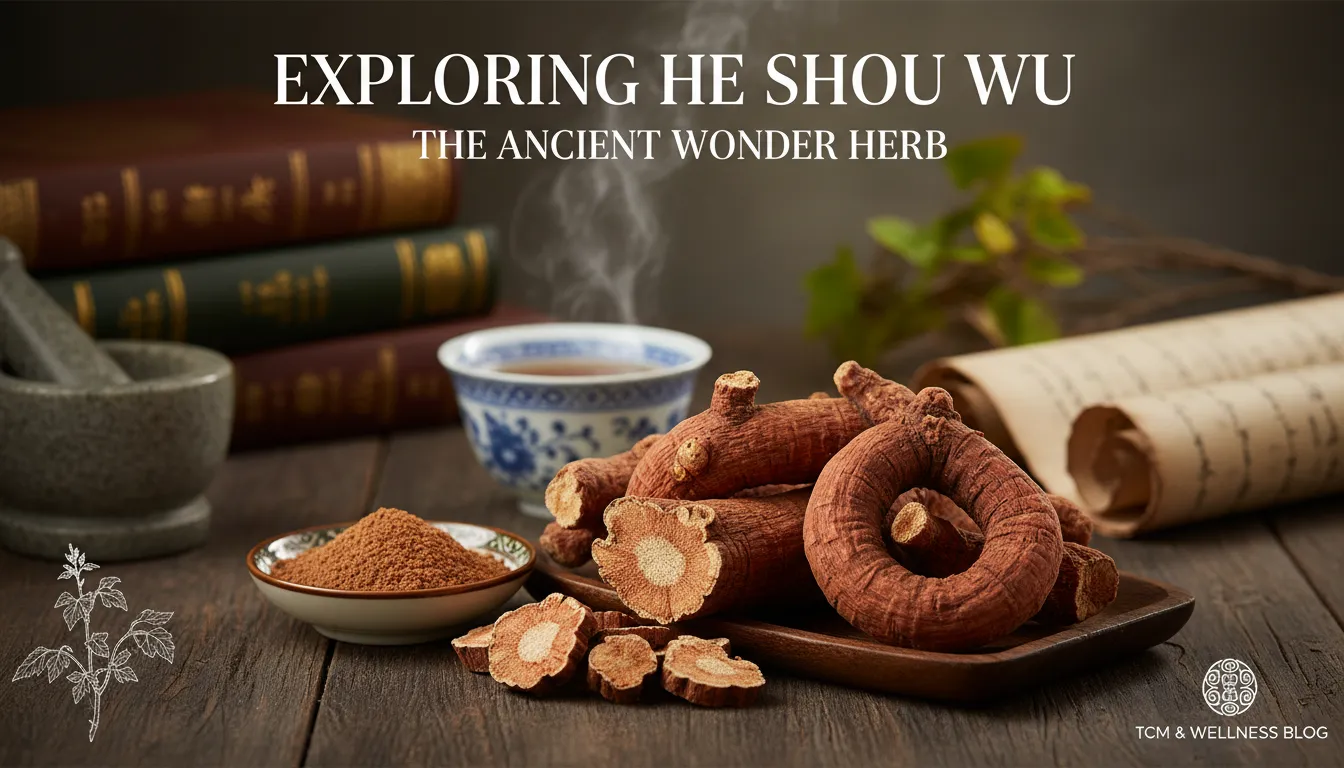
When I first stumbled upon He Shou Wu, or Fo-Ti, as a remedy hailed for its anti-aging properties, I couldn't help but be intrigued. The notion that an ancient herb could offer the promise of longevity and vitality felt like a secret handed down through generations. As I explored its origins, benefits, and inherent risks, I realized it was more than just an herb; it’s a topic filled with fascinating stories and cautionary tales.
The Historical Significance of He Shou Wu
Origins and Translation of the Name 'He Shou Wu'
He Shou Wu, a name steeped in legend and tradition, literally translates to “the black-haired Mr. He.” This intriguing title originates from an ancient Chinese tale about a man named Mr. He who experienced a remarkable transformation after consuming this herb. According to folklore, Mr. He was an elderly man who began to regain his youthful vigor and dark hair after regularly taking the root of Polygonum multiflorum Thunb, commonly known as He Shou Wu or Fo-Ti in Western countries.
This story is more than just a myth; it symbolizes the herb’s historical reputation for promoting longevity, vitality, and overall health. The name itself reflects the cultural importance placed on youthfulness and strength in traditional Chinese society.
Cultural Relevance of Fo-Ti in Traditional Chinese Medicine (TCM)
In Traditional Chinese Medicine (TCM), He Shou Wu holds a revered place as a powerful tonic herb with rejuvenating properties. It has been used for centuries to support general health, enhance longevity, and improve virility—qualities highly valued in TCM philosophy.
The herb is traditionally believed to nourish the liver and kidneys, organs considered vital for maintaining life energy or “Qi” within the body. By strengthening these organs, He Shou Wu is thought to help balance internal systems that influence aging processes and vitality.
- Liver and kidney support: Essential for detoxification and energy regulation according to TCM principles.
- Hair health: Used historically to prevent premature graying and hair loss.
- Longevity: Valued as an adaptogen that helps the body resist stressors over time.
- Virility enhancement: Traditionally prescribed for improving sexual function and reproductive health.
This broad range of applications highlights why He Shou Wu remains one of the most popular herbs within TCM practices today, both in China and increasingly around the world.
Notable Myths and Folklore Surrounding the Herb
The cultural relevance of Fo-Ti extends beyond its medicinal use into rich folklore that captures imaginations even now. The legend of Mr. He serves as a foundational story illustrating how this herb embodies hope for renewal amid aging—a theme deeply embedded in Chinese culture’s respect for natural remedies.
"The tale tells that after years of hardship marked by gray hair and frailty, Mr. He's life was transformed when he consumed this mysterious root daily—his hair turned black again, his strength returned."
This narrative not only emphasizes physical rejuvenation but also symbolizes spiritual renewal through harmony with nature’s gifts. Such stories have helped preserve knowledge about He Shou Wu across generations while inspiring trust in its benefits despite limited scientific validation at times.
The intersection between health benefits observed historically through experience—and these captivating myths—illustrates why He Shou Wu occupies such an important place culturally as well as medicinally within TCM traditions.
A Symbol Beyond Medicine
The historical significance of He Shou Wu goes beyond its role as simply an herbal remedy; it represents a bridge between ancient wisdom rooted in nature’s cycles and modern pursuits of wellness. Its enduring presence reflects how traditional herbs like Fo-Ti continue to shape cultural identities by linking past knowledge with present-day health aspirations worldwide.
Understanding this context enriches our appreciation not only for what He Shou Wu might offer physically but also for its symbolic power within Chinese heritage—a reminder that healing often involves both body and spirit working together harmoniously over time.
Exploring the Potential Benefits of Fo-Ti
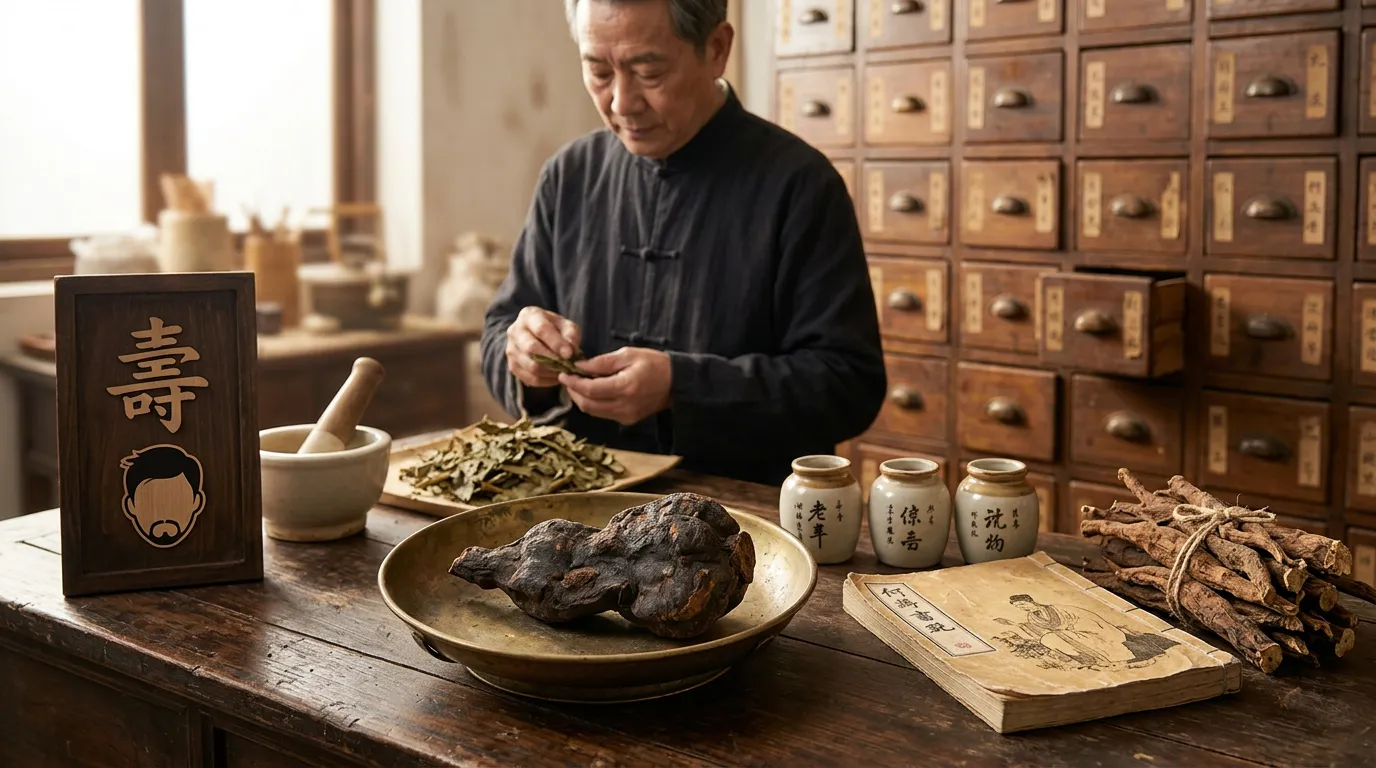
Fo-Ti, also known as He Shou Wu, is a traditional Chinese herb derived from Polygonum multiflorum Thunb, or Chinese knotweed. It has been celebrated for centuries in Eastern medicine for its reputed ability to promote general health, support longevity, and enhance vitality. Today, many people around the world are curious about the potential benefits of Fo-Ti, especially regarding its anti-aging effects and impact on hair health.
Investigating Anti-Aging Effects Supported by Anecdotal Evidence
The name He Shou Wu translates to “the black-haired Mr. He,” referring to a legend where an elderly man named Mr. He experienced a remarkable transformation that restored his youthful vigor and dark hair after using this herb. This story highlights one of the most popular reasons people turn to Fo-Ti: its supposed anti-aging properties.
Many users report feeling more energetic and notice improvements in their overall well-being after incorporating Fo-Ti into their routines. Laboratory studies have identified several biological activities associated with compounds found in Fo-Ti, including anti-inflammatory and antioxidant effects that could theoretically slow some aspects of aging at the cellular level.
- Anti-inflammatory properties: Chronic inflammation is linked to many age-related diseases; reducing it may help maintain better health over time.
- Antioxidant activity: Antioxidants combat oxidative stress, which contributes to aging and cell damage.
However, it’s important to note that these findings primarily come from test-tube experiments or animal studies. Human research remains limited and generally lacks high-quality evidence to firmly establish Fo-Ti’s effectiveness as an anti-aging supplement.
Effects on Hair Health and Vitality
A widely discussed benefit of Fo-Ti is its positive influence on hair quality—particularly its reputed ability to restore natural hair color and improve hair strength. Many people who use this herb report noticeable improvements in hair texture, thickness, and even a reduction in premature graying.
This aligns with traditional uses where He Shou Wu was employed specifically for “hair blacking” — helping individuals regain darker hair color naturally without chemical dyes. While scientific data supporting this effect is scarce, user experiences often highlight enhanced scalp health and increased vitality of hair follicles after regular use.
“People often report improvements in hair quality and vitality after using He Shou Wu.”
The exact mechanisms behind these effects remain unclear but may relate to the herb’s antioxidant capacity protecting cells within the scalp or influencing hormone levels that affect hair growth cycles.
Potential Influences on Chronic Health Conditions Like Diabetes
Beyond aging and cosmetic benefits, Fo-Ti has been explored for possible roles in managing chronic conditions such as diabetes. Some laboratory studies suggest that compounds within Fo-Ti exhibit antidiabetic properties by helping regulate blood sugar levels or improving insulin sensitivity.
- Antidiabetic effects: Experimental models show reduced blood glucose levels when treated with extracts from Fo-Ti plants.
- Lipid regulation: There is some evidence indicating potential cholesterol-lowering effects which could benefit cardiovascular health.
This points toward a broader therapeutic potential for Fo-Ti beyond just aging or cosmetic uses; however, human clinical trials are sparse and often methodologically weak. Therefore, while preliminary findings are promising for conditions like diabetes or heart disease prevention, they should be interpreted cautiously until more rigorous research confirms these benefits conclusively.
The Need for Further Research
The current body of evidence surrounding Fo-Ti benefits largely stems from traditional knowledge combined with early-stage scientific investigations. Although laboratory studies demonstrate various biological activities—including anti-inflammatory, antibacterial, antitumor effects—the translation of these results into clear human health outcomes remains uncertain due to limited clinical data.
This gap underscores why healthcare professionals emphasize caution when considering supplementation with He Shou Wu products. The appropriate dosage varies depending on individual factors such as age, reason for use, and overall health status—and safe interactions with other medications are not well understood yet either.
A Balanced View on Experience-Based Benefits
Despite these limitations in scientific proof, many continue turning toward Fo-Ti because of its long history within traditional Chinese medicine coupled with positive personal experiences related to energy levels, skin appearance, longevity hopes—and notably improved hair condition including natural “hair blacking.” These anecdotal accounts contribute significantly to ongoing interest worldwide but should always be balanced against safety considerations discussed elsewhere.
Safety Concerns and Risks Associated with He Shou Wu Usage
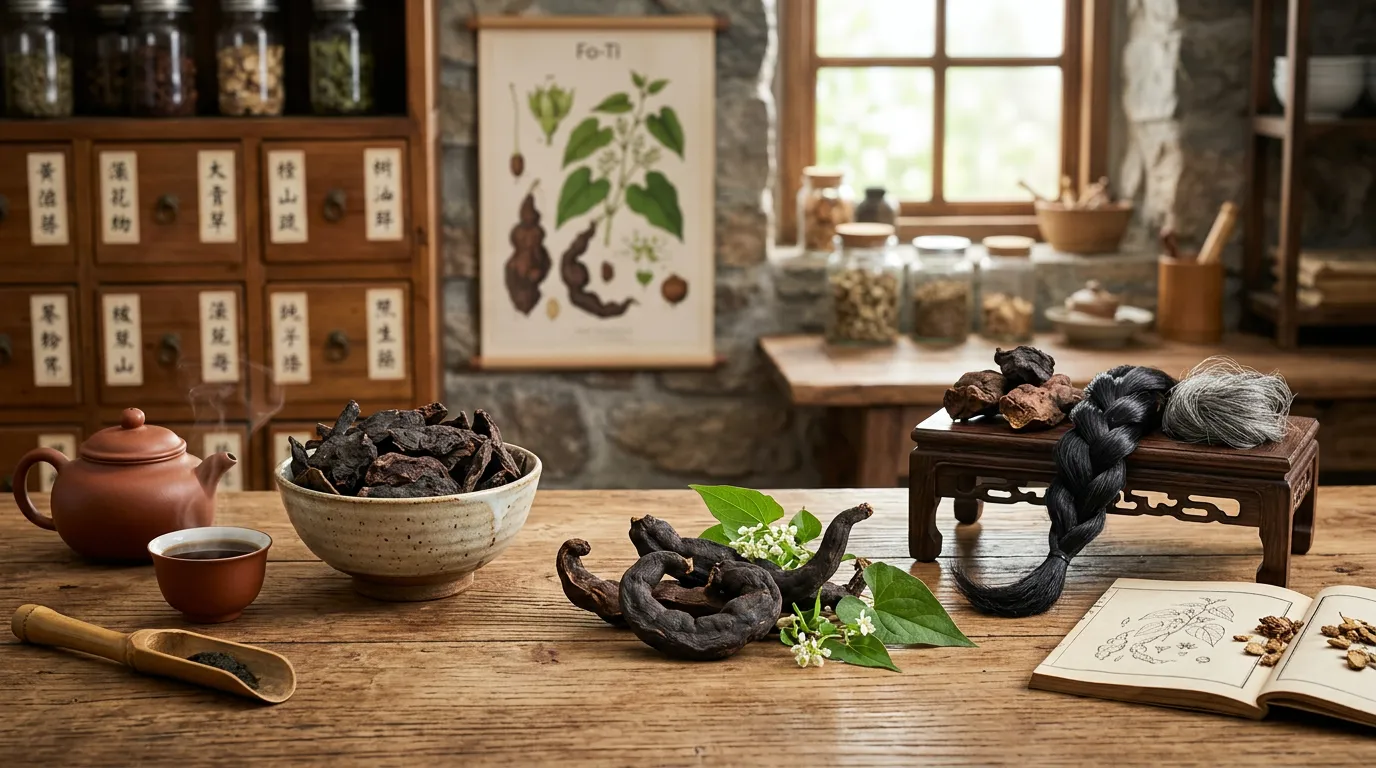
He Shou Wu, also known as Fo-Ti, has been celebrated for centuries in traditional Chinese medicine for its supposed benefits related to longevity, hair health, and overall vitality. However, despite its long history of use, modern research has raised significant questions about the safety profile of He Shou Wu, particularly concerning liver health. As someone exploring this ancient herb, it is crucial to understand the potential risks involved before considering its use.
Understanding the Liver Damage Risks Linked to Fo-Ti
One of the most serious safety concerns associated with He Shou Wu is its potential to cause liver damage. Reports have documented cases ranging from chronic liver disease to acute liver failure and even death following consumption of this herb. The exact mechanism behind this toxicity is not fully understood, but it appears that certain compounds in He Shou Wu can adversely affect liver function in some individuals.
The risk seems to increase with both dosage and duration of use. Research indicates that consuming less than 12 grams per day may still lead to liver injury if taken continuously for around 60 days or more. On the other hand, doses exceeding 12 grams per day can result in liver damage after approximately 30 days. This suggests a dose-dependent relationship where higher amounts over shorter periods pose greater dangers.
Given these findings, anyone considering He Shou Wu should be cautious about prolonged or high-dose usage. Monitoring liver function through medical tests during supplementation might be advisable to detect any early signs of harm.
The Debate Over Raw vs. Processed He Shou Wu
An ongoing discussion within herbal medicine circles revolves around whether raw or processed forms of He Shou Wu are safer for consumption. Traditionally, raw Polygonum multiflorum (the botanical name) is believed to carry a higher risk of toxicity compared to processed versions that undergo steaming or boiling with black beans and other agents.
This processing method is thought to reduce harmful constituents while preserving beneficial ones; however, scientific evidence supporting this claim remains limited and inconclusive when applied to humans. Most safety data come from case reports rather than controlled clinical trials.
Therefore, while processed He Shou Wu might have a better safety profile theoretically, there is no definitive proof confirming it as completely safe either. Consumers should remain vigilant regardless of which form they choose and ideally seek products from reputable sources that adhere to quality standards.
Importance of Dosage and Monitoring
The appropriate dosage for He Shou Wu has not been firmly established due to insufficient human studies examining its effects across different populations and health conditions. Dosage recommendations vary widely depending on factors such as age, reason for use, existing medical issues, and concurrent medications.
This lack of standardized dosing guidelines contributes significantly to safety concerns since taking too much or using the herb improperly could increase adverse effects like hepatotoxicity (liver toxicity). Moreover, interactions between Fo-Ti and prescription drugs remain poorly understood but could potentially exacerbate risks or reduce medication efficacy.
Because of these uncertainties surrounding dosage and interactions, medical supervision before starting any regimen involving He Shou Wu is strongly advised—especially if you plan on using it regularly or at higher doses than commonly suggested by traditional practices.
A Call for More High-Quality Human Research
While laboratory studies have demonstrated promising biological activities such as anti-inflammatory properties and possible benefits against diabetes or nervous system decline in test tubes or animal models, translating these results into safe human applications requires rigorous clinical trials that are currently lacking.
The urgent need exists for well-designed human studies assessing both efficacy and safety parameters including optimal dosing strategies and long-term effects on organs like the liver. Until such data become available through credible scientific channels rather than anecdotal reports alone, caution must prevail regarding widespread use.
Conclusion
In summary, despite its reputation as an ancient wonder herb , He Shou Wu carries notable safety concerns primarily related to liver damage risks linked with Fo-Ti consumption. The debate over whether raw versus processed forms offer safer alternatives remains unresolved due to limited evidence.
Dosage plays a critical role in minimizing harm; exceeding certain thresholds increases the likelihood of adverse outcomes significantly.
Given these complexities alongside insufficient high-quality human research validating effectiveness or establishing universal safe dosages, consulting healthcare professionals before beginning any supplement containing He Shou Wu is essential. Prioritizing medical guidance ensures monitoring for potential side effects while weighing benefits against risks responsibly.
Ultimately, approaching this traditional herb with informed caution helps protect your health while honoring its cultural heritage .
TL;DR: He Shou Wu (Fo-Ti) is a traditional herb with potential health benefits, but it carries risks, particularly to liver health. Always consult a doctor before use.
Comments
Post a Comment