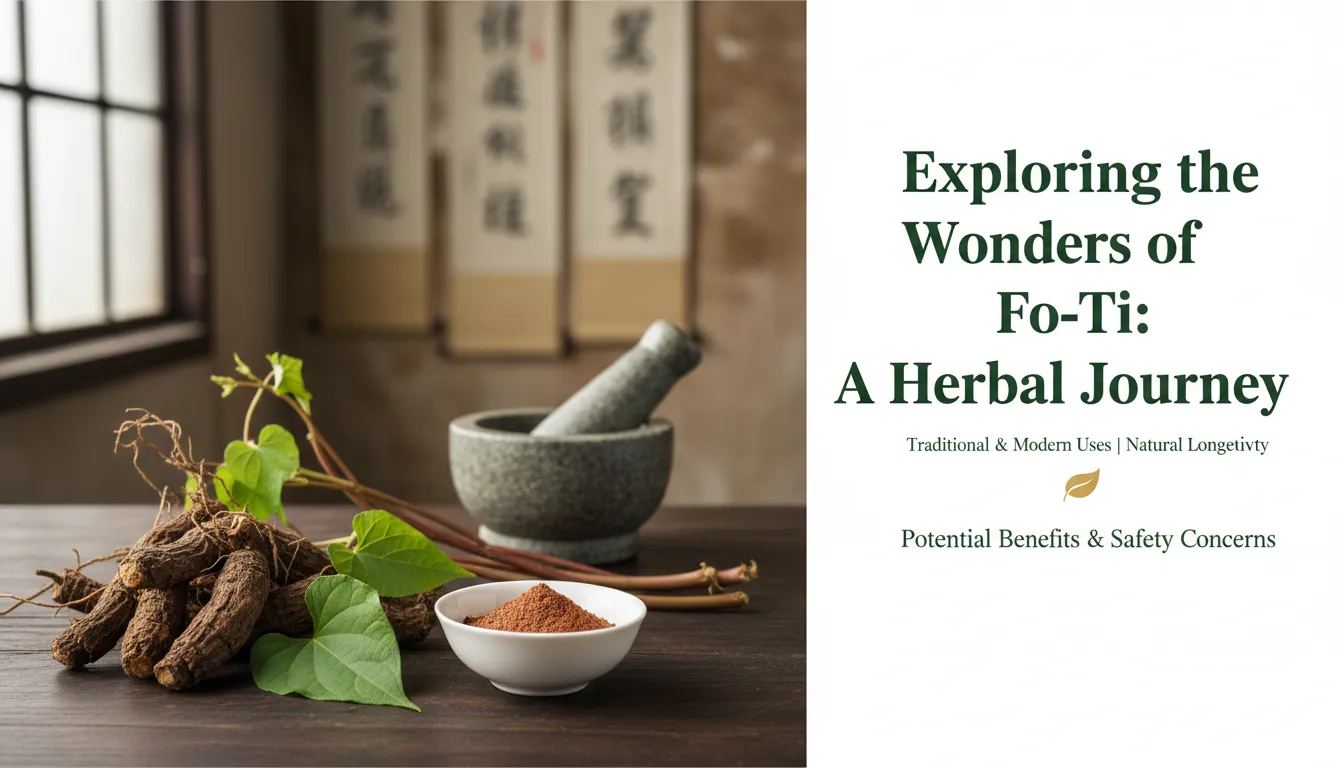
When I first stumbled upon the herb Fo-Ti, I was drawn to the mystical stories surrounding it. Known as He Shou Wu, this climbing plant is steeped in rich tradition. Legend has it that a man named Mr. He restored his youthful vitality through its use. Was it really just folklore, or does this plant hold genuine promise? Join me as I dive deeper into the world of Fo-Ti, exploring its history, benefits, and the cautionary tales that accompany its use.
The Historical Significance of Fo-Ti
Ancient Roots: How Fo-Ti Became Revered in Traditional Chinese Medicine
Fo-Ti, known scientifically as Polygonum multiflorum and traditionally as He Shou Wu in Chinese culture, has a long-standing history that stretches back centuries. It is a climbing plant native to China and also cultivated in Taiwan and Japan. Its use in traditional Chinese medicine (TCM) reflects a deep cultural appreciation for natural remedies believed to promote health and longevity.
In TCM, Fo-Ti is more than just an herb; it is considered a powerful tonic with the ability to balance the body's yin and yang energies. This balance is essential for maintaining good health according to TCM philosophy. Over time, Fo-Ti became widely used not only for its perceived anti-aging properties but also for addressing various ailments such as constipation, skin problems, muscle soreness, high blood pressure, and even infertility.
The herb’s reputation was further solidified through its inclusion in longevity tonics—formulas designed to extend life span and improve vitality. Such traditional practices often involved preparing Fo-Ti in different ways, including white (unprocessed) and red (cooked with yellow rice wine and black soybean juice) forms that were believed to serve distinct therapeutic purposes.
The Legendary Mr. He: What His Story Tells Us About Fo-Ti's Reputation
"A poor man named Mr. He regained his health, brightened his complexion, fathered a son, and saw his hair turn black after eating wild plants including the fo-ti root."
This central legend about Mr. He plays a crucial role in understanding the cultural importance of Fo-Ti or He Shou Wu. According to the story passed down through generations in China, Mr. He was once frail and aging prematurely but experienced remarkable rejuvenation after consuming wild plants—most notably the root of Fo-Ti.
The tale highlights several key benefits attributed to the herb: restoration of vitality, reversal of gray hair back to black, improved fertility by fathering a son late in life, and overall enhanced well-being. This narrative helped cement Fo-Ti’s symbolic association with longevity and youthfulness within Chinese society.
Because stories like that of Mr. He are woven into folklore rather than scientific records, they reflect how traditional beliefs shape herbal medicine usage culturally rather than provide clinical proof by modern standards.
Cultural Connections: Fo-Ti's Role in Wellness Practices Across Asia
Beyond China’s borders, Fo-Ti has found its place within wellness traditions across Asia—particularly in Taiwan and Japan where it is also cultivated. In these regions as well as throughout East Asia generally:
- Fo-Ti serves as an emblem of longevity: Its name “He Shou Wu” literally translates to “Mr. He’s Black Hair,” symbolizing youthfulness preserved against aging forces.
- Traditional rituals incorporate both forms: White fo-ti is commonly used externally or for digestive issues while red fo-ti functions more as an internal energy booster linked with restoring vigor.
- Cultural wellness practices emphasize holistic care: Herbal blends containing fo-ti are combined with other ingredients aimed at harmonizing bodily functions rather than targeting isolated symptoms alone.
This integration into daily life underscores how deeply embedded fo-ti remains—not just as medicine but also as part of cultural identity tied closely with nature-based healing philosophies prevalent across Asian societies.
A Symbol of Longevity Through Time
The enduring legacy of fo-ti lies partly within its symbolism representing vitality sustained over time—a concept cherished universally yet expressed uniquely through this particular herb’s story and use patterns throughout history.
This symbolism continues today where many seek natural alternatives aligned with ancient wisdom amidst modern health challenges involving aging populations worldwide.
Traditional Practices And Rituals Involving Fo-Ti
- Potion preparation: Red fo-ti typically involves cooking raw roots with yellow rice wine plus black soybean juice—a process thought necessary for unlocking restorative powers associated specifically with energy enhancement effects;
- Dietary supplements: Historically consumed either directly or incorporated into teas or broths intended for sustained consumption;
- Cleansing rituals: Used topically or internally during seasonal changes believed beneficial for detoxification;
- Spa treatments: Modern adaptations include skin creams or shampoos infused with fo-ti extracts aiming at preserving youthful appearance consistent with traditional claims about skin health benefits;
Taken together these customs highlight how fo-ti bridges medicinal function alongside ritualistic meaning reflecting broader human desires toward wellness preservation grounded on centuries-old knowledge systems.

Modern Applications of Fo-Ti
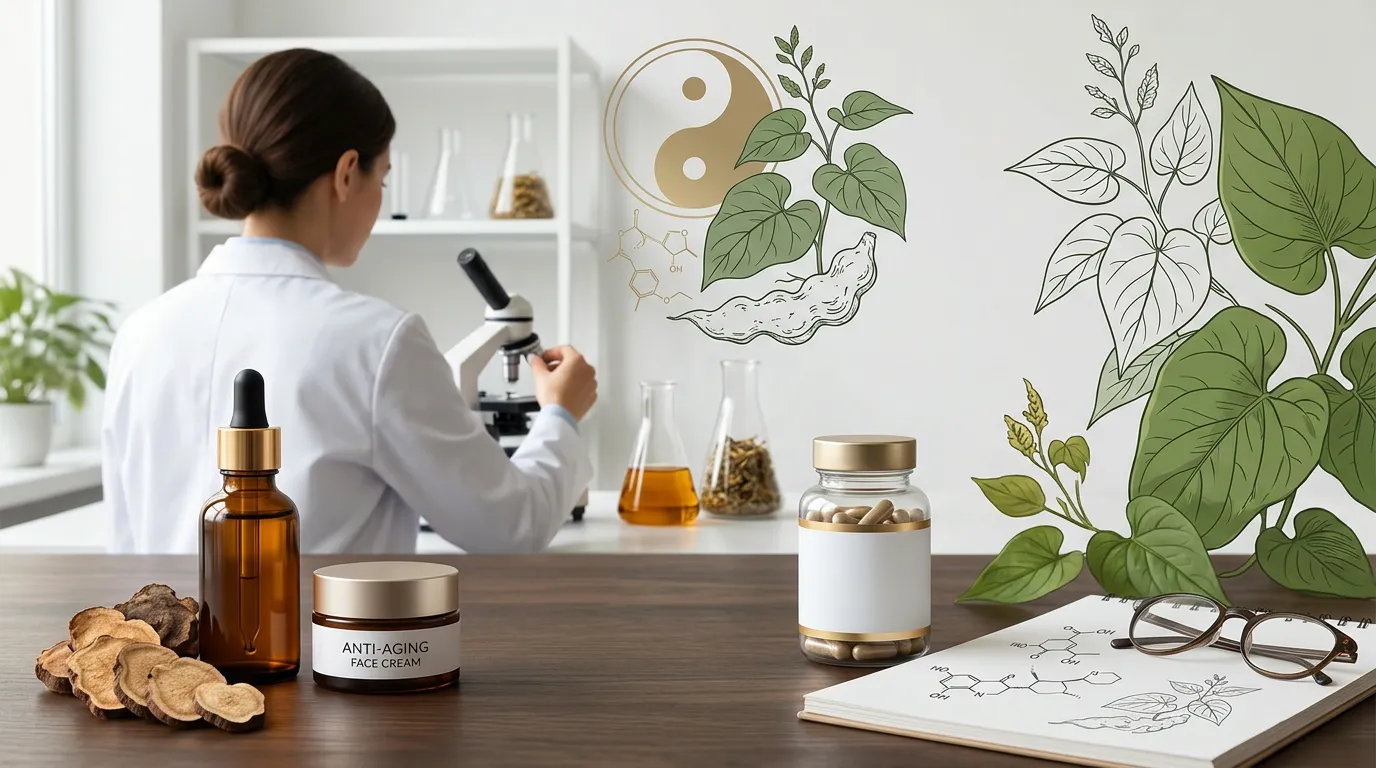
Fo-Ti, also known as Polygonum multiflorum or He Shou Wu, has a rich history rooted in traditional Chinese medicine (TCM), where it is celebrated for its reputed ability to promote longevity and vitality. Today, this ancient herb is making its way into modern herbal products and wellness routines worldwide. From skin creams to dietary supplements, Fo-Ti supplements are becoming increasingly popular as part of holistic health approaches.
Diverse Uses: From Creams to Supplements
In the contemporary market, Fo-Ti is infused into a wide variety of health and beauty products. It’s not limited to just one form; instead, you can find it incorporated into over 10 different types of products available in the U.S., reflecting its versatile applications. Some common modern uses include:
- Skin creams and lotions: Fo-Ti’s antioxidant properties make it a sought-after ingredient in skincare formulations aimed at improving complexion and addressing skin concerns such as acne or dryness.
- Hair-care shampoos and conditioners: Many haircare brands use Fo-Ti extracts to help restore hair color naturally, reduce premature graying, and promote overall scalp health.
- Teas and tinctures: Traditional consumption methods continue with herbal teas that incorporate Fo-Ti root for general wellness support.
- Pills and capsules: These are among the most popular forms of Fo-Ti supplements today, often marketed as energy tonics or anti-aging aids.
This broad range highlights how modern herbal products featuring Fo-Ti cater to both internal health benefits and external beauty enhancements. The shift towards holistic wellness solutions means consumers are looking for natural ingredients like Fo-Ti that offer multiple benefits across body systems.
Benefits Claimed: Traditional Wisdom Meets Modern Use
The traditional uses of Fo-Ti remain influential in how it’s applied today. In TCM, two main forms exist: white fo-ti (unprocessed) and red fo-ti (processed by cooking with yellow rice wine and black soybean juice). Each form targets different health concerns:
- White fo-ti: Traditionally used for relieving constipation, treating acne, athlete’s foot, scrapes, and other skin problems.
- Red fo-ti: Considered an energy tonic believed to restore hair color naturally, counter premature aging effects like wrinkles or fatigue, improve erectile dysfunction symptoms, and support overall vitality.
Beyond these specific uses, TCM associates Fo-Ti with managing headaches, muscle soreness, high blood pressure, diabetes control efforts, tuberculosis support treatments—even cancer prevention—and infertility issues. Modern users often embrace these claims while seeking natural alternatives for age-related concerns or chronic conditions.
Expert Insights: What Does Research Say About Fo-Ti?
The scientific community has begun exploring some of the potential benefits attributed to Fo-Ti through empirical research. Although more rigorous studies are needed before definitive conclusions can be drawn or safe dosage guidelines established, early findings suggest promising properties including neuroprotection, antioxidant effects, anti-inflammatory actions, cholesterol management potential,and even cancer-fighting capabilities.
| Research Area | Description | Cited Source |
|---|---|---|
| Neuroprotective & Antioxidant Effects | A compound found in Fo-Ti may protect nerve cells from damage caused by oxidative stress. | The Journal of Ethnopharmacology review |
| Estrogen-like Activity | A study reported unexpectedly high estrogenic activity from certain compounds within the herb which could influence hormonal balance. | The Journal of Clinical Endocrinology & Metabolism study |
| Laxative Effects & Liver Toxicity Risks | Anthraquinones present in Fo-Ti contribute laxative properties but have been linked with liver toxicity cases requiring caution. | The U.S. National Library of Medicine reports on liver injury incidents related to usage |
This emerging evidence underscores why many healthcare professionals recommend discussing any intention to use Fo-Ti supplements with a doctor first—especially due to safety concerns like possible liver damage or interactions related to estrogen-sensitive conditions. Pregnant individuals are generally advised against using it altogether until more data becomes available regarding safety profiles.
The Market Landscape: Notable Brands Incorporating Fo-Ti Into Their Products
The growing interest in natural remedies has led several reputable supplement companies to include Fo-Ti in their product lines alongside other well-known herbs such as Ashwagandha or turmeric. For example:
- Lifestyle-focused multivitamins: Garden of Life Organics Whole Food Multivitamin ($39.99 for 60 vegan tablets) sometimes features complementary botanicals including extracts similar to those found in traditional formulas containing fo-ti roots.
- B-Complex blends: Lifestyle brands like Life Extension offer BioActive Complete B-Complex ($9 for 60 vegetarian capsules), which may be paired with separate fo-ti supplements by consumers seeking comprehensive nutrient support.
- Mood & stress relief formulations: Ashwagandha-based products such as Swanson Full Spectrum Ashwagandha ($7.79 for 100 vegan capsules) often appear alongside discussions about herbs like fo-ti due to shared adaptogenic qualities.
- Mineral supplementation: Sourcing magnesium from Doctor’s Best High Absorption Magnesium ($18.19 for 240 tablets) complements botanical supplementation strategies involving herbs like fo-ti.
- Diverse herbal blends: Certain specialized skin creams or shampoos integrate red fo-ti extract aiming at revitalizing hair pigmentation while supporting scalp health naturally.
This variety illustrates how modern herbal product manufacturers leverage both traditional knowledge about fo-ti's benefits along with emerging scientific insights when designing new offerings tailored toward holistic wellness trends seen globally today.
If you’re considering trying any form of Fo-Ti supplements or modern herbal products containing this remarkable plant extract , remember that quality control varies widely across brands due partly because dietary supplements face less stringent FDA oversight than pharmaceuticals here in the United States. Always choose trusted sources verified by third-party testing whenever possible—and consult your healthcare provider before adding them into your routine—especially if you have pre-existing medical conditions or take other medications regularly.
Safety Considerations with Fo-Ti
As I explored the fascinating world of Fo-Ti, also known as Polygonum multiflorum or He Shou Wu, it became clear that while this traditional herb holds a rich history and promising potential benefits, there are important safety considerations to keep in mind. Understanding the Fo-Ti side effects, its regulatory status, and why consulting a healthcare provider is essential can help anyone interested in this herbal supplement make informed decisions.
One of the most significant concerns surrounding Fo-Ti consumption is its association with liver toxicity. Reports have increasingly highlighted cases of acute liver damage linked to Fo-Ti use, with some studies suggesting that approximately 3% of users may experience such adverse effects. Although many individuals recover after discontinuing the herb, there have been rare but serious instances resulting in fatalities. This risk appears connected to compounds found in Fo-Ti called anthraquinones, which can exert laxative effects but may also contribute to liver injury when consumed in certain forms or doses.
Another notable safety issue involves Fo-Ti’s estrogen-like activity. Research published in reputable journals has indicated unexpectedly high estrogenic effects from compounds within the plant. This raises caution for people with estrogen-sensitive conditions such as certain cancers or hormonal disorders. Pregnant individuals are generally advised to avoid Fo-Ti altogether due to these hormonal influences and insufficient evidence on safety during pregnancy.
The distinction between white (unprocessed) and red (processed) Fo-Ti is relevant here as well because traditional Chinese medicine attributes different uses and potencies to each form. However, modern science has yet to establish safe or effective dosages for either type conclusively. Without standardized dosing guidelines, consumers face uncertainty regarding how much they can safely take without risking side effects.
When considering the broader context of herbal supplements like Fo-Ti, it’s important to recognize that their regulation differs significantly from pharmaceutical drugs in countries like the United States. Unlike prescription medications or over-the-counter drugs subject to rigorous FDA approval processes for safety and efficacy before reaching consumers, herbal products are often marketed as dietary supplements under laxer oversight rules.
This regulatory landscape means that manufacturers do not need to prove their products’ effectiveness or fully disclose all ingredients before selling them. The National Center for Complementary and Integrative Health (NCCIH) has raised concerns about adulteration and contamination risks—such as undisclosed pharmaceuticals, toxins, or heavy metals—in some herbal supplements on the market. These issues further complicate assessing both quality and safety when purchasing Fo-Ti products.
Given these factors—the documented liver toxicity cases linked with Fo-Ti use; its potential estrogen-like effects; unclear dosing standards; and less stringent regulatory controls—it becomes clear why medical professionals emphasize caution around this herb’s use.
I strongly recommend discussing any interest in trying Fo-Ti with a qualified healthcare provider beforehand. A doctor can help evaluate personal health conditions that might increase risks from this supplement and advise on possible interactions with other medications you may be taking. They can also monitor your health if you decide to proceed with using Fo-Ti so any adverse reactions can be caught early.
In summary, while Fo-Ti carries an intriguing legacy rooted deeply in traditional Chinese medicine—celebrated for promoting longevity, vitality, hair health, and more—the scientific community remains cautious due to emerging evidence about its side effects and incomplete understanding of safe usage parameters.
If you choose to explore this herbal journey further through teas, capsules, creams, or other formulations available online or at health stores (including popular platforms offering various supplements), always prioritize safety by verifying product quality from reputable sources and maintaining open communication with your healthcare team.
The story of Fo-Ti reflects a broader conversation about balancing respect for ancient remedies alongside modern scientific scrutiny—a reminder that natural does not always mean risk-free but rather calls for informed choices supported by ongoing research and professional guidance.
TL;DR: Fo-Ti, or He Shou Wu, offers intriguing potential for health benefits but carries significant safety risks that require careful consideration.
Comments
Post a Comment