
I stumbled upon some startling information about carbonated drinks that made me rethink my choices at the grocery store. Have you ever wondered whether that fizzy soda could be more dangerous than refreshing? A recent study digging into the impact of sparkling beverages left me both alarmed and informed. As someone who enjoys the occasional fizzy drink, I found myself questioning: how does my penchant for carbonation affect my health?
Carbonated Beverages and Stroke Risk: The Shocking Stats
When it comes to stroke risk, many of us might not immediately think about the drinks we consume daily. However, a global study involving nearly 27,000 people has revealed some eye-opening statistics about carbonated beverages and their impact on stroke risk. According to research highlighted by Deborah Murphy, M.S., RDN, in EatingWell’s article The Surprising Drink That Could Increase Your Stroke Risk, individuals who regularly drink carbonated beverages—whether sugar-sweetened or artificially sweetened—face a 22% higher risk of stroke compared to those who do not.
Fizzy Drinks and Increased Stroke Risk
The study’s findings are particularly concerning given how common fizzy drink consumption is worldwide. Drinking two or more carbonated drinks per day was linked to an even greater increase in stroke risk. This suggests that the frequency and quantity of these beverages play a significant role in shaping health outcomes related to vascular events like strokes.
Stroke remains one of the leading causes of disability in the United States, according to the American Heart Association (AHA). Fortunately, many strokes are largely preventable through lifestyle changes—including dietary habits. Understanding how carbonated drinks contribute to this risk is crucial for making informed choices.
Sugar Content: A Major Contributor
A key factor behind this increased stroke risk is the high sugar content found in many carbonated beverages. Nearly half of U.S. adults consume at least one sugar-sweetened beverage daily, which adds up quickly when considering added sugars’ effects on overall health.
- A single 12-ounce can of soda typically contains about 10 teaspoons of added sugar.
- This amount often exceeds recommended daily limits set by organizations like the American Heart Association—about 6 teaspoons for women and 9 teaspoons for men.
Excessive sugar consumption contributes directly to several conditions that elevate stroke risk:
- Metabolic syndrome: A cluster of conditions including high blood pressure, elevated blood sugar levels, excess body fat around the waist, and abnormal cholesterol levels.
- Obesity: Excess weight increases strain on the cardiovascular system and raises stroke risk significantly.
- High blood pressure: Often called “the silent killer,” hypertension damages arteries over time and increases chances of clot formation or bleeding in the brain.
- Diabetes: Poorly controlled blood glucose levels damage blood vessels and nerves throughout the body.
The Role of Added Sugars in Stroke Risk
The relationship between added sugars from sugary sodas and these health issues creates a dangerous cycle that elevates stroke risk substantially. Since liquid calories from sugary drinks tend not to satisfy hunger as solid foods do, they can lead to overeating and weight gain without reducing appetite effectively. This makes managing calorie intake more challenging for many individuals consuming multiple servings daily.
Caffeine Considerations Alongside Sugar Consumption
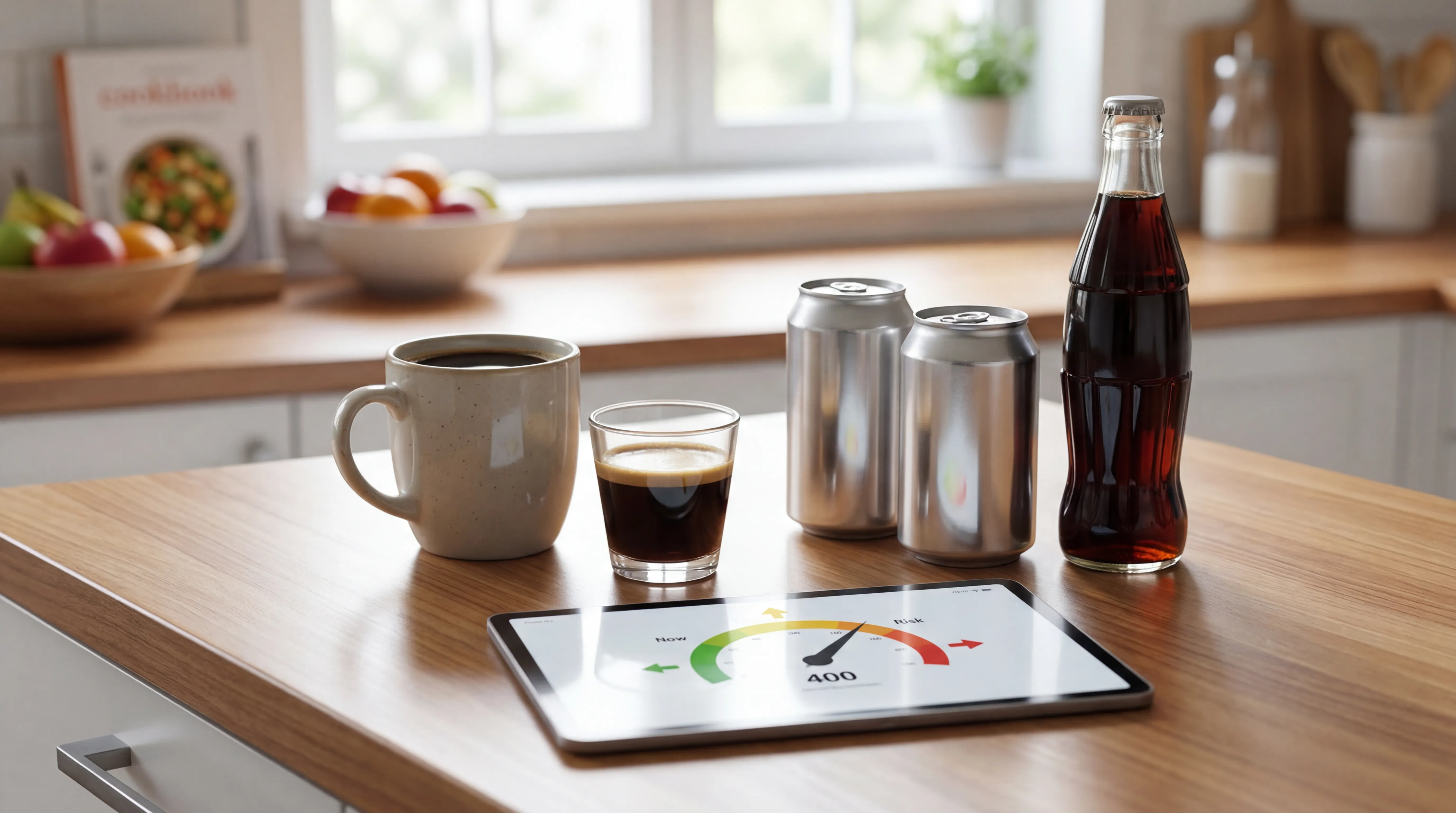
Caffeine content also plays a role but with nuances worth noting. While moderate caffeine intake (up to about 400 milligrams per day) is generally safe for healthy adults, excessive caffeine may harm vascular health. For context:
- A typical caffeinated soda contains roughly one-third the caffeine found in coffee (about 33 mg vs. approximately 96 mg per cup).
- Consuming multiple cans can cause caffeine intake to add up quickly.
The combined effects of high sugar plus caffeine from frequent soda consumption could further exacerbate risks related to heart attack or stroke—especially among individuals with pre-existing hypertension or other cardiovascular concerns.
A Call for Behavioral Change Based on Research Insights
This compelling data underscores why behavioral change regarding beverage choices is critical for reducing stroke risk across populations globally. Reducing intake of both sugar-sweetened and artificially sweetened carbonated drinks appears prudent until clearer evidence emerges about alternatives such as unsweetened sparkling water—which currently lacks definitive conclusions regarding its safety relative to stroke prevention.
| Statistic | Description |
|---|---|
| 22% | Increased stroke risk associated with any consumption of carbonated beverages (sugar-sweetened or artificially sweetened) |
| 50% | % of U.S. adults consuming at least one sugar-sweetened beverage daily |
| 10 tsp | Sugar content typically found in a single can (12 oz) of soda – often exceeding recommended daily limits |
| DASH & Mediterranean Diets Recommended | Lifestyle approaches proven effective at lowering overall cardiovascular risks including strokes |
Taken together, these statistics highlight just how much our choice—and frequency—of drinking carbonated beverages influences our long-term brain health through increased vulnerability toward strokes caused by vascular damage over time.

Caffeine Conundrum: Navigating Risks and Benefits
Caffeine consumption is a daily ritual for millions around the world, often enjoyed through coffee, tea, or carbonated beverages. While caffeine can provide a much-needed energy boost and improve alertness, its impact on vascular health and stroke risk deserves careful consideration. Understanding recommended caffeine limits and how different sources contribute to overall intake is essential for making informed dietary choices.
Recommended Caffeine Limits for Adults
Health organizations generally agree that up to 400 milligrams of caffeine per day is considered safe for most healthy adults. This amount roughly equals four cups of brewed coffee. Staying within this limit helps minimize potential negative effects on the cardiovascular system.
However, exceeding this threshold may increase health risks, particularly concerning stroke. Research indicates that consuming more than four cups of coffee daily was linked to a 37% increase in stroke risk. For individuals with hypertension or other pre-existing conditions, even moderate caffeine intake (200–300 mg per day) has been associated with higher mortality from heart attack or stroke.
Caffeine Content: Sodas vs. Coffee
Caffeinated sodas typically contain less caffeine than coffee—about 33 milligrams per 12-ounce can compared to approximately 96 milligrams in an equivalent serving of brewed coffee. However, drinking multiple cans throughout the day can quickly add up and push total caffeine intake beyond recommended limits.
| Beverage | Caffeine Content (per 12 oz) |
|---|---|
| Brewed Coffee | ~96 mg |
| Caffeinated Soda | ~33 mg |
| Energy Drinks* | Varies; often >80 mg per serving |
*Energy drinks may contain significantly higher levels of caffeine than both soda and coffee, sometimes exceeding safe daily limits with just one can.
The Impact of Caffeine on Vascular Health and Stroke Risk
The relationship between caffeine consumption and stroke risk is complex. Moderate amounts appear safe for most people, but excessive intake can negatively affect blood pressure and vascular function—key factors influencing stroke risk.
- High blood pressure: Excessive caffeine may cause temporary spikes in blood pressure, which over time could contribute to hypertension—a major stroke risk factor.
- Heart rhythm disturbances: Large doses of caffeine might trigger irregular heartbeats in sensitive individuals.
- Anxiety and sleep disruption: Poor sleep quality linked to high caffeine intake can indirectly elevate cardiovascular risks.
A global study involving nearly 27,000 participants found that those who consumed two or more carbonated beverages daily had a significantly higher stroke risk—22% greater than those who drank fewer fizzy drinks. While sugar content played a role in this increased risk, the cumulative effect of added sugars plus caffeine cannot be overlooked when considering overall vascular health.
The Role of Moderation in Caffeine Intake
The key takeaway from current research is that moderation matters greatly when it comes to caffeine consumption. Keeping intake below the recommended limit helps mitigate potential adverse effects while still allowing enjoyment of caffeinated beverages as part of a balanced lifestyle.
"Up to 400 milligrams of caffeine per day is generally safe for healthy adults," notes nutrition expert Deborah Murphy in EatingWell’s article “The Surprising Drink That Could Increase Your Stroke Risk.” She emphasizes that going beyond this threshold may harm vascular health and elevate stroke risk."
Cumulative Effects Matter Too
Avoiding excessive consumption means paying attention not only to individual drinks but also total daily intake from all sources—including sodas, energy drinks, coffee, tea, and even some medications or supplements containing caffeine.
- If you drink multiple cans of caffeinated soda along with several cups of coffee or energy drinks throughout the day, your total intake could easily surpass safe levels without realizing it.
Dietary Guidance Beyond Caffeine Limits
A comprehensive approach to reducing stroke risk involves more than just monitoring caffeine—it includes managing weight through diet since sugary beverages contribute extra calories without promoting fullness.
Sugar-sweetened drinks average about 140+ calories each; frequent consumption contributes to overweight (which increases stroke risk by about 22%) and obesity (linked with a roughly 64% higher stroke risk). Choosing water or unsweetened options instead supports better weight management alongside moderated caffeine use.
The American Heart Association recommends dietary patterns like DASH (Dietary Approaches to Stop Hypertension) or Mediterranean diets rich in potassium-containing foods such as bananas, potatoes, oranges, salmon, and white beans—all beneficial for heart-brain health.
This multifactorial strategy also stresses physical activity—to counter sedentary behavior known to raise stroke risk by up to 44%—and lifestyle changes like quitting smoking/vaping plus limiting alcohol consumption.
Navigating the balance between enjoying caffeinated beverages while protecting vascular health requires awareness about quantity consumed across all sources combined. Moderation remains crucial as we consider broader dietary guidance aimed at lowering overall stroke risk effectively.
Strategies for Lowering Stroke Risk: A Holistic Approach
When it comes to stroke prevention, adopting a comprehensive lifestyle strategy is essential. Research shows that stroke risk is influenced by a combination of genetics, diet, and lifestyle choices. While the recent global study highlighted in EatingWell’s article by Deborah Murphy underscores the hidden dangers of carbonated drinks—both sugar-sweetened and artificially sweetened—there are many actionable steps we can take to reduce our risk and promote healthy living.
One of the most straightforward strategies involves making smarter beverage choices. The study revealed that consuming two or more fizzy drinks daily increases stroke risk by 22%, which is significant given that nearly half of U.S. adults consume at least one sugar-sweetened beverage every day. These drinks often contain high amounts of added sugars—around 10 teaspoons per 12-ounce can—which exceed recommended daily limits set by the American Heart Association (6 teaspoons for women and 9 for men). Even switching to artificially sweetened sodas hasn’t been proven to lower stroke risk effectively, so opting for water, herbal tea, or unsweetened beverages is a safer bet. Unsweetened sparkling water may be an alternative, though its exact impact on stroke risk remains unclear.
Diet plays a crucial role in heart health and stroke prevention beyond just what we drink. Incorporating dietary patterns like the DASH (Dietary Approaches to Stop Hypertension) diet or the Mediterranean diet can significantly improve cardiovascular outcomes. Both diets emphasize whole foods such as fruits, vegetables, whole grains, lean proteins, nuts, and healthy fats while limiting sodium intake—a key factor in managing blood pressure.
The DASH diet specifically recommends higher potassium intake—about 2,600 mg per day for women and 3,400 mg per day for men—to help balance sodium levels and support vascular health. Foods rich in potassium include bananas, potatoes, oranges, salmon, and white beans. Increasing potassium through natural food sources supports better heart function and helps reduce hypertension-related risks associated with strokes.
Physical activity also cannot be overlooked when discussing strategies for lowering stroke risk. Sedentary behavior has been linked with up to a 44% increase in stroke risk according to research cited in the article. Staying active through regular exercise helps maintain a healthy weight—a critical factor since overweight individuals face about a 22% higher chance of experiencing a stroke while obesity raises this risk by approximately 64%. Exercise improves circulation, lowers blood pressure, enhances insulin sensitivity, and reduces inflammation—all protective factors against strokes.
In addition to exercise and diet changes, other lifestyle modifications contribute meaningfully to reducing stroke incidence. Quitting smoking—including vaping—and limiting alcohol consumption are vital steps toward healthier arteries and overall wellbeing. Managing caffeine intake is also important; while moderate caffeine consumption (up to 400 mg per day) is generally safe for healthy adults, excessive caffeine—especially from multiple caffeinated sodas or energy drinks—can negatively affect vascular health.
The holistic approach I’ve outlined here aligns well with expert recommendations from organizations like the American Heart Association and findings from large-scale studies such as INTERSTROKE. It’s clear that no single change will eliminate your risk entirely but combining healthier beverage choices with nutrient-rich diets like DASH or Mediterranean patterns alongside consistent physical activity creates powerful synergy in protecting your brain health over time.
Ultimately,stroke prevention requires attention not only to what we eat but how we live each day—from staying hydrated with better drink options to moving regularly throughout our routines—and these efforts collectively enhance longevity as well as quality of life.
I encourage you not only to reduce your intake of sugary carbonated drinks but also embrace these broader lifestyle habits as part of your commitment toward healthy living. By doing so thoughtfully and consistently you’ll be taking meaningful strides toward lowering your personal stroke risk while supporting overall cardiovascular wellness.
TL;DR: Carbonated drinks, even sugar-free, may boost stroke risk. Opt for healthier beverages for better heart health!
Comments
Post a Comment