Foundational Nutrition: Building Blocks For A Healthy Life
What we eat every day shapes our energy, mood, and long-term health. But many people feel confused about what “good nutrition” really means. With so many diets, trends, and complex advice online, the basics often get lost. Foundational nutrition is different.
It is about understanding the core principles that support every healthy diet, no matter your age, background, or food preferences. When you know these basics, you can make simple choices that give your body what it needs to work well.
This article will guide you through all the essentials of foundational nutrition. You’ll learn what your body truly requires, why these nutrients matter, and how to avoid common mistakes. We’ll break down the science using easy words, real examples, and clear tips.
Whether you’re new to healthy eating or want to refresh your knowledge, you’ll find practical advice to help you eat well for life.
What Is Foundational Nutrition?
Foundational nutrition means the basic elements your body needs to survive, grow, and stay healthy. It covers the main nutrients found in food, the roles they play, and how much you need each day. This approach does not focus on trendy foods or supplements, but on real, everyday eating patterns that keep your body strong.
At its core, foundational nutrition answers these questions:
- What are the main nutrients my body cannot live without?
- Where do these nutrients come from?
- How do I balance them in my daily meals?
By focusing on these simple questions, you avoid confusion and build your meals on solid ground.
The Six Essential Nutrients
Your body needs six main types of nutrients to work well. Each one has a specific job:
- Carbohydrates
- Proteins
- Fats
- Vitamins
- Minerals
- Water
Let’s look at each nutrient and why it matters.
Carbohydrates
Carbohydrates are your body’s main energy source. Foods like rice, bread, pasta, potatoes, and fruits give you carbs. When you eat them, your body turns them into glucose (sugar), which your cells use for fuel.
There are two main types:
- Simple carbs: Sugars found in fruit, milk, and sweets. They give quick energy.
- Complex carbs: Starches and fibers in grains, beans, and vegetables. They give steady energy and help digestion.
For most people, carbs should make up about 45–65% of daily calories. Choose more complex carbs and whole grains for longer-lasting energy.
Proteins
Proteins help build and repair muscles, organs, skin, and hair. They also make enzymes and hormones. Good sources include meat, fish, eggs, dairy, beans, lentils, tofu, and nuts.
Your body breaks protein into amino acids, which are like building blocks. There are 20 amino acids; 9 are “essential,” meaning you must get them from food.
Most adults need about 0. 8 grams of protein per kilogram of body weight each day. For example, a 70 kg adult needs about 56 grams per day.
Fats
Fats are not always bad. Your body needs healthy fats for energy, absorbing vitamins, and protecting organs. They also help make hormones.
There are three main types:
- Unsaturated fats: Found in olive oil, nuts, seeds, and fish. These are the healthiest.
- Saturated fats: In butter, cheese, fatty meats, and some processed foods. Eat these in small amounts.
- Trans fats: In some baked goods and fried foods. Try to avoid these.
Fats should be 20–35% of your daily calories, with more coming from unsaturated sources.
Vitamins
Vitamins are small compounds that help your body’s chemical reactions. Each vitamin has a special job, like making red blood cells or helping your immune system work.
Some important ones:
- Vitamin A: Good for eyes (carrots, sweet potatoes)
- Vitamin C: Boosts immunity (oranges, peppers)
- Vitamin D: Builds bones (sunlight, fortified milk)
- Vitamin B12: Makes blood cells (meat, eggs)
Your body needs only small amounts, but missing them can cause health problems.
Minerals
Minerals are elements from the earth that your body uses for many jobs. Important minerals include:
- Calcium: Builds bones (milk, yogurt, leafy greens)
- Iron: Makes healthy blood (meat, beans, spinach)
- Potassium: Controls blood pressure (bananas, potatoes)
- Magnesium: Helps nerves and muscles (nuts, whole grains)
Again, you only need small amounts, but they are essential.
Water
Water is the nutrient you need most. Every cell in your body depends on it. Water helps move nutrients, remove waste, control temperature, and cushion joints.
You lose water all day through sweating, breathing, and going to the toilet. Most adults need about 2–3 liters per day, but needs change with activity and weather.
Macronutrients Vs. Micronutrients
Nutrients are divided into two big groups:
- Macronutrients: Needed in large amounts (carbs, proteins, fats)
- Micronutrients: Needed in small amounts (vitamins, minerals)
This table compares their main features:
| Type | Examples | Main Function | Daily Amount Needed |
|---|---|---|---|
| Macronutrients | Carbohydrates, Proteins, Fats | Energy, growth, repair | Grams (g) or Kilograms (kg) |
| Micronutrients | Vitamins, Minerals | Support body functions | Milligrams (mg) or Micrograms (μg) |
Many people only focus on calories or macronutrients. But a healthy diet needs both groups. Lacking micronutrients can cause tiredness, weak bones, or illness—even if you eat enough calories.
The Role Of Fiber In Nutrition
Fiber is a part of plant foods that your body cannot digest. It helps keep your digestive system healthy and lowers the risk of heart disease and diabetes.
There are two types:
- Soluble fiber: Dissolves in water (oats, beans, apples). Helps lower cholesterol.
- Insoluble fiber: Adds bulk to stool (whole wheat, nuts, vegetables). Prevents constipation.
Adults should aim for at least 25–30 grams of fiber per day. Many people eat much less. Adding more fruits, veggies, and whole grains can help.
How Much Do You Need? Understanding Daily Requirements
The amount of each nutrient you need depends on age, sex, activity, and health. But there are general guidelines known as the Recommended Dietary Allowances (RDAs).
Here is a summary for an average adult:
| Nutrient | Daily Requirement | Key Food Sources |
|---|---|---|
| Carbohydrates | 225–325 g | Rice, bread, pasta, fruit |
| Proteins | 50–70 g | Meat, beans, eggs |
| Fats | 44–77 g | Oils, nuts, fish |
| Fiber | 25–30 g | Vegetables, whole grains |
| Water | 2–3 liters | Water, fruits, soups |
These numbers are only a starting point. Special groups—like children, pregnant women, or athletes—may need more or less.
Building A Balanced Plate
A balanced plate is an easy way to plan meals. It means including all the main nutrient groups in the right amounts. The “MyPlate” method from the United States Department of Agriculture is simple and effective.
Here’s how to build a balanced meal:
- Fill half your plate with fruits and vegetables
- Add one quarter whole grains (brown rice, whole wheat bread)
- Add one quarter lean protein (chicken, tofu, beans)
- Include a small amount of healthy fat (olive oil, avocado)
- Drink water or unsweetened tea
This method helps you eat a variety of foods and get all the nutrients you need.
Credit: www.costco.com
The Importance Of Variety
No single food has everything your body needs. Eating a wide variety of foods ensures you get all the nutrients, prevents boredom, and reduces the risk of missing important vitamins or minerals.
Here are some tips for variety:
- Try different colored fruits and vegetables. Each color has unique nutrients.
- Mix up your protein sources: Fish, chicken, beans, nuts, eggs.
- Alternate whole grains like oats, brown rice, and barley.
- Experiment with new recipes from other cultures.
A common mistake is eating the same foods every day. Over time, this can lead to nutrient gaps.
Recognizing And Avoiding Empty Calories
Not all calories are equal. “Empty calories” come from foods high in sugar or fat but low in nutrients, like soft drinks, candy, chips, and pastries. These foods can lead to weight gain and poor health if eaten often.
Choose foods that give you more “nutrition per calorie. ” For example, an orange gives vitamin C, fiber, and water, while a soft drink gives only sugar.
Reading Nutrition Labels
Learning to read nutrition labels helps you make better choices at the store. Labels show calories, nutrients, and ingredients.
Key things to check:
- Serving size: Often smaller than you expect.
- Calories per serving: Can add up if you eat more than one serving.
- Sugar, sodium, and fat: Look for lower numbers.
- Ingredients list: Shorter is usually better; avoid long lists of chemicals.
One non-obvious tip: Ingredients are listed by weight, from most to least. If sugar or oil is near the top, the product is mostly that.
Hydration And Its Impact
Many people forget that water is a nutrient. Being even a little dehydrated can make you feel tired, weak, or unable to focus. Water also helps your body use vitamins and minerals.
Some signs you need more water:
- Dry mouth or lips
- Headache
- Dark yellow urine
- Dizziness
Plain water is best, but herbal teas, milk, and water-rich fruits (like watermelon) also count. Avoid relying on sweet drinks, as they add empty calories.
Common Nutritional Deficiencies Worldwide
Even in modern societies, many people do not get enough of certain nutrients. The most common deficiencies are:
- Iron: Causes tiredness and weakness. Women and children are most at risk.
- Vitamin D: Needed for strong bones. Many people get too little sunlight.
- Vitamin B12: Important for nerves and blood. Vegetarians and older adults are at risk.
- Iodine: Needed for thyroid health. Lack of iodine can cause goiters.
- Calcium: Needed for bones and teeth. Many people do not drink enough milk or eat leafy greens.
Deficiencies often go unnoticed until they cause problems. Eating a varied diet and checking with your doctor can help prevent them.
Foundational Nutrition For Different Life Stages
Your nutrition needs change as you grow and age. Here’s what to consider at each stage:
Children
Children need more nutrients for growth. Calcium, iron, and vitamin D are especially important. Offer a wide range of foods and limit sugary snacks.
Teenagers
Growth spurts mean more calories and protein are needed. Iron (especially for girls) and calcium for bones are key.
Adults
Focus on maintaining a healthy weight, strong muscles, and heart health. Watch portion sizes and limit processed foods.
Older Adults
Needs for calories drop, but needs for vitamins (like B12, D, and calcium) go up. Digestion may slow, so choose easy-to-eat, nutrient-rich foods.
Pregnant And Breastfeeding Women
Extra calories, protein, iron, calcium, and folic acid are needed for baby’s growth. A prenatal vitamin may be recommended.
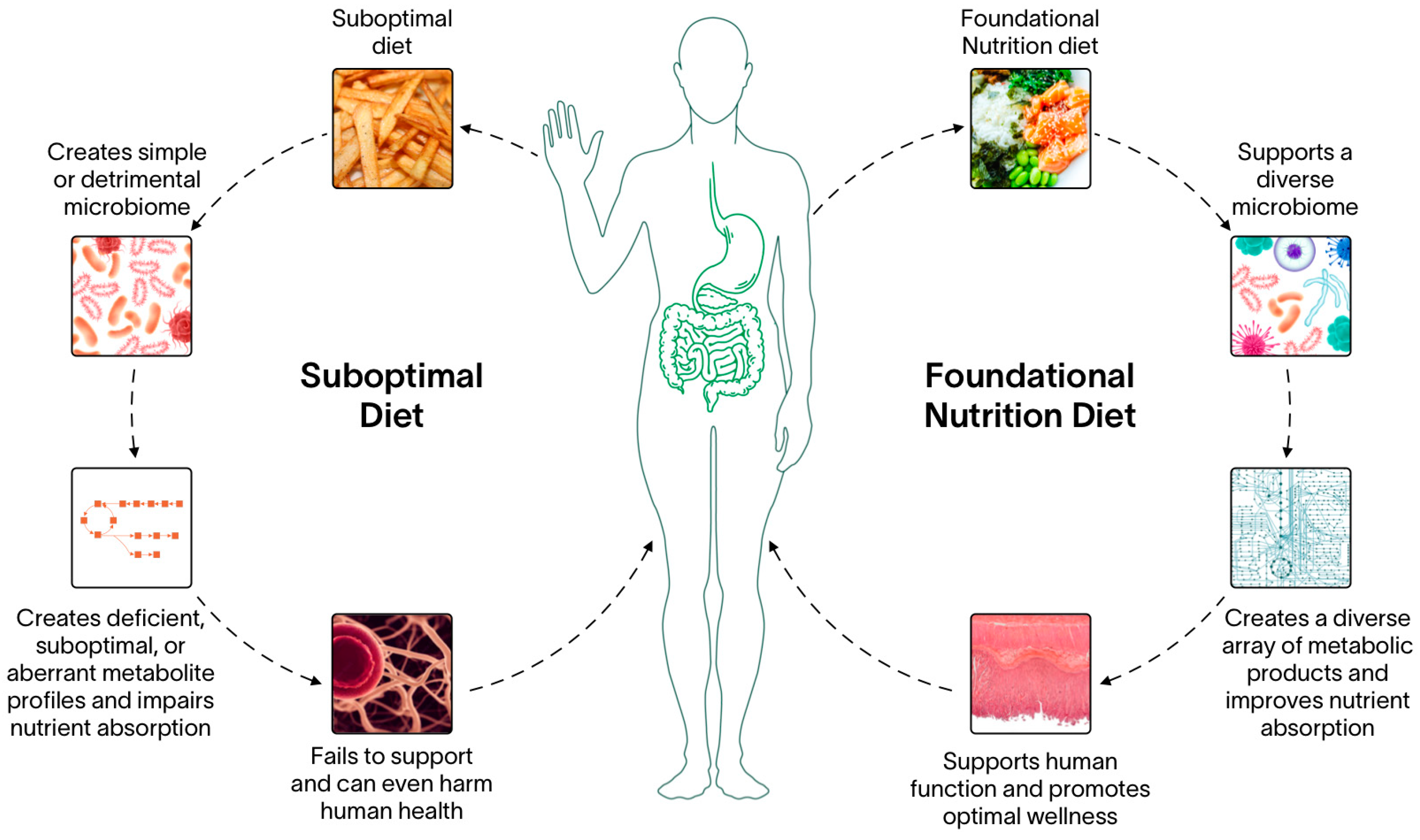
Credit: www.mdpi.com
The Role Of Supplements
Supplements can help fill gaps, but real food is always best. Only take supplements if you cannot get enough from diet, or if your doctor suggests them.
Some groups that may need supplements:
- Vegetarians (B12, iron, omega-3)
- Older adults (vitamin D, calcium)
- People with food allergies or medical conditions
Remember: More is not always better. Too much of some vitamins or minerals can be harmful.
How Food Choices Impact Long-term Health
Good nutrition can lower your risk of many diseases, such as:
- Heart disease
- Diabetes
- Some cancers
- Obesity
- Osteoporosis (weak bones)
A study published in The Lancet showed that poor diets cause more deaths worldwide than smoking or high blood pressure. Eating more fruits, vegetables, whole grains, and healthy fats can add years to your life.
But, foundational nutrition is about more than avoiding illness. It also means having more energy, better mood, and stronger immunity.
The Importance Of Food Safety
Healthy eating also means safe eating. Foodborne illnesses can happen if food is not handled, cooked, or stored properly.
Tips for food safety:
- Wash hands and surfaces often.
- Cook meat and eggs fully.
- Keep raw and cooked foods separate.
- Store food at the right temperature.
- Avoid foods past their expiration date.
Even the healthiest foods can be risky if not prepared safely.
Foundational Nutrition And Cultural Diversity
Every culture has its traditional foods and eating habits. Foundational nutrition is flexible—it fits any cuisine. For example, a balanced meal can be rice and beans, pasta and veggies, or a stir-fry with tofu and greens.
Respecting food traditions makes healthy eating more enjoyable and easier to stick with. The key is to focus on variety, balance, and real ingredients.
Common Myths About Nutrition
There are many myths about what to eat. Here are some common ones:
- Carbs make you fat: Only eating too many calories (from any source) leads to weight gain. Whole grains and fruits are good for you.
- Fat is always bad: Healthy fats are important for your heart and brain.
- You need supplements to be healthy: Most people get enough from food.
- Skipping meals helps you lose weight: Skipping meals can slow your metabolism and cause overeating later.
One non-obvious insight: Many “superfoods” are healthy, but no single food can make you healthy on its own. It’s your overall pattern that matters.
How To Make Foundational Nutrition Part Of Your Life
Changing habits can be hard, but small steps add up. Here are some ways to make healthy eating easier:
- Plan your meals and snacks ahead of time.
- Keep healthy foods in sight: Fruits on the counter, cut veggies in the fridge.
- Cook at home more often—this gives you control over ingredients.
- Share meals with family or friends; eating together often leads to better choices.
- Listen to your body’s hunger and fullness signals.
A useful tip: Don’t aim for “perfect” eating. Focus on progress, not perfection.
Comparing Diet Patterns: Which Fit Foundational Nutrition Best?
Many diet patterns exist, but some fit the foundations better than others. Here is a comparison of three popular patterns:
| Diet Pattern | Main Foods | Fits Foundational Nutrition? | Notes |
|---|---|---|---|
| Mediterranean | Fruits, vegetables, whole grains, fish, olive oil | Yes | Strong evidence for heart health |
| Low-Carb | Meat, eggs, nuts, few grains/fruits | Partly | Can miss fiber, some vitamins |
| Vegetarian | Grains, beans, veggies, dairy, eggs | Yes, if planned well | May need B12 supplement |
The best diet is one you can enjoy, stick with, and that covers all the foundational nutrients.
Practical Tips For Everyday Nutrition
To finish, here are practical tips that work for almost everyone:
- Start your day with a balanced breakfast.
- Choose whole foods over processed foods.
- Eat slowly and mindfully.
- Drink water before, during, and after meals.
- If you eat out, look for grilled, baked, or steamed options.
- Pack healthy snacks like nuts, fruit, or yogurt.
For more in-depth information, the World Health Organization offers reliable nutrition advice.

Credit: equi.life
Frequently Asked Questions
What Is The Most Important Nutrient For Health?
All nutrients are important, but water is the most critical. You can only survive a few days without it. After water, focus on getting enough protein, vitamins, and minerals from a varied diet.
How Can I Know If My Diet Is Balanced?
A balanced diet includes fruits, vegetables, whole grains, lean proteins, and healthy fats in each meal. If you regularly eat from all these groups, your diet is likely balanced.
Are Supplements Necessary For Everyone?
No, most people get enough nutrients from food. But some groups—like older adults, vegans, or people with medical issues—may need supplements. Always check with a doctor before starting any supplement.
How Do I Avoid Common Nutrition Mistakes?
Eat a variety of foods, watch portion sizes, read nutrition labels, and limit processed foods. Avoid skipping meals, and don’t fall for diet fads that promise quick results.
What Should I Do If I Have Food Allergies Or Intolerances?
Talk to a registered dietitian for help planning meals. They can help you avoid unsafe foods and still get all the nutrients you need.
Foundational nutrition is about simple, science-backed choices. Focus on the basics: variety, balance, and real food. By building your eating habits on these principles, you give your body the best chance for health—today and for years to come.
Comments
Post a Comment