The human body is home to trillions of tiny living things. Most of them live in your gut, and together, they form what scientists call the gut microbiome. These microscopic organisms, mostly bacteria, are not just passengers. They play powerful roles in keeping you healthy—or sometimes making you sick. In recent years, the gut microbiome has become a hot topic in medicine, nutrition, and even psychology. But why is it so important? What exactly does it do? And how can you take care of your gut microbiome to support your health? Let’s dive deep into the fascinating world inside your belly.
What Is The Gut Microbiome?
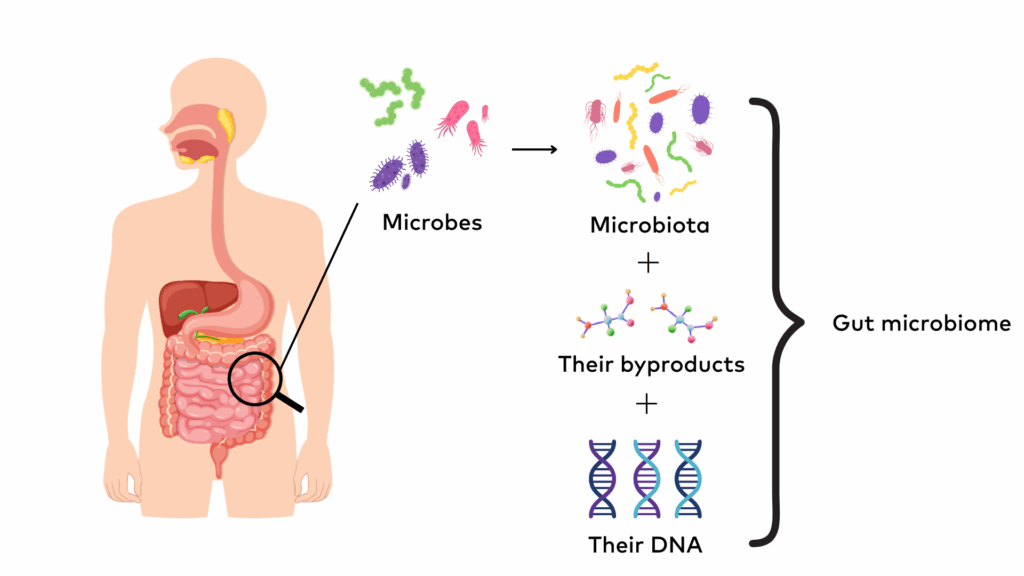
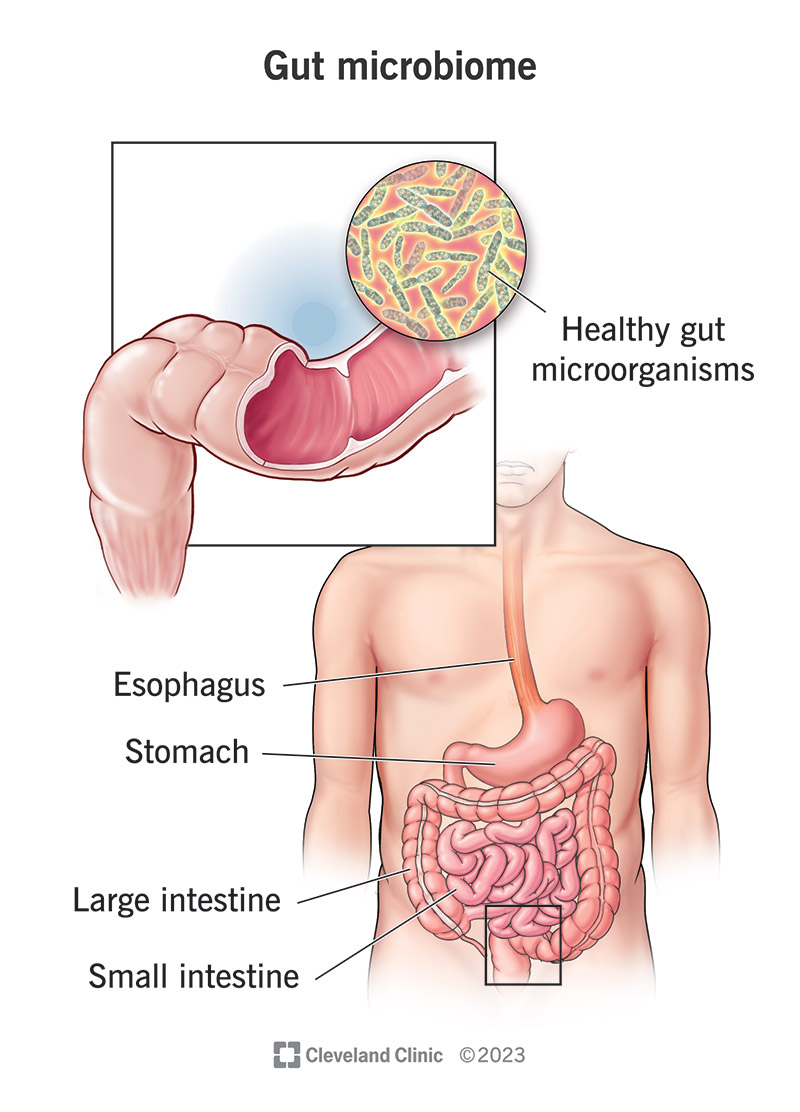
The gut microbiome is the collection of all microorganisms—mainly bacteria, but also viruses, fungi, and other microbes—that live in your digestive tract. Most of them are found in the large intestine, but some also live in the small intestine and even the stomach.
Imagine the gut microbiome as a busy city. Each type of microbe has its own job. Some help break down food, others produce vitamins, and a few even protect you from harmful germs. The balance and diversity of this city are key to good health.
How Many Microbes Are There?
There are about 39 trillion microbes in the average human gut, which is about the same as the number of human cells in the body. These microbes belong to more than 1,000 different species. Your gut microbiome is as unique as your fingerprint—no two people have exactly the same mix.
The Main Types Of Microbes
- Bacteria: The most common, especially two groups called Firmicutes and Bacteroidetes.
- Viruses: Some infect bacteria (called bacteriophages), while a few can infect human cells.
- Fungi: Yeasts like Candida are normal but can overgrow.
- Archaea: Less common, help with gas production.
The balance among these groups shapes how your gut works and affects your health in many ways.
How The Gut Microbiome Affects Your Health
Most people think the gut is only about digestion. But the gut microbiome does much more. It helps with:
- Breaking down complex foods (like fiber)
- Producing vitamins (such as vitamin K and some B vitamins)
- Training and supporting your immune system
- Protecting against harmful germs
- Influencing your mood and brain function
Let’s look at some key ways your gut microbiome keeps you healthy.
Digestion And Nutrition
Some foods, like plant fibers, cannot be digested by human enzymes alone. Certain gut bacteria break them down into short-chain fatty acids, which feed the cells lining your gut and have anti-inflammatory effects. Without these bacteria, you miss out on important nutrients.
Immunity
About 70% of your immune system is found in your gut. The gut microbiome acts like a coach, teaching your immune system to tell the difference between friend and foe. A healthy microbiome can help you fight infections and reduce the risk of allergies or autoimmune diseases.
Mental Health
The gut is sometimes called the “second brain. ” This is because it communicates with your brain through nerves, hormones, and even chemicals made by gut bacteria. Research shows that changes in the gut microbiome can affect mood, anxiety, and even conditions like depression.
Protection Against Disease
A balanced microbiome helps keep harmful bacteria and viruses out. When this balance is lost (called dysbiosis), you may be more likely to get infections, inflammation, or even diseases like diabetes, obesity, and some cancers.
Weight And Metabolism
Some people have more bacteria that help them absorb calories from food, which can make it easier to gain weight. Others have bacteria that help burn more energy or store less fat. Your gut microbiome could be one reason why some people gain weight more easily than others, even when eating the same foods.
Credit: crohnsandcolitis.org.au
Factors That Shape Your Gut Microbiome
Your gut microbiome starts forming at birth and keeps changing throughout your life. Many things can affect its makeup:
1. Birth And Early Life
- Vaginal birth exposes babies to their mother’s bacteria, while C-section babies get more hospital microbes.
- Breastfeeding provides special sugars (human milk oligosaccharides) that feed good bacteria like Bifidobacteria.
2. Diet
What you eat is the most important factor. Diets high in fiber, fruits, and vegetables support a diverse, healthy microbiome. Processed foods, high sugar, and high fat can reduce diversity.
3. Antibiotics And Medicines
Antibiotics kill not just bad bacteria, but also many good ones. This can lead to dysbiosis. Other medicines, like acid blockers, can also change the microbiome.
4. Age
As you get older, your gut microbiome changes. Diversity tends to drop in old age, which may affect health.
5. Stress And Sleep
Chronic stress and poor sleep can change your gut microbiome, making it less balanced.
6. Environment
Where you live, whether you have pets, and how much time you spend in nature all affect your gut microbes.
Signs Of An Unhealthy Gut Microbiome
Many people have an unbalanced gut microbiome without realizing it. Common signs include:
- Frequent bloating, gas, or diarrhea
- Food intolerances (trouble digesting certain foods)
- Unexplained fatigue or poor sleep
- Skin problems like eczema
- Frequent infections or slow recovery
- Mood changes, anxiety, or depression
These symptoms are not always caused by gut problems, but if you notice several, it might be time to pay attention to your gut health.
How To Support A Healthy Gut Microbiome
You can help your gut microbiome thrive with some simple changes in your daily life. Here are practical steps that make a real difference.
Eat More Fiber
Fiber is food for your gut bacteria. It helps increase the number and variety of good bacteria. High-fiber foods include:
- Beans and lentils
- Whole grains (oats, brown rice, quinoa)
- Fruits (apples, bananas, berries)
- Vegetables (broccoli, carrots, artichokes)
Most people eat only half the daily recommended fiber. Aim for at least 25–30 grams per day.
Add Fermented Foods
Fermented foods contain live bacteria, called probiotics, that can boost your microbiome. Good choices are:
- Yogurt with live cultures
- Kefir (a fermented milk drink)
- Sauerkraut (fermented cabbage)
- Kimchi (spicy Korean cabbage)
- Miso and tempeh (fermented soy products)
Not all fermented foods have live cultures, so check labels or make your own at home.
Limit Processed Foods And Sugar
Highly processed foods and added sugars can feed the wrong bacteria, leading to dysbiosis. Try to cook more at home and eat less packaged snacks, soda, and sweets.
Use Antibiotics Wisely
Only take antibiotics when you really need them, and always finish the full course. Afterward, eat extra fiber and fermented foods to help your microbiome recover.
Get Enough Sleep And Manage Stress
Good sleep and low stress support a healthy microbiome. Try relaxation techniques, exercise, and regular sleep routines.
Exercise Regularly
Physical activity increases the diversity of your gut microbiome. Even moderate exercise, like brisk walking for 30 minutes most days, helps.
Spend Time Outdoors
Exposure to nature increases your contact with different microbes, which can benefit your gut. Gardening, hiking, or just sitting in a park can help.
Probiotics, Prebiotics, And Synbiotics: What’s The Difference?
These terms often cause confusion, so let’s break them down simply.
Probiotics
Probiotics are live, beneficial bacteria you can eat or drink. They are found in some foods and supplements. Not all probiotics are the same—different strains have different effects.
Prebiotics
Prebiotics are types of fiber that feed your good gut bacteria. You find them in foods like garlic, onions, leeks, asparagus, and bananas.
Synbiotics
Synbiotics combine probiotics and prebiotics in one product, giving you both the bacteria and their favorite food.
Here’s a quick comparison of these three:
| Term | What Is It? | Examples | Main Benefit |
|---|---|---|---|
| Probiotics | Live good bacteria | Yogurt, kefir, supplements | Adds healthy microbes |
| Prebiotics | Food for good bacteria | Garlic, onions, bananas | Feeds your microbiome |
| Synbiotics | Combo of both | Some supplements | Boosts effects of both |
How Scientists Study The Gut Microbiome
Understanding the gut microbiome is not easy. Scientists use several methods to see what microbes are present and what they are doing.
16s Rrna Gene Sequencing
This technique identifies bacteria by reading a special part of their DNA. It tells us which types of bacteria are present, but not what they are doing.
Metagenomics
Metagenomics looks at all the DNA in a sample. This helps scientists see what genes are present and predict what functions the microbes might perform.
Metabolomics
This method studies the chemicals (metabolites) made by gut bacteria. It helps scientists understand how the microbiome affects your metabolism and health.
Here’s a table comparing these methods:
| Method | Main Focus | What It Tells Us | Limitations |
|---|---|---|---|
| 16S rRNA Sequencing | Bacterial identification | Which bacteria are present | Limited to bacteria; can't see activity |
| Metagenomics | All microbial DNA | Potential functions, all microbes | Complex analysis, expensive |
| Metabolomics | Metabolites produced | What bacteria are doing | Hard to link to specific microbes |
The Gut-brain Connection
The idea that your gut can affect your brain may sound strange, but science proves it’s true. The gut-brain axis is the two-way link between your digestive system and your brain. This link works through nerves (like the vagus nerve), hormones, and chemicals made by gut bacteria.
How Gut Bacteria Affect Mood And Behavior
Some gut bacteria make short-chain fatty acids, which can reduce inflammation and influence brain function. Others help produce neurotransmitters like serotonin (the “happy chemical”) and dopamine. In fact, about 90% of serotonin is made in the gut.
Studies show that people with depression or anxiety often have less diverse gut microbiomes. Animal studies have found that changing gut bacteria can change stress levels, learning, and even social behavior.
Real-life Example
One famous study gave healthy women a yogurt rich in probiotics every day for four weeks. Brain scans showed changes in areas linked to emotion and sensation, compared to women who ate regular yogurt. This suggests that changing your gut bacteria can influence your mood and brain activity.
Credit: my.clevelandclinic.org
Gut Microbiome And Disease
An unhealthy gut microbiome is linked to many diseases—not just digestive problems, but also issues throughout the body.
Digestive Diseases
- Irritable Bowel Syndrome (IBS): Many people with IBS have less diverse gut bacteria.
- Inflammatory Bowel Disease (IBD): Diseases like Crohn’s and ulcerative colitis often involve major changes in the gut microbiome.
- Celiac Disease: People with celiac have different gut bacteria, which may affect symptoms and recovery.
Metabolic Diseases
- Obesity: People with obesity often have more Firmicutes and fewer Bacteroidetes.
- Type 2 Diabetes: Changes in gut bacteria can affect how the body handles sugar.
Immune-related Diseases
- Allergies and Asthma: Kids with more diverse gut microbiomes are less likely to develop allergies.
- Autoimmune Diseases: The microbiome can influence diseases like multiple sclerosis and rheumatoid arthritis.
Mental Health
- Depression and Anxiety: Changes in gut bacteria are common in these conditions.
Cancer
Some bacteria can make chemicals that increase the risk of colon cancer, while others protect against it. Researchers are studying how the microbiome affects cancer treatments like immunotherapy.
Fecal Microbiota Transplant (fmt): A New Treatment
One of the most dramatic ways to change the gut microbiome is fecal microbiota transplant (FMT). This involves taking stool from a healthy donor and putting it into the gut of a sick person. It may sound strange, but it can save lives.
When Is Fmt Used?
FMT is most often used for people with serious Clostridioides difficile (C. diff) infections that do not respond to antibiotics. In studies, over 80% of patients are cured after FMT.
Risks And Challenges
FMT is not risk-free. There is a small chance of passing on harmful microbes. It should only be done by doctors in a hospital setting. Scientists are working on safer, pill-based methods for the future.
How To Test Your Gut Microbiome At Home
In recent years, companies have started offering home microbiome tests. You send a small stool sample, and they send you a report about your gut bacteria. But what do these tests really tell you?
What You Can Learn
- Which bacteria are common or missing
- How your gut compares to others
- Suggestions for diet changes
What You Can’t Learn
- Exact health risks or diagnoses (science is not there yet)
- How your microbiome works in real life
If you try a home test, use it as a fun way to learn—not as a medical tool.
Common Myths About The Gut Microbiome
With so much talk about gut health, myths spread quickly. Let’s clear up a few:
1. “all Bacteria Are Bad.”
Actually, most gut bacteria are helpful or harmless. Only a small number cause disease.
2. “you Can Fix Your Gut Overnight.”
It takes weeks or months to change your microbiome, not days. Quick fixes rarely work.
3. “probiotics Work For Everyone.”
Not all probiotics help all people. The effects depend on your current gut bacteria and the specific strain.
4. “everyone Needs A Supplement.”
Most people can improve gut health with food alone. Supplements are only needed in special cases.
5. “a Healthy Gut Means No Illness.”
Gut health is important, but it’s only one part of total health.
Credit: missiongastrohospital.com
The Future Of Gut Microbiome Science
Scientists are just starting to understand the gut microbiome. In the future, you might see:
- Personalized diets based on your microbiome
- Microbiome-based medicines for mental health, obesity, and more
- Better tests to predict disease risk
One thing is clear: taking care of your gut microbiome can help you stay healthier, happier, and even smarter.
Frequently Asked Questions
What Is The Fastest Way To Improve My Gut Microbiome?
The quickest way is to add more high-fiber foods and fermented foods to your daily meals. Avoid unnecessary antibiotics and manage stress. However, real change takes a few weeks to months.
Can Probiotics Cure Diseases?
Probiotics can help with some conditions, like antibiotic-associated diarrhea or mild digestive problems. But they are not a cure for most diseases. Always talk to a doctor before starting supplements.
Is It Possible To Have Too Many Good Bacteria?
Balance is key. Too much of one type—even a “good” one—can cause problems. For example, overgrowth of certain bacteria can lead to gas, bloating, or infections.
How Do Antibiotics Affect The Gut Microbiome?
Antibiotics can wipe out both good and bad bacteria. After antibiotics, your gut microbiome may take weeks or even months to recover. Eating fiber and fermented foods helps speed recovery.
Where Can I Learn More About The Gut Microbiome?
For more detailed research and information, you can check the Wikipedia page on gut flora.
Taking care of your gut microbiome is one of the smartest moves you can make for your health. By eating well, staying active, and making informed choices, you give your body’s “inner city” the best chance to thrive. The science is still growing, but the message is simple: healthy gut, healthy you.
Comments
Post a Comment