Heart rate variability (HRV) is one of the most fascinating and misunderstood signals from the human body. You may have heard athletes, coaches, or health experts mention HRV, but wondered what it really means. Is it just about your heart rate, or does it reveal something deeper about your health?
In reality, HRV is a window into your nervous system, stress, recovery, and even your risk for disease. It’s a number with the power to tell you how well your body is balancing rest and activity, and it’s getting more attention every year.
Understanding HRV can help you improve your performance, manage stress, and even spot early signs of health problems. But the science can look complicated at first. This article will guide you through everything you need to know about heart rate variability, from what it actually measures, how to interpret it, and why it’s useful for everyone—not just athletes.
We’ll also look at how you can improve your HRV, what affects your readings, and common mistakes to avoid.
What Is Heart Rate Variability?
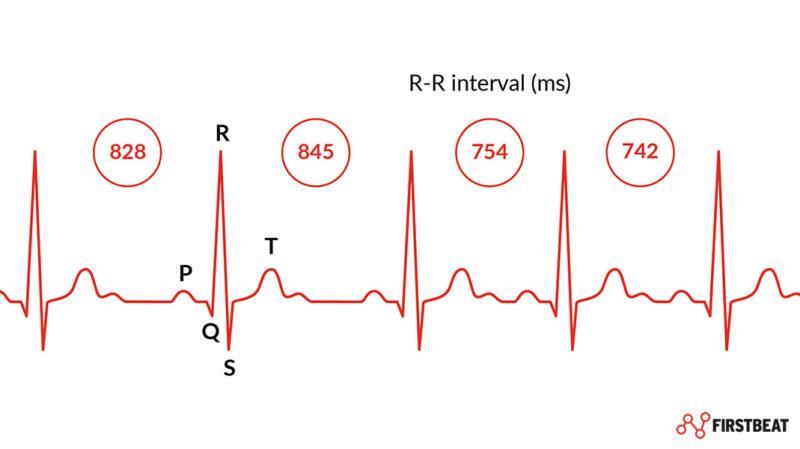
Heart rate variability is not simply how fast your heart beats, but how the timing between each beat changes. Imagine your heart as a drummer. If the drummer plays at exactly 60 beats per minute with no variation at all, that’s a steady rhythm. But a healthy heart doesn’t work like a metronome—it speeds up and slows down slightly, even when you’re resting. The variation in time between each beat is your HRV.
To put it simply, HRV measures the tiny differences in milliseconds between each heartbeat. For example, if your heart beats 60 times in a minute, the gap from one beat to the next is not always exactly one second; it might be 0.98 seconds, then 1.03 seconds, and so on.
Why Do These Variations Matter?
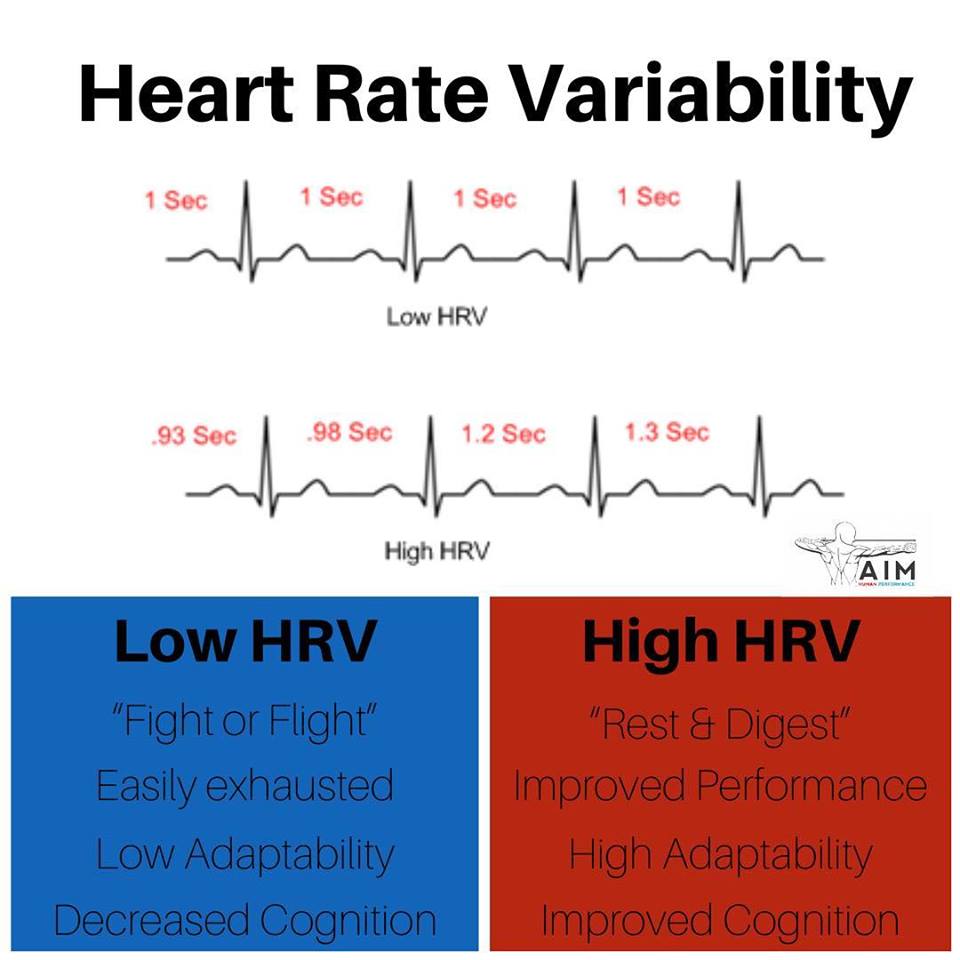
A higher HRV means your body can quickly switch between rest and action. This flexibility is a sign of good health and a well-balanced nervous system. Low HRV, on the other hand, can indicate stress, fatigue, or even health problems.
The Science Behind Hrv
HRV is controlled by your autonomic nervous system (ANS), which has two main parts:
- The sympathetic system: Speeds up your heart, gets you ready for action (“fight or flight”).
- The parasympathetic system: Slows your heart, helps you rest and recover (“rest and digest”).
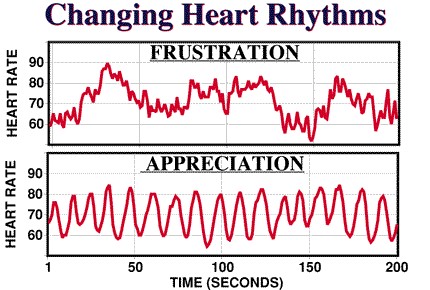
If these systems are balanced, your HRV will be higher. If you’re always stressed, your sympathetic system dominates and HRV drops.
How Is Heart Rate Variability Measured?
There are several ways to measure HRV, ranging from clinical-grade medical devices to simple smartphone apps. The most accurate way is with an electrocardiogram (ECG), but many fitness trackers and smartwatches can now estimate HRV quite well.
Key Hrv Measurement Methods
- Electrocardiogram (ECG): Gold standard, used in hospitals. Measures electrical activity of the heart.
- Photoplethysmography (PPG): Used in smartwatches and fitness trackers. Uses light sensors to detect blood flow.
- Chest Strap Heart Rate Monitors: Often used by athletes, provides accurate RR interval data.
Important Hrv Metrics
There are different ways to calculate HRV. Here are the most common:
- SDNN (Standard Deviation of NN intervals): Shows overall HRV over a period of time.
- RMSSD (Root Mean Square of Successive Differences): Focuses on short-term changes, often used in wearables.
- LF/HF Ratio: Compares low-frequency (LF) and high-frequency (HF) components, which can show balance between sympathetic and parasympathetic systems.
Here’s a quick comparison of the main HRV metrics:
| Metric | What It Measures | Best For | Units |
|---|---|---|---|
| SDNN | Overall HRV over time | Long-term health trends | ms |
| RMSSD | Short-term variability | Daily stress & recovery | ms |
| LF/HF Ratio | Balance of nervous system | Autonomic balance | Ratio |
How Long Should You Measure Hrv?
- Short-term: 1–5 minutes, often used for daily tracking.
- Long-term: 24 hours, used in clinical studies.
Short measurements are usually enough for personal tracking, but consistency is key—always measure at the same time and under similar conditions.
Why Is Heart Rate Variability Important?
HRV has become a popular health tool for good reason. It’s one of the best non-invasive ways to see how your body is handling stress, recovery, and overall health.
Key Reasons Hrv Matters
- Early Warning Sign: Low HRV can show you’re getting sick or overstressed before you feel symptoms.
- Guides Training: Athletes use HRV to plan workouts and avoid overtraining.
- Tracks Recovery: HRV reveals how well you recover from stress, illness, or exercise.
- Mental Health Indicator: Changes in HRV are linked with anxiety and depression.
- Predicts Health Risks: Low HRV is connected to higher risks of heart disease, diabetes, and death.
Real-world Example
In a study of over 2,000 people, those with the lowest HRV had a 32% higher risk of heart attack compared to those with the highest HRV, even after adjusting for age and fitness.
What Is A "good" Heart Rate Variability?
HRV is highly individual—what’s normal for you may be high or low for someone else. Age, fitness, genetics, and even time of day affect your numbers.
Typical Hrv Ranges
Here are some general HRV values (measured as RMSSD in milliseconds):
| Age Group | Men (ms) | Women (ms) |
|---|---|---|
| 20–30 | 50–90 | 45–85 |
| 31–40 | 45–85 | 40–75 |
| 41–50 | 40–75 | 35–70 |
| 51–60 | 35–70 | 30–60 |
Important Insights For Beginners
- Compare with yourself: Track your own trends over weeks or months instead of comparing to others.
- High is not always better: Extremely high HRV can sometimes mean illness or overtraining.
Credit: sadarpsych.com
Factors That Affect Heart Rate Variability
HRV changes from moment to moment, and many things influence your readings. Some you can control, others you cannot.
The Main Factors
- Age: HRV naturally decreases as you get older.
- Fitness Level: Active people usually have higher HRV.
- Sleep Quality: Poor sleep lowers HRV.
- Stress: Both emotional and physical stress reduce HRV.
- Hydration: Dehydration lowers HRV.
- Caffeine and Alcohol: Both can reduce HRV, especially in excess.
- Medications: Some drugs (like beta-blockers) affect HRV.
- Chronic Illness: Conditions such as diabetes, heart disease, or depression lower HRV.
- Time of Day: HRV is highest during sleep and lowest in the afternoon.
- Menstrual Cycle: Women’s HRV changes with hormone shifts.
Non-obvious Insights
- Travel and Jet Lag: Crossing time zones can lower your HRV for days due to circadian rhythm disruption.
- Sudden Diet Changes: Going very low-carb or fasting can briefly decrease HRV as your body adapts.
How To Improve Heart Rate Variability
You can boost your HRV with lifestyle changes. The key is regular habits that support your nervous system balance.
Strategies That Work
- Consistent Sleep: Go to bed and wake up at the same time every day.
- Aerobic Exercise: Activities like walking, cycling, or swimming help most people.
- Mindfulness and Meditation: Even 10 minutes a day can raise HRV.
- Deep Breathing: Slow breathing (6 breaths per minute) activates the parasympathetic system.
- Healthy Diet: Balanced meals with enough vitamins and minerals support your nervous system.
- Hydration: Drink water throughout the day; avoid dehydration.
- Cold Exposure: Brief cold showers or ice baths can boost HRV in some people.
- Social Connection: Spending time with friends or family helps recovery.
- Reduce Alcohol and Caffeine: Both can lower HRV if used heavily.
- Light Exposure: Get morning sunlight to support your circadian rhythm.
Advanced Tips
- Biofeedback Training: Special devices can teach you to control HRV through breathing and relaxation.
- Personalized Workouts: Use your HRV to decide when to push hard or rest.
Heart Rate Variability In Sports And Fitness
HRV is now a key tool in sports science. Top athletes use it to guide training and avoid burnout.
How Athletes Use Hrv
- Daily Readiness: If HRV is low, they do lighter training. If HRV is high, they train harder.
- Injury Prevention: Sudden drops in HRV can warn of overtraining or injury risk.
- Post-Competition Recovery: HRV shows how quickly athletes recover after big events.
Example: Hrv-guided Training
A cyclist tracks HRV every morning. If their HRV drops 10% below average, they skip hard intervals and do easy spinning. This approach leads to better performance and fewer injuries over a season.
Comparison: Hrv Vs. Resting Heart Rate
| Feature | Resting Heart Rate (RHR) | Heart Rate Variability (HRV) |
|---|---|---|
| What It Measures | Average beats per minute at rest | Variation in time between beats |
| Sensitivity to Stress | Low | High |
| Training Guidance | Limited | Strong |
| Health Predictor | Good | Excellent |
Heart Rate Variability And Mental Health
HRV is not just for physical health. There’s a strong link between HRV and mental well-being.
How Hrv Reflects Mental State
- High HRV: Linked to calm, focus, and emotional control.
- Low HRV: Seen in anxiety, depression, and PTSD.
Why This Link Exists
The vagus nerve, which controls HRV, also affects mood and emotional regulation. People with higher HRV are often better at handling stress and bouncing back from setbacks.
Practical Example
A 2021 study found that people with high HRV scores reported less stress and better sleep during the COVID-19 pandemic, even if they faced the same challenges as others.
How To Use This Knowledge
- If your HRV drops during a stressful period, focus on relaxation techniques, not just exercise or nutrition.
Credit: www.firstbeat.com
Using Hrv For Health Monitoring
HRV is becoming a valuable tool for everyday health tracking, not just for athletes.
What Can Hrv Detect?
- Early infection or illness: HRV often drops before fever or symptoms start.
- Chronic stress: Consistently low HRV can point to burnout risk.
- Sleep quality issues: Poor sleep patterns show up in HRV data.
- Medication effects: Track how drugs (like blood pressure pills) change your HRV.
When To Seek Medical Advice
If you notice a sudden, unexplained drop in your HRV for several days—and you feel unwell—it’s smart to talk to your doctor.
Limitations
- HRV is not a diagnosis. It’s a signal, not a cause.
- Many factors can affect readings, so look for trends, not single numbers.
Common Mistakes And Misunderstandings
Many people use HRV wrong or misinterpret what the numbers mean. Here are the most frequent errors.
Avoid These Mistakes
- Comparing with Others: HRV is highly individual. Track your own baseline and trends.
- Worrying About One Bad Day: HRV changes naturally. One low reading is not a crisis.
- Ignoring Context: Illness, travel, or a late night can lower HRV for a few days.
- Overtraining: Using HRV to push harder every time can backfire. Rest is part of improvement.
- Relying Only on Wearables: Smartwatch HRV is good for trends, but not always precise for medical use.
Non-obvious Insight
- Seasonal Changes: Your HRV may drop in winter due to less sunlight and more stress. This is normal and often overlooked.
Credit: www.aimhumanperformance.com
Choosing Devices And Apps For Hrv Tracking
With so many wearables and apps, it’s easy to get lost. Here’s what really matters when choosing a device for HRV.
Key Things To Look For
- Accuracy: Chest straps and ECG devices are most reliable. Wrist wearables are improving.
- Data Export: Can you get your raw HRV data for deeper analysis?
- Daily Use: Is it comfortable to wear every day, even while sleeping?
- Compatibility: Does it sync with your health or training apps?
Popular Hrv Devices
- Whoop Strap: Focuses on HRV and recovery tracking.
- Oura Ring: Measures HRV during sleep with high accuracy.
- Apple Watch: Offers HRV tracking using PPG sensors.
- Polar H10 Chest Strap: Accurate RR intervals for serious tracking.
Example Of Device Comparison
| Device | Type | Best For | Accuracy |
|---|---|---|---|
| Whoop Strap | Wrist band | Daily recovery | High |
| Oura Ring | Ring | Sleep tracking | Very High |
| Polar H10 | Chest strap | Exercise & rest | Gold standard |
| Apple Watch | Wrist watch | General trends | Moderate–High |
A Note On Apps
Many apps use your phone’s camera for PPG-based HRV. These can work but are less reliable than wearables.
Latest Research And Future Directions
HRV is a fast-growing area in health science. More research appears every year, and new uses are emerging.
Recent Findings
- COVID-19: HRV drops can signal infection before symptoms.
- Mental Health: Digital therapy programs now use HRV biofeedback to treat anxiety.
- Chronic Disease: Long-term HRV tracking helps manage diabetes and heart conditions.
Future Applications
- Remote Monitoring: Doctors may use HRV to track patients from home.
- AI and Big Data: Algorithms will find new patterns in HRV for early disease detection.
- Wearable Integration: HRV data could guide everything from your calendar to your workout plan.
For more details on the science, check out the Wikipedia page on Heart Rate Variability.
Frequently Asked Questions
What Is A Normal Heart Rate Variability For Adults?
There’s no single “normal” HRV. For adults, RMSSD values often range from 30 to 90 ms. Younger, fitter people usually have higher HRV. Track your own average over time for the best insight.
Can I Improve My Hrv, And If So, How Long Does It Take?
Yes, you can improve HRV with good sleep, regular exercise, and stress management. Changes can appear in weeks, but meaningful improvements often take months of consistent habits.
Is Low Hrv Always Bad?
Not always. HRV can drop during illness, stress, or after hard exercise. Occasional low readings are normal. Consistently low HRV, however, can be a sign of chronic stress or health issues.
Can I Use My Smartwatch For Hrv Tracking?
Most newer smartwatches can track HRV, but accuracy varies. They’re good for spotting trends, not for medical diagnosis. For best results, measure at the same time each day and compare your personal trends.
Does Medication Affect Hrv?
Yes, several types of medication can change HRV. Beta-blockers, antidepressants, and some heart drugs often lower HRV. If you start a new medication, note changes in your HRV and discuss with your doctor if you’re concerned.
Heart rate variability is more than just a number—it’s a real-time signal of your body’s balance and resilience. Whether you’re an athlete, a busy professional, or just curious about your health, understanding and tracking your HRV can give you valuable insight.
Start with simple daily readings, look for long-term trends, and use the tips here to support a healthy, adaptable body and mind.
Comments
Post a Comment