Intermittent fasting is more than just skipping meals or following a diet trend. It’s a structured way of eating that has gained attention worldwide for its potential health benefits, simplicity, and flexibility. For many people, especially those overwhelmed by complex diets or calorie counting, intermittent fasting offers a different approach.
Instead of focusing on what you eat, it centers around when you eat.
People from different cultures have practiced fasting for centuries, often for religious or spiritual reasons. However, in recent years, intermittent fasting has become popular for weight loss, metabolic health, and even longevity. But what exactly does intermittent fasting involve? How does it affect your body?
Are there real benefits, or is it just hype? And most importantly, how do you start safely, and what pitfalls should you avoid?
This article will answer these questions and more. You’ll find clear explanations, practical tips, and real-world examples. Whether you are new to intermittent fasting or looking to deepen your understanding, you’ll discover everything you need to make informed decisions for your health and lifestyle.
What Is Intermittent Fasting?
Intermittent fasting (IF) is an eating pattern that cycles between periods of eating and fasting. Unlike traditional diets that tell you what foods to eat, IF focuses on when you eat. During fasting periods, you either avoid all food or reduce calories to a minimum, while during eating windows, you consume your regular meals.
The idea is simple: by limiting the time you spend eating, your body has more time to burn stored energy, regulate hormones, and repair cells. This natural rhythm matches how humans lived for thousands of years, often going long hours without food.
There are several ways to practice intermittent fasting. Some people fast for a set number of hours each day, while others skip meals on certain days. The flexibility is one reason why IF has become so popular.
Common Types Of Intermittent Fasting
People can choose different intermittent fasting methods based on their lifestyle and goals. Here are the most popular options:
1. 16/8 Method
This is also called the Leangains protocol. You fast for 16 hours each day and eat within an 8-hour window. For example, if you finish dinner at 8 pm, you skip breakfast and eat again at 12 pm the next day.
2. 5:2 Diet
This approach involves eating normally five days a week and restricting calories (usually to about 500–600 calories) on two non-consecutive days.
3. Eat-stop-eat
With this method, you fast for a full 24 hours once or twice a week. For example, you might finish dinner at 7 pm and not eat again until 7 pm the next day.
4. Alternate-day Fasting
You alternate between days of regular eating and days when you eat little or nothing at all.
5. Warrior Diet
This method involves eating small amounts of raw fruits and vegetables during the day and having one large meal at night, within a 4-hour window.
6. Spontaneous Meal Skipping
Not a formal plan, but simply skipping meals from time to time when you’re not hungry or too busy to eat.
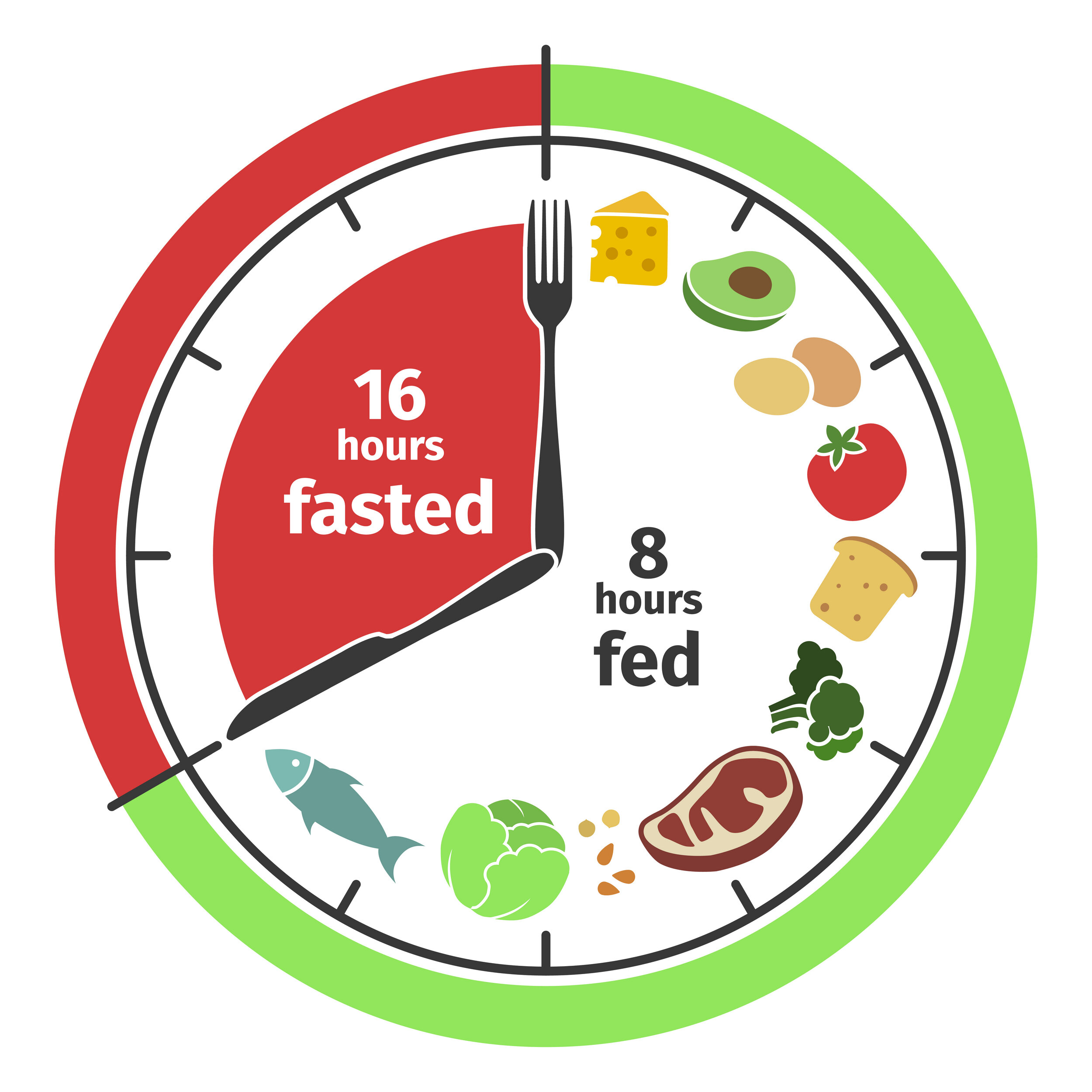
Credit: www.rachelscoular.com
How Intermittent Fasting Affects Your Body
Intermittent fasting triggers several changes in your body. These changes can influence your weight, energy levels, and even long-term health.
Hormone Regulation
When you fast, your body adjusts hormone levels to make stored body fat more available as energy. For example, insulin levels drop, making it easier to burn fat. At the same time, growth hormone may increase, supporting fat loss and muscle preservation.
Cellular Repair
Fasting activates processes like autophagy, where cells remove old or damaged parts. This helps the body clean up waste and may protect against diseases.
Gene Expression
Certain genes linked to longevity and disease protection become more active during fasting. This change may help your body resist aging and inflammation.
Metabolism
Short-term fasting can boost your metabolic rate by 3.6–14%, according to some studies. This means your body burns more calories even at rest.
Weight Loss
Many people find it easier to lose weight with IF because they naturally eat fewer meals, which often leads to lower calorie intake.
Health Benefits Of Intermittent Fasting
Research into intermittent fasting is still growing, but many studies suggest it offers several health benefits.
1. Weight Loss And Fat Loss
Intermittent fasting helps many people reduce calories without strict diets. In a review of 40 studies, participants lost an average of 7–11 pounds over 10 weeks. Fat loss was especially significant around the belly, which is linked to better metabolic health.
2. Improved Insulin Sensitivity
By lowering insulin levels, IF can reduce the risk of type 2 diabetes. Some studies show up to a 31% decrease in fasting insulin and improved blood sugar control.
3. Heart Health
IF may lower blood pressure, cholesterol, and inflammatory markers. These changes are linked to a reduced risk of heart disease.
4. Brain Health
Animal studies suggest intermittent fasting may protect the brain, reduce the risk of Alzheimer’s, and support new nerve cell growth. Human studies are still limited, but the early results are promising.
5. Inflammation Reduction
Chronic inflammation is linked to many diseases. IF can lower certain inflammatory markers, possibly reducing the risk of chronic illnesses.
6. Longevity
In animal studies, fasting often leads to a longer life. While we don’t have long-term human data yet, the early signs suggest similar benefits may exist.
7. Simplicity
Intermittent fasting is less about counting calories or avoiding foods. For many, this simplicity makes healthy eating easier to follow.
Potential Risks And Who Should Avoid Intermittent Fasting
Intermittent fasting is generally safe for healthy adults, but it’s not for everyone.
Not Recommended For
- Children and teenagers: They need regular nutrients for growth.
- Pregnant or breastfeeding women: Fasting could affect both mother and baby.
- People with eating disorders: IF can worsen unhealthy behaviors.
- Those with certain medical conditions: Diabetes, low blood pressure, or chronic illnesses may need special care.
Possible Side Effects
- Hunger: The most common issue, especially when starting.
- Fatigue: Energy levels may drop in the beginning.
- Irritability: Mood swings are possible.
- Concentration problems: Some people struggle to focus.
- Digestive issues: Constipation or bloating can occur.
Most side effects fade after a few days as the body adapts. If you have any health concerns or take medication, talk to your doctor before starting intermittent fasting.
How To Start Intermittent Fasting
Getting started with intermittent fasting doesn’t have to be difficult. Here’s a step-by-step approach:
1. Choose Your Method
Pick a fasting plan that fits your lifestyle. The 16/8 method is a good starting point for most people.
2. Start Slow
If you’re used to eating frequently, begin with shorter fasting periods (like 12 hours) and gradually increase.
3. Stay Hydrated
Drink plenty of water, black coffee, or unsweetened tea during fasting windows. This helps prevent dehydration and reduces hunger.
4. Focus On Nutrition
When you eat, choose whole foods: lean proteins, vegetables, fruits, healthy fats, and whole grains. Avoid bingeing on junk food during eating windows.
5. Listen To Your Body
Pay attention to hunger, mood, and energy. Adjust your plan if you feel unwell.
6. Plan Your Meals
Preparing meals ahead of time can help you avoid unhealthy choices during eating windows.
7. Be Patient
It can take several weeks for your body to adjust. Don’t expect instant results.
Sample Intermittent Fasting Schedules
Here are some practical schedules you can follow.
| Method | Fasting Window | Eating Window | Example Hours |
|---|---|---|---|
| 16/8 | 16 hours | 8 hours | 8 pm – 12 pm (fast); 12 pm – 8 pm (eat) |
| 5:2 | 2 days/week | 5 days/week | Mon & Thu: 500 cal; other days normal |
| Eat-Stop-Eat | 24 hours | 1-2 times/week | 7 pm – 7 pm next day |
What To Eat During Eating Periods
Fasting alone is not a magic fix. What you eat during your eating windows still matters a lot. Focus on quality, not just quantity.
Best Food Choices
- Lean proteins: Chicken, fish, eggs, tofu, beans.
- Vegetables: Leafy greens, broccoli, carrots, peppers.
- Whole grains: Brown rice, oats, quinoa.
- Healthy fats: Avocado, olive oil, nuts, seeds.
- Fruits: Berries, apples, oranges, bananas.
Foods To Avoid
- Sugary snacks: Cookies, cakes, candies.
- Refined carbs: White bread, pastries.
- Fried foods: Chips, fried chicken, fast food.
- Sugary drinks: Soda, sweetened coffee, energy drinks.
Sample One-day Meal Plan (16/8 Method)
- 12: 00 pm: Grilled chicken salad with mixed greens and olive oil.
- 3: 00 pm: Greek yogurt with berries and nuts.
- 6: 30 pm: Baked salmon, steamed broccoli, and brown rice.
- 7: 45 pm: A piece of fruit or a handful of almonds.
Comparing Intermittent Fasting With Other Diets
How does intermittent fasting stack up against other popular diets? Here’s a comparison to help you decide which might suit you best.
| Diet Type | Focus | Ease of Use | Weight Loss Potential | Flexibility |
|---|---|---|---|---|
| Intermittent Fasting | When to eat | High | High | High |
| Low-Carb/Keto | What to eat | Medium | High | Low |
| Calorie Counting | How much to eat | Low | Medium | High |
| Vegan/Vegetarian | What to eat | Medium | Medium | Medium |
As you can see, IF is often easier to follow because it allows a variety of foods and doesn’t require detailed tracking.
Common Mistakes To Avoid With Intermittent Fasting
Even though intermittent fasting seems simple, beginners often make mistakes. Here are some pitfalls to watch out for:
1. Overeating During Eating Windows
Some people eat too much or choose unhealthy foods after fasting. This can cancel out the benefits. Focus on nutrient-rich foods and listen to your body’s hunger signals.
2. Not Drinking Enough Water
Fasting can lead to dehydration if you forget to drink fluids. Aim for at least 8 glasses of water a day, more if you’re active.
3. Ignoring Your Body’s Signals
If you feel dizzy, weak, or sick, it’s important to break your fast and eat something. Don’t push through severe discomfort.
4. Starting Too Aggressively
Jumping into long fasts without preparation can cause fatigue, headaches, and irritability. Start with shorter fasts and increase gradually.
5. Expecting Immediate Results
Weight loss and other benefits take time. Be patient and focus on long-term habits, not quick fixes.
6. Skipping Sleep
Good sleep is just as important as diet. Poor sleep can increase hunger and cravings, making IF harder to follow.
7. Lack Of Planning
Without meal planning, you may reach for unhealthy snacks or overeat. Prepare meals ahead, especially during busy days.
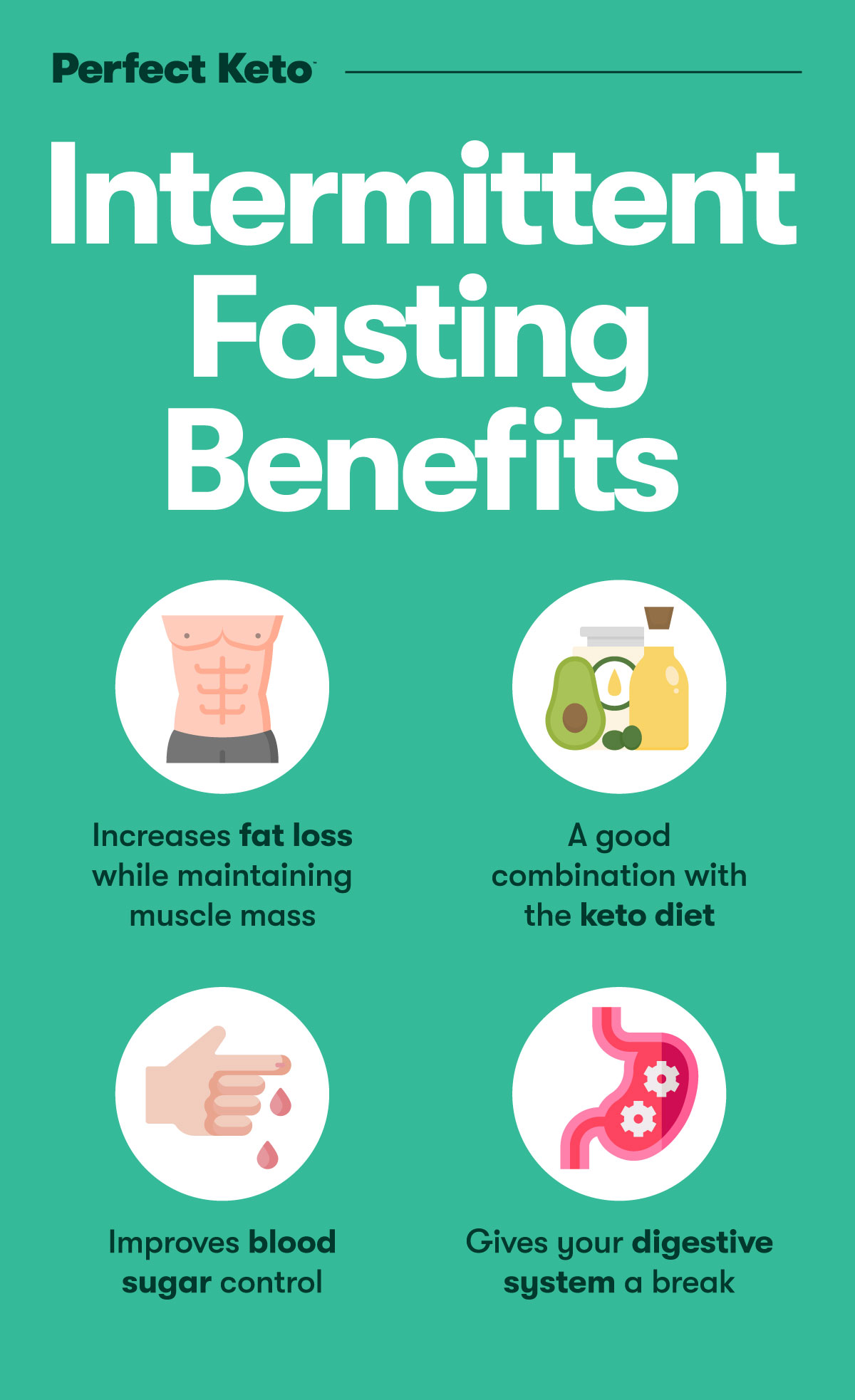
Credit: www.ctcd.edu
Intermittent Fasting For Special Groups
Some people have special needs or situations. Here’s how intermittent fasting may affect them:
Athletes And Active Individuals
If you train hard, you may need more calories or nutrients during eating windows. Time your meals around workouts for best performance and recovery.
Older Adults
Older adults may have unique nutritional needs. Discuss any fasting plan with a healthcare provider before starting.
Women
Some women report menstrual changes or increased stress with fasting. If you experience problems, try a more gentle approach, such as the 12/12 method, or stop fasting.
Non-obvious Insights And Tips
Many beginners overlook certain factors when starting intermittent fasting.
1. Fasting is not just about skipping breakfast. Some people do better skipping dinner instead, especially if their social life or family routine centers around lunch.
2. Black coffee and tea can help control hunger. These drinks (without sugar or milk) are allowed during fasting and can make the process easier.
3. Fasting can reveal emotional eating habits. You may notice urges to eat when stressed, bored, or tired. Use this knowledge to develop healthier coping strategies.
4. Social events can be tricky. Plan your fasting windows around parties or dinners if possible, or allow yourself flexibility for special occasions.
5. Fasting may affect medication. Some medicines must be taken with food. Always check with a doctor to adjust your schedule safely.
The Science Behind Intermittent Fasting
Many studies support the benefits of intermittent fasting, but more research is needed for long-term effects in humans.
Human Studies
- A 2015 review in the journal Obesity found that IF can lead to 3–8% weight loss over 3–24 weeks, which is more than many traditional diets.
- IF may reduce fasting insulin by up to 31% and lower blood sugar by 3–6%.
- Some studies show improved heart health markers, such as reduced cholesterol and blood pressure.
Animal Research
- Mice on IF protocols live up to 36% longer than those with constant access to food.
- Fasting mice have lower rates of cancer, diabetes, and age-related diseases.
Limitations
- Most studies are short-term or involve small groups.
- More research is needed in older adults, women, and people with health conditions.
- Long-term safety and effects are still being studied.
For more scientific details, see this review article from the National Institutes of Health.
Real-world Examples And Success Stories
Many people have used intermittent fasting to improve their health. For example:
- John, a 45-year-old office worker, lost 25 pounds in six months using the 16/8 method. He found it easier than counting calories and enjoyed having bigger meals during his eating window.
- Maria, a busy mom, used the 5: 2 diet and noticed better energy and less bloating.
- Amit, a college student, fasted from 8 pm to 12 pm, which helped him control late-night snacking and focus better in class.
These stories highlight the flexibility of intermittent fasting. People from all walks of life can adapt the approach to their needs.
Tracking Progress And Staying Motivated
To see the benefits of intermittent fasting, it helps to track your progress.
What To Track
- Body weight: Weigh yourself once a week, not daily.
- Waist measurement: This shows fat loss better than the scale alone.
- Energy and mood: Record how you feel each week.
- Blood tests: If possible, check fasting glucose, cholesterol, and other markers with your doctor.
Staying Motivated
- Set realistic goals, such as “I will fast for 14 hours for one week.”
- Join a support group or online community.
- Celebrate small wins, like making it through your first week or losing a few pounds.
Myths And Misunderstandings
There are many myths about intermittent fasting. Here are a few:
1. Fasting Slows Your Metabolism
Short-term fasting can actually boost your metabolism. Long-term extreme calorie restriction can slow it, but IF is different.
2. You Will Lose Muscle
Studies show that with enough protein and resistance exercise, muscle loss is minimal during IF.
3. Fasting Means Starvation
Intermittent fasting is a controlled, safe way to give your body a break from food. Starvation is long-term and dangerous, which is not the goal of IF.
4. Breakfast Is Essential
Many people skip breakfast and feel fine. There’s no proof that eating early is necessary for everyone.
5. You Can Eat Anything During Eating Windows
Quality still matters. Choosing healthy foods will give better results than eating junk.

Credit: blog.myfitnesspal.com
Intermittent Fasting: Is It Right For You?
Intermittent fasting is not a magic solution for everyone, but it can be a useful tool. The best way to know is to try it for a few weeks and see how your body responds. If you feel good, have more energy, and notice positive changes, it may be worth continuing.
Always listen to your body and adjust as needed. If you feel sick or stressed, take a break or try a different approach. Health is a long-term journey, not a race.
Frequently Asked Questions
How Long Does It Take To See Results With Intermittent Fasting?
Most people notice changes after 2–4 weeks. Weight loss, better energy, and less bloating are common early results. For blood sugar or cholesterol improvements, it may take a few months.
Can I Drink Coffee Or Tea During Fasting?
Yes. Black coffee, tea, and water are allowed during fasting periods. Avoid sugar, milk, or cream, as these can break your fast.
Will Intermittent Fasting Cause Muscle Loss?
If you eat enough protein and do resistance training, muscle loss is unlikely. Most weight lost is fat, especially if you choose whole foods and stay active.
Is Intermittent Fasting Safe For Women?
Most women can fast safely, but some may experience menstrual changes or hormone imbalances. If you notice problems, try shorter fasts or stop and consult your doctor.
Can I Exercise While Fasting?
Yes, many people train during fasting. Start with light activity, and listen to your body. You may need to adjust the timing of workouts or meals to feel your best.
Intermittent fasting is a flexible, science-backed way to improve health, lose weight, and simplify eating. With the right approach, it can fit almost any lifestyle. If you’re curious, start small, stay consistent, and enjoy the journey to better health.
Comments
Post a Comment