The ketogenic diet has become one of the most talked-about nutrition trends in recent years. You might have heard about its dramatic weight loss results, or maybe you know someone who says it gave them more energy and clearer thinking. But what exactly is the ketogenic diet? Why does it work for some people but not for others? Is it really safe, and how do you actually follow it in everyday life? This guide aims to answer all these questions and more, using clear explanations, practical examples, and up-to-date science.
Whether you are just curious or seriously considering switching to keto, this article will give you the honest, full picture. You’ll learn how the diet works, what you eat, what you avoid, how it impacts your body, and even some common mistakes to avoid.
Let’s dive into the world of keto and see if it’s the right fit for you.
What Is The Ketogenic Diet?
The ketogenic diet (often called "keto") is a low-carbohydrate, high-fat eating plan. The main idea is to get your body to enter a state called ketosis. In ketosis, your body burns fat for energy instead of carbohydrates.
Normally, your body uses carbs (like bread, rice, and sugar) for fuel. When you eat very few carbs, your body runs low on sugar (glucose) and starts breaking down stored fat into ketones. Ketones are then used as an alternative energy source.
This process changes how your body works and can lead to weight loss, better blood sugar control, and other effects. The keto diet is not just about eating bacon and cheese; it’s a science-based approach to nutrition.
Main Principles Of The Ketogenic Diet
To understand keto, you need to know its core principles:
- Carbohydrate restriction: Usually, you eat less than 20–50 grams of net carbs per day. This is much lower than most normal diets.
- High fat intake: Most of your calories (70–80%) come from healthy fats.
- Moderate protein: Protein is important, but you don’t eat too much. Too much protein can stop ketosis.
- Nutrient-dense foods: Focus on whole, natural foods like meat, fish, eggs, low-carb vegetables, nuts, and healthy oils.
Keto is not just another "low-carb" diet. The very low carb level and high fat intake are what make it unique.
Types Of Ketogenic Diets
There is not just one way to do keto. The most common types are:
- Standard Ketogenic Diet (SKD): The classic version. About 70–75% fat, 20% protein, and 5–10% carbs.
- Targeted Ketogenic Diet (TKD): Allows extra carbs around workouts for athletes or active people.
- Cyclical Ketogenic Diet (CKD): Involves periods of higher-carb intake (such as 5 days keto, 2 days high-carb).
- High-Protein Ketogenic Diet: Similar to SKD but with more protein (about 60% fat, 35% protein, 5% carbs).
Most people start with the Standard Ketogenic Diet. The other versions are for special needs, like athletes or bodybuilders.
How The Ketogenic Diet Works In Your Body
When you reduce carbs, your body goes through several changes:
- Depletes glycogen: Your muscles and liver have stored carbs called glycogen. You burn through these in the first 1–2 days.
- Lowers insulin: Less carbs means less insulin, the hormone that stores sugar as fat.
- Increases fat burning: Your body starts breaking down stored fat for energy.
- Produces ketones: Your liver turns fat into ketones, which fuel your brain and muscles.
After a few days, you enter nutritional ketosis. This is when your blood ketone levels rise and your body mainly uses fat for energy.
Signs Of Ketosis
- Reduced hunger
- Increased focus or mental clarity
- "Fruity" breath odor (from acetone, a type of ketone)
- Weight loss
A non-obvious insight: Even if you follow keto perfectly, it usually takes 2–7 days to reach full ketosis. Testing your ketone levels with urine strips or blood tests can help you know for sure.
Credit: www.news-medical.net
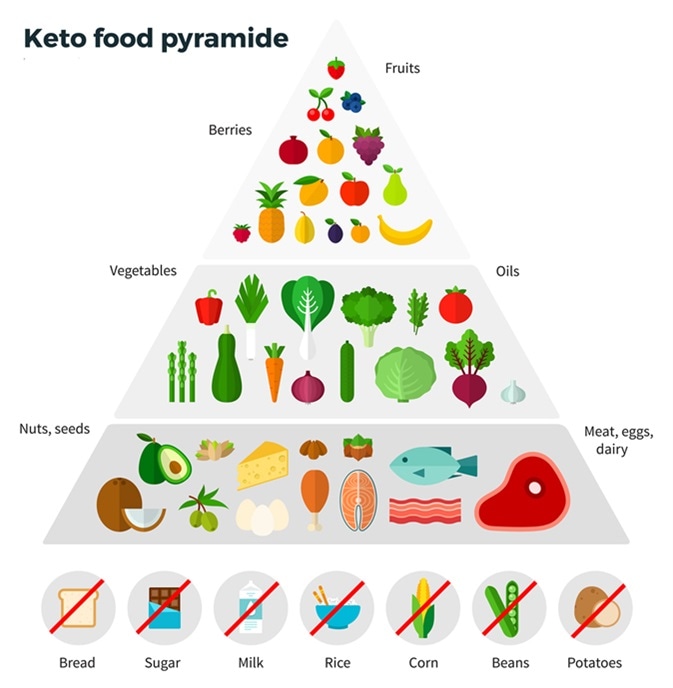
Foods To Eat On The Ketogenic Diet
Choosing the right foods is key to success on keto. Focus on:
- Meat: Beef, pork, lamb, poultry (preferably grass-fed or organic)
- Fish and seafood: Salmon, sardines, mackerel, shrimp
- Eggs: Free-range or pastured if possible
- Low-carb vegetables: Spinach, kale, broccoli, zucchini, cauliflower
- High-fat dairy: Cheese, cream, butter
- Nuts and seeds: Almonds, walnuts, chia, flaxseed
- Healthy oils: Olive oil, avocado oil, coconut oil
- Berries: Raspberries, blackberries (in small amounts)
- Avocados: A top keto-friendly food
Example: One Day Of Keto Meals
- Breakfast: Scrambled eggs cooked in butter with spinach and cheese
- Lunch: Grilled chicken with olive oil, salad (lettuce, cucumber, avocado)
- Snack: A handful of walnuts
- Dinner: Salmon fillet with steamed broccoli and butter
- Dessert: A few raspberries with whipped cream
Foods To Avoid On Keto
Many foods are high in carbs and will stop ketosis. Avoid these:
- Sugar: Soda, candy, cakes, ice cream
- Grains: Bread, pasta, rice, cereal
- Starchy vegetables: Potatoes, corn, peas, sweet potatoes
- Most fruits: Bananas, apples, oranges, grapes (except small amounts of berries)
- Beans and legumes: Lentils, chickpeas, kidney beans
- Low-fat products: Often high in sugar
- Unhealthy fats: Processed vegetable oils, margarine
- Alcohol: Especially beer and sweet wines
A common mistake: People often forget that sauces, dressings, and “hidden sugars” in packaged foods can add up and push you out of ketosis.
Keto Macronutrient Breakdown
Understanding how your daily calories are divided is essential. Here is a general guideline for a standard ketogenic diet:
| Macronutrient | Percent of Calories | Example Foods |
|---|---|---|
| Fat | 70–75% | Oils, butter, cheese, fatty meat |
| Protein | 20–25% | Meat, fish, eggs |
| Carbohydrates | 5–10% | Leafy greens, non-starchy veggies |
Health Benefits Of The Ketogenic Diet
Many studies show that keto can have significant health benefits, especially for people with certain conditions.
1. Weight Loss
Keto helps people lose weight faster than many other diets, especially in the first 6 months. You lose water weight first, then body fat. Appetite is often reduced, making it easier to eat less.
2. Blood Sugar Control
People with type 2 diabetes often see big improvements. Keto can lower blood sugar and sometimes reduce or even remove the need for diabetes medication.
3. Better Heart Health Markers
Keto can improve cholesterol and triglyceride levels. Many see higher HDL ("good" cholesterol) and lower triglycerides, both positive for heart health.
4. Brain Function And Mental Clarity
Some report improved focus and less “brain fog” on keto. The brain can use ketones efficiently, sometimes better than glucose.
5. May Help Certain Neurological Disorders
Keto was first used to treat epilepsy in children. Today, there is research into using it for Parkinson's, Alzheimer's, and other brain conditions.
6. Lowered Inflammation
A well-formulated keto diet may reduce inflammation, which is linked to many diseases.
7. Potential Cancer Therapy Support
Early research shows keto might help slow the growth of some cancers when used with medical treatment. This is still experimental.
A non-obvious insight: Rapid weight loss on keto can also lower blood pressure, but you need to monitor this if you are on medication.
Possible Risks And Side Effects
Keto is not risk-free. Some side effects and risks include:
1. Keto Flu
When starting, many people feel tired, get headaches, or feel sick for a few days. This is called the "keto flu" and usually passes quickly. It happens as your body switches fuel sources.
2. Nutrient Deficiency
If you don't eat a variety of foods, you could lack vitamins and minerals like magnesium, potassium, or vitamin C.
3. Digestive Issues
Constipation is common, especially if you don’t eat enough fiber from vegetables and seeds.
4. Increased Cholesterol (in Some People)
While most see improved cholesterol, some people’s LDL ("bad" cholesterol) goes up. This doesn’t happen to everyone.
5. Loss Of Muscle Mass
If you don’t eat enough protein or do resistance exercise, you may lose muscle.
6. Not Suitable For Everyone
People with pancreas, liver, or gallbladder problems, or those with a history of eating disorders, should be careful. Always consult your doctor before starting keto.
Who Should Consider The Ketogenic Diet?
Keto can be helpful for:
- People who want fast weight loss
- Those with type 2 diabetes or prediabetes
- People with epilepsy (under medical supervision)
- Anyone looking for appetite control
- Those interested in mental clarity
However, keto is not for everyone. If you are pregnant, breastfeeding, underweight, or have certain health conditions, speak to a healthcare provider first.
Common Mistakes On The Ketogenic Diet
Even if you follow the basics, some pitfalls can make keto less effective or even risky.
- Not eating enough fat: Fear of fat leads to hunger and low energy.
- Eating too much protein: This can prevent ketosis, as extra protein turns into glucose.
- Hidden carbs: Sauces, processed foods, and even “keto” snacks can have extra carbs.
- Ignoring vegetables: Skipping greens can cause nutrient gaps and constipation.
- Not drinking enough water: Keto increases water loss, so dehydration is common.
- Not adding electrolytes: Losing sodium, potassium, and magnesium can cause tiredness or cramps.
- Giving up too soon: The first week is hard, but your body adjusts with time.
One practical tip: Make a food diary for the first 2 weeks. This helps you spot hidden carbs and find the right balance for your body.
How To Start The Ketogenic Diet: Step-by-step
Switching to keto is easier with a plan. Here’s how to get started:
1. Learn Your Macros
Use an online calculator to find your ideal fat, protein, and carb targets. Adjust as needed based on your progress.
2. Empty Your Kitchen
Remove high-carb foods like bread, pasta, rice, chips, and sweets. Stock up on keto-friendly options.
3. Plan Simple Meals
Start with easy meals: eggs and bacon for breakfast, salad with chicken for lunch, fish and veggies for dinner.
4. Focus On Hydration And Electrolytes
Drink plenty of water. Add extra salt to your food, and consider a magnesium or potassium supplement if needed.
5. Track Your Progress
Weigh yourself, measure your waist, and monitor how you feel. Blood or urine ketone tests can be helpful.
6. Be Patient
It takes time to enter ketosis and adjust. Energy will dip at first, but usually returns after a week.
Sample Weekly Meal Plan
Here’s a simple, balanced 7-day keto meal plan:
| Day | Breakfast | Lunch | Dinner |
|---|---|---|---|
| Monday | Omelette with cheese & spinach | Grilled chicken salad with avocado | Salmon with broccoli and butter |
| Tuesday | Scrambled eggs with mushrooms | Tuna salad with olive oil | Pork chops with green beans |
| Wednesday | Greek yogurt with chia seeds | Egg salad lettuce wraps | Beef stir-fry with zucchini |
| Thursday | Boiled eggs and walnuts | Turkey slices with cheese and olives | Grilled shrimp with asparagus |
| Friday | Avocado and smoked salmon | Chicken Caesar salad (no croutons) | Lamb chops with cauliflower mash |
| Saturday | Bacon and eggs | Beef patty with lettuce, tomato, and pickles | Roast duck with green beans |
| Sunday | Egg muffins with spinach | Salmon salad with olive oil and lemon | Roast chicken with Brussels sprouts |
Snack ideas: Cheese sticks, olives, boiled eggs, a few berries, or a small handful of nuts.
Ketogenic Diet Vs. Other Low-carb Diets
Keto is not the only low-carb diet. Here’s how it compares to some common alternatives:
| Diet | Carb Intake (grams/day) | Main Focus |
|---|---|---|
| Ketogenic | 20–50 | High fat, ketosis |
| Atkins | 20–100+ | Starts very low, then adds carbs |
| Paleo | 100–150 | Whole foods, no processed items |
| Low-Carb, Non-Keto | 50–150 | Lower than standard diet, not ketogenic |
A key difference: Only keto aims for ketosis. Other diets may lower carbs, but not enough to trigger this fat-burning state.
Exercise And The Ketogenic Diet
Many people wonder if you can work out while on keto. The answer is yes, but your body needs time to adapt.
- Strength training: Works well on keto. Protein and fat support muscle repair.
- Endurance sports: Some athletes switch to keto for long races. After a few weeks, many report steady energy.
- High-intensity exercise: Short, intense activities (like sprinting) may feel harder at first, but improve as your body adapts.
Practical tip: For the first two weeks, reduce exercise intensity. As your body adapts, you can slowly return to full workouts.
Supplements For The Ketogenic Diet
Supplements are not required, but some can help:
- Electrolytes: Sodium, potassium, magnesium (to prevent cramps, headaches)
- MCT oil: A special fat that quickly turns into ketones, boosting energy
- Omega-3 fatty acids: From fish oil, for heart health
- Vitamin D: If you don’t get much sunlight
- Greens powder: If you struggle to eat enough vegetables
A non-obvious insight: MCT oil can cause stomach upset if you take too much. Start with 1 teaspoon and increase slowly.
Credit: www.cureepilepsy.org
Social Life And Eating Out On Keto
Keto can feel hard in social situations, but with planning, you can manage:
- Choose grilled or roasted meats at restaurants. Ask for extra vegetables instead of potatoes or rice.
- Salads are usually safe. Ask for olive oil and vinegar, and skip bread or croutons.
- Say no politely to desserts and sweets. Offer to bring a keto-friendly dish to parties.
- Drink water, sparkling water, or black coffee instead of sugary drinks.
Tip: Don’t be afraid to explain your diet to friends or staff. Most people are happy to help you find a suitable meal.
Research And Scientific Evidence
Research on keto is growing fast. Studies show:
- In a review of 13 studies, people on keto lost 2.2 times more weight than those on a low-fat diet.
- A 2017 study found that keto improved blood sugar and reduced the need for diabetes medication.
- Long-term safety is still being studied. Most research looks at periods up to 1–2 years.
For a deeper dive into the science, visit the Wikipedia Ketogenic Diet page.
Is The Ketogenic Diet Right For You?
Keto is a powerful tool for weight loss, blood sugar control, and more. But it is also strict and requires commitment. If you love bread, fruit, or sweets, it can be tough. If you have health conditions, always talk to your doctor first.
Start slowly, plan your meals, and give your body time to adjust. If you feel good, see results, and enjoy the food, keto could be worth it.
Frequently Asked Questions
What Is The Main Goal Of The Ketogenic Diet?
The main goal is to switch your body from burning carbohydrates to burning fat for fuel. This is done by eating very few carbs and increasing fat intake, which puts your body into ketosis.
How Long Does It Take To Get Into Ketosis?
Most people enter ketosis in 2–7 days after starting the diet. It depends on your previous diet, activity level, and metabolism. Using urine or blood ketone tests can confirm if you are in ketosis.
Can You Eat Fruit On The Ketogenic Diet?
Most fruits are too high in carbs for keto. The exceptions are small amounts of berries like strawberries, raspberries, or blackberries. Avoid bananas, apples, oranges, and grapes.
Is The Ketogenic Diet Safe Long-term?
Keto appears safe for most healthy people for up to 1–2 years. However, long-term effects are still being studied. If you have health issues or take medication, consult your doctor before starting.
What Should I Do If I Feel Tired Or Sick On Keto?
This is common in the first week, called keto flu. Drink more water, add extra salt to your food, and eat enough fat. Most people feel better after a few days.
The ketogenic diet can be a life-changing way of eating, but it requires knowledge and planning. With the right approach, you can achieve your goals and enjoy many benefits. Take it step by step, listen to your body, and enjoy discovering a new way to eat.
Credit: www.cureepilepsy.org
Comments
Post a Comment