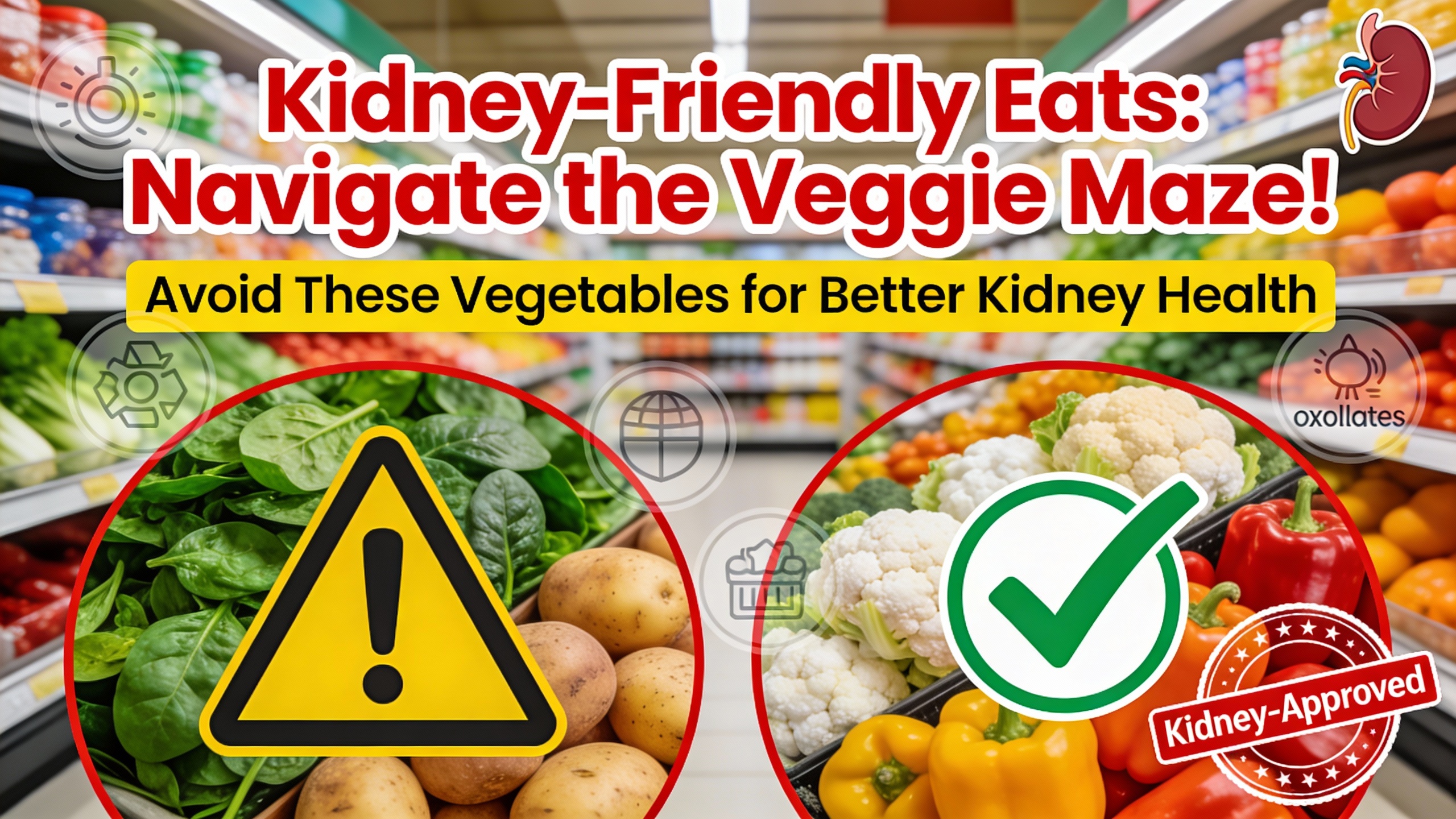
If you've ever stood in the grocery aisle, puzzled by which vegetables are truly safe for your kidneys, you're not alone. I remember my aunt’s struggle with chronic kidney disease where the colorful produce section turned into a maze of ‘eat-this’ and ‘avoid-that.’ Turns out, not all veggies are created equal, especially when kidneys are compromised. This post unpacks why some beloved vegetables like spinach and potatoes might be doing you more harm than good, and how to navigate your plate with kidney-friendly choices.
Why Some Vegetables Challenge Kidney Health
When you think about eating for kidney health, vegetables probably come to mind as a smart choice. But here’s something many people don’t realize: not all vegetables are equally safe for your kidneys—especially if you or someone you care for has kidney disease. Some veggies contain nutrients that can actually put extra stress on your kidneys, making it important to know which ones to watch out for.
High Potassium: A Hidden Risk
Potassium is an essential mineral, but too much can be dangerous if your kidneys aren’t working well. Healthy kidneys filter out extra potassium, but compromised kidneys can’t keep up. This can lead to hyperkalemia, a condition where potassium builds up in your blood and affects your heart. Common high potassium vegetables include:
- Spinach
- Potatoes
- Avocados
- Tomatoes
If you have chronic kidney disease (CKD), your doctor may recommend limiting these foods and managing your potassium intake carefully.
Oxalates and Kidney Stones Prevention
Another concern is oxalates. These natural compounds are found in many plant foods and can contribute to kidney stone formation, especially if you’re prone to stones. Some vegetables high in oxalates are:
- Spinach
- Swiss chard
- Beet greens
- Rhubarb
Reducing high-oxalate vegetables can help with kidney stones prevention and protect your kidney health.
Sodium Reduction for Kidney Support
Too much sodium isn’t just about table salt—it can also sneak in through certain vegetables and processed foods. High sodium intake raises blood pressure and causes fluid retention, both of which put extra pressure on your kidneys. Examples of sodium-heavy foods include:
- Pickles
- Canned vegetables
- Olives
For those with CKD, experts recommend keeping salt intake below 5 grams per day to reduce kidney strain.
Proper nutrient management in chronic kidney disease is essential to prevent complications.
Remember, not all “healthy” vegetables are kidney-friendly. Knowing which veggies are high in potassium, oxalates, or sodium can make a big difference in protecting your kidneys and making smart dietary choices.
Vegetables to Approach with Caution for Kidney Concerns
When following a kidney-friendly or CKD diet, it’s important to know that not all vegetables are created equal. Some popular veggies can actually make kidney problems worse, especially if you’re trying to keep your potassium and oxalate levels in check. Here’s what you need to know about certain high potassium foods and those that can increase your risk of kidney stones.
Leafy Greens: Spinach & Swiss Chard
Spinach and Swiss chard are packed with vitamins A, C, and K, making them seem like healthy choices. But for those with kidney concerns, these leafy greens can be risky. Both are high in oxalates, which can contribute to kidney stone formation. They’re also loaded with potassium, which can be dangerous if your kidneys can’t regulate potassium well. This can lead to hyperkalemia, a condition where potassium builds up in your blood and becomes life-threatening.
For those with impaired kidney function, managing potassium intake is crucial.
Starchy Veggies: Potatoes
Potatoes are a staple in many diets, but they’re another vegetable to approach with caution. They contain both high potassium and oxalates, so they can raise your risk of kidney stones and high potassium levels. If you love potatoes, try leaching—soaking and boiling them in water—to lower their potassium content. Still, it’s best to limit how often you eat them if you’re following low potassium or CKD diet tips.
Other High-Risk Veggies: Tomatoes, Pickles, and Rhubarb
- Tomatoes: While nutritious, tomatoes are high in potassium and acidic, which can worsen certain kidney conditions. Canned tomatoes often have added salt, increasing sodium intake and putting extra strain on your kidneys.
- Pickles: These are low in calories but very high in sodium due to the brine. Too much sodium can cause fluid retention and high blood pressure, both of which are tough on kidneys.
- Rhubarb: This tart veggie is very high in oxalates, making it a kidney stone risk. Plus, its leaves are toxic and should never be eaten.
When planning your meals, keep in mind that even healthy-sounding vegetables can have hidden risks if you have kidney concerns. Always check with your healthcare provider or dietitian for personalized CKD diet tips and ways to enjoy more low potassium options safely.
Sodium: The Silent Kidney Strain from Pickles to Canned Goods
When it comes to kidney-friendly eating, sodium reduction is one of the most important steps you can take. Many foods, especially preserved vegetables like pickles, olives, and canned goods, are loaded with hidden sodium that can silently strain your kidneys.
Why Sodium Is a Problem for Your Kidneys
For people with chronic kidney disease (CKD), keeping sodium intake low is crucial. The recommended sodium limit for CKD patients is less than 2 grams per day—about 5 grams of salt. Excessive sodium intake can lead to elevated blood pressure and increased fluid retention, both of which put extra stress on your kidneys and can worsen kidney function over time.
Pickles and Olives: Salty Culprits
Pickles and olives might seem like harmless snacks or flavorful additions to your meals, but they are preserved in salty brine. This process makes them extremely high in sodium. Just a few pieces can contain a significant portion of your daily sodium limit. For those managing kidney health, even small amounts can be too much, leading to fluid retention and higher blood pressure.
- Pickles: Preserved in vinegar and salt, often with added seasonings. Very high in sodium.
- Olives: Cured in brine, making them another sodium-rich food to limit or avoid.
Canned Vegetables: Convenience with a Cost
Canned vegetables are convenient and have a long shelf life, but they often hide large amounts of sodium and sometimes added preservatives. This extra sodium is used to preserve the vegetables and enhance flavor, but it can be detrimental for kidney health.
- Hidden Sodium: Canned vegetables can contain more sodium than you might expect. Always check the label.
- Rinse to Reduce: Rinsing canned vegetables under water can reduce their sodium content by up to 40%.
- Better Choices: Whenever possible, choose fresh or frozen vegetables without added salt for true kidney-friendly foods.
“Excessive sodium intake can lead to elevated blood pressure and increased fluid retention.”
Managing sodium intake is essential for controlling blood pressure and fluid balance when you have kidney disease. By limiting sodium-rich foods like pickles, olives, and canned vegetables, and opting for low sodium or no-salt-added options, you can better protect your kidney health.
Balancing Kidney-Friendly Eating with Plant-Based Diets
If you’re following a plant-based diet and also need to protect your kidney health, you might wonder if these two goals can work together. The good news is, with the right choices, you can enjoy the benefits of plant-based eating while supporting your kidneys. In fact, research shows that “higher amounts of vegetables, fruits, whole grains and legumes support kidney function.” The key is to focus on kidney-friendly foods and manage your intake of potassium, sodium, and protein.
Plant-Based Proteins and Whole Grains
Even on a CKD diet, you can include plant-based proteins like beans, lentils, and tofu, but portion control is important. For those with chronic kidney disease, protein intake should be moderated—aim for about 0.6-0.8 grams per kilogram of body weight daily as recommended by experts. Whole grains such as brown rice, quinoa, and bulgur are also encouraged, but keep an eye on phosphorus and potassium content. Always check with your renal dietitian for personalized advice.
Choosing Low Potassium Vegetables
Not all vegetables are created equal when it comes to kidney health. Some, like spinach and potatoes, are high in potassium and oxalates. Instead, choose low potassium vegetables such as:
- Cauliflower
- Green beans
- Cabbage
- Bell peppers
- Summer squash
These options are gentler on your kidneys and can be enjoyed in a variety of dishes. Remember to avoid canned vegetables with added salt, or rinse them well to reduce sodium.
Mediterranean and DASH Diets: A Balanced Approach
The Mediterranean and DASH diets are both recommended for kidney health. They emphasize vegetables, fruits, whole grains, and limited red meat, making them naturally plant-based and kidney-friendly when planned well. These diets also help you manage blood pressure and provide a wide range of nutrients without overloading your kidneys.
Higher amounts of vegetables, fruits, whole grains and legumes support kidney function.
By choosing the right plant-based foods and working with a renal dietitian, you can enjoy a healthy, balanced diet that supports both your kidney health and your overall well-being.
Wild Card: Imagine Your Kidneys Throwing a Party: What Would They Invite?
Let’s have a little fun with this: Imagine your kidneys as the hosts of a big party. They’re careful planners, wanting everything to run smoothly and peacefully. So, who’s on their exclusive guest list? Only kidney-friendly foods, of course—those that are low in potassium and sodium, keeping the atmosphere calm and stress-free.
Your kidneys would roll out the red carpet for veggies like cauliflower, cabbage, bell peppers, and green beans. These low-potassium, low-sodium guests mingle quietly and never cause a scene. They help your kidneys do their job without extra work, making them the life of the party in the best way possible.
But what about the party crashers? High-potassium veggies like avocados and spinach might try to sneak in, but your kidneys know better. These guests can cause chaos, leading to a condition called hyperkalemia—an overload of potassium in your blood that can be dangerous for your heart and muscles. As the saying goes,
Managing potassium intake is crucial for those with impaired kidney function.So, your kidneys would kindly ask these high-potassium foods to stay home.
Then there are the sodium-heavy guests—pickles and olives. While they might seem fun at first, they bring along stress and tension in the form of high blood pressure and fluid retention. Too much sodium puts a strain on your kidneys, making it harder for them to keep the party (your body) in balance. Your kidneys would definitely prefer to keep these salty guests off the invite list, focusing on sodium reduction for a healthier celebration.
This party analogy isn’t just for laughs—it’s a helpful way to remember the impact different nutrients have on your kidneys. Understanding how potassium and sodium affect kidney function can make it easier to stick to a kidney-friendly diet. When you picture your kidneys as party planners, it’s clear why they choose their guests so carefully. By inviting only the right foods, you help keep your kidneys happy and your body healthy.
In the end, mindful eating is all about making choices that support your kidney health. By choosing low-potassium, low-sodium vegetables and understanding the reasons behind these choices, you’re setting the stage for a peaceful, well-managed party—one your kidneys will thank you for. Always remember to consult your healthcare provider for advice tailored to your unique needs, and keep those kidneys celebrating in style!
TL;DR: Some vegetables, rich in potassium, oxalates, or sodium, can worsen kidney health. Learn why commonly loved veggies like spinach, potatoes, and pickles should be eaten cautiously or avoided to protect your kidneys.
Comments
Post a Comment