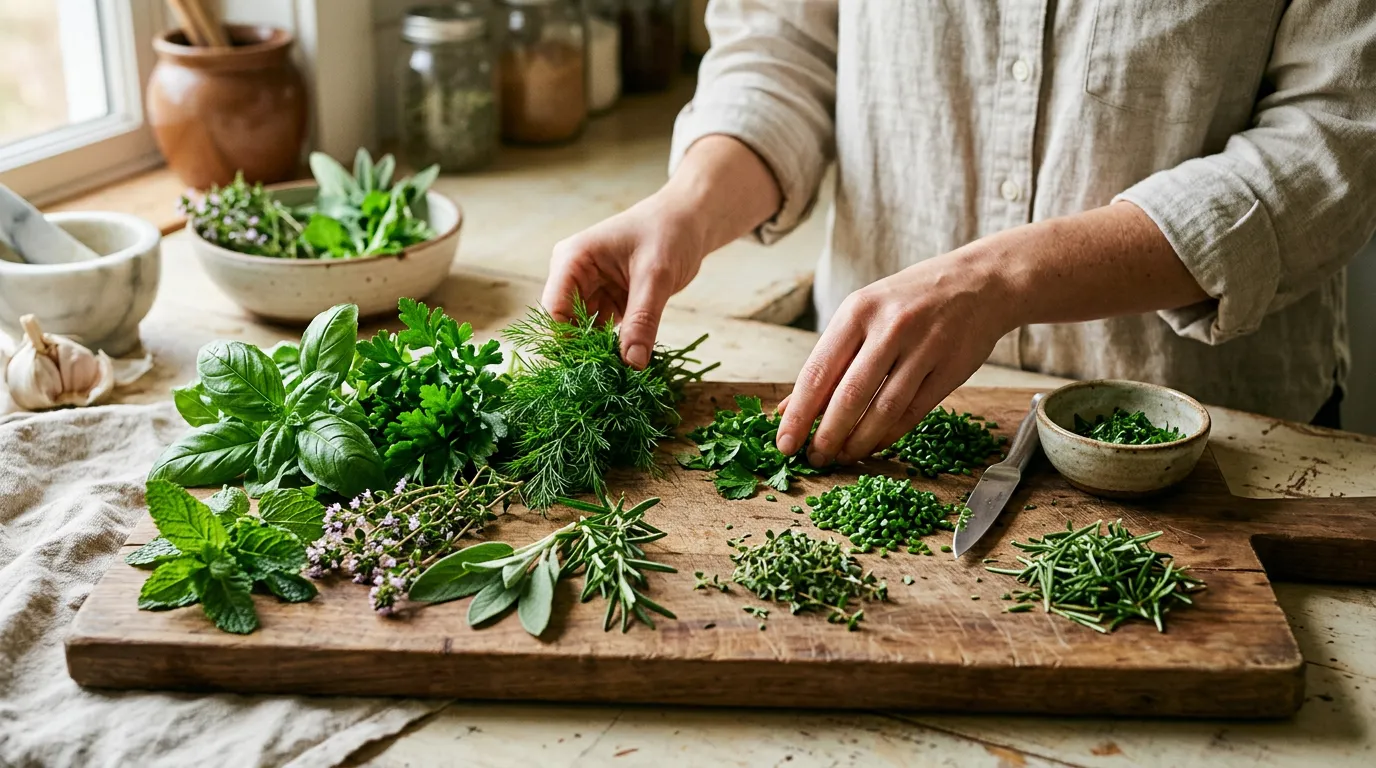
You probably have at least five of these in your spice drawer right now. I did — and one night I swapped my usual bland dinner for a turmeric-and-garlic stir-fry and felt oddly empowered. This post walks you through ten culinary herbs and spices, the compounds scientists are eyeing, real study takeaways (yes, with dates), and how to try them safely in cooking or supplements.
1) Why your spice rack is quietly doing health work
Your spice rack isn’t just for taste—it’s a lineup of Functional Foods. Many Culinary Herbs and spices are packed with phenolic compounds and polyphenolic compounds, which help explain their Spices Antioxidants reputation. These plant compounds support the body’s natural defenses against oxidative stress and may help calm everyday inflammation over time.
Small shakes, real Health Benefits
When you use herbs and spices often (not once in a while), you build a “broad intake” that research suggests can maximize antioxidant and anti-inflammatory effects. That matters because inflammation and oxidative damage are linked with many chronic conditions.
You also see targeted examples in research-backed notes:
- Cinnamon (cinnamaldehyde): linked with antioxidant support and better blood sugar handling; practical use is about 1–6 g/day (0.5–2 tsp).
- Peppermint oil: studies (2022, 2024) suggest benefits for IBS pain and bloating by relaxing colon muscles.
- Turmeric (curcumin): a strong anti-inflammatory antioxidant, often discussed for joint, heart, and brain support.
- Garlic (allicin): tied to antimicrobial action and heart markers, including blood pressure support in some studies.
Flavor that helps you cut sugar and salt
Spices make food taste “finished,” so you may lean less on added sugar, sodium, and heavy sauces—an easy nudge supported by dietary guidance. Try adding a blend to veggies to make them more appealing across ages.
In a large Chinese study, chili pepper intake was linked to a 14% lower risk of early death.
Your best move is simple: swap, mix, and experiment. You don’t need supplements to start stacking these Health Benefits—you just need to cook.
2) Cinnamon — more than toast-topper (cinnamaldehyde in focus)
Cinnamon Benefits start with cinnamaldehyde
When you sprinkle cinnamon on food, you’re getting more than cozy flavor. The star compound is cinnamaldehyde, and it’s tied to many of cinnamon’s best-known Health Benefits—especially antioxidant support and an Anti Inflammatory effect.
What research says (2020 + 2015)
In a 2020 study, cinnamon use was linked to higher antioxidant markers and lower CRP (C-reactive protein), a common lab marker linked with inflammation. A separate 2015 study also supported cinnamon’s Anti Inflammatory activity. Together, these findings help explain why cinnamon is often discussed for heart-health protection and overall inflammation balance.
Blood Sugar support you can actually use
Cinnamon may help with Blood Sugar control by slowing carbohydrate digestion and supporting insulin sensitivity. That makes it a practical add-on if you’re building steadier meals—think fiber + protein + a little spice.
How much to take (and a smart safety note)
- Common range: 1–6 grams/day (about 0.5–2 teaspoons)
- Watch cassia: Cassia cinnamon (Cinnamomum cassia) can be higher in coumarin, which may strain the liver if you overdo it daily.
- Daily habit tip: If you use cinnamon often, consider Ceylon (“true cinnamon”) and keep amounts moderate.
Easy ways to eat it (sweet or savory)
Stir it into oatmeal or yogurt, add it to coffee, or mix it into savory rubs for chicken, carrots, or roasted squash for extra depth without extra sugar.
3) Sage — the memory whisperer (early brain signals)
If you love Herbs Spices that do more than taste good, sage is an easy one to root for. Its name comes from the Latin salvere, meaning “to save”—a fitting backstory for a herb often linked with memory and mental sharpness.
Cognitive Benefits: why researchers pay attention
One reason sage shows up in brain-health conversations is its possible role in helping preserve acetylcholine, a neurotransmitter your brain uses for learning and memory. In Alzheimer’s disease, acetylcholine levels can drop, so anything that helps protect it is a big deal (at least in theory).
Early human hints (promising, not proof)
Small human trials have reported memory improvements, especially in people with Alzheimer’s disease. These early signals support the idea that sage may offer real Health Benefits for cognition—but the research is still limited. You should treat this as “cautiously optimistic,” because larger, well-designed human studies are still needed to confirm consistent cognitive outcomes.
Think of sage as a “maybe helpful” brain herb—interesting results so far, but not a finished story.
How to use sage in everyday cooking
- Roasted vegetables (try it with squash, carrots, or potatoes)
- Stuffing and soups for an earthy, cozy flavor
- Compound butter for chicken, fish, or beans
- Poultry rubs (sage + salt + pepper is simple and solid)
Safety note
Sage is generally safe in food amounts. But if you’re considering concentrated sage extracts or supplements for Cognitive Benefits, check with a clinician—especially if you take medications or are managing a neurological condition.
4) Peppermint — gut calm in a mint leaf
GutHealth help from a simple mint
If your stomach feels jumpy, peppermint can be one of the most useful Herbs Spices options to keep on hand. Peppermint’s essential oil has a long history in folk care, and modern research is starting to back up why it’s so popular for GutHealth support—especially for irritable bowel syndrome (IBS).
What the research says (2022 + 2024)
In a 2024 study, peppermint oil improved IBS pain. A 2022 study also found peppermint oil outperformed placebo for IBS treatment. These findings fit with known Physiological Effects of peppermint oil: it may relax smooth muscle in the colon, which can ease cramping, pain, and that “tight, bloated” feeling.
How it may work
- Colon muscle relaxation: helps calm spasms linked to IBS discomfort.
- Symptom relief: may reduce pain and bloating rather than “curing” IBS.
- Aromatherapy: inhaling peppermint may help nausea for some people.
Best forms to try
For IBS, look for enteric-coated peppermint oil capsules. This coating helps the oil pass through the stomach and release lower in the digestive tract (where you want it). For milder issues, peppermint tea or peppermint aromatherapy can be a gentle first step.
When to check with your doctor
Talk with your clinician if you’re adding peppermint while using prescription IBS meds or GLP-1 treatments like Zepbound (including telehealth programs such as LifeMD). Also note: peppermint can trigger heartburn if you’re reflux-prone, so start small and track your response.
5) Turmeric / Curcumin — the headline-maker of anti-inflammation
When you think of Turmeric Curcumin, you’re really talking about one star compound: curcumin. It’s one of the most talked-about Spices Antioxidants because it acts as both a potent antioxidant and a strong Anti Inflammatory agent. Some research summaries even compare its effect size to certain anti-inflammatory drugs—without claiming it’s a direct replacement.
Why curcumin gets so much attention
Inflammation is tied to many aging-related health issues, so a compound that helps “turn down” inflammatory signals is a big deal. In the source you’re drawing from, curcumin’s major potential benefits are backed with a specific citation marker (5), pointing you to deeper research support.
- Arthritis comfort: many people use turmeric for joint stiffness and soreness.
- Heart health support: studies look at cardiovascular markers linked to inflammation.
- Brain and cognition: research explores protection as you age, since chronic inflammation may affect memory and thinking.
Absorption matters (a lot)
Here’s the catch: results can look “mixed” because formulation changes outcomes. Curcumin is hard for your body to absorb on its own, so you’ll often see it paired with:
- Black pepper (piperine) to boost bioavailability
- Oil/fat (like olive oil or coconut milk) to help absorption
- Enhanced supplements (special delivery forms used in some clinical trials)
Kitchen and safety tips
Cook turmeric with a little oil and a pinch of black pepper for a practical boost. Turmeric is usually well-tolerated in food, but high-dose supplements can cause GI upset (like nausea or diarrhea) in some people.
6) Holy basil — sacred leaf, practical promise
Herbs Spices note: tulsi isn’t “regular basil”
If you’ve only cooked with sweet or Thai basil, don’t assume it’s the same. Holy basil (tulsi) has a different scent, taste, and a different set of active compounds. One standout is eugenol, found in its essential oil.
2024 research signals: blood pressure + Antimicrobial Properties
In a 2024 cluster of findings, eugenol in holy basil essential oil was linked to potential help with hypertension (high blood pressure). The same 2024 work also pointed to broad Antimicrobial Properties, meaning activity against many kinds of microbes. That’s a big reason tulsi keeps showing up in modern “kitchen remedies” conversations.
Metabolic Health potential (also 2024)
Other 2024 findings suggest holy basil extracts may support your immune system and key Metabolic Health markers—like helping lower blood sugar and LDL cholesterol, while also reducing inflammation and improving blood pressure. These are promising Health Benefits, but most results depend on the type of extract used.
How you might use it (form matters)
- Leaf tea: a gentle, traditional option for daily routines
- Standardized extracts: more concentrated; effects can be stronger
- Essential oil: potent; not the same as tea and needs extra caution
Practical safety caveat
Holy basil tea is generally considered safe for most people, but concentrated extracts and essential oils can interact with medications or health conditions. If you’re managing blood pressure, blood sugar, or cholesterol, check with your clinician first. More research is still needed to turn 2024 extract findings into routine, one-size dosing advice.
In India, tulsi has long been sacred—now it’s being studied for modern immune, metabolic, and antimicrobial roles.
7) Quick tour: cayenne, ginger, fenugreek, rosemary, garlic
If your spice rack is your “tiny wellness shelf,” these five picks show why people love Spices Antioxidants—and why research keeps circling back to a few key compounds.
Cayenne (capsaicin) — Cayenne heat with a metabolism angle
Cayenne’s active compound, capsaicin, is linked with appetite suppression and a small boost in fat burning. A 2022 review also flagged early, possible anticancer signals. You can use a pinch in soups, eggs, or roasted veggies—start small if you’re sensitive to heat.
Ginger (gingerols) — Ginger Nausea support you can measure
Ginger stands out for nausea relief: studies often use 1–1.5 g for many nausea types. Beyond the stomach, 2022 work points to antioxidant and anti-inflammatory effects, and 2023 mouse data suggests potential help for osteoarthritis. If you’re pregnant or in chemotherapy care, check with your clinician before supplementing.
Fenugreek — steady blood sugar help (2024)
A 2024 study highlighted fenugreek’s insulin-sensitizing, glucose-lowering, and antioxidant benefits. Try it in curries, lentils, or spice blends—its flavor is slightly sweet and maple-like.
Rosemary (rosmarinic acid) — calming, but human data is thin
Rosemary’s rosmarinic acid is tied to anti-inflammatory and antioxidant potential, with tentative hints around allergy relief. The catch: strong human trials are still limited, so think of it as supportive, not a stand-alone fix.
Garlic (allicin) — Garlic Health and heart markers
Garlic’s allicin is linked to antimicrobial and antiviral activity (noted in 2014 and 2020 research). For cardiovascular support, clinical findings show blood-pressure drops around 7–16 mm Hg systolic and 5–9 mm Hg diastolic, with aged garlic extract showing the most consistent results.
- Easy tip: Rotate these seasonally to keep meals exciting and diversify plant compounds (polyphenols).
8) How to use them: dosing, safety, and kitchen tricks
Start with food first (then get specific)
For most Health Benefits, start with culinary doses: use herbs and spices daily and let the Bioactive Compounds add up over time. Supplements are best for targeted goals, because bioavailability and formulation often determine real-world effects.
Quick dosing cues you can actually use
- Cinnamon: 1–6 g/day (about 0.5–2 tsp). Helpful if you’re watching blood sugar.
- Ginger: 1–1.5 g for many nausea types.
- Peppermint: for IBS, studies (2022, 2024) often use enteric-coated peppermint oil capsules so it releases in the gut, not your stomach.
Safety: when “natural” still needs a clinician
Herbs can shift blood sugar and blood pressure, which may change how your meds work. If you use anticoagulants, diabetes drugs, or GLP-1 therapies (like Zepbound), talk with your clinician before adding concentrated extracts. Pregnancy, chemotherapy, and pre-existing conditions are also times to get professional guidance—especially with ginger or high-dose supplements.
Bioavailability hacks (small tweaks, bigger payoff)
- Turmeric/curcumin: add black pepper (piperine) and include fat (olive oil, yogurt) to improve absorption.
- Garlic: for heart support, aged garlic extract is the most consistent form in studies; garlic has been linked to BP drops around 7–16 mm Hg systolic and 5–9 mm Hg diastolic.
Kitchen tricks that boost Vegetable Intake (and fit Dietary Guidelines)
- Build a spice-forward veggie bowl: roast vegetables with turmeric + black pepper, then finish with lemon and olive oil.
- Make a quick marinade: garlic + rosemary + oil + vinegar for chicken, tofu, or beans.
- Try peppermint tea after meals; add cinnamon to oats, yogurt, or smoothies instead of sugary snacks.
9) The wellness ecosystem: apps, GLP-1s, pricing, and the modern context
When you read modern health content, you’re rarely getting science alone. You’re also seeing the “wellness ecosystem” around it: apps, coaching, prescriptions, and pricing. In the same space where you learn about Functional Foods (like cinnamon, turmeric, or peppermint) and their possible Health Benefits, you’ll often notice tools for Weight Management promoted nearby.
Science meets marketplace (and that’s normal)
The source material places research-backed herb and spice notes alongside brand mentions like Noom and GLP-1 options such as Zepbound (including LifeMD pathways) and Wegovy. That mix can be helpful—education plus next steps—but it also means you should read with your “savvy shopper” brain turned on.
Pricing examples you might see (and what to question)
- Plans around $209/year
- $9/month with Prime offers
- A $0 copay claim for Zepbound on some plans
- “Start-for-just-$75” intro pricing
Important: copays and access depend on insurance, location, and supply—so always check the fine print before you plan your budget.
Safety: don’t stack tools without oversight
If you’re using an app, experimenting with herbs, or considering GLP-1s, loop in a clinician—especially if you’re managing IBS, diabetes, or high blood pressure. “Natural” can still interact with meds.
Research insight: Health content is often paired with commercial offers—be a savvy reader.
Finally, the author/reviewer credits show the piece was updated March 27, 2025, which signals active editorial upkeep—but it doesn’t replace personalized medical advice.
10) Wild cards: a couple of oddities, analogies and what-if scenarios
Your spice rack as a micro-garden pharmacy
Think of your spice rack like a tiny, indoor “garden pharmacy.” You’re not taking huge doses; you’re stacking micro interventions. That’s where the real Health Benefits often live: in small, sustained culinary changes you can actually keep doing—one pinch, one meal, one week at a time. It’s also sneaky-good Behavioral Nutrition: you’re building routines, not chasing hacks.
A 12-week “what if” with cinnamon + garlic
What if you added about a teaspoon of cinnamon daily (within the common 1–6 grams range) and one clove of garlic with dinner? Cinnamon’s cinnamaldehyde is linked with antioxidant and inflammation notes in studies, and garlic’s allicin is tied to heart and immune markers. In 12 weeks, could your CRP or blood pressure nudge down? Maybe—but you won’t know unless you run a trackable experiment and keep everything else steady, including Vegetable Intake.
Anecdotes aren’t proof, but they’re still useful
A friend told me ginger-tea breakfasts helped digestion during chemo. That story matters because it shows what “livable” can look like. It’s not a clinical trial, and it doesn’t replace medical care, but it can inspire a safe, personalized starting point.
“Small habits compound.”
The safety wildcard
Not everything with a botanical label is safe. Peppermint oil, concentrated curcumin, or “immune” blends can interact with meds or worsen reflux or IBS for some people—so check with your clinician before big changes.
Your simple close-out experiment
This month, rotate two spices (say turmeric and rosemary) and track one metric—mood, blood pressure, or nausea frequency—so research becomes personal practice.
TL;DR: Many common herbs and spices—cinnamon, turmeric, garlic, sage, peppermint and others—contain bioactive compounds that show antioxidant, anti-inflammatory, metabolic and gut benefits in studies. Use common culinary doses, watch interactions, and talk to your clinician for medical conditions.
Comments
Post a Comment