Neuroplasticity: How The Brain Changes Itself
Imagine if you could rewire your brain to learn a new language at any age, recover from injury, or even change bad habits. This is not science fiction—it's the fascinating reality of neuroplasticity. Neuroplasticity is the brain's remarkable ability to reorganize itself, form new connections, and adapt throughout life. For centuries, scientists believed the brain was fixed after childhood. But new research reveals a different story: your brain is always changing.
This article will guide you through the world of neuroplasticity, explaining what it is, how it works, and why it matters for everyone. You'll discover real-life examples, practical uses, and even ways to boost your own brain’s plasticity. We'll look at what science says, clear up common misunderstandings, and answer the questions people often have.
Whether you’re a student, teacher, parent, or just curious, you’ll find clear explanations and useful insights here.
What Is Neuroplasticity?
Neuroplasticity, sometimes called brain plasticity, is the ability of the nervous system to change its structure and function. In simple words, it means the brain can adjust, rebuild, and rewire itself. This happens in response to learning, experience, environment, or even injury.
The word comes from "neuro" (nerves or the nervous system) and "plasticity" (moldable or changeable). For a long time, scientists thought only young children’s brains could change. Now, studies show that adults’ brains are also highly adaptable.
Neuroplasticity works on different scales, from tiny changes at the level of single cells (neurons) to big shifts in whole brain areas. It’s the reason why you can remember new facts, develop new skills, or recover after an accident.
Types Of Neuroplasticity
Neuroplasticity is not just one simple process. It takes different forms, each with its own purpose and mechanism. The two main types are structural plasticity and functional plasticity.
Structural Plasticity
This means the brain can actually change its physical structure. New connections, called synapses, are formed between neurons. Old connections can become stronger, weaker, or even disappear. For example, when you practice playing the piano, new connections form in the parts of your brain that control your fingers and process music.
Functional Plasticity
Here, the brain shifts functions from one area to another. This often happens after injury or stroke. If one part of the brain is damaged, other parts can sometimes take over the lost function. For example, if a stroke affects the area for speech, another part may learn to handle language.
Other Forms
- Synaptic plasticity: Changes in the strength of connections between neurons.
- Cortical remapping: The brain assigns new functions to different areas after injury or new experiences.
- Developmental plasticity: How the brain grows and organizes itself during childhood.
How Neuroplasticity Works
Neuroplasticity happens at many levels, from the smallest molecules to entire brain regions. Understanding how it works helps us see its power—and its limits.
Neurons And Synapses
The brain is made up of around 86 billion neurons. These cells send signals to each other through connections called synapses. When you learn or remember something, certain pathways between neurons become more active and stronger. The saying “neurons that fire together, wire together” explains this idea well.
Long-term Potentiation (ltp)
One key mechanism is long-term potentiation. This means repeated activity between two neurons makes their connection stronger and more efficient. LTP is important for learning, memory, and skill development.
Neurogenesis
This is the creation of new neurons. For a long time, scientists believed adults could not grow new brain cells. But research shows that in certain brain areas, like the hippocampus (important for memory), new neurons are made throughout life.
Pruning
Just as important as growth is pruning—the brain removes weak or unused connections. This helps the brain stay efficient and adapt to new demands.
Why Is Neuroplasticity Important?
Neuroplasticity is not just a scientific curiosity. It affects our daily lives in deep ways.
- Learning and Memory: Every new skill, language, or piece of information you learn relies on neuroplasticity.
- Recovery from Injury: People who suffer strokes or brain injuries can often recover lost abilities, thanks to the brain’s ability to reorganize itself.
- Mental Health: Disorders like depression and anxiety involve changes in brain circuits. Many treatments work by promoting healthy plasticity.
- Habits and Behavior: Changing habits—good or bad—depends on rewiring brain pathways.
- Aging: Neuroplasticity can slow down age-related decline and help older adults stay sharp.
Real-life Examples Of Neuroplasticity
The power of neuroplasticity is not just theory. Here are some striking examples from real life.
Stroke Recovery
After a stroke, many people lose the ability to speak, move, or remember things. With therapy, the brain can rewire itself so other areas take over lost functions. For instance, someone who loses movement on one side can often regain some control through repetitive exercises.
Learning A Musical Instrument
Studies show that musicians have larger areas of the brain devoted to finger movements and sound processing. These changes develop through years of practice, showing how training shapes the brain.
Reading Braille
Blind individuals often use their visual cortex—normally used for sight—to read Braille by touch. The brain “remaps” itself to use this area for new sensory input.
Taxi Drivers In London
A famous study found that London taxi drivers, who must memorize the city’s complex layout, have a larger hippocampus than average. This area grows as they learn more routes, and can even shrink if they stop driving.
Overcoming Phobias
Therapies for phobias and anxiety, like cognitive-behavioral therapy (CBT), work by changing brain circuits. Repeated exposure and new thinking patterns can literally reshape the brain.
The Science Behind Neuroplasticity
Research on neuroplasticity has exploded in the last few decades. Here are some key scientific findings and methods.
Brain Imaging
Modern tools like MRI and fMRI let scientists see changes in the brain’s structure and activity. For example, after weeks of learning to juggle, people show more gray matter in areas for movement and vision.
Animal Studies
Many discoveries come from animal research. For example, scientists found that rats in stimulating environments (with toys and wheels) grow more brain cells and connections than those in boring cages.
Human Studies
Researchers have tracked changes in people learning new skills, recovering from injury, or undergoing therapy. They measure growth, activity, and even new neuron creation.
Key Data
- Children’s brains are most plastic, but adults can change too.
- Adults can grow new neurons in the hippocampus.
- Therapy and exercise can boost plasticity even in old age.
Neuroplasticity Throughout Life
How does neuroplasticity change as we age? It’s not the same at every life stage.
Childhood
Children’s brains are extremely plastic. This is why they learn languages quickly and recover from injuries better than adults. During development, the brain forms and prunes connections at a rapid rate.
Adolescence
Teen brains are also highly adaptable, especially in areas for planning, emotion, and self-control. However, this can make teens more sensitive to stress and substance use.
Adulthood
Plasticity slows down but does not stop. Adults can still learn new skills, adapt after injuries, and form new memories. It may take more effort and repetition, but the brain remains changeable.
Old Age
Even in later life, the brain can adapt. Regular mental activity, social interaction, and physical exercise help keep the brain flexible. Some decline is normal, but plasticity helps protect against memory loss and dementia.
Factors That Affect Neuroplasticity
Not everyone’s brain changes at the same rate. Many factors influence neuroplasticity.
Genetics
Some people are born with genes that make their brains more or less plastic. For example, certain genes affect how easily neurons make new connections.
Environment
A rich, stimulating environment—full of learning, challenge, and novelty—boosts brain plasticity. Boredom and isolation slow it down.
Diet And Sleep
Healthy food and enough sleep are essential for brain health. Lack of sleep or poor nutrition weakens plasticity.
Stress
Chronic stress can damage brain cells and reduce plasticity, especially in the hippocampus. Managing stress is key for a healthy brain.
Physical Activity
Exercise increases blood flow, growth factors, and even new neuron growth. People who stay active have more adaptable brains.
Age
Younger brains are more plastic, but anyone can boost their brain’s adaptability with the right habits.
How To Boost Neuroplasticity
You can take steps to make your brain more adaptable. Here are proven ways to support and enhance neuroplasticity.
1. Learn New Skills
Challenging your brain with new activities—like a language, instrument, or sport—forces it to form new pathways. The more you practice, the more your brain changes.
2. Exercise Regularly
Physical activity, especially aerobic exercise, increases chemicals that help neurons grow and connect. Aim for at least 30 minutes most days.
3. Get Enough Sleep
Sleep is when the brain strengthens memories and clears out waste. Adults need 7–9 hours per night for best brain function.
4. Eat Brain-healthy Foods
Omega-3 fats (in fish, nuts, and seeds), antioxidants (berries, leafy greens), and whole grains all support brain health. Avoid too much sugar and processed food.
5. Reduce Stress
Practice relaxation techniques like meditation, yoga, or deep breathing. These lower stress hormones and protect the brain.
6. Stay Socially Connected
Talking, playing, and sharing with others keeps your brain active and flexible. Social isolation can shrink brain areas.
7. Practice Mindfulness
Mindfulness and meditation increase gray matter in areas for focus and emotion control. Even a few minutes a day can help.
8. Challenge Yourself
Doing puzzles, reading, learning new facts, or even changing your daily routine can keep your brain flexible. The more you challenge yourself, the more your brain adapts.
9. Rest And Recover
Balance is important. Give your brain time to rest after learning or stress. Recovery helps new connections form.
10. Try New Experiences
Travel, meeting new people, or exploring new hobbies all give your brain new things to process and adapt to.
Neuroplasticity And Recovery
One of the most exciting uses of neuroplasticity is in recovery from injury or disease. Here’s how it helps.
Stroke And Brain Injury
After a stroke, many lose movement, speech, or memory. With focused therapy, other parts of the brain can sometimes take over lost functions. Techniques like constraint-induced movement therapy force the brain to adapt.
Chronic Pain
Pain is not just physical—it also involves brain pathways. Therapies that change how you think about pain can rewire the brain and reduce suffering.
Mental Health
Conditions like depression, anxiety, and PTSD involve unhealthy brain patterns. Cognitive-behavioral therapy and medication can promote healthy plasticity, helping people recover.
Learning Disabilities
Children with dyslexia or ADHD can improve through targeted training. The brain forms new pathways to compensate for weaknesses.
Common Misunderstandings About Neuroplasticity
With all the excitement around neuroplasticity, some myths have appeared. Let’s clear up a few.
1. Myth: The Brain Stops Changing After Childhood.
Fact: Adults’ brains are still plastic, though change may be slower.
2. Myth: You Can “rewire” Your Brain Instantly.
Fact: Real change takes time, effort, and repetition.
3. Myth: Any Brain Change Is Good.
Fact: The brain can form bad habits or unhealthy patterns too.
4. Myth: Only Learning Causes Plasticity.
Fact: Stress, injury, and disease can also change the brain—sometimes in harmful ways.
Limits Of Neuroplasticity
Although neuroplasticity is powerful, it has its limits.
- Not all damage can be repaired. Severe injuries may leave lasting problems.
- Change is slower with age. Older brains adapt, but less quickly.
- Plasticity can be negative. The brain can develop unhealthy patterns, like addiction or chronic pain.
- Genetics set boundaries. Some abilities are easier for certain people.
Neuroplasticity In Education
Teachers and learners can use the science of neuroplasticity to improve education.
Practice And Repetition
Frequent practice helps brain pathways become stronger and faster. This is why regular review is better than cramming.
Variety And Challenge
Switching between tasks, using different senses, and solving new problems all boost plasticity.
Positive Feedback
Encouragement and rewards help the brain form positive connections. Negative feedback can make learning harder.
Rest
Breaks and sleep are essential for memory and problem-solving. The brain needs downtime to strengthen new skills.
Comparing Brain Plasticity Across Life Stages
To better understand how neuroplasticity changes with age, look at the differences in this simple comparison:
| Life Stage | Plasticity Level | Main Features |
|---|---|---|
| Childhood | Very high | Rapid learning, fast recovery, many new connections |
| Adolescence | High | Flexible thinking, sensitive to environment, pruning of unused connections |
| Adulthood | Moderate | Stable skills, slower new learning, can adapt with effort |
| Old Age | Lower | Some decline, but can improve with activity and learning |

Credit: acognitiveconnection.com
Practical Applications Of Neuroplasticity
Neuroplasticity is not just a theory—it’s used in real-world settings every day.
Medicine
Doctors use neuroplasticity to help patients recover from strokes, brain injuries, and neurological diseases. Therapies focus on repeating movements, speech, or tasks to build new pathways.
Education
Teachers design lessons that include practice, variety, and feedback to help students learn more deeply.
Mental Health
Therapists use neuroplasticity principles to treat anxiety, depression, and trauma. Changing thoughts and behaviors rewires unhealthy brain patterns.
Personal Growth
People use neuroplasticity to break bad habits, build new ones, or learn new skills at any age.
Technology
Brain-training apps and virtual reality tools are designed to boost plasticity. But not all are effective—real change comes from meaningful practice.
Comparing Good And Bad Plasticity
It’s important to know that neuroplasticity can be both helpful and harmful.
| Good Plasticity | Bad Plasticity |
|---|---|
| Learning new languages | Developing bad habits |
| Recovering after injury | Addiction pathways |
| Improved memory and skills | Chronic pain circuits |
| Better mental health | Negative thinking loops |
:max_bytes(150000):strip_icc()/what-is-brain-plasticity-2794886-01-cb68ba43ed534fb4b220ff86bf28a0e4.png)
Credit: www.verywellmind.com
Surprising Insights About Neuroplasticity
While most people know the basics, here are two less obvious facts:
- Plasticity is strongest where you focus attention. Passive learning is less effective. Actively thinking, practicing, or imagining a skill creates stronger brain changes.
- Rest is as important as challenge. The brain needs downtime—like sleep or quiet reflection—to consolidate new connections. Without rest, learning is much weaker.
The Future Of Neuroplasticity
Research is moving fast. Scientists are exploring new ways to boost plasticity with drugs, electrical stimulation, and virtual reality. Treatments for brain injury, aging, and mental health are improving. But the basics remain: the right habits, practice, and lifestyle make the biggest difference.
If you want to learn more about the science, you can find trusted information at the Wikipedia Neuroplasticity page.
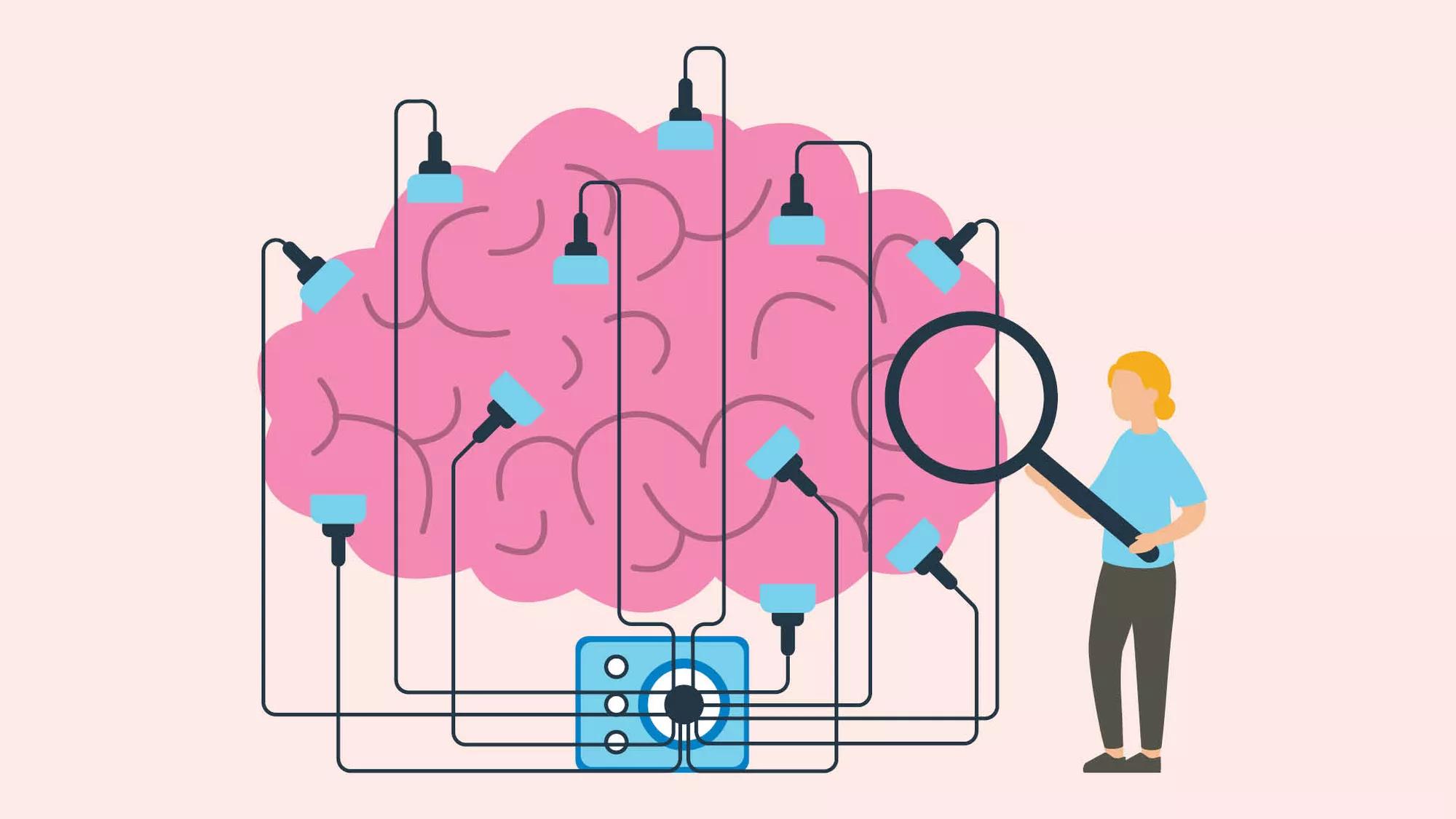
Credit: health.clevelandclinic.org
Frequently Asked Questions
What Is Neuroplasticity In Simple Words?
Neuroplasticity is the brain’s ability to change and adapt. It means your brain can form new connections, strengthen old ones, and even recover after injury.
Can Adults Change Their Brains, Or Is It Only For Children?
Adults can also change their brains, but children’s brains are more adaptable. With effort and practice, adults can learn new skills, change habits, and even recover after injuries.
How Long Does It Take To See Changes From Neuroplasticity?
It depends on the activity. Some changes can happen in days, but big changes—like learning a new language or recovering from a stroke—may take weeks or months of practice and repetition.
What Activities Boost Neuroplasticity The Most?
Learning new skills, regular exercise, enough sleep, a healthy diet, social interaction, and stress reduction all boost neuroplasticity. The key is challenge and repetition.
Are Brain-training Games Effective For Neuroplasticity?
Some may help with certain skills, but real-life activities—like learning an instrument or language—are usually more effective for overall brain health and adaptability.
Neuroplasticity shows that our brains are never fixed. With knowledge and effort, we can continue to grow, learn, and recover throughout life. The power to change your mind is, quite literally, in your hands.
Comments
Post a Comment