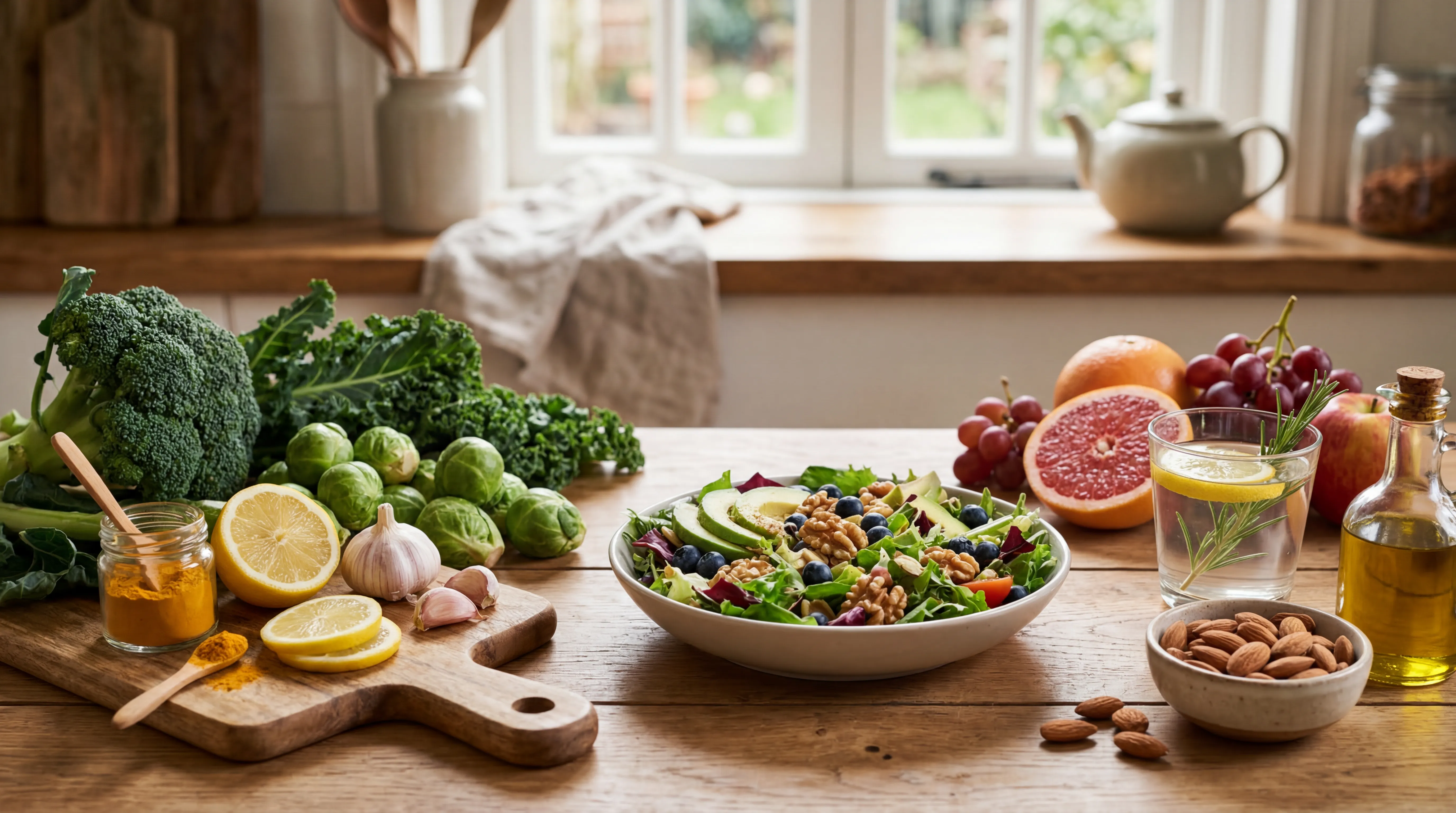
When my doctor mentioned that my liver health was not as optimal as I thought, I was baffled. I had always assumed that if I felt fine, there was nothing to worry about. But it turned out my diet had hidden pitfalls I was unaware of. In this post, I want to share what I've learned about the liver's role in our body, the foods that help it thrive, and the sneaky dietary offenders to avoid.
Understanding Your Liver's Role
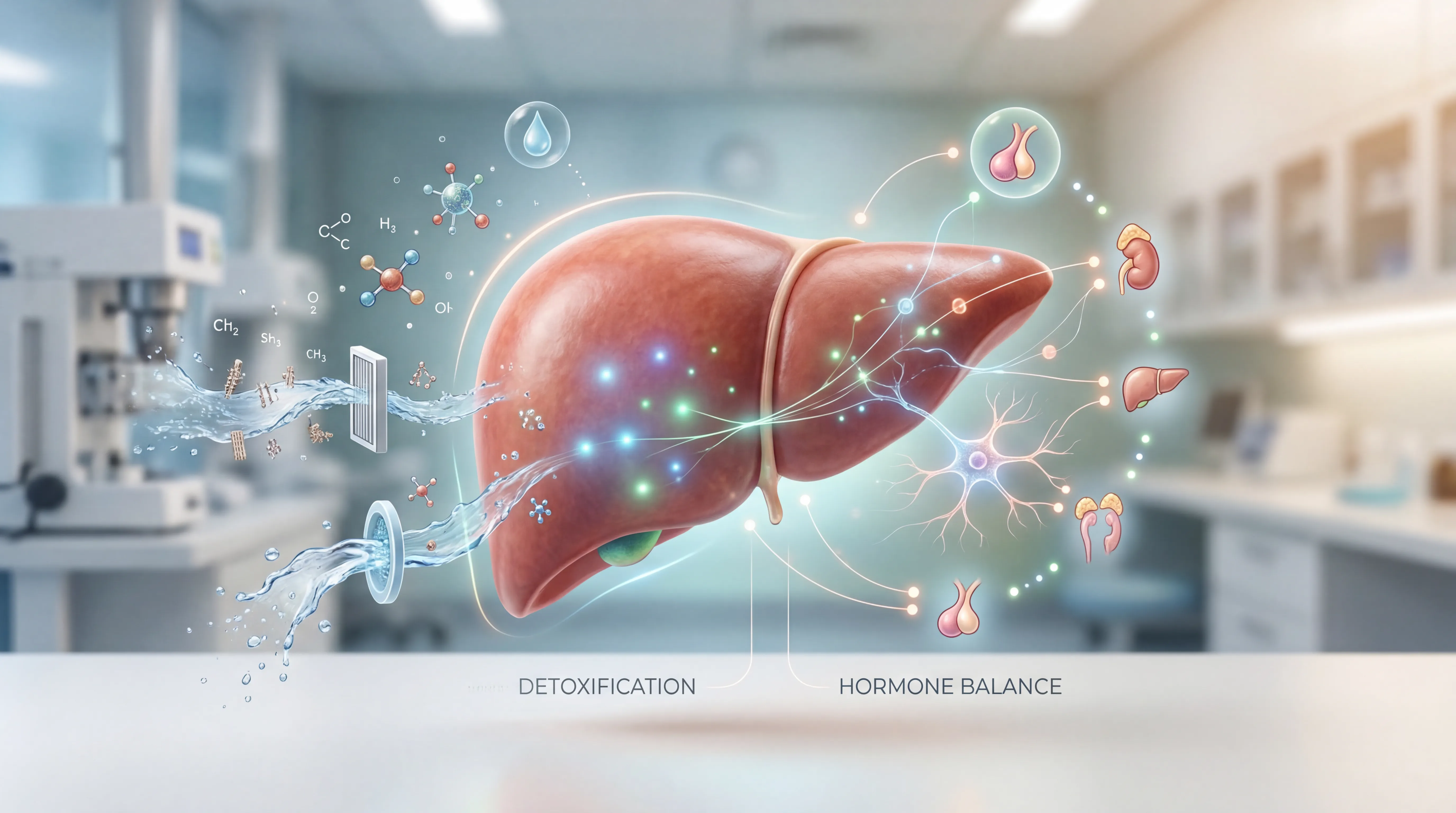
In my journey to better health, I quickly realized that understanding liver function is essential. The liver is an incredible organ responsible for over 500 functions in the body, making it one of the most vital organs we have. Far beyond just storing toxins, the liver actively works to detoxify harmful substances and regulate hormones that keep our bodies balanced.
The Liver’s Detoxification Functions
One of the liver’s primary jobs is detoxification. It processes everything we consume—food, drinks, medications—and breaks down harmful chemicals so they can be safely eliminated from our bodies. A key example I learned about was how the liver converts ammonia, a toxic byproduct of protein metabolism, into urea. This urea then exits through urine. When this process falters due to poor liver health, ammonia builds up and can cause serious problems.
“Visiting nursing homes, I noticed a distinct ammonia smell—a stark reminder of what happens when the liver isn’t functioning properly.”
This experience made me appreciate how crucial it is for the liver to perform its detox role efficiently every day.
Common Liver Issues and Their Impacts
Unfortunately, many people suffer from common liver conditions like fatty liver disease, inflammation (hepatitis), or cirrhosis without realizing it. These issues can severely impact overall health:
- Fatty Liver: Excess fat builds up in liver cells, impairing its ability to detoxify and regulate other functions.
- Liver Inflammation: Often caused by infections or toxins; prolonged inflammation damages tissue and reduces function.
- Cirrhosis: Advanced scarring that disrupts blood flow and impairs nearly all liver activities.
I found it eye-opening how these conditions not only affect digestion but also lead to symptoms like fatigue, digestive discomfort, and even hormone imbalances.
The Importance of Liver for Hormone Regulation
The liver plays a critical role in hormone regulation. It helps balance hormones such as estrogen, cortisol, and testosterone by breaking down excess amounts so they don’t build up in the bloodstream. For example:
- If the liver is damaged—like in cirrhosis—it may fail to clear estrogen effectively. This can lead to elevated estrogen levels especially noticeable in older men with symptoms like reduced body hair and lower libido.
- The liver also activates thyroid hormones and vitamin D while supporting growth hormone production—key players in metabolism and immune function.
A poorly functioning liver disrupts these processes which can cause nutrient deficiencies and weaken immune defenses over time.
This deeper understanding helped me see why nourishing my liver was not just about avoiding toxins but supporting its complex roles throughout my body’s systems. Taking care of your liver means protecting your whole well-being—from detoxification pathways to hormonal balance—and ultimately feeling healthier every day.
Foods to Embrace for a Healthier Liver
In my journey toward better liver health, I quickly learned that what we eat plays a huge role in supporting this vital organ. The liver is not just a filter for toxins—it’s a powerhouse that helps regulate hormones, synthesize important vitamins, and keep our metabolism running smoothly. To truly nourish the liver, I found it essential to focus on whole foods rich in antioxidants and anti-inflammatory properties.
Incorporating Healthy Fats Like Olive Oil and MCTs
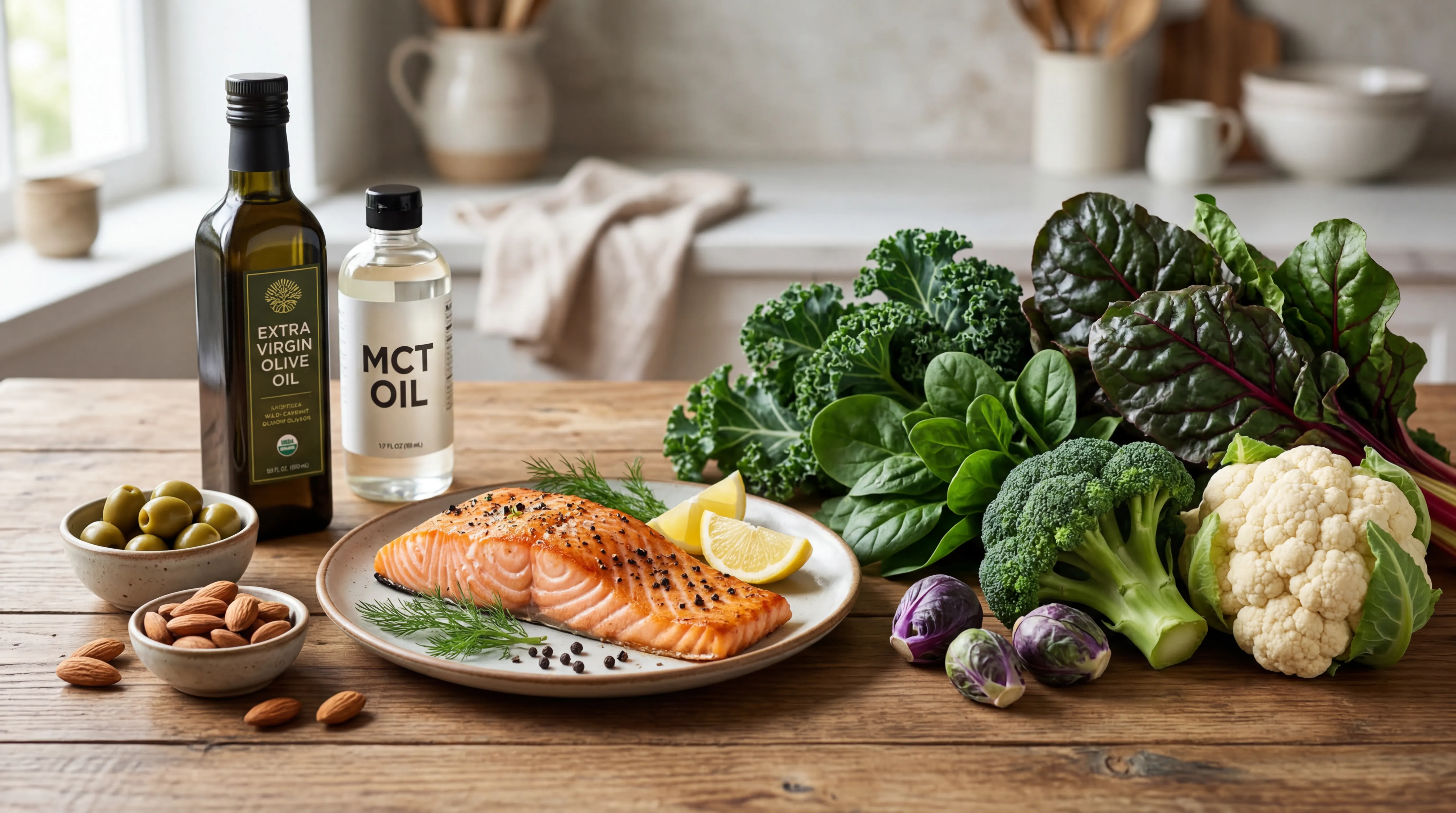
One of the first changes I made was embracing healthy fats. Instead of processed seed oils or trans fats, I started using olive oil as my primary cooking fat. Olive oil is packed with antioxidants and has anti-inflammatory benefits that ease the liver’s workload. It’s gentle on digestion and supports overall cellular health.
I also included medium-chain triglycerides (MCTs), which are fats found in coconut oil and certain supplements. Unlike long-chain fats, MCTs are absorbed quickly and used directly for energy without stressing the liver. This switch helped me feel more energetic while giving my liver a break from processing heavy or complex fats.
The Benefits of Wild-Caught Omega-3 Rich Fish
Another game-changer was adding wild-caught fish like salmon, mackerel, and sardines to my diet regularly. These fish are excellent sources of omega-3 fatty acids, which have powerful anti-inflammatory effects that protect the liver from damage caused by oxidative stress.
The omega-3 benefits extend beyond inflammation; they help reduce fat accumulation in the liver—a major factor in fatty liver disease—and improve insulin sensitivity. Eating these fish two to three times per week became an easy way to boost my nutrient intake while supporting healthy liver function.
Why Leafy Greens and Cruciferous Vegetables Matter
I also discovered how crucial leafy greens like spinach, kale, and Swiss chard are for detoxifying the body. These vegetables provide chlorophyll and antioxidants that help neutralize harmful substances before they can burden the liver.
Cruciferous vegetables, such as broccoli, Brussels sprouts, cauliflower, and especially radishes caught my attention because of their sulfur-rich compounds. These compounds stimulate detoxification enzymes within the liver—helping it process toxins more efficiently—and support overall immune function.
- Sulfur compounds: Enhance production of glutathione, one of the body’s most important antioxidants produced by the liver.
- Fiber content: Supports healthy digestion which reduces toxin reabsorption back into circulation.
- Nutrient density: Provides vitamins A, C, K plus minerals essential for cellular repair.
The Role of Choline from Egg Yolks
I also began including organic pasture-raised eggs in my meals—not just for protein but because egg yolks contain choline. Choline is vital for fat metabolism within the liver; it prevents fat buildup by helping transport lipids out of hepatic cells.
This simple addition helped me maintain balanced lipid levels in my blood tests over time while providing high-quality nutrients without added stress on digestion or detox pathways.
Together with probiotic-rich foods like raw sauerkraut and kefir—which support gut health—I built a diet focused on nourishing rather than taxing my liver. By prioritizing whole foods rich in antioxidants, healthy fats like olive oil and MCTs, omega-3 fatty acids from wild-caught fish, leafy greens full of chlorophyll, cruciferous vegetables loaded with sulfur compounds—and choline from eggs—I felt empowered to protect this incredible organ every day.
Hidden Dietary Offenders to Avoid
In my journey toward better liver health, I quickly realized that what we avoid eating is just as important as what we include. Many hidden dietary offenders lurk in everyday foods, quietly undermining our liver’s ability to detoxify and regulate vital functions. Among these culprits, processed foods loaded with sugars and refined ingredients stand out as major threats.
Processed Foods and Sugars to Steer Clear Of
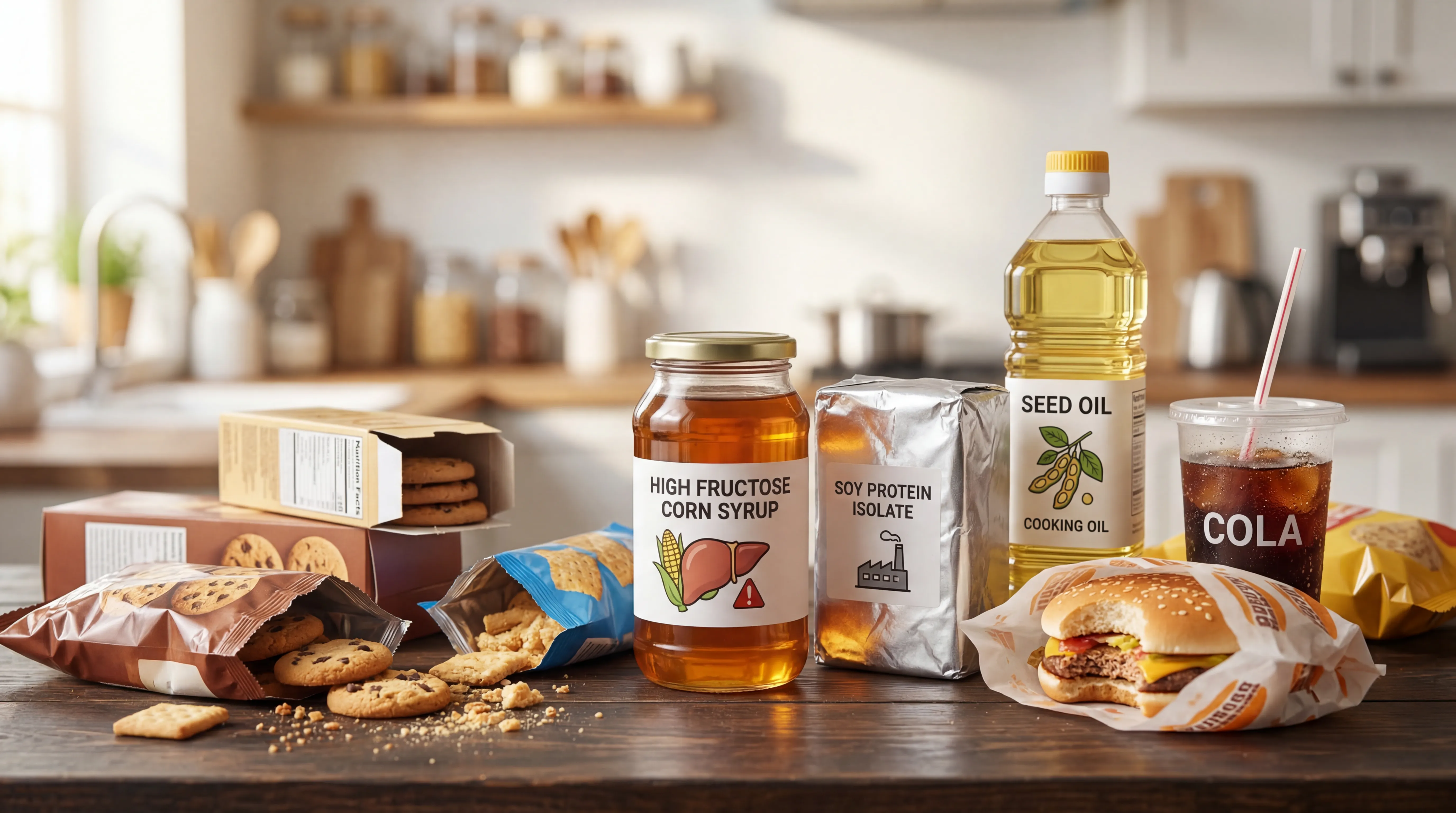
Processed foods are everywhere—convenient snacks, ready meals, sugary cereals—and they often contain additives that can harm the liver. One ingredient I learned to watch for is high fructose corn syrup (HFCS). This sweetener, derived from field corn through heavy processing, has been linked directly to insulin resistance and fatty liver disease.
The problem with HFCS is how quickly it floods the liver with fructose. Unlike glucose, which most of the body’s cells can use for energy, fructose is primarily metabolized by the liver. Excessive intake overwhelms this organ, leading to fat buildup inside liver cells—a condition known as non-alcoholic fatty liver disease (NAFLD). Over time, this can progress into inflammation or even cirrhosis.
Apart from HFCS, other fine starches such as maltodextrin and glucose syrup also offer little nutritional value while taxing the liver’s metabolic processes. These refined sugars spike blood sugar levels rapidly and contribute to systemic inflammation.
The Dangers of Soy Protein Isolates and Seed Oils
I was surprised to discover that not all protein sources are equally beneficial for the liver. Soy protein isolates, commonly found in many processed vegetarian products and protein bars, undergo extensive refining that strips away much of their natural nutrients. Studies suggest these isolates may contribute to gallbladder issues and impair normal liver function when consumed frequently in processed forms.
This insight made me rethink popular “health” foods marketed heavily on their plant-based credentials but packed with isolated proteins rather than whole food sources.
Seed oils, such as soybean oil, sunflower oil, and corn oil—ubiquitous in fast food and packaged snacks—also pose risks due to their high omega-6 fatty acid content. While omega-6 fats are essential in moderation, excessive consumption promotes inflammation throughout the body including within the liver itself. The imbalance between omega-6s and anti-inflammatory omega-3s stresses the liver’s detox pathways further.
How High Fructose Corn Syrup Affects Liver Health
Diving deeper into HFCS revealed its pervasive presence since around 1977 when it became a cheap alternative sweetener widely adopted by food manufacturers. Its impact on public health cannot be overstated:
- Liver Fat Accumulation: Fructose metabolism leads directly to triglyceride formation inside hepatocytes (liver cells), increasing fat storage.
- Insulin Resistance: Excessive fructose disrupts insulin signaling pathways contributing to metabolic syndrome—a cluster of conditions including high blood sugar levels harmful for overall health.
- Toxin Build-Up: An overburdened liver struggles with ammonia conversion among other detox tasks; HFCS exacerbates this burden leading potentially to toxic build-up symptoms like fatigue or digestive discomfort.
Avoiding products containing HFCS means reading labels carefully since it hides in sodas, candies, baked goods—even some condiments like ketchup or salad dressings.
Choosing Better Alternatives
- Select whole foods over processed snacks whenever possible;
- Opt for natural sweeteners like raw honey or pure maple syrup sparingly;
- Choose whole soy products such as edamame or tofu instead of soy protein isolates;
- Cook with healthy fats like extra virgin olive oil or coconut oil rather than seed oils;
- Aim for balanced meals rich in vegetables, quality proteins, and healthy fats supporting your liver’s workload daily.
This awareness about hidden dietary offenders transformed how I approach food choices—not just for my taste buds but fundamentally for protecting my incredible yet vulnerable liver every day.
Conclusion: Steps to a Healthier Liver
Throughout my journey learning about liver health, I’ve come to understand that nourishing this vital organ is not just about avoiding toxins but actively supporting its incredible functions. The liver plays a crucial role in detoxification, hormone regulation, and nutrient conversion—tasks that are essential for our overall well-being. What struck me most was how small dietary changes could lead to significant improvements in liver health and, by extension, our entire body’s vitality.
One of the key lessons I learned is the importance of adopting a balanced diet focused on whole foods. Choosing fresh vegetables like dark leafy greens and cruciferous vegetables such as radishes provides sulfur-rich compounds that help activate detox enzymes in the liver. Incorporating high-quality fats like olive oil and medium-chain triglycerides (MCTs) reduces stress on the liver while supplying essential nutrients. Including wild-caught fish and organic pasture-raised eggs ensures a steady intake of omega-3 fatty acids and antioxidants that protect liver cells from damage.
Equally important is recognizing which foods to avoid. Processed ingredients like high fructose corn syrup, seed oils, maltodextrin, and glucose syrup can contribute to insulin resistance and fatty liver disease. Even some seemingly healthy options, such as soy protein isolates when processed, may negatively affect liver function. By steering clear of these harmful substances and focusing on whole food choices instead, we give our livers the best chance to heal and thrive.
Listening closely to your body’s signals is another crucial step toward improving liver health. I recall times when poor eating habits led me to feel sluggish or experience digestive discomfort—clear signs my liver was struggling. Making conscious adjustments based on how I felt helped me shift toward more nourishing foods gradually rather than attempting drastic changes all at once. This approach made it easier to maintain healthier habits over time.
The power of making small changes cannot be overstated. Simple swaps—like replacing processed snacks with probiotic-rich raw sauerkraut or kefir—can enhance gut health and support the liver’s detox pathways. Adding supplements such as tocotrienol (a form of vitamin E) or TUDCA may offer additional protection for those dealing with existing liver concerns.
Ultimately, embracing these steps leads not only to better liver health improvement but also promotes long-term wellness throughout the body. The transformation isn’t overnight; it requires patience and consistency—but every positive choice builds upon itself.
I encourage you to reflect on your own dietary patterns and consider how incorporating more whole foods while reducing processed ingredients can make a profound difference in your life. By nurturing your liver through thoughtful dietary changes, you empower yourself toward greater energy, clearer thinking, balanced hormones, and overall vitality.
This journey has taught me that caring for our livers is an investment in our future health—a mission worth pursuing one meal at a time.
TL;DR: Prioritize whole foods, healthy fats, and nutrient-rich greens for optimal liver health while avoiding processed ingredients and sugars.
Comments
Post a Comment