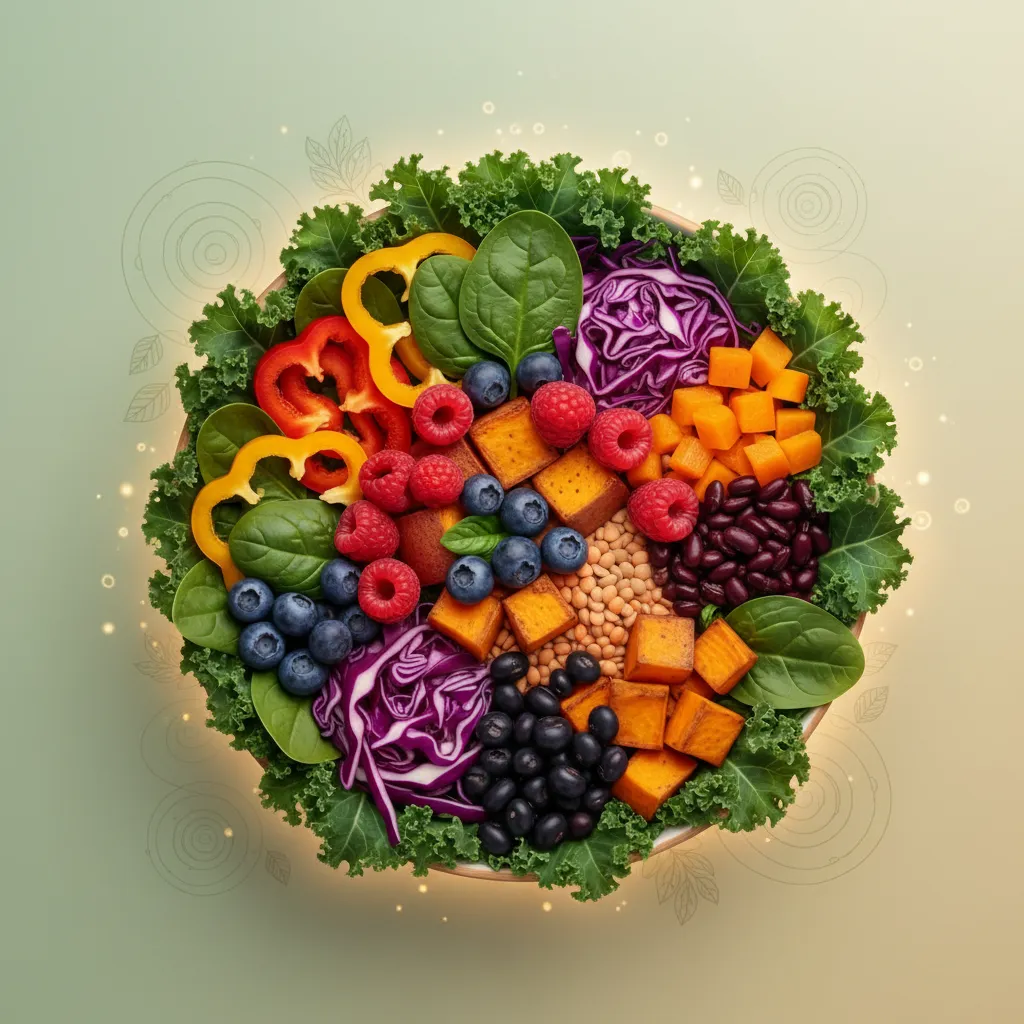
Imagine replacing expensive medications with a simple, accessible diet that offers better remission outcomes for inflammatory bowel disease. It sounds almost too good to be true, but recent findings reveal that plant-based diets can outshine costly drugs in treating ulcerative colitis and Crohn's disease. Let’s journey through this transformative dietary approach and uncover what makes it so powerful.
The Remarkable Power of Plant-Based Diets in IBD
If you or someone you care about is living with inflammatory bowel disease (IBD), you know how challenging it can be to find effective, lasting relief. The two main forms of IBD—Crohn’s disease and ulcerative colitis—often require powerful medications that come with high costs and serious side effects. But what if a simple change in your diet could offer better results than the most advanced drugs? According to Dr. Michael Greger of Nutritionfacts.org, the answer may be a resounding yes.
Plant-Based Diets: Outperforming Expensive Medications
In a recent interview, Dr. Greger highlighted groundbreaking research showing that a plant-based diet can achieve remission rates in IBD that far exceed those of conventional treatments. He explains:
"The list of diseases that we're able to impact and not just impact positively, but in many cases like with Crohn's disease, for example, or now ulcerative colitis. Now we actually have randomized control data on ulcerative colitis, not just helpful, but the most effective medical intervention period, not the most effective natural intervention. No, it works better than any drugs. We're talking 100% remission rate by one year. 90% remission rate by two years. No drug can do that. And, oh, what did we do? We used a plant-based diet."
This is a remarkable claim, especially when you compare it to the results of the most commonly prescribed IBD medications. Biologic therapies like Remicade and Humira can cost between $35,000 and $75,000 per year and still do not achieve the same remission rates as a plant-based approach. Even more, these drugs often come with a long list of potential side effects, including increased risk of infections and cancer.
Remission Rates: Plant-Based Diet vs. Conventional Drugs
Let’s look at the numbers. Clinical studies have found that a plant-based diet can achieve:
100% remission at one year for Crohn’s disease
90% remission at two years for Crohn’s disease
98% remission efficacy for ulcerative colitis
Compare these results to standard treatments:
Budesonide (a corticosteroid): Lower remission rates, with frequent relapses
Half-elemental diets (special tube feedings): Less effective and difficult to maintain
Biologic drugs (Remicade, Humira): High cost, significant side effects, and lower remission rates
Dr. Greger emphasizes that no drug can match the remission rates seen with a plant-based diet for IBD.
Why Are Plant-Based Diets So Effective for IBD?
The secret lies in how a plant-based diet addresses the root cause of inflammation, rather than just suppressing symptoms. Most conventional treatments for IBD work by dampening the immune system, which can leave you vulnerable to infections and other complications. In contrast, a diet rich in whole, plant-based foods works with your body to reduce inflammation naturally.
Fiber-rich foods feed beneficial gut bacteria, which produce anti-inflammatory compounds.
Antioxidants and phytonutrients in fruits, vegetables, and legumes help protect and heal the gut lining.
Low saturated fat and animal protein intake reduces triggers for gut inflammation.
Switching to a plant-based diet not only helps manage active IBD symptoms but also supports long-term gut health and reduces the risk of relapse. Dr. Greger notes:
"Switching to a plant-based diet has been shown to achieve far better outcomes than those reported on conventional treatments in both active and quiescent stages in both Crohn's and ulcerative colitis."
Plant-Based Diet: A Game-Changer for IBD Dietary Management
If you are seeking a way to manage IBD that is both effective and safe, the evidence for a plant-based diet is compelling. Not only does it offer ulcerative colitis remission and Crohn's disease dietary control at rates unmatched by drugs, but it also comes without the financial and physical burdens of expensive medications. By focusing on whole, plant-based foods, you can address the underlying causes of inflammation and take control of your IBD dietary management.
Decoding the Diet: Which Foods Build Gut Health?
When it comes to managing Inflammatory Bowel Disease (IBD), what you eat can make a world of difference. Recent research on plant-based diet associated interventions has shed light on how specific foods can support gut health, reduce inflammation, and even help achieve remission in Crohn’s disease. Let’s break down the key components of a gut-friendly, whole-food diet and explore how these choices can transform IBD care.
Core Foods: Building Blocks of a Gut-Healthy Diet
The foundation of an effective IBD nutritional intervention is a diet rich in whole, unprocessed foods. In a pivotal study, patients hospitalized for induction therapy were offered a carefully selected menu, focusing on foods with proven anti-inflammatory properties and benefits for the fiber gut microbiome. Here’s what their plates looked like:
Vegetables: Leafy greens, root vegetables, and cruciferous varieties provide essential vitamins, minerals, and fiber. These support a diverse gut microbiome and help reduce inflammation.
Fruits: Berries, apples, bananas, and citrus fruits act as protective factors against IBD, supplying antioxidants and soluble fiber.
Pulses: Beans, peas, and soybeans are rich in plant protein and prebiotic fibers, which nourish beneficial gut bacteria.
Rice and Potatoes: These starchy staples offer energy and are gentle on the digestive tract, making them suitable for sensitive guts.
Seaweed: A unique source of minerals and polysaccharides, seaweed can help maintain gut lining integrity.
Miso Soup: Fermented soy in miso soup introduces probiotics and supports microbial diversity, key for gut health.
Green Tea: Packed with polyphenols, green tea has anti-inflammatory effects and may help regulate immune responses.
Eggs and Plain Yogurt: Including these lacto-ovo elements provides high-quality protein and probiotics, adding nutritional variety and balance.
This whole-food diet outcome is not just about what you add, but also what you limit. The study’s approach to reducing inflammation focused on minimizing foods known to trigger or worsen IBD symptoms.
Foods to Limit: Reducing Inflammation and Risk
To maximize the benefits of a plant-based diet associated with gut health, it’s crucial to cut back on certain foods. The study identified several risk factors and greatly restricted the following:
All Meat: Red and processed meats are linked to increased inflammation and negative changes in the gut microbiome.
Cheese, Butter, and Margarine: High in saturated fats, these can promote inflammation and disrupt gut bacteria.
Sweets and Soft Drinks: Refined sugars and additives may feed harmful bacteria and worsen gut symptoms.
Alcohol: Known to irritate the gut lining and trigger flare-ups.
Bread: Especially processed white bread, which lacks fiber and can spike blood sugar.
Fish: Allowed only once a week, recognizing its nutritional value but limiting animal protein intake.
This semi-vegetarian approach, with fish permitted just once a week and meat only once every two weeks, marked a significant shift from typical Western diets. The focus was on plant-based, minimally processed foods with proven anti-inflammatory properties foods.
Remarkable Results: Remission Rates and Scientific Insights
The outcomes of this IBD nutritional intervention were nothing short of remarkable. Patients with Crohn’s disease who followed this semi-vegetarian, plant-based diet achieved a 100% remission rate at one year and maintained a 90% remission rate at two years. These results far exceed those seen with standard diets or medication alone.
“Fruits and vegetables act as protective factors against IBD. Anti-inflammatory biomarkers mediate the benefits of plant-based diets. Dietary components like beans and miso soup support gut health.”
By focusing on foods that nurture the fiber gut microbiome and limiting those that fuel inflammation, you can take an active role in managing IBD. The evidence is clear: a whole-food diet outcome rich in plant-based ingredients, with careful inclusion of eggs and yogurt, offers a powerful tool for transforming IBD care and supporting long-term gut health.
Why This Matters: Beyond Medication to Lifestyle Change
If you are living with inflammatory bowel disease (IBD), you know that managing symptoms and maintaining remission can feel like a full-time job. For years, the standard approach has centered on medications—often powerful immunosuppressants or biologic therapies. While these drugs can be effective, they come with significant downsides: severe side effects, risk of infections, and a staggering financial burden, with annual costs for biologic therapy reaching up to $75,000. But what if there was a way to manage IBD that not only improved your health outcomes but also reduced your reliance on costly and risky medications?
This is where IBD dietary management, specifically a whole-food plant-based diet, comes into focus. Recent research shows that adopting a plant-based diet can do more than just help you feel better day-to-day; it can actually transform your long-term health and change the way IBD is managed. Studies have found that people who follow a whole-food plant-based diet reduce their risk of IBD-related surgery by 50%. This is a remarkable statistic, especially when compared to the modest improvements often seen with medication alone. Even more, a healthy plant-based diet supports disease remission maintenance, helping you stay symptom-free for longer without the constant worry of flare-ups.
The benefits of a plant-based diet go beyond just symptom control. Unlike medications that often treat only the symptoms, dietary changes address the root causes of inflammation in IBD. By focusing on whole, unprocessed plant foods—fruits, vegetables, legumes, whole grains, nuts, and seeds—you are giving your gut the nutrients and fiber it needs to heal and thrive. This approach not only reduces inflammation but also supports a healthier gut microbiome, which is increasingly recognized as a key factor in IBD management.
It is important to note, however, that not all plant-based diets are created equal. Research has shown that unhealthy plant-based diets—those high in processed foods, refined grains, and added sugars—can actually increase your risk of Crohn’s disease by 15%. The real power lies in a diet rich in whole, minimally processed plant foods. This distinction is crucial for anyone considering dietary changes as part of their IBD management plan.
One of the most compelling reasons to consider a plant-based diet for IBD is its accessibility and affordability. Unlike expensive medications, whole plant foods are widely available and often cost less than animal-based or highly processed foods. This makes dietary intervention a realistic and sustainable option for many people, regardless of income or access to specialized healthcare. By replacing costly immunosuppressants with nutrient-dense foods, you not only save money but also avoid the long-term risks associated with chronic medication use.
The shift from drug-based to diet-based IBD management is more than just a trend—it represents a fundamental change in how we think about chronic disease care. Diet therapy offers a natural, sustainable means to control inflammation, maintain quality of life, and support long-term health. It empowers you to take an active role in your own care, rather than relying solely on prescriptions and procedures. Real-world application of these findings could revolutionize IBD treatment guidelines, making dietary intervention a first-line therapy rather than an afterthought.
In conclusion, the evidence is clear: a whole-food plant-based diet is a powerful tool for IBD dietary management. It not only improves disease remission maintenance and reduces the risk of surgery but also minimizes your exposure to the side effects and financial strain of long-term medication use. By addressing the underlying causes of inflammation and supporting overall gut health, a plant-based diet offers hope for a better, healthier future for anyone living with inflammatory bowel disease. Now is the time to look beyond medication and embrace the transformative potential of lifestyle change.
TL;DR: Plant-based diets show remarkable success in managing inflammatory bowel disease, achieving up to 100% remission in Crohn's disease and outperforming expensive medications for ulcerative colitis.
Comments
Post a Comment