Stress is a part of modern life. From work deadlines to family problems, everyone feels pressure sometimes. But stress does not have to control you. With the right tools and habits, you can manage stress and protect your health. Understanding stress and learning how to handle it can improve your mood, your energy, and your relationships.
Let’s explore what stress really is, why it matters, and how you can take control.
What Is Stress?
Stress is your body’s reaction to any demand or challenge. It can come from good events, like a job promotion, or bad ones, like losing a loved one. Your body releases hormones like cortisol and adrenaline to help you deal with the situation. This is called the "fight or flight" response. In small doses, stress can help you focus and perform better. But if it lasts too long, it can harm your body and mind.
Types Of Stress
Acute stress is short-term. It happens quickly and ends soon. For example, feeling nervous before a test.
Chronic stress lasts a long time. It may come from ongoing problems, like financial worries or a tough job.
Episodic stress happens often in some people. They may always feel under pressure or have many small crises.
Why Stress Management Is Important
When stress is not managed, it can lead to real health problems. Chronic stress raises your risk of heart disease, diabetes, depression, and even cancer. It also affects your immune system, making it easier to get sick. Stress can ruin sleep, cause headaches, or lead to stomach pain.
It can make you angry, sad, or tired. Over time, these problems add up.
Learning stress management can help you:
- Stay healthy and strong
- Improve your mood and energy
- Make better decisions
- Enjoy life more
Common Causes Of Stress
People feel stress for many reasons. Here are some of the most common:
- Work pressure: Deadlines, long hours, or a difficult boss
- Family issues: Conflicts, divorce, or caring for sick relatives
- Money problems: Debt, job loss, or unexpected expenses
- Health worries: Illness, pain, or injury
- Major life changes: Moving, marriage, or having a child
- Social pressure: Trying to fit in or meet expectations
Not everyone reacts the same way to stress. What is hard for one person may be easy for another. Knowing your own triggers can help you find the best ways to manage them.
Signs And Symptoms Of Stress
Stress shows up in the body and mind. Here are some warning signs:
Physical Symptoms
- Headaches or muscle pain
- Upset stomach or diarrhea
- Trouble sleeping or feeling tired
- Fast heartbeat or chest pain
- Getting sick more often
Emotional Symptoms
- Feeling angry or sad
- Anxiety or worry
- Mood swings
- Feeling overwhelmed
Behavioral Symptoms
- Eating too much or too little
- Using alcohol or drugs to relax
- Withdrawing from friends or activities
- Procrastinating or avoiding work
If you notice these signs often, it may be time to take action.
How Stress Affects Your Body And Mind
Stress is not just in your head. It changes how your body works. When you feel stress, your body releases stress hormones. These hormones increase your heart rate and blood pressure. They also tell your liver to release sugar for energy.
If stress lasts too long, these changes can hurt you. Over time, stress can cause:
- High blood pressure
- Weak immune system
- Weight gain or loss
- Sleep problems
- Trouble remembering things
Stress also affects your mind. You may have trouble focusing, feel tired, or lose interest in things you enjoy. If not managed, stress can lead to depression or anxiety.
Simple Stress Management Techniques
There are many ways to lower stress. Not every method works for everyone. Try different tools to find what helps you most.
1. Deep Breathing
Breathing deeply can calm your mind and body. Try this:
- Sit or lie down comfortably.
- Close your eyes.
- Breathe in slowly through your nose for four seconds.
- Hold your breath for four seconds.
- Breathe out slowly through your mouth for six seconds.
- Repeat for a few minutes.
This sends a signal to your brain to relax.
2. Exercise
Moving your body helps release stress. You do not need a gym. Walking, dancing, or even stretching works. Try to get at least 30 minutes of activity most days.
3. Mindfulness And Meditation
Mindfulness means paying attention to the present moment. Meditation is a way to practice this skill. Sit quietly and focus on your breath. Notice your thoughts, but do not judge them. Even five minutes a day can help.
4. Talking To Someone
Sharing your worries with a friend or therapist can ease stress. Sometimes, just talking helps you see things more clearly.
5. Sleep Hygiene
Good sleep helps your body recover from stress. Go to bed at the same time each night. Keep your room cool and dark. Avoid screens before bed.
6. Healthy Eating
What you eat affects your mood. Choose healthy foods like fruits, vegetables, and whole grains. Avoid too much sugar or caffeine.
7. Time Management
Plan your day. Make a to-do list. Break big tasks into small steps. Say no to things you cannot handle.
8. Hobbies And Fun
Doing things you enjoy can reduce stress. Read, draw, play music, or spend time outdoors.
9. Relaxation Techniques
Try yoga, tai chi, or gentle stretching. Take a warm bath or listen to calming music.
10. Limit Stimulants
Coffee, tea, and energy drinks can make stress worse. Try to cut back if you feel jumpy or restless.
Building A Stress-resilient Lifestyle
Managing stress is not just about quick fixes. It is about building habits that protect you over time.
Consistent Exercise
Regular exercise lowers stress hormones and boosts your mood. It can be as simple as walking or cycling.
Social Connections
Strong relationships help you handle stress better. Make time for friends and family. Join a club or group if you feel lonely.
Purpose And Goals
Having clear goals gives life meaning. Set small, achievable goals. Celebrate your progress.
Positive Thinking
Focus on what you can control. Practice gratitude. Write down three good things each day.
Flexibility
Learn to adapt. Not everything goes as planned. Being flexible helps you bounce back from setbacks.
Stress At Work: Practical Solutions
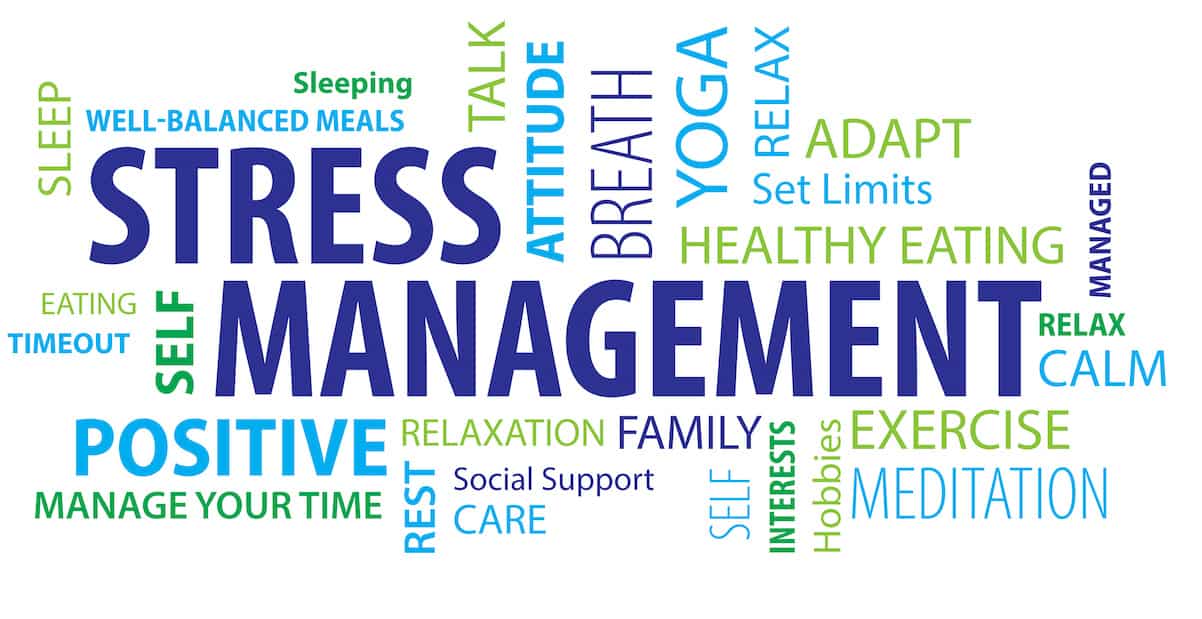
Work is a major source of stress. But you can take steps to manage it.
Setting Boundaries
Do not take on too much. Learn to say no when you need to.
Taking Breaks
Short breaks during work help you stay focused. Stand up, stretch, or walk around.
Organizing Your Space
A tidy workspace can calm your mind. Keep things in order and remove clutter.
Clear Communication
If something is unclear, ask questions. Good communication reduces mistakes and stress.
Use Of Technology
Turn off notifications when you need to focus. Set limits on email and phone use.
Support Systems
Talk to your boss or HR if you feel overwhelmed. Many workplaces offer counseling or support.
Credit: collectivecounselingsolutions.com
Stress And Health: Data And Comparisons
To understand stress better, let’s look at some data. The table below compares how stress affects different parts of the body.
| Body System | How Stress Affects It | Common Symptoms |
|---|---|---|
| Heart | Raises blood pressure, increases heart rate | Palpitations, chest pain |
| Immune System | Lowers immunity, makes you prone to illness | Frequent colds, slow healing |
| Digestive System | Speeds up or slows down digestion | Stomach pain, diarrhea, constipation |
| Nervous System | Keeps body in "alert" mode | Anxiety, sleep problems |
This data shows why managing stress is important for your whole body, not just your mind.
Stress Management Myths Vs. Facts
Many beliefs about stress are not true. Here is a quick comparison:
| Myth | Fact |
|---|---|
| Stress is always bad. | Some stress can motivate you and help you grow. |
| Only weak people get stressed. | Everyone feels stress. It does not mean you are weak. |
| You cannot control stress. | You can learn tools to manage and reduce stress. |
| Ignoring stress makes it go away. | Unmanaged stress often gets worse and harms health. |
Knowing the facts helps you take smarter action.
Advanced Stress Management Strategies
If you already use basic tools, you can try advanced strategies.
Cognitive Behavioral Therapy (cbt)
CBT is a form of talk therapy. It teaches you to change negative thinking and behaviors. Many studies show CBT is effective for reducing stress and anxiety.
Progressive Muscle Relaxation
This method helps you notice and release tension. Start with your toes and tense each muscle group for a few seconds, then relax. Move up through your body.
Journaling
Writing about your feelings helps you process them. Try writing for 10 minutes each day about what is stressing you and what you can do about it.
Digital Detox
Take breaks from screens. Too much time online can raise stress. Set aside "no phone" times each day.
Mindful Movement
Gentle movement, like yoga or tai chi, combines exercise with mindfulness. This lowers stress and improves flexibility.
Seeking Professional Help
If stress feels too big to handle, talk to a doctor or therapist. They can help you find safe and effective treatments.
The Role Of Nutrition In Stress Management
Food plays a bigger role than most people think. What you eat can help or hurt your stress levels.
Foods That Help
- Whole grains: Keep blood sugar steady
- Leafy greens: High in magnesium, which calms nerves
- Berries: Rich in antioxidants to fight stress
- Nuts and seeds: Good fats and minerals for brain health
- Fish: Omega-3 fats help reduce anxiety
Foods To Limit
- Sugar: Causes energy spikes and crashes
- Caffeine: Too much can make you anxious
- Processed foods: Low in nutrients, high in salt and fat
- Alcohol: Can make stress worse over time
Here is a quick look at how some foods impact stress:
| Food Type | Effect on Stress | Examples |
|---|---|---|
| Calming Foods | Lower cortisol, steady energy | Oats, spinach, salmon |
| Trigger Foods | Raise cortisol, cause crashes | Soda, candy, chips |
Small changes in your diet can make a big difference over time.

Credit: symondsresearch.com
Stress In Different Life Stages
Stress looks different at different ages. Children, adults, and older people all face unique pressures.
Children And Teens
Stress can come from school, friends, or family changes. Children may not have the words to say they feel stressed. Watch for changes in mood or behavior.
Working Adults
Work and family demands are common stressors. Balancing these can be hard. Setting priorities and asking for help are important skills.
Older Adults
Health problems, loss of loved ones, and loneliness can cause stress. Staying active, social, and involved in hobbies can help.
Non-obvious Insights For Stress Management
Many people focus only on quick fixes. But two things are often missed:
- Anticipating Stress: You can often see stress coming. For example, before a big project or family event. Planning ahead can lower the impact. Prepare extra time and support for these periods.
- Micro-Moments of Calm: You do not always need a long break. Short pauses—like a few deep breaths, a stretch, or a quick walk—can quickly lower stress. Use these moments throughout your day.
Credit: iimtu.edu.in
Common Mistakes In Stress Management
Even with good intentions, people make mistakes:
- Ignoring early warning signs until stress gets very bad
- Trying to manage stress alone instead of seeking support
- Using unhealthy habits, like overeating or drinking alcohol, to cope
- Expecting stress to go away without making changes
Awareness of these mistakes can help you avoid them.
Creating Your Personal Stress Management Plan
Everyone’s life is different. Build a plan that fits you.
- List your main stress triggers.
- Choose 2–3 techniques that you enjoy and can do often.
- Set small, clear goals. For example, "Walk for 10 minutes every morning" or "Take three deep breaths before meetings."
- Review your plan every week. See what works and what does not.
- Ask for feedback from friends or family. They may see patterns you miss.
Remember, stress management is a skill. You get better with practice.
When To Seek Help
Sometimes, stress is too much to handle alone. Get help if you:
- Feel sad or anxious most days
- Cannot do daily tasks
- Use alcohol or drugs to cope
- Have thoughts of harming yourself
A professional can offer support and tools to help you recover.
For more on professional help and resources, check the National Institute of Mental Health.
Frequently Asked Questions
What Are The Best Quick Ways To Reduce Stress?
Deep breathing, a short walk, or talking to a friend can reduce stress in a few minutes. Taking a "pause" helps your body relax.
Can Stress Cause Physical Illness?
Yes. Chronic stress can weaken your immune system and raise your risk of illness, including heart disease and diabetes.
Is All Stress Bad For You?
Not all stress is bad. Some stress can help you perform better or grow. It becomes a problem when it is long-lasting or feels overwhelming.
How Can I Manage Stress At Work?
Set boundaries, take short breaks, keep your workspace tidy, and ask for support if needed. Good time management also helps.
When Should I See A Doctor About Stress?
See a doctor if stress is affecting your daily life, your health, or if you feel hopeless. Professional help can make a big difference.
Managing stress is a journey, not a one-time fix. By learning what works for you, practicing healthy habits, and asking for help when needed, you can protect your health and enjoy life more. Take the first step today—your mind and body will thank you.
Comments
Post a Comment