
Have you ever wondered why certain people seem more energetic and vibrant? More often than not, the secret lies in their eating habits—namely, fasting. While some folks might scoff at the idea of skipping meals, there's burgeoning research supporting the health benefits of various types of fasting. Join me as we unravel the intriguing layers of fasting and how it can redefine your approach to wellness.
What Are the Four Types of Fasting?
As you dive into the fascinating world of fasting, you quickly realize that it’s not a one-size-fits-all practice. Dr. Jason Fung, a leading expert in this field, breaks down fasting into four distinct types. Each type offers unique benefits and fits differently into your lifestyle. Understanding these can help you choose the right approach for your health goals and daily routine.
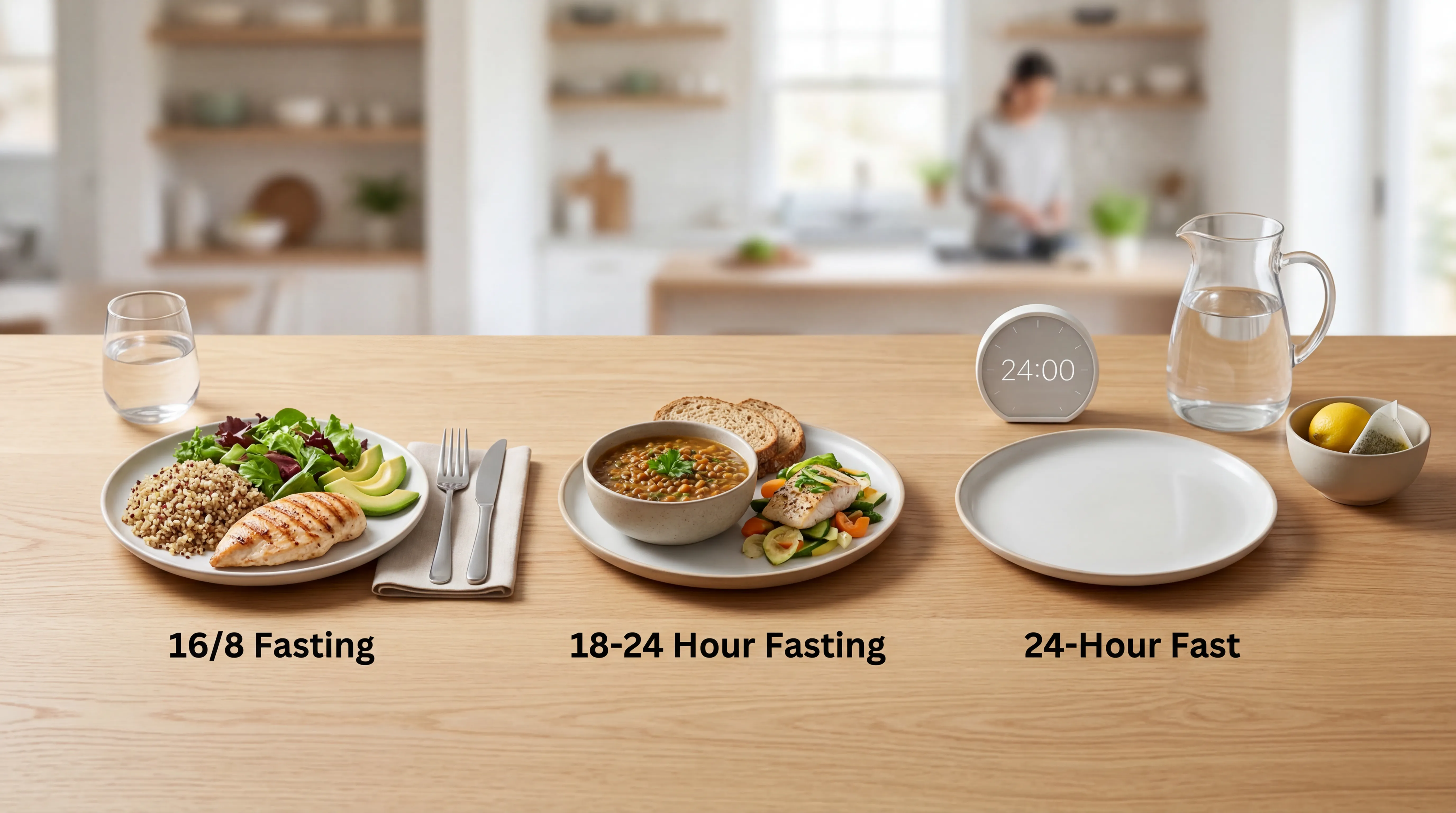
16/8 Fasting: The Everyday Approach
The first type you'll encounter is the popular 16/8 fasting method. This approach involves eating all your meals within an eight-hour window and fasting for the remaining 16 hours each day. For example, you might eat between noon and 8 p.m., then fast from 8 p.m. until noon the next day.
This method is widely practiced because it easily integrates into everyday life without much disruption. You can still enjoy social meals like lunch or dinner with friends or colleagues without feeling awkward or restricted. Over time, this pattern becomes so natural that skipping it feels unusual—almost like an exception to your routine rather than the norm.
One key benefit of 16/8 fasting is its positive effect on insulin sensitivity after about 16 hours of fasting. Your body starts shifting from using glucose as its primary fuel to creating new glucose through gluconeogenesis, which may also trigger autophagy—a vital process where your body cleans out damaged cells to promote longevity and health.
18-24 Hour Fasting: A Step Up in Challenge
If you're ready to take things a bit further, extending your fasts to between 18 and 24 hours is a natural progression. This often leads people toward what’s known as OMAD (one meal a day), where you consume all your calories in just one sitting.
This longer fasting window provides stronger metabolic benefits compared to the 16/8 method but still fits reasonably well into daily life. Many find that after completing such fasts regularly, their bodies adapt by reducing hunger sensations during fasting periods—sometimes waking up surprisingly not hungry despite having fasted overnight.
The transition here is subtle but powerful; by pushing past the typical eating schedule, you enhance fat burning and improve insulin regulation even more effectively than shorter fasts.
24-Hour Fast: Unlocking Body's Potential
When you cross beyond a full day without food—fasting for over 24 hours—you enter deeper metabolic territory with amplified benefits.
- You experience a reset effect after sleeping through most of the fasted period.
- Your body taps more efficiently into fat stores for energy instead of relying on immediate glucose sources.
- The extended fast encourages greater autophagy activity, supporting cellular repair processes crucial for long-term health.
This type of prolonged fasting requires more adjustment but can unlock remarkable changes in energy utilization and overall wellness if done safely under guidance or personal experience buildup.
Wild Fasting: The Unconventional Approach
The fourth type Dr. Fung introduces is quite different—it’s called the Fasting Mimicking Diet (FMD). Unlike traditional water-only fasts, this approach allows consuming about 500 to 800 calories per day from nutrient-dense foods designed to mimic many effects of complete fasting while still providing some nourishment.
This unconventional style appeals especially to those who want some flexibility yet aim for benefits like weight loss, reduced biological age markers, lowered inflammation levels, and potential relief from autoimmune conditions such as Hashimoto’s thyroiditis.
The FMD offers hope for people who find strict water-only fasts too challenging but still want meaningful results related to longevity and immune system support without fully abstaining from food intake during their chosen period.
A Quick Comparison Table:
| Type of Fasting | Description | Main Benefits | Easiness in Daily Life |
|---|---|---|---|
| 16/8 Fasting | Eating within an 8-hour window; fasting for 16 hours daily | Sustainable routine; improves insulin sensitivity; triggers autophagy after ~16 hrs | Very easy; fits social meals well |
| 18-24 Hour Fasting (OMAD) | Eating one meal per day; fasting up to full day length | Stronger fat burning; reduces hunger adaptation; | Easier with practice; moderate challenge |
| >24-Hour Fast | No food intake beyond full-day mark | Taps fat stores deeply; enhances cellular repair; | Tougher adjustment needed |
| Fasting Mimicking Diet (FMD) | Nutrient-dense low-calorie intake (~500-800 cal/day) mimics water-only fast effects | Aids weight loss; lowers inflammation & biological age markers; | Lifestyle-friendly alternative |
You see how each type offers something different depending on how much time you’re willing or able to commit—and what kind of results you're aiming for? Whether it's adopting a manageable lifestyle habit like 16/8 fasting or exploring deeper metabolic shifts through longer fasts—the choice depends on your personal needs and preferences.
The Science of Fasting: How It Works
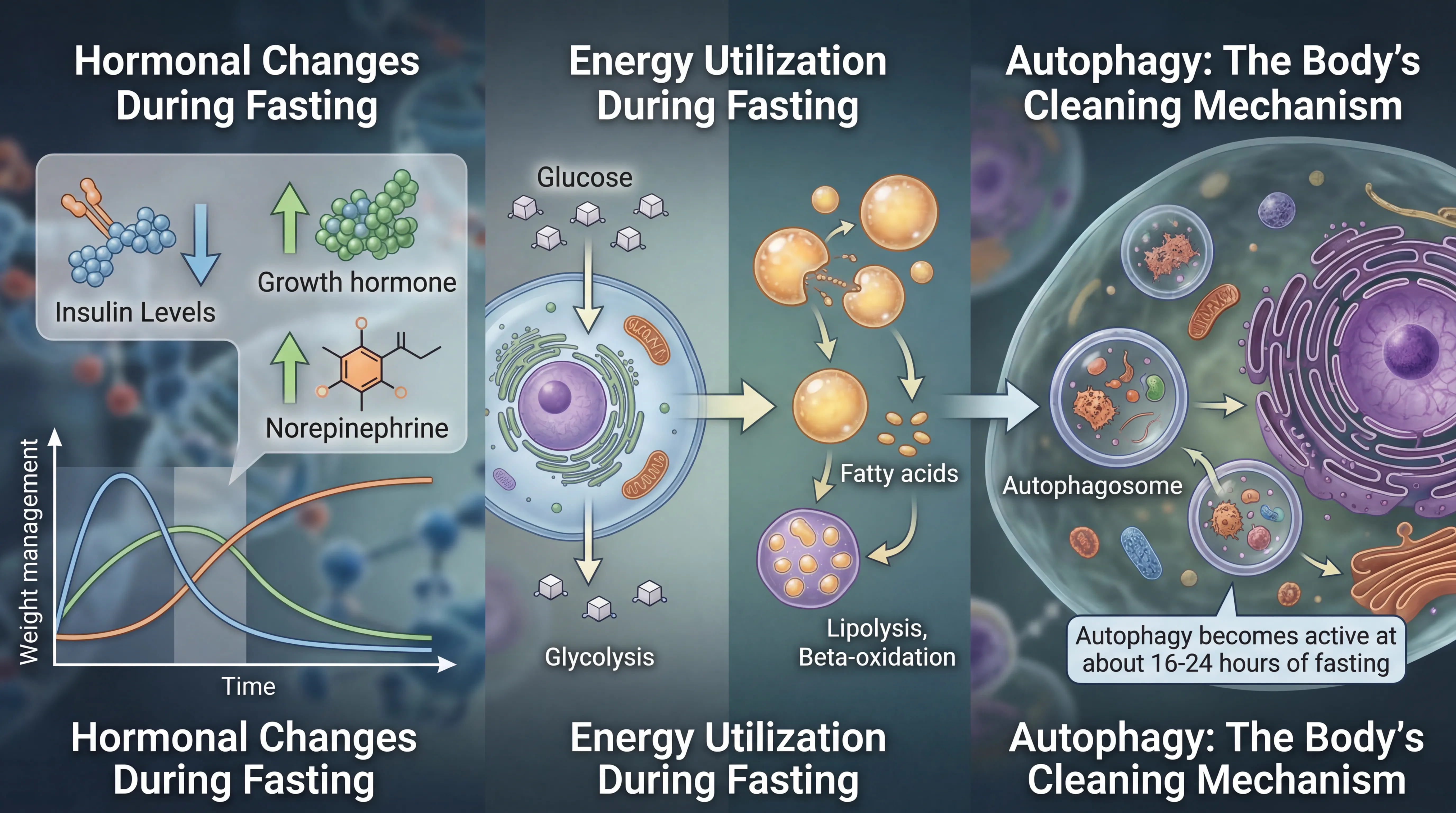
As you dive into the fascinating world of fasting, understanding the science behind it becomes essential. Fasting is more than just skipping meals; it's a complex physiological process that triggers significant changes in your body. These changes affect hormones, energy use, and even cellular health. Let’s explore how fasting works on a biological level by focusing on three key areas: hormonal changes during fasting, energy transition from glucose to fat, and autophagy—the body’s cleaning mechanism.
Hormonal Changes During Fasting
One of the most important aspects of fasting is how it influences your hormones. When you fast, your insulin levels drop significantly. Insulin is a hormone responsible for helping your cells absorb glucose (sugar) from the bloodstream for energy or storage. Lower insulin levels signal your body to start burning stored fat instead of relying on incoming food.
Dr. Jason Fung highlights that this drop in insulin not only helps with weight management but also improves metabolic health overall. Alongside insulin, other hormones like growth hormone increase during fasting periods—sometimes up to five times higher than normal—which supports muscle maintenance and fat burning.
- Insulin decreases: Encourages fat breakdown and reduces fat storage.
- Growth hormone increases: Helps preserve lean muscle mass and promotes fat metabolism.
- Norepinephrine rises: Boosts metabolism by increasing the breakdown of fat cells.
This hormonal shift creates an environment where your body efficiently uses stored energy, which explains why many people experience weight loss benefits when practicing intermittent or extended fasts.
Energy Transition from Glucose to Fat
Your body typically relies on glucose as its main fuel source because it’s quick and easy to use. However, after about 16 hours without food—like in the popular 16:8 fasting method—a major metabolic shift occurs. Your liver begins producing new glucose through a process called gluconeogenesis, using amino acids and other compounds to keep blood sugar stable.
This transition marks the beginning of increased fat oxidation—your body starts breaking down stored fats into fatty acids and ketones for energy instead of depending solely on glucose from carbohydrates.
"By extending fasts beyond 24 hours, you tap deeper into fat stores," Dr. Fung explains, "which can lead to improved metabolic flexibility."
This switch not only supports weight loss but also enhances energy utilization during fasting by providing a steady fuel supply without spikes in blood sugar or insulin levels.
The Role of Insulin Timing and Food Order
An interesting insight Dr. Fung shares involves managing insulin responses through meal timing and food order when you do eat. For example, eating protein and vegetables before carbohydrates can reduce post-meal insulin spikes, making it easier for your body to stay in a favorable hormonal state even outside fasting windows.
Autophagy: The Body's Cleaning Mechanism
A remarkable benefit that happens during longer fasts—typically after about 16-24 hours—is autophagy. This natural process acts like an internal cleanup crew at the cellular level.
- What is autophagy?
This is when your cells break down damaged proteins and recycle components that are no longer needed or functioning properly. - Why does it matter?
The activation of autophagy helps maintain healthy cells by removing waste products that could otherwise accumulate and contribute to aging or disease processes. - The benefits:
This process supports longevity, reduces inflammation, and may protect against various chronic conditions including autoimmune diseases like Hashimoto's thyroiditis.
You might find it surprising that while autophagy sounds technical, its effects are tangible—many people report feeling renewed energy or mental clarity after extended fasts once this cellular recycling kicks in.
The Impact Beyond Physical Health
The science behind these mechanisms reveals why fasting isn’t just about calorie restriction—it’s about creating an optimal internal environment where hormones regulate effectively, energy sources shift naturally from sugar to fat, and damaged cells get cleaned out regularly through autophagy.
This understanding demystifies many common questions around hunger cues too since what feels like hunger might sometimes be emotional or social rather than physical need—a concept Dr. Fung explores deeply with his discussion on different types of hunger (physical vs hedonic vs conditional).
A Practical Note on Electrolytes During Fasting
An additional practical tip comes from Dr. Fung recommending electrolyte supplements such as those offered by Element brand packets during fasts. Maintaining electrolyte balance helps prevent fatigue or dizziness while potentially curbing appetite sensations so you can sustain longer fasts comfortably without complications.
| Key Hormonal Changes During Fasting | Main Effects on Body |
|---|---|
| Dropped Insulin Levels | Lipolysis (fat breakdown) increases; reduced fat storage; |
| Elevated Growth Hormone Levels | Sustains muscle mass; boosts metabolism; |
| Norepinephrine Release | Makes stored fats available for energy; |
Your journey into understanding how fasting works scientifically reveals much more than simple meal timing—it opens doors toward harnessing powerful biological processes that promote health at every level—from hormones controlling metabolism to cellular renewal through autophagy.
Practical Tips for Successful Fasting
Embarking on your fasting journey can feel both exciting and daunting. As you explore the fascinating world of fasting, guided by Dr. Jason Fung’s insights, it becomes clear that successful fasting isn’t just about skipping meals—it’s about tuning into your body, pacing yourself, and embracing supportive habits that make the process sustainable and rewarding.
Start Slow: Ease into Fasting
If you’re new to fasting, one of the most important tips is to start slow. Jumping straight into a 24-hour fast or trying an extreme approach can be overwhelming and may even discourage you from continuing. Instead, begin with a manageable method like the popular 16:8 fast—eating within an eight-hour window and fasting for sixteen hours. This approach naturally fits into many lifestyles since it often involves skipping breakfast or delaying your first meal without disrupting social routines.
You might find that after a few days or weeks of practicing this rhythm, fasting becomes second nature—so much so that a day without it feels unusual. Gradual adjustment allows your body to adapt metabolically and psychologically, reducing hunger pangs and cravings over time. Remember, patience is key; every person’s experience is unique, so listen carefully to how your body responds as you progress.
Stay Hydrated: Importance of Electrolytes
Hydration during fasting is critical—not only does water keep you feeling energized and alert, but it also supports essential bodily functions during periods without food intake. Drinking plenty of water throughout your fast helps flush out toxins and maintain optimal organ function.
Equally important are electrolytes—minerals like sodium, potassium, magnesium, and calcium—that regulate nerve function, muscle contractions, and fluid balance in your body. During extended fasts especially (beyond 16 hours), electrolyte levels can drop because you're not consuming food sources rich in these minerals.
Dr. Fung highlights products such as Element electrolyte packets as practical tools to maintain this balance without breaking your fast with calories or sugars. Including electrolytes can help curb appetite sensations linked to mineral imbalances while preventing common side effects like headaches or fatigue often experienced during longer fasts.
Listen to Your Body: Adjusting Your Routine
No two bodies react identically to fasting schedules; what works well for one person might need tweaking for another. It’s essential to pay close attention to physical cues such as energy levels, mood changes, hunger signals—and even emotional triggers related to eating habits.
You’ll learn quickly that hunger comes in different forms: physical hunger signaling true energy needs; hedonic hunger driven by emotional pleasure; and conditional hunger influenced by social settings or routines. Recognizing these distinctions empowers you to respond thoughtfully rather than impulsively.
If at any point you feel dizzy, excessively weak, or unwell during a fast—even after ensuring hydration—it may be time to modify the duration or type of fasting you're practicing. For example, transitioning from a strict water-only fast toward a Fasting Mimicking Diet could provide necessary nutrients while still offering many health benefits highlighted by Dr. Fung.
The Power of Community Support
An often overlooked but vital aspect of successful fasting is community support. Joining groups online or locally where people share their experiences creates motivation and accountability that can enhance adherence over time.
You might find encouragement through shared stories about overcoming initial challenges or swapping practical tips on managing social occasions while maintaining fasting goals. This sense of belonging reduces feelings of isolation often associated with lifestyle changes and fosters positive reinforcement around healthy habits.
A Balanced Approach Leads to Sustainable Success
Your exploration reveals that implementing fasting successfully hinges on more than just timing meals—it requires holistic care involving gradual adaptation, proper hydration with electrolytes included, attentive listening to bodily signals, and leaning on community connections when needed.
This balanced approach not only maximizes the physical benefits—such as improved metabolic flexibility through gluconeogenesis activation after 16 hours—but also nurtures mental resilience by understanding complex hunger cues beyond simple calorie counting.
Ultimately,successful fasting tips boil down to kindness toward yourself throughout the process: respecting limits without judgment while embracing small victories along the way.
With consistency grounded in knowledge from experts like Dr. Fung combined with personal awareness and social support networks,fasting community support becomes an invaluable asset helping transform what might seem challenging initially into an empowering lifestyle choice.
Remember always: staying hydrated during fasting isn’t just about quenching thirst—it’s foundational for sustaining energy levels safely.
By starting slow,staying hydrated with electrolytes, listening closely (and compassionately), plus engaging others who share similar goals—you set yourself up for lasting success in this fascinating journey toward better health.
TL;DR: Fasting isn't just about skipping meals—it's an entire discipline with different approaches and benefits. Explore four fascinating fasting methods to improve your health and regain control over hunger cues.
Comments
Post a Comment