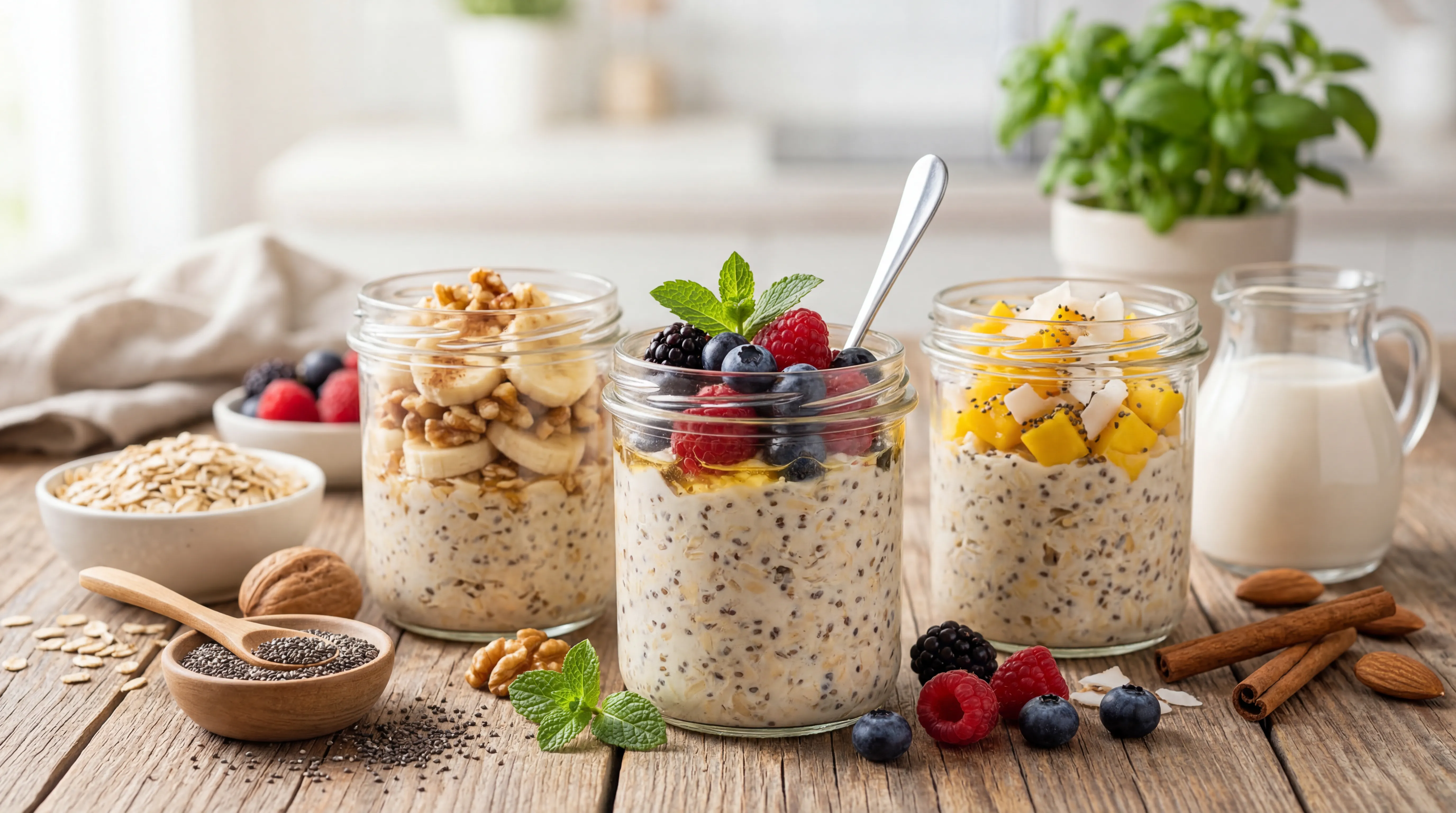
When I first realized my cholesterol levels were a little on the high side, I was overwhelmed by all the dietary advice floating around. Yet, it became clear that one thing stood out: breakfast. Enter Overnight Oats with Chia Seeds—a simple, flavorful way to kickstart my day and support my heart health.
Why Breakfast Matters for Heart Health
Starting your day with a nutritious breakfast is more than just a routine; it plays a crucial role in supporting heart health and managing triglyceride levels. Research increasingly shows that what you eat in the morning can influence your overall nutrient intake, metabolism, and even your risk factors for cardiovascular disease.
The Importance of Starting Your Day with a Nutritious Meal
Breakfast serves as the foundation for daily nutrition. When you skip this meal, studies have found that triglyceride levels tend to rise, which is concerning because high triglycerides are linked to an increased risk of heart disease. Eating a balanced breakfast helps kickstart your metabolism after hours of fasting overnight, promoting better fat utilization throughout the day.
A fiber-rich breakfast like Overnight Oats with Chia Seeds, as highlighted by dietitians Isabel Vasquez and Casey Wing in an EatingWell article, provides about 11 grams of fiber per serving—nearly 39% of the recommended daily value. This soluble fiber from oats binds fats in the digestive tract, reducing their absorption into the bloodstream and thereby helping lower blood fat levels.
How Breakfast Influences Your Overall Daily Nutrient Intake
The quality of your first meal often sets the tone for food choices throughout the day. A heart-healthy breakfast rich in whole grains, nuts, seeds, and fruits not only delivers essential nutrients but also promotes satiety—helping prevent overeating later on.
- Fiber: Soluble fiber from oats slows digestion and reduces fat absorption.
- Healthy Fats: Ingredients like chia seeds and pecans contribute omega-3 fatty acids and monounsaturated fats that support cardiovascular function.
- Lack of Added Sugars: Choosing sugar-free options or minimizing sweeteners helps avoid spikes in blood sugar and triglycerides.
This combination supports steady energy release while improving lipid profiles over time. For example, research cited in the article notes that consuming about 2½ ounces of pecans daily can significantly reduce triglyceride levels within months. Similarly, chia seeds have been shown to lower triglycerides at both high and low doses according to systematic reviews involving hundreds of patients.
Connecting Breakfast Habits to Triglyceride Levels
The timing and composition of meals affect how our bodies process fats. Skipping breakfast disrupts normal metabolic rhythms which can lead to elevated post-meal triglycerides later in the day—a known risk factor for heart disease. Conversely, eating a balanced breakfast encourages better regulation of blood lipids by improving insulin sensitivity and promoting fat utilization during physical activity.
“Regular consumption of fiber-rich breakfasts like Overnight Oats with Chia Seeds can be an effective strategy for managing high triglycerides,” says Isabel Vasquez, RD.
The broader lifestyle context matters too: combining nutritious breakfasts with regular aerobic exercise—as supported by recent studies—enhances triglyceride breakdown and overall cardiovascular health. Avoiding excessive alcohol intake is also important since more than one or two drinks per day can raise triglyceride levels significantly.
The Science Behind Breakfast’s Heart Health Benefits
| Factor | Description | Impact on Heart Health |
|---|---|---|
| Soluble Fiber (Oats) | Binds dietary fats during digestion | Lowers blood fat absorption; reduces LDL cholesterol & triglycerides |
| Nuts & Seeds (Chia & Pecans) | Provide healthy unsaturated fats & antioxidants | Lowers inflammation; improves lipid profiles; supports satiety |
| Sugar Reduction | Avoid added sugars such as maple syrup when possible | Makes blood sugar control easier; prevents spikes in triglycerides |
| Meal Timing (Breakfast Consumption) | Keeps metabolism active early in the day; Avoids prolonged fasting periods without food intake; . | Improves insulin sensitivity; Reduces evening hyperlipidemia;< / br > Supports weight management.< / td >
< / tr >
< / table > Taken together, these elements illustrate why prioritizing breakfast importance is key not only for immediate energy needs but also as part of long-term strategies to maintain healthy triglyceride levels and protect against heart disease risks. I’ve found that incorporating simple recipes like Overnight Oats with Chia Seeds makes it easy to enjoy these benefits without sacrificing flavor or convenience — especially when batch-prepped ahead using Mason jars. This approach aligns well with guidelines from trusted organizations such as the American Heart Association and Academy of Nutrition and Dietetics emphasizing whole foods rich in fiber, healthy fats, lean proteins, fruits, vegetables, and minimal added sugars for optimal cardiovascular wellness. 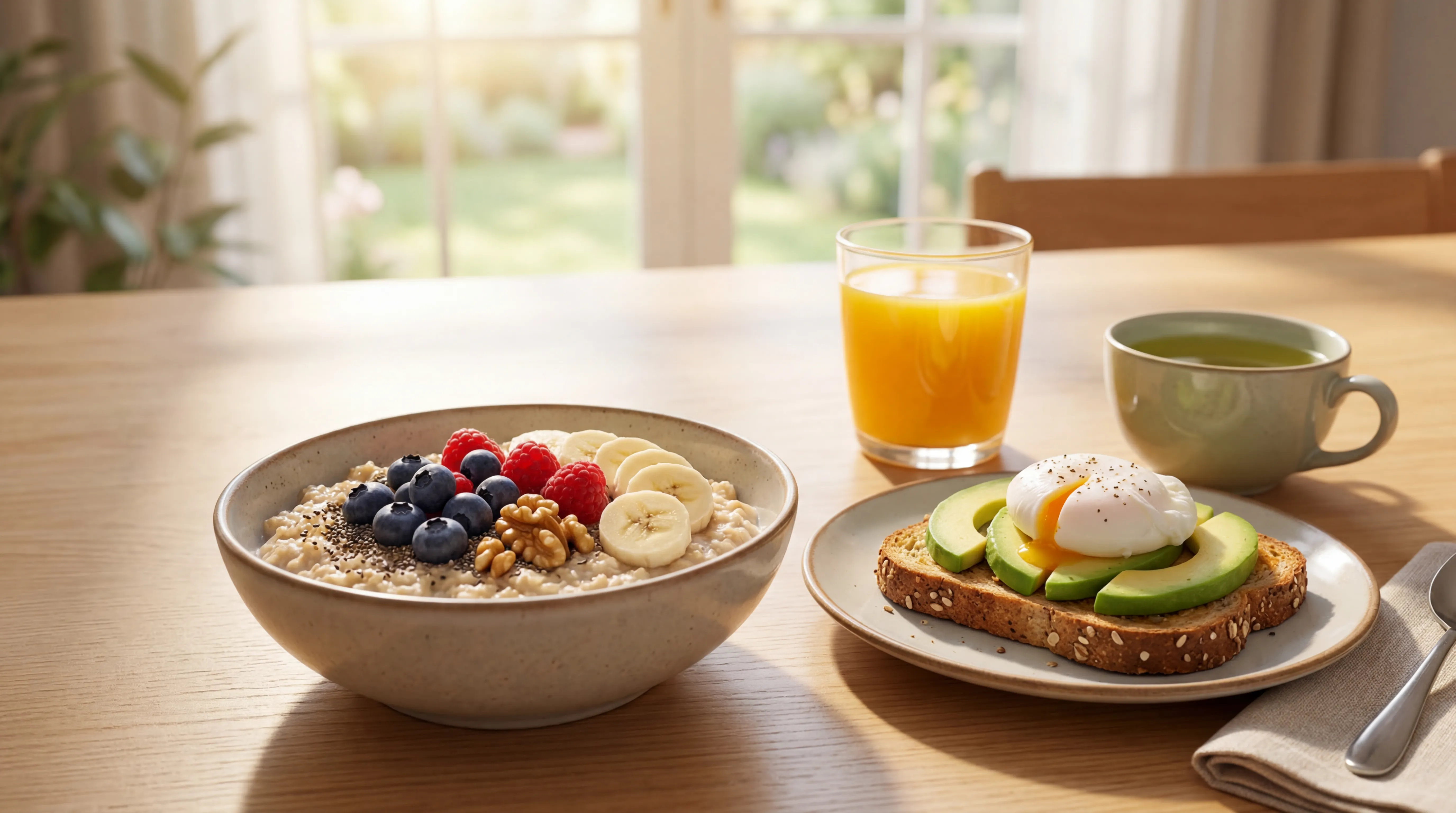 Crafting the Perfect Overnight Oats RecipeOvernight oats have become a popular choice for a quick, nutritious, and heart-healthy breakfast. Drawing from insights in an EatingWell article by Isabel Vasquez, RD, LDN, I want to share how to craft an overnight oats recipe that is not only delicious but also packed with fiber and healthy fats to support cardiovascular health and help lower triglycerides. Step-by-Step Guide to Making Overnight OatsThe beauty of overnight oats lies in their simplicity and convenience. Here’s a straightforward method to prepare this fiber-rich breakfast:
Once all ingredients are combined in a Mason jar or airtight container, stir well to mix everything evenly. Seal the container and refrigerate it overnight—or at least six hours—to allow the oats and chia seeds to soften fully. The Power of Chia Seed Benefits in Your BreakfastThe inclusion of chia seeds is more than just texture enhancement—they offer significant health benefits backed by research. A systematic review involving over 800 patients found that consuming chia seeds led to meaningful reductions in triglyceride levels at both high and low doses. This makes them an excellent addition when aiming for heart-healthy meals. A tablespoon of chia seeds provides soluble fiber which helps bind fats during digestion, reducing fat absorption into the bloodstream—a key factor in managing triglycerides effectively. Additionally, their omega-3 fatty acids promote cardiovascular health by reducing inflammation and improving cholesterol profiles. Modifying the Recipe for Sugar-Free OptionsIf you’re watching your sugar intake or managing blood sugar levels alongside triglycerides, this recipe can easily be adapted into a sugar-free version without losing flavor or satisfaction:
This approach keeps your breakfast low in added sugars while maintaining its heart-friendly profile—rich in fiber from oats and chia plus healthy fats from pecans. Diverse Fruits & Nuts: Customizing Your Overnight Oats RecipeThe versatility of overnight oats allows you to experiment with different fruits and nuts based on seasonal availability or personal preference—all while keeping it nutrient-dense:
Mason Jar Meal Prep & Storage TipsA major advantage of overnight oats is how easy they are to batch prep—perfect if you want several days’ worth ready-to-go breakfasts stored conveniently in your fridge. Here are some tips on storage:
This simple preparation strategy saves time during busy mornings while ensuring you start your day with a nourishing meal full of soluble fiber—11 grams per serving—which accounts for nearly 39% of daily recommended intake according to dietitian guidelines referenced by EatingWell. The combination of oats’ ability to reduce fat absorption along with pecans’ contribution toward heart-healthy monounsaturated fats creates an ideal balance within this recipe aimed at lowering triglycerides naturally through diet alone. 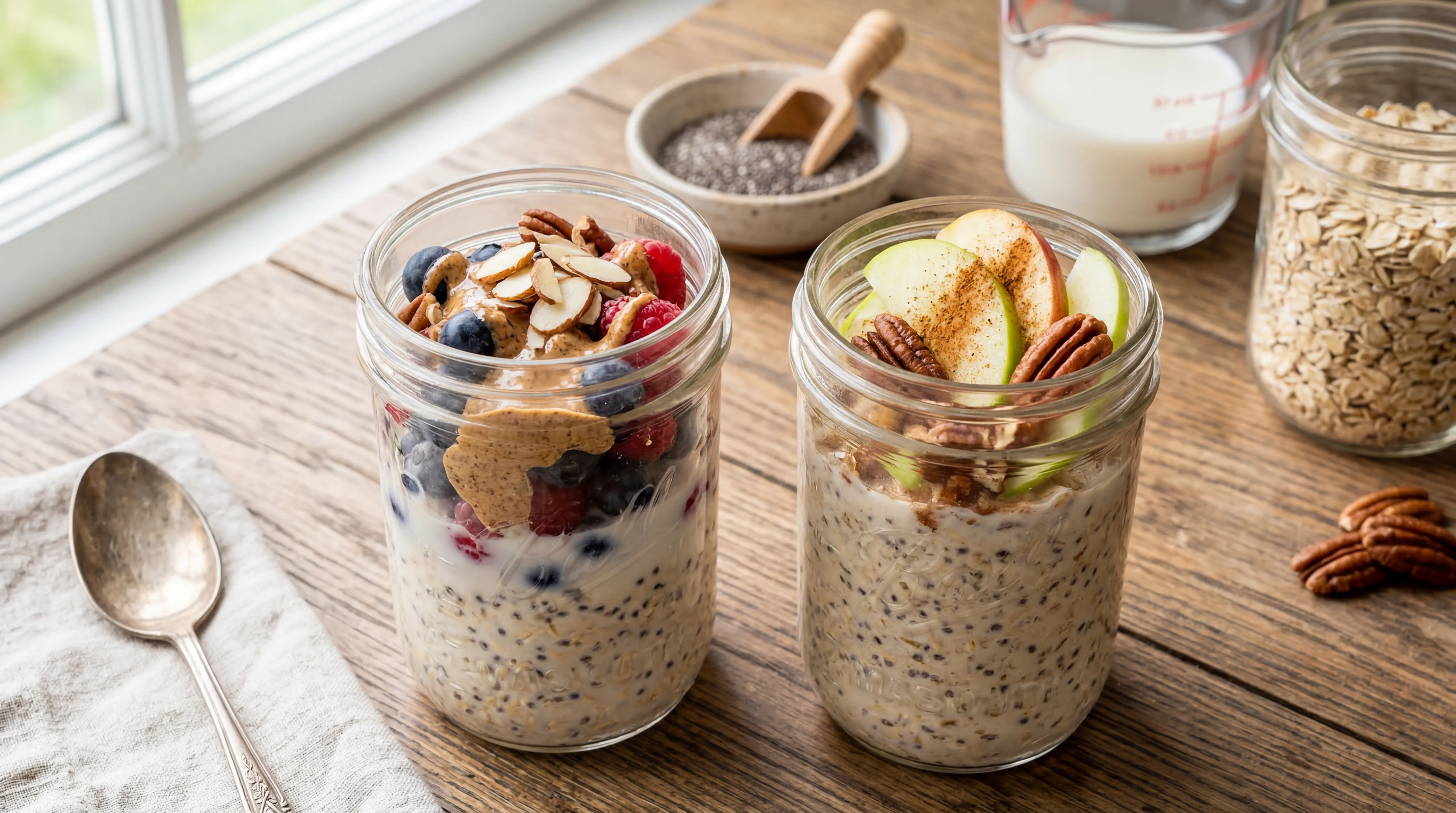 A Holistic Approach to Managing TriglyceridesManaging triglycerides effectively requires more than just a single dietary change—it calls for a comprehensive lifestyle approach that combines nutrition, physical activity, and stress management. While incorporating heart-healthy foods like Overnight Oats with Chia Seeds can significantly contribute to lowering triglyceride levels, pairing these dietary choices with regular aerobic exercise and mindful habits creates a powerful synergy for cardiovascular health. One of the key pillars in managing triglycerides is integrating aerobic exercise with dietary changes. Research consistently shows that engaging in regular physical activity helps the body utilize triglycerides more efficiently. A 2024 study highlighted the benefits of combining both cardio and resistance training, demonstrating improved lipid profiles among participants. Aerobic exercises such as brisk walking, cycling, or swimming increase your heart rate and promote fat metabolism, which directly contributes to reducing circulating triglyceride levels. When combined with a diet rich in soluble fiber—like oats—and healthy fats from sources such as chia seeds and pecans, this approach supports sustained improvements in heart health. The role of diet cannot be overstated. The fiber content in overnight oats binds fats during digestion, reducing their absorption into the bloodstream. Meanwhile, chia seeds provide omega-3 fatty acids known for their anti-inflammatory properties and ability to lower blood lipids. Pecans also add monounsaturated fats that have been shown to reduce triglycerides; notably, a 2021 study found that consuming about 2½ ounces of pecans daily can lead to significant reductions within months. By focusing on these nutrient-dense ingredients while minimizing added sugars—such as skipping maple syrup—you create a breakfast that nourishes your heart without compromising flavor or convenience. Alcohol consumption is another important factor when managing triglyceride levels. Excessive drinking—more than one or two drinks per day—can raise triglycerides substantially. Cocktails often contain added sugars that further exacerbate this effect. Moderation or avoidance of alcohol supports better lipid control and overall cardiovascular function. This aligns well with adopting a heart-healthy diet abundant in fruits, vegetables, whole grains, lean proteins, and healthy fats from nuts, seeds, fatty fish like salmon, avocadoes, and liquid vegetable oils. Beyond diet and exercise lies an often-overlooked element: stress management. Chronic stress can negatively impact your ability to maintain healthy habits by reducing motivation for exercise or leading to unhealthy behaviors such as smoking or excessive drinking. Stress may also influence eating patterns adversely by increasing cravings for high-sugar or high-fat comfort foods. Incorporating relaxation techniques like mindfulness meditation or yoga can help mitigate these effects and support consistent adherence to lifestyle changes aimed at improving lipid profiles. This holistic framework reflects guidance from trusted organizations including the National Heart, Lung, and Blood Institute as well as the American Heart Association. It’s supported by an extensive evidence base published in respected journals such as J Clin Lipidol, Clin Nutr, Nutrients, and others cited in recent research reviews. The beauty of this approach is its practicality: you don’t have to sacrifice convenience or flavor while making meaningful strides toward better heart health. Preparing batches of Overnight Oats with Chia Seeds ahead of time allows you to enjoy a fiber-forward breakfast every morning without hassle—a perfect example of how thoughtful meal planning fits into broader lifestyle changes. In summary, managing triglycerides successfully involves embracing multiple facets of wellness simultaneously: nutritious eating rich in fiber and healthy fats; consistent aerobic exercise combined with strength training; mindful moderation of alcohol intake; and effective stress management strategies. Together these elements form a sustainable path toward healthier blood lipids and reduced cardiovascular risk. I encourage you to view your efforts not just as isolated actions but part of an integrated lifestyle transformation—one where small daily choices add up over time into lasting improvements for your heart health. TL;DR: Overnight oats with chia seeds are a fiber-rich, heart-healthy choice that can aid in lowering triglycerides and promoting overall wellness. |
Comments
Post a Comment