
Have you ever wondered how the simple choice of what you eat can influence your body's hormones and overall well-being? After two years of consuming ground beef daily, I've experienced firsthand its profound impact on my health, particularly concerning leptin, the body's satiety signal. Let's dive into how this unlikely hero in our diets can help recalibrate our hormonal responses and possibly transform our eating habits.
Unpacking Leptin: The Hormone of Satiety
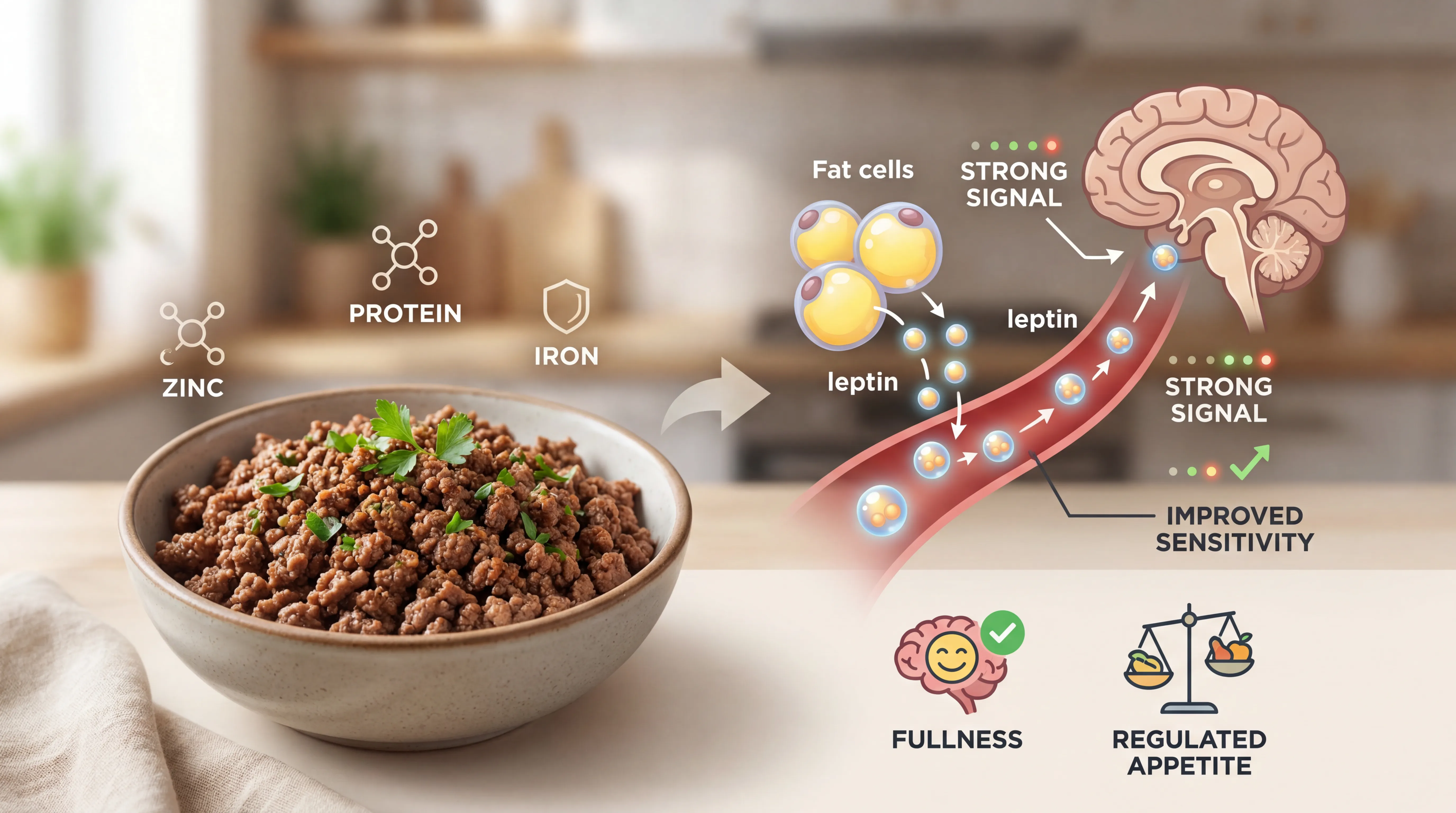
Leptin is a powerful hormone secreted by your fat cells that plays a crucial role in regulating hunger and maintaining energy balance. Often called the “hormone of satiety,” leptin sends signals to your brain about how much energy (fat) you have stored, helping to control appetite and food intake. When leptin levels are adequate and functioning properly, you feel full after eating, which prevents overeating and supports healthy weight management.
Leptin Function: Regulating Hunger and Energy Balance
Your body relies on leptin to maintain energy homeostasis—essentially balancing the calories you consume with the calories you burn. When fat stores increase, leptin levels rise, signaling your brain that you have enough energy stored. This signal reduces hunger and encourages your body to burn more calories. Conversely, when fat stores are low, leptin levels drop, stimulating appetite so you eat more and restore energy reserves.
This hormonal regulation is vital because it helps prevent both excessive weight gain and dangerous weight loss by adjusting your hunger cues based on your body's actual needs.
Understanding Leptin Resistance: What It Means for Your Health
Unfortunately, many people develop leptin resistance, a condition where the brain stops responding effectively to leptin signals despite high levels circulating in the blood. Imagine trying to get an important message through but being ignored repeatedly—this is similar to what happens with leptin resistance.
The speaker compares leptin resistance to dealing with a persistent ex-partner: just as one might block excessive calls from them, the brain blocks or ignores continuous leptin signals due to overstimulation.
This resistance disrupts hormonal regulation of hunger and energy balance. Even though your body has plenty of fat stored (and thus high leptin), your brain acts as if you're starving, increasing appetite and reducing calorie burning. This can lead to overeating, weight gain, and eventually metabolic syndrome—a cluster of conditions including insulin resistance that increase disease risk.
How Dietary Choices Impact Leptin Levels and Sensitivity
Your diet plays a significant role in how well leptin functions in your body. Research shows that higher protein intake can improve leptin sensitivity, leading to better satiety (feeling full) and more effective energy regulation.
- A study published in the American Journal of Clinical Nutrition found that diets rich in protein helped participants lose weight more effectively by lowering circulating leptin levels while improving sensitivity.
- Diets high in processed foods or excessive carbohydrates may contribute to inflammation and worsen leptin resistance over time.
- Nutrient-dense foods like ground beef provide not only quality protein but also essential vitamins, minerals, collagen, and fats that support overall metabolic health without disrupting natural hormonal signals.
The speaker highlights their personal experience consuming around a pound of ground beef daily for two years—a dietary shift they describe as revolutionary for restoring their body's response to leptin. Ground beef’s balanced nutrient profile may help reestablish proper hormonal communication between fat cells and the brain by providing easily digestible proteins combined with beneficial fats.
The Role of Gut Health in Leptin Regulation
An often overlooked factor affecting leptin function is gut health. The speaker recommends Arra colostrum—a supplement processed using biopotent cold technology—to support gut integrity without destroying bioactive compounds through heat treatment. Improved gut health can enhance nutrient absorption and reduce systemic inflammation that contributes to hormonal imbalances like leptin resistance.
Simplifying Nutritional Signals Through Whole Foods
The modern diet’s emphasis on isolated nutrients often disrupts natural bodily signaling systems involved in hunger regulation. Instead of relying on fragmented nutritional information or medications targeting single hormones (such as GLP-1 agonists like Ozempic), focusing on whole-food sources rich in protein—like ground beef—and complementary foods such as avocados can foster balanced hormone function including insulin and leptin pathways.
- Ground beef: Provides complete proteins along with collagen important for muscle synthesis; its fat content promotes satiety;
- Avocados: Rich in magnesium which helps manage stress hormones like cortisol that otherwise elevate leptin levels contributing further to resistance;
- Avoiding chronic stress: Stress management is key since elevated cortisol disrupts normal hormonal feedback loops affecting both appetite control & metabolism;
This holistic approach encourages trusting your body's instincts rather than succumbing solely to external dietary trends or medications focused narrowly on one pathway at a time.

The Role of Ground Beef in Strengthening Leptin Signals
Why Ground Beef? Exploring Its Nutritional Profile
Ground beef is often overlooked in modern diets, yet it offers a powerful combination of nutrients that can play a crucial role in supporting metabolic health. It is rich in high-quality protein, essential fats, vitamins, and minerals that work synergistically to nourish your body. Unlike isolated protein supplements or processed foods, ground beef provides a natural balance of nutrients including collagen and micronutrients such as iron, zinc, vitamin B12, and other B vitamins.
This well-rounded nutritional profile makes ground beef an excellent choice for anyone looking to improve their leptin signaling—a key hormone involved in regulating hunger and energy balance. Consuming about a pound of ground beef daily (equivalent to two 8 oz servings or four 4 oz servings) is manageable and not extreme. You can also choose leaner options like 93% or 96% lean ground beef if you prefer less fat.
The Relationship Between Protein Intake and Appetite Regulation
Protein plays a vital role in controlling appetite and promoting satiety—the feeling of fullness after eating. Research published in the American Journal of Clinical Nutrition highlights how higher protein consumption leads to improved weight loss outcomes by reducing appetite and lowering circulating leptin levels.
“Higher protein intake improves leptin sensitivity by enhancing the body’s feedback mechanisms related to hunger and energy expenditure.”
Leptin is produced by fat cells and signals your brain about energy stores; however, many people develop leptin resistance when these signals are ignored due to overstimulation from excessive fat accumulation. This resistance disrupts normal hunger cues, leading to overeating despite adequate energy reserves.
Increasing dietary protein through sources like ground beef helps counteract this problem by promoting greater satiety and reducing overall caloric intake naturally. The balanced nutrient content found in whole foods such as ground beef supports the body's hormonal communication better than isolated nutrients or processed alternatives.
How Ground Beef Aids in Improving Leptin Sensitivity
The unique combination of protein quality, fat content, and ease of digestion makes ground beef particularly effective at strengthening leptin signals:
- High-Quality Protein: Ground beef contains all essential amino acids needed for muscle synthesis and repair—key factors that influence metabolic rate and hormone function.
- Satiating Fat Content: The natural fats present help slow digestion which prolongs feelings of fullness while providing necessary fatty acids for hormone production.
- Nutrient Density: Vitamins like B12 support neurological functions tied to appetite regulation; minerals such as zinc assist immune response which indirectly affects metabolism.
A study comparing different macronutrient diets showed that those with higher protein intakes experienced better weight loss results along with enhanced leptin sensitivity compared to lower-protein groups. This suggests that incorporating ample amounts of high-protein foods like ground beef into your meals can recalibrate your body’s hormonal responses over time.
| Diet Type | Protein Intake (%) | Effect on Leptin Sensitivity | Satiation Level |
|---|---|---|---|
| High Protein (30%) | 30% | Improved sensitivity & reduced circulating leptin levels | High satiety & reduced appetite |
| Moderate Protein (15%) | 15% | No significant change or slight resistance improvement | Moderate satiety |
| Low Protein (10%) | <10% |
No improvement or worsened leptin resistance
Lower satiety & increased hunger
The Advantage Over Other Protein Sources
You might wonder how ground beef compares with other proteins like chicken breast or plant-based options regarding leptin signaling. While all complete proteins contribute positively, ground beef’s blend of fat alongside collagen provides additional benefits for muscle maintenance and digestive health—both important for maintaining proper hormonal balance.
This synergy between macronutrients found naturally within whole cuts supports more effective communication between fat cells producing leptin and the brain regions interpreting these signals.
A Holistic Approach: Combining Ground Beef With Complementary Foods for Better Results
An important aspect often overlooked is managing stress levels because chronic stress elevates cortisol which can increase leptin production but simultaneously cause resistance—creating a vicious cycle. Pairing nutrient-dense foods like avocados rich in magnesium with your ground-beef meals may help mitigate this effect by supporting adrenal health.
Your breakfast could include a mix of eggs, avocado slices, plus seasoned cooked ground beef—a simple meal designed not only to curb appetite but also promote balanced metabolic function through improved hormonal signaling pathways including insulin and leptin alike.
Beyond Leptin: Broader Health Benefits of Ground Beef
While leptin regulation is a fascinating aspect of how ground beef can impact your health, the benefits of this nutrient-dense food extend far beyond hormone balance. Ground beef offers a rich supply of essential nutrients that support various bodily functions, making it an excellent addition to balanced meals aimed at improving overall wellness.
Ground Beef as a Nutrient-Dense Food
Ground beef is more than just a source of protein; it is packed with vital vitamins and minerals that your body needs for optimal performance. It contains high-quality protein, which is crucial for muscle synthesis and repair. Additionally, ground beef provides important B vitamins such as B12, niacin, and riboflavin, all of which play significant roles in energy metabolism and brain function.
One standout nutrient found abundantly in ground beef is heme iron. This type of iron is highly bioavailable compared to plant-based sources and supports red blood cell production and oxygen transport throughout the body. Adequate iron intake helps prevent fatigue and supports metabolic processes essential for maintaining energy levels.
The collagen content in ground beef also contributes to joint health and skin elasticity. Unlike isolated supplements, consuming whole foods like ground beef ensures you receive these nutrients in their natural form alongside other complementary compounds that enhance absorption and effectiveness.
Potential Gut Health Benefits from Beef Consumption
Your gut health plays a central role in how well your body absorbs nutrients and maintains immune function. Interestingly, certain components found in quality ground beef may support gut integrity. For example, consuming nutrient-rich animal proteins can help maintain the lining of the digestive tract by providing amino acids necessary for tissue repair.
The speaker from the referenced video highlights colostrum—a substance related to dairy but processed with advanced cold technology—as beneficial for gut health due to its bioactive compounds that promote healing and reduce inflammation. While colostrum itself isn’t derived from beef, combining it with a diet rich in whole foods like ground beef creates synergy that enhances digestion and overall gut function.
Moreover, eating whole-food sources like ground beef rather than processed alternatives helps avoid additives or fillers that might disrupt your microbiome balance or cause digestive discomfort. A healthy gut environment supports better leptin signaling too since inflammation often contributes to hormonal resistance issues.
How to Incorporate Ground Beef for Balanced Meals
If you’re considering adding more ground beef into your diet for its broad health benefits, it’s important to do so thoughtfully within balanced meals. Consuming about one pound per day—equivalent to two 8-ounce servings—is manageable without being excessive. You can choose leaner options (such as 93% or 96% lean) depending on your dietary preferences or goals.
A practical approach involves pairing ground beef with other nutrient-dense foods that complement its profile while supporting metabolic balance. For instance, combining it with avocados provides healthy fats along with magnesium—a mineral known for reducing stress hormones like cortisol that negatively affect leptin sensitivity.
You might try simple meal ideas such as mixing cooked ground beef with eggs and sliced avocado for breakfast or incorporating it into salads loaded with leafy greens rich in fiber and antioxidants. These combinations not only improve satiety but also enhance nutrient absorption through diverse food interactions within your digestive system.
This holistic way of eating respects the complexity of human physiology rather than isolating single nutrients or relying solely on supplements or medications targeting one pathway (like GLP-1). Instead, focusing on whole foods such as ground beef encourages natural hormonal harmony involving leptin alongside insulin and other key regulators involved in appetite control and energy use.
The Takeaway: More Than Just Protein
Ground beef stands out as nature’s multivitamin because it delivers an array of nutrients critical for maintaining muscle mass, supporting red blood cell production via high-quality iron content, promoting skin and joint health through collagen intake, and potentially enhancing gut integrity when consumed alongside complementary foods like colostrum or magnesium-rich vegetables.
By incorporating moderate amounts into balanced meals paired thoughtfully with other nutrient-dense foods—such as avocados—you set yourself up not only for improved leptin sensitivity but also better overall metabolic health. This strategy moves beyond quick fixes offered by some pharmaceutical approaches toward sustainable lifestyle changes grounded in nutrition science backed by research published in reputable journals like the American Journal of Clinical Nutrition.
Ultimately, embracing whole-food choices like quality ground beef empowers you to trust your body's natural signals while enjoying satisfying meals designed to fuel both mind and body effectively over time.
TL;DR: Ground beef consumption can significantly influence leptin regulation, helping manage weight and improve overall health.
Comments
Post a Comment