
As someone who has danced with adrenal fatigue for years, I want to share insights that could illuminate your path to recovery. It's a journey I know all too well—one that begins with the often-overlooked but vital adrenal glands. Let’s dive into this world of hormones, stress, and recovery together!
What Are the Adrenals? Understanding Their Role
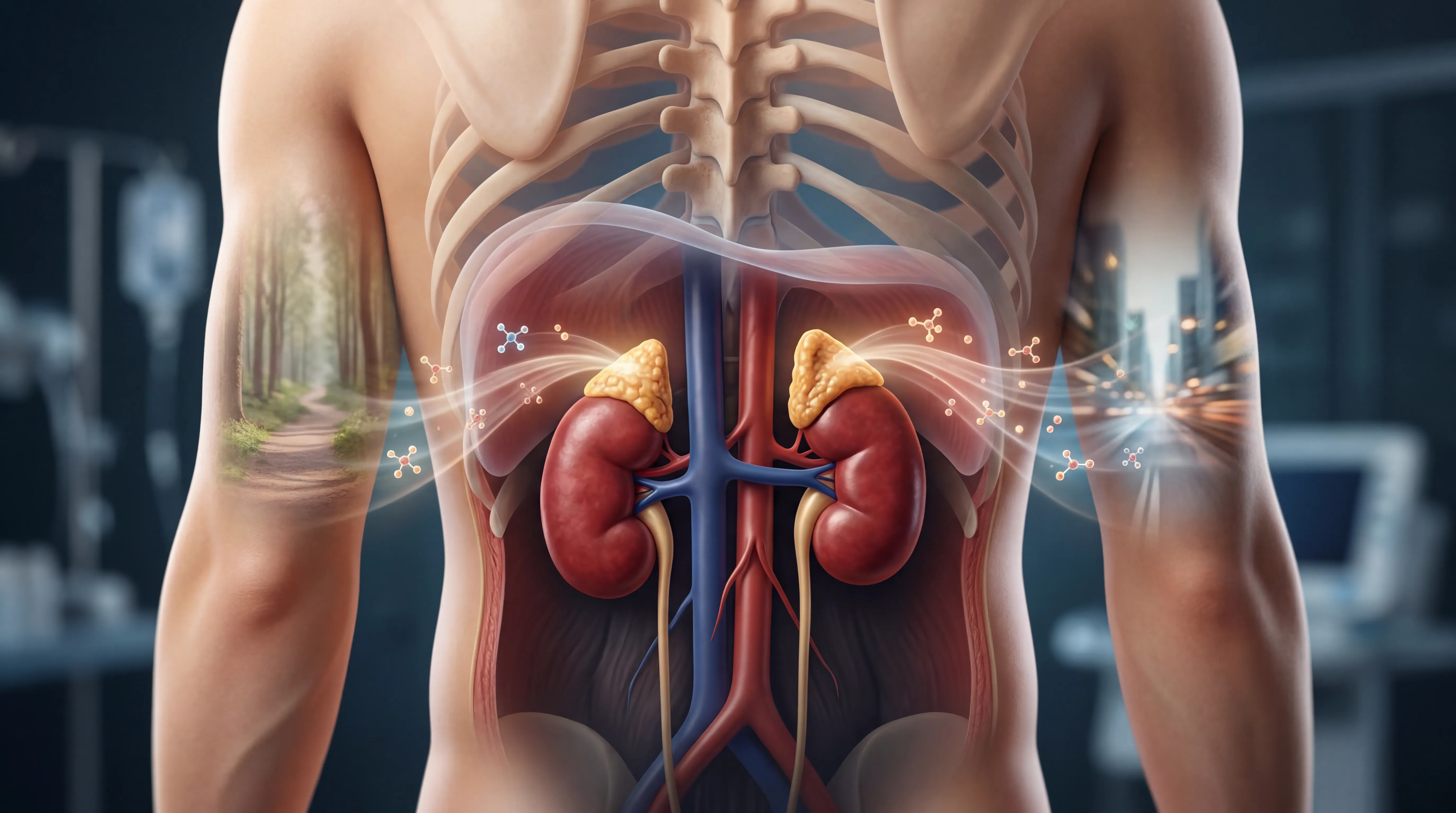
When I first started learning about adrenal health, I was surprised to discover how such small glands could have such a big impact on our bodies. The adrenal glands are tiny, triangular-shaped organs that sit right on top of each kidney. Despite their modest size, they play a crucial role in managing how our body responds to stress and keeps us functioning smoothly every day.
The Location and Structure of the Adrenal Glands
The adrenal glands are located just above the kidneys, one on each side of your body. Each gland is divided into two main parts:
- The adrenal cortex: This outer layer produces steroid hormones like cortisol.
- The adrenal medulla: The inner part releases adrenaline (also called epinephrine) and noradrenaline.
This dual structure allows the adrenals to manage both long-term stress responses and immediate reactions to danger or excitement.
Primary Hormones: Cortisol and Adrenaline
I learned that two hormones stand out when discussing adrenal function: cortisol and adrenaline. These hormones are vital for helping our bodies handle different kinds of stress.
| Hormone | Main Function | Role in Stress Response |
|---|---|---|
| Cortisol | Keeps blood sugar steady, reduces inflammation, regulates metabolism | Known as the “stress hormone,” it prepares the body for prolonged stress by providing energy and calming non-essential functions temporarily. |
| Adrenaline (Epinephrine) | Increases heart rate, boosts energy supply, sharpens focus | This is the “fight or flight” hormone that triggers immediate physical reactions during acute stress or danger. |
Cortisol helps maintain balance over time by ensuring we have enough energy when facing ongoing challenges. On the other hand, adrenaline floods our system in moments of sudden threat or excitement — think about how your heart races if you narrowly avoid an accident or hear a loud noise unexpectedly. This quick burst readies your muscles and mind to either fight off danger or run away from it — hence the name “fight or flight.”
The Role of Adrenals in Our Stress Response System
I used to wonder why sometimes I felt so drained after dealing with stressful situations. Now I understand that my adrenal glands were working overtime behind the scenes. The adrenals form a key part of what’s called the hypothalamic-pituitary-adrenal (HPA) axis — a complex network involving the brain and endocrine system that controls how we react to stress.
"The adrenal system is tailored to help us adapt to stress."
This means whenever you encounter something stressful—whether it’s physical danger, emotional pressure, or even just rushing through a busy day—your adrenals kick into gear. They release cortisol to keep your blood sugar levels stable so you don’t crash from exhaustion while also dialing up adrenaline for quick bursts of energy when needed.
This process affects almost every cell in our body because cortisol influences metabolism, immune function, blood pressure regulation, and even mood stability. When functioning well, this system helps us stay alert yet calm under pressure; however, if overwhelmed repeatedly without proper recovery time, it can lead to imbalances often discussed as "adrenal fatigue."
A Personal Insight Into Adrenal Health and Stress Management
I realized early on that understanding these tiny but powerful glands gave me new tools for managing my own stress better. Knowing how cortisol prepares my body for ongoing challenges helped me appreciate why rest days are essential—they allow my adrenals time to reset rather than stay stuck in high alert mode all day long.
Similarly, recognizing adrenaline’s role made me more mindful during moments when my heart raced unnecessarily—for example during anxiety attacks—and taught me techniques like deep breathing exercises which can calm down this immediate fight-or-flight response effectively.
Key Points About Your Adrenals:
- Location: Small glands sitting atop each kidney.
- Main Hormones: Cortisol (stress hormone) & adrenaline (fight or flight hormone).
- Main Functions:
- Cortisol manages long-term stress by regulating energy use and inflammation.
- Adrenaline triggers rapid physical responses during acute stress situations.
- Total Impact: Affects nearly every cell in your body through its role in metabolism, immune response & cardiovascular function.
- Your Stress Ally:The adrenal system equips you with tools needed for survival but requires balance between activation & rest for optimal health.
Diving deeper into what these glands do helped me shift from feeling powerless against daily stresses toward actively supporting my body's natural resilience mechanisms through lifestyle choices focused on nurturing adrenal health.
Signs of Adrenal Fatigue: Recognizing the Symptoms
When I first started experiencing adrenal fatigue, the symptoms were subtle but unmistakable once I learned what to look for. One of the most noticeable signs was my low tolerance for daily stressors. Simple things that never used to bother me suddenly felt overwhelming. For instance, babysitting a room full of small children for more than a few hours became exhausting in a way I couldn’t explain. Even sitting in traffic behind a slow driver on the freeway for just a couple of hours triggered an unusual amount of frustration and anxiety.
This heightened sensitivity to stress is one of the hallmark signs of adrenal dysfunction. It’s as if my body’s ability to handle pressure had been dialed down significantly. Situations that required patience or mental endurance—like dealing with people making poor decisions or navigating chaotic environments—became almost unbearable. If everything around me wasn’t perfectly logical and orderly, I found myself growing impatient and irritable very quickly.
Low Tolerance for Daily Stressors
Adrenal fatigue often manifests as an increased stress sensitivity. This means everyday challenges can feel like major hurdles. In my case, even minor annoyances triggered strong emotional reactions:
- I couldn’t tolerate noisy or chaotic environments for long periods.
- A slow driver on the road would cause disproportionate irritation during commutes.
- I became easily frustrated by others’ mistakes or perceived incompetence.
This low tolerance isn’t just about being “grumpy” — it reflects how deeply adrenal health affects our emotional resilience. When your adrenals are struggling, your nervous system is on edge, making it harder to stay calm under pressure.
Mood Swings and Irritability
The emotional rollercoaster was another clear sign something was off with my adrenal health. Mood swings became frequent and unpredictable:
- I would feel anxious without any obvious reason.
- I noticed bouts of irritability that seemed out of character.
- Sometimes, simple tasks felt overwhelming because my patience wore thin quickly.
This mood instability ties back to how adrenal dysfunction disrupts hormone balance, especially cortisol levels which regulate stress responses. When cortisol production is inconsistent or insufficient, it impacts not only energy but also emotional stability.
Cognitive Challenges Like Brain Fog
One symptom that surprised me was the decline in mental clarity. The term “brain fog” perfectly describes this experience — feeling mentally sluggish, forgetful, or unable to focus clearly:
- Tasks requiring concentration took longer than usual.
- I struggled with memory recall and processing information efficiently.
- Mental exhaustion set in faster after cognitive work compared to before adrenal issues began.
This cognitive decline is common among those with adrenal fatigue because chronic stress impairs brain function over time. The brain relies heavily on balanced hormones from healthy adrenals to maintain sharpness and alertness throughout the day.
Physical Signs Accompanying Emotional Symptoms
Apart from these emotional and cognitive symptoms, physical signs often accompany adrenal fatigue too:
- Cravings for salty snacks: This happens because low aldosterone levels affect salt balance in the body when adrenals aren’t functioning well.
- Persistent low energy: Feeling drained even after adequate rest is common due to disrupted cortisol rhythms impacting energy metabolism.
The Bigger Picture: Lifestyle Factors Affecting Adrenal Health
The symptoms I experienced didn’t arise out of nowhere—they were influenced heavily by lifestyle factors such as chronic stress exposure, poor sleep quality, and inadequate nutrition. Understanding how these elements interact helped me recognize why my adrenals were struggling so much:
- Sustained high-stress situations wear down adrenal capacity over time;
- Poor diet lacking essential nutrients starves adrenal glands;
- Lack of restful sleep prevents proper hormonal recovery;
Tuning into these early warning signs—low tolerance for daily stressors, mood swings coupled with irritability, and cognitive challenges like brain fog—is crucial for identifying potential adrenal fatigue before it worsens into more serious health problems.

Natural Remedies for Adrenal Recovery
When I first started learning about adrenal health, one of the most eye-opening discoveries was how much natural remedies can support recovery. The adrenal glands play a crucial role in managing stress by producing hormones like cortisol, but when they become overworked or fatigued, it affects our entire well-being. Through my journey, I found that embracing a holistic approach—combining nutritional support, lifestyle changes, and mindful breathing techniques—made a significant difference in restoring my adrenal function.
The Importance of Vitamin D in Nutritional Support
One surprising fact I learned early on is that people with adrenal issues tend to lose vitamin D more easily. This nutrient is vital because it works closely with cortisol; both have similar functions in the body related to immune response and inflammation control. When adrenal function declines, vitamin D levels often drop as well, increasing the need for supplementation or dietary intake.
Incorporating foods rich in vitamin D became an essential part of my recovery plan. Fatty fish like salmon and mackerel, fortified dairy products, and egg yolks are excellent sources. Additionally, sensible sun exposure helps boost natural vitamin D synthesis without risking skin damage.
Beyond diet alone, many healthcare professionals recommend vitamin D supplements to reach optimal levels during adrenal recovery. Of course, it’s important to check your blood levels before starting any supplement regimen to tailor the dosage appropriately.
Managing Cortisol Levels Through Lifestyle Changes
Cortisol is often called the “stress hormone,” but it’s more accurate to say it’s a vital hormone that helps us respond to stress effectively. However, chronic stress can cause cortisol imbalances—either too high or too low—which further taxes the adrenals.
I realized that managing daily stress was key to balancing cortisol naturally. Simple lifestyle adjustments made a huge impact: prioritizing quality sleep every night helped regulate hormone cycles; engaging in moderate exercise like walking or yoga reduced tension without overwhelming my system; and setting boundaries around work and personal time prevented burnout.
Additionally, adopting mindfulness practices such as meditation allowed me to observe stressful thoughts without becoming overwhelmed by them. These small but consistent changes helped stabilize my cortisol levels over time and gave my adrenals space to heal.
Breathing Techniques: A Powerful Tool Against Anxiety
Anxiety often accompanies adrenal fatigue because irregular breathing patterns can trigger panic responses and worsen stress symptoms. One of the most effective natural remedies I discovered was regulating breath through simple exercises.
"Look at someone that's in anxiety—their breathing isn't regular or balanced."
This insight resonated deeply with me because when anxiety strikes, breathing tends to become shallow or erratic. Practicing slow nasal breathing—inhaling gently through the nose for several seconds and then exhaling just as slowly—helped calm my nervous system almost immediately.
This technique not only eased moments of acute anxiety but also improved overall resilience against future episodes by training my body to maintain balance under pressure. It’s incredible how something as basic as controlled breath can interrupt panic attacks and restore calm quickly.
A Holistic Approach for Lasting Adrenal Health
The combination of nutritional support focusing on vitamin D intake, lifestyle modifications aimed at managing cortisol naturally, and mindful breathing exercises formed the cornerstone of my adrenal recovery strategy. Each element supports different aspects of adrenal function while reinforcing overall health from multiple angles.
I encourage anyone struggling with adrenal fatigue symptoms to explore these natural remedies alongside professional guidance tailored specifically for their needs. Remember that healing takes time—it’s about consistent care rather than quick fixes—and embracing holistic health empowers you not only physically but mentally as well.
In summary, nurturing your body with proper nutrients like vitamin D enhances hormonal balance; calming your mind through lifestyle choices reduces unnecessary strain on your adrenals; and mastering breath control offers immediate relief from anxiety-related symptoms—all contributing toward sustainable recovery.
If you’re ready to take charge of your adrenal health naturally, start small today by adjusting your diet slightly or practicing mindful breaths during stressful moments—you might be surprised how powerful these simple steps truly are.
TL;DR: Adrenal health is crucial for managing stress, and natural remedies can aid in recovery from adrenal fatigue.
Comments
Post a Comment