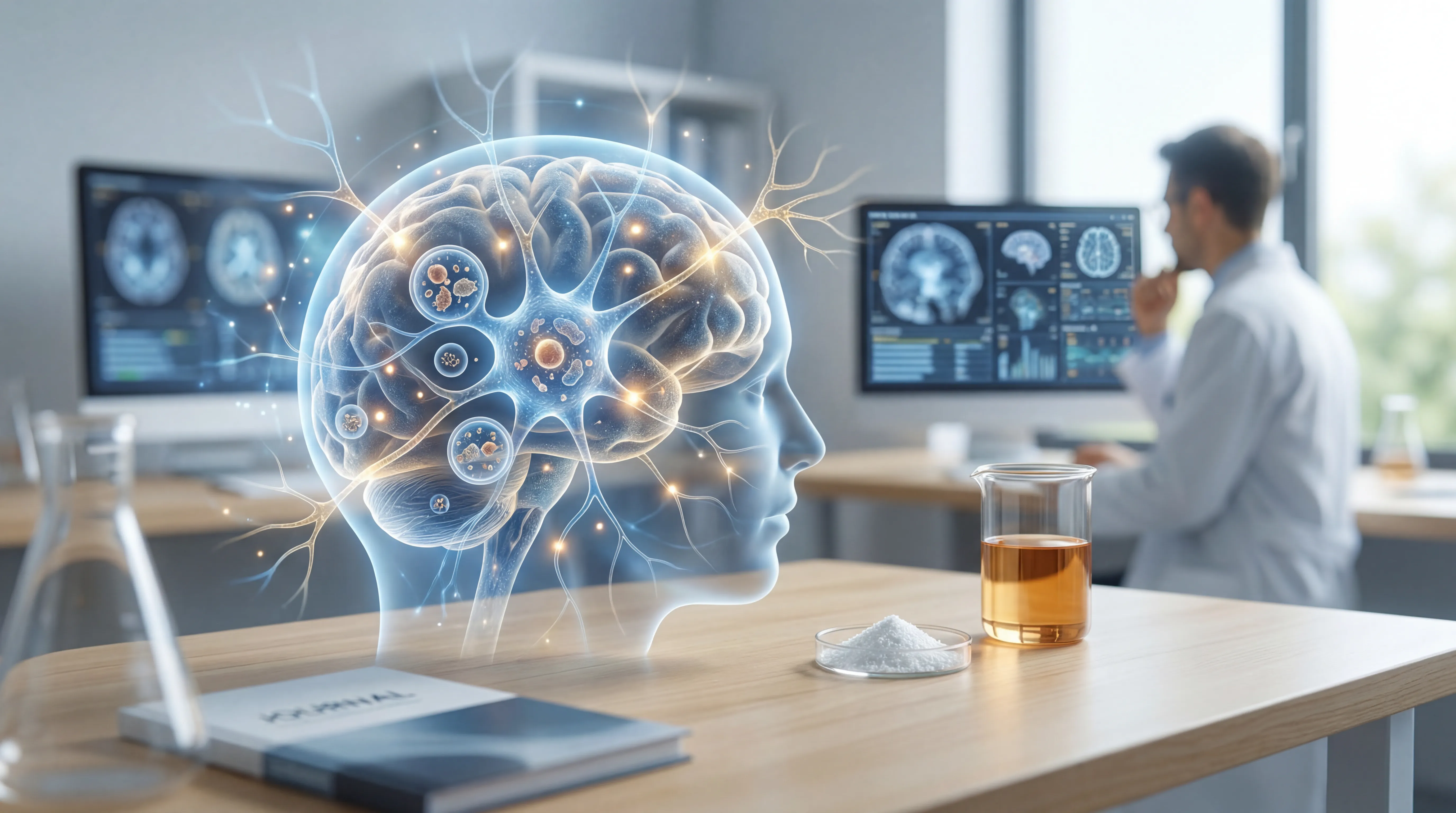
Have you ever experienced that frustrating feeling of brain fog, where your mind just doesn't seem to function as sharply as it used to? This is a common experience, but it doesn't have to be permanent. Through a process known as autophagy, you can actually enhance your brain's performance and regain that mental edge. In this post, we'll uncover the science behind brain autophagy, its benefits, and practical ways to boost it using tools like glutamine. Let's dive deeper into a world that dwells in every one of us but often goes unnoticed: the power of our brain's self-cleaning mechanisms.
Understanding Autophagy in the Brain
Autophagy is a natural process your body uses to clean out damaged cells and regenerate new ones. When it comes to autophagy in the brain, this mechanism plays a crucial role in maintaining mental clarity, focus, and overall cognitive function. Unlike autophagy occurring in other parts of your body, brain autophagy operates somewhat independently due to the brain’s unique energy metabolism needs.
What Is Autophagy and Why Is It Important for Brain Health?
At its core, autophagy means “self-eating.” It’s your brain’s way of removing dysfunctional components like damaged mitochondria or misfolded proteins that can interfere with neuron signaling. This cleaning process helps keep your neurons healthy and functioning optimally. Without efficient autophagy, harmful substances accumulate, leading to oxidative stress and inflammation — factors strongly linked to cognitive decline and conditions such as Alzheimer’s disease.
The importance of autophagy in the brain cannot be overstated. Studies have shown that failure to maintain proper autophagic activity correlates directly with reduced mental sharpness and increased instances of brain fog. In contrast, activating neuronal autophagy can enhance memory consolidation, improve focus, and even protect against neurodegenerative diseases.
Differentiating Between Autophagy in the Brain and Body
Your brain is an energy-intensive organ packed with mitochondria—the powerhouses responsible for producing energy at a cellular level. Because of this high demand for energy, brain metabolism is distinct from bodily metabolism. While fasting or exercise triggers autophagy throughout your body, the timing and intensity of autophagic processes within your neurons are different.
For example:
- Brain Autophagy: Often triggered by decreased glucose levels during fasting or after exercise; it reduces oxidative stress specifically within neurons.
- Body Autophagy: Occurs more broadly across tissues like muscle or liver; primarily focused on general cell repair and recycling.
A key insight from research published in the journal Autophagy (2010) demonstrated that significant neuronal autophagic activity occurs after short fasts as brief as 16 hours. This finding highlights how quickly your brain can begin its self-cleaning process when given the right conditions.
Signs of Brain Fog: Indicators You Need More Brain Autophagy
You might wonder how you can tell if your brain needs more support through enhanced autophagic activity. One common symptom is persistent brain fog, which includes feelings such as:
- Mental sluggishness or difficulty concentrating on tasks
- Poor memory recall or forgetfulness
- Lack of mental clarity despite rest or sleep
- An overall sense of cognitive fatigue without obvious cause
This foggy feeling often results from elevated glucose levels causing an increase in reactive oxygen species (ROS), which disrupt normal neuron communication. When glucose metabolism becomes inefficient, neurons struggle to send clear signals—leading directly to those symptoms you experience daily.
The Role of Ketones in Supporting Brain Function During Autophagy
An effective alternative fuel source for your brain during fasting or exercise is ketones—molecules produced when fat breaks down for energy instead of glucose. Elevated ketone levels have been associated with improved mental clarity and sharper focus because they generate less oxidative stress compared to glucose metabolism.
However, it's important to note that simply increasing ketones does not guarantee enhanced neuronal autophagy.
The real key lies in stimulating actual neuronal self-cleaning mechanisms alongside providing efficient energy sources like ketones. This dual approach supports optimal cognitive performance by reducing cellular damage while fueling healthy neuron function.
Naturally Enhancing Your Brain's Autophagic Process
You don’t need complex interventions to boost brain autophagy; several natural strategies can help:
- Spermidine Intake: Found naturally in foods like wheat germ and mushrooms, spermidine promotes neuronal renewal through enhanced autophagic pathways.
- Mild Fasting: Short fasts around 16 hours stimulate significant neuronal cleanup without extreme calorie restriction.
- Certain Exercises: Fasted workouts especially under cool temperatures amplify both systemic and brain-specific autophagic responses.
- Mitochondrial Support Compounds: Supplements like Urolithin A encourage mitochondrial health by promoting their own form of selective autophagy called mitophagy—streamlining energy production inside neurons.
Your Takeaway: Recognizing When Your Brain Needs Help Through Autophagy
If you notice frequent episodes of mental cloudiness or difficulty focusing—common signs linked with impaired neuronal function—it may be time to prioritize practices that enhance brain-specific autophagic activity. Understanding these signs empowers you to take actionable steps toward restoring cognitive vitality through scientifically backed methods such as controlled fasting periods combined with targeted nutrition support like glutamine supplementation.
The Glutamine Effect: Fueling Brain Autophagy
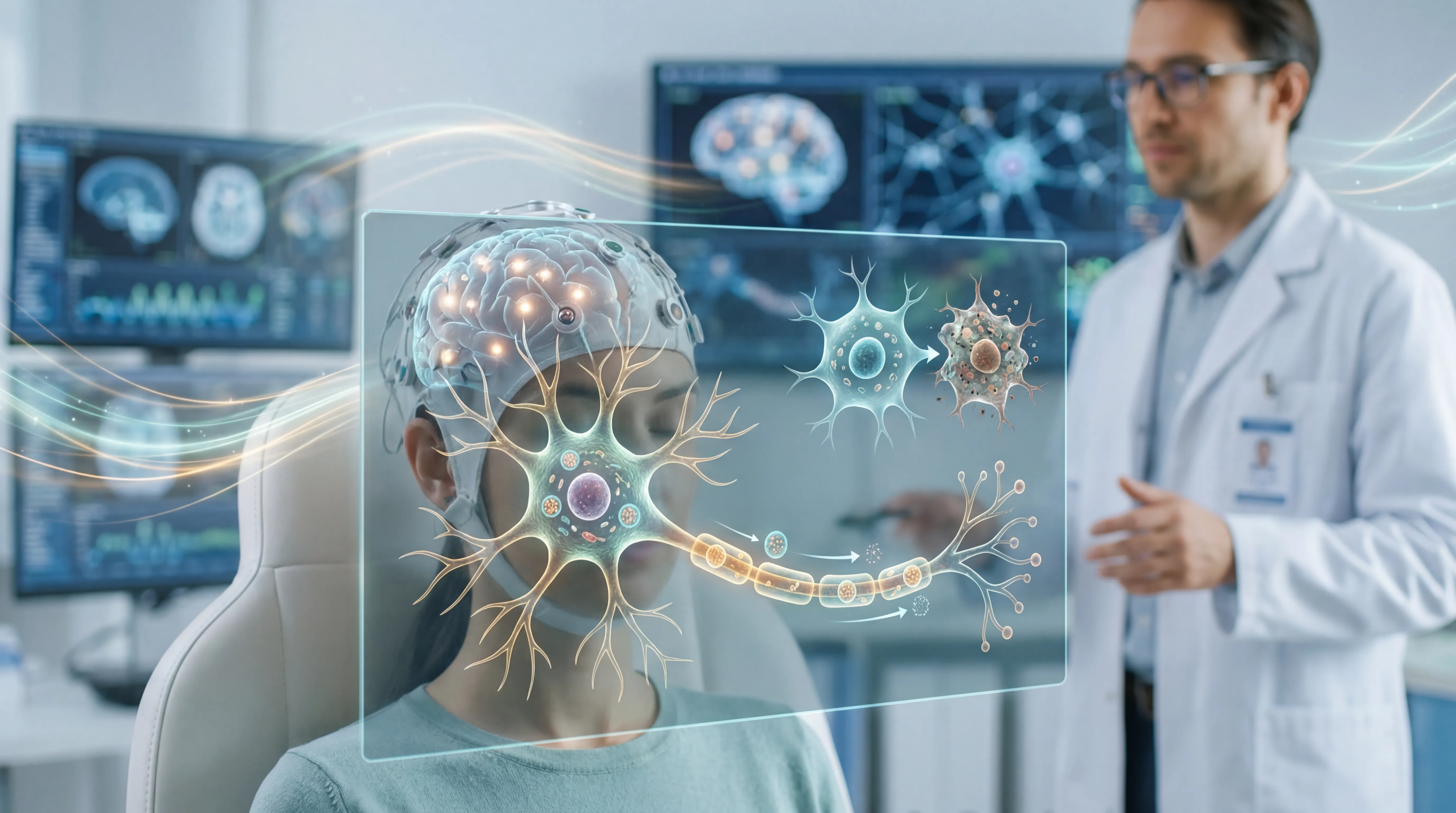
When it comes to boosting brain function, glutamine plays a crucial role that often goes unnoticed. This amino acid is much more than just a building block for proteins; it acts as a key player in the production of neurotransmitters that directly influence your mental clarity and focus. Understanding how to use glutamine effectively can help you unlock enhanced cognitive performance by fueling brain autophagy.
The Role of Glutamine in Neurotransmitter Production
Your brain relies on a delicate balance of neurotransmitters to maintain optimal function. Glutamine is essential because it serves as the precursor for two critical neurotransmitters: glutamate and GABA (gamma-aminobutyric acid). Glutamate acts as an excitatory neurotransmitter, essentially “lighting up” your neurons and promoting alertness and cognitive activity. On the other hand, GABA provides calming effects, preventing overstimulation and helping maintain focus without anxiety or jitteriness.
This balance between excitation and inhibition is vital for clear thinking, decision-making, and sustained attention. Without adequate glutamine levels, this cycle can become disrupted, leading to impaired neuronal signaling and symptoms such as brain fog or reduced mental precision.
How Adequate Glutamine Affects Mental Clarity
During periods of fasting or intense physical training, your body’s glutamine stores may become depleted temporarily. This deficiency can negatively impact the glutamate-GABA cycle in your brain, resulting in diminished focus and cognitive sluggishness.
Research shows that supplementing with just 5 grams of glutamine can significantly rekindle brain autophagy—a natural process where your brain cells clean out damaged components to improve function. This restoration feels like a clearing away of mental fog and a return to sharper cognition.
"A mere five grams of glutamine can significantly rekindle brain autophagy," highlighting its power in restoring cognitive function after fasting or strenuous activity.
This effect occurs because autophagy reduces oxidative stress by lowering reactive oxygen species (ROS) generated during high glucose metabolism. When glucose levels are high, ROS increase, which interferes with neuron signaling. By promoting neuronal autophagy through adequate glutamine intake, you support healthier mitochondria—the energy powerhouses within your neurons—leading to improved mental clarity.
Signs You May Need More Glutamine
- Persistent feelings of brain fog despite rest
- Difficulty concentrating during mentally demanding tasks
- Mental fatigue following workouts or calorie restriction diets
- Irritability or mood swings linked to poor neuronal signaling
Specific Recommendations for Glutamine Supplementation
If you're looking to boost brain function naturally through diet or supplementation, here are some practical tips on how to use glutamine:
- Dose: Start with about 5 grams per day—this amount has been shown effective in stimulating neuronal autophagy without adverse effects.
- Timing: Consider taking glutamine post-workout or during fasting periods when natural stores might be low due to increased metabolic demand.
- Form: Choose pure L-glutamine powder or capsules from reputable brands ensuring high bioavailability for maximum absorption.
- Nutritional Sources: Incorporate foods rich in glutamine such as beef, chicken, fish, eggs, dairy products like yogurt and cheese; plant sources include beans and spinach but usually at lower concentrations than animal products.
- Avoid Overuse: While beneficial at moderate doses, excessive supplementation may disrupt amino acid balance; always consult healthcare providers if unsure about long-term use.
The Bigger Picture: Supporting Brain Autophagy Alongside Glutamine Intake
Your efforts will be most effective when combined with other lifestyle practices known to enhance neuronal health including intermittent fasting protocols that promote short fasts (e.g., up to 24 hours), regular exercise especially in cooler environments which stimulate autophagic pathways more robustly than fasting alone; consumption of supplements like spermidine from wheat germ or mushrooms; Urolithin A for mitochondrial health; plus magnesium and glycine which support calmness via GABA cycles alongside glutamate regulation by glutamine.
Together these strategies create an environment where your brain’s natural cleaning system operates efficiently—clearing out damaged cells while maintaining balanced neurotransmission—and ultimately boosting overall cognitive performance over time.
Adequate glutamine is necessary for balanced brain neurotransmission;
sufficient levels lead directly to enhanced focus and clarity—key markers of peak mental performance you want every day.

Practical Strategies to Enhance Brain Autophagy
Enhancing brain autophagy is a powerful way to boost your mental clarity, focus, and overall cognitive health. Fortunately, there are several practical strategies you can implement in your daily routine that naturally stimulate this vital self-cleaning process within your brain cells.
Incorporating Exercise into Your Routine
Exercise is one of the most effective ways to promote autophagy in the brain. Research shows that high-impact exercise can increase autophagic activity up to three times more than fasting alone. When you engage in physical activity, especially fasted exercise performed in cool temperatures, it not only helps burn glucose but also encourages your brain cells to clear out damaged components and optimize energy production.
This process is crucial because your brain relies heavily on mitochondria—the tiny powerhouses inside cells—to meet its unique energy demands. By stimulating mitochondrial autophagy through exercise, you help maintain efficient energy metabolism and reduce oxidative stress caused by reactive oxygen species (ROS). This reduction supports better neuron signaling and sharper cognitive function.
The Benefits of Fasting and Fasting-Mimicking Diets for Brain Health
Fasting has long been recognized as a natural trigger for autophagy throughout the body, including the brain. Studies have demonstrated that even short periods of fasting can significantly increase neuronal autophagy, leading to improved mental consolidation and reduced brain fog.
You may notice signs of enhanced brain autophagy during fasting as decreased glucose levels coincide with clearer thinking and less oxidative stress. However, it’s important to understand that simply elevating ketones—alternative energy molecules produced during fasting—is not enough on its own; true benefits come from activating neuronal autophagy specifically.
If traditional fasting feels challenging, consider Dr. Walter Longo’s fasting-mimicking diet. This approach involves consuming low-protein, high-fat meals over several days to simulate the effects of fasting without complete caloric deprivation. Such diets help sustain autophagic processes while providing essential nutrients for brain function.
Other Supplements and Strategies That Promote Autophagy While Supporting Brain Function
Certain supplements have shown promise in enhancing neuronal health by promoting autophagy or supporting neurotransmitter balance:
- Spermidine: Found naturally in foods like wheat germ, mushrooms, aged cheese, and soy products, spermidine supports cellular renewal processes including neuronal autophagy. Regular intake may help clear metabolic waste from neurons and improve cognitive resilience.
- MCT Oil: Medium-chain triglyceride (MCT) oil boosts ketone production efficiently, which enhances neuroplasticity—the brain’s ability to form new connections—and improves communication between different regions of the brain. This translates into better mental performance and focus.
- Glutamine: A key amino acid involved in balancing excitatory glutamate with calming GABA neurotransmitters. Supplementing with about five grams of glutamine can rekindle brain autophagy while maintaining optimal neural signaling during periods of intense training or dieting when glutamine levels might dip temporarily.
- Glycine: Supports calmness by aiding GABA cycles within the central nervous system; this helps prevent overstimulation while promoting relaxation necessary for cognitive clarity.
Apart from supplementation, lifestyle habits such as sauna sessions can enhance glymphatic clearance—a process that flushes out excess metabolites from the brain—further supporting healthy neural environments conducive to effective autophagy.
The Role of Hunger Hormones and Dietary Antioxidants
An interesting aspect related to hunger hormones like ghrelin is their ability to signal increased autophagic activity while simultaneously boosting mood when you experience mild hunger sensations. To balance hunger without losing these benefits or feeling uncomfortable during fasts or calorie-restricted phases, combining green tea or coffee with cinnamon is recommended as it helps manage appetite naturally while providing antioxidants beneficial for cellular health.
The concept of an “olive oil fast” also offers a novel way to support brain health: consuming small amounts of olive oil every few hours delivers potent antioxidants that further stimulate protective mechanisms like autophagy without requiring full food abstinence.
Putting It All Together: Your Action Plan for Enhanced Brain Autophagy
Your path toward unlocking greater cognitive potential through enhanced brain autophagy involves integrating multiple strategies thoughtfully into your lifestyle. Start by incorporating regular exercise sessions—preferably fasted workouts—to maximize mitochondrial renewal within neurons. Combine this with intermittent fasting or a carefully designed fasting-mimicking diet tailored around low protein and high healthy fats intake.
Add targeted supplements such as spermidine-rich foods or extracts alongside MCT oil for sustained ketone support; ensure adequate glutamine consumption especially if engaging in strenuous physical activities; include glycine sources for calming effects; and explore sauna use along with antioxidant-rich olive oil consumption periodically for additional clearance benefits.
The cumulative effect will be a noticeable improvement in mental clarity, focus stability across tasks, reduced episodes of “brain fog,” and overall enhanced neurocognitive resilience—helping you perform at your best every day.
You don’t need years of experimentation: start implementing these evidence-backed methods now based on insights drawn from extensive research combined with real-world experience spanning over 15 years focused on insulin resistance-free health maintenance.
Your journey towards unlocking true brain power begins today—with practical steps grounded firmly in science aimed at harnessing nature’s own cleaning system inside your mind.
TL;DR: Discover how autophagy enhances brain function and learn practical tips using glutamine and fasting techniques for mental clarity.
Comments
Post a Comment