
Have you ever woken up feeling like you’ve just run a marathon, even after a full night’s sleep? I certainly have, and it’s not the best way to start the day! In this post, I’ll explore how we can completely overhaul our sleep routines to wake up feeling refreshed and rejuvenated. It's not just about the number of hours we sleep; it’s about the quality of that sleep and how we prepare for bedtime. Let's dive into some eye-opening insights!
The Importance of Melatonin for Quality Sleep
When I first started exploring how to wake up feeling truly refreshed, one key player kept coming up in my research and personal experience: melatonin. This sleep hormone, produced by the pineal gland deep within our brains, is essential for signaling our bodies that it’s time to rest. Understanding melatonin’s role in sleep has been eye-opening and has helped me—and many others—improve sleep quality naturally.
Understanding Melatonin's Role in Sleep
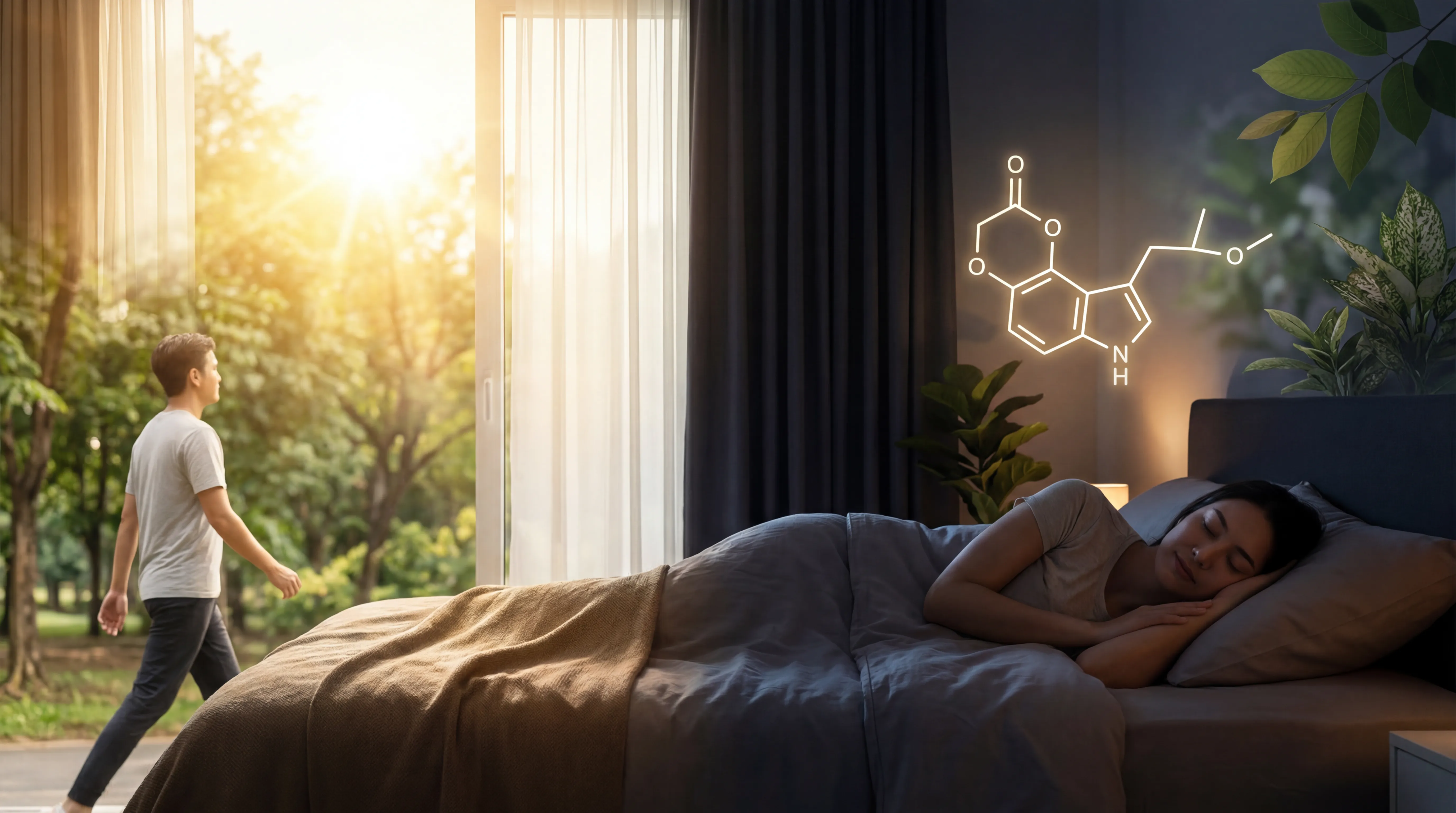
Melatonin production is triggered by darkness. As daylight fades, the pineal gland converts serotonin into melatonin, sending a clear message to your body that night has arrived and it’s time to wind down. This natural rise in melatonin levels typically peaks during the night, helping you fall asleep and stay asleep through your sleep cycles.
However, as we age, our melatonin production tends to decline significantly. This decrease can make falling asleep more difficult and reduce overall sleep quality. Inadequate sleep then leads to lower melatonin levels the next night—a vicious cycle that can increase risks of infections, heart problems, and other serious health issues due to weakened immune function.
How Light Affects Melatonin Production
A major factor influencing melatonin production is light exposure—especially blue light emitted from screens like phones, laptops, and TVs. When these lights are on late at night or close to bedtime, they inhibit the pineal gland’s ability to produce melatonin effectively. That means even if you go to bed early enough, your body might not get the signal it needs for deep restorative sleep.
On the flip side, getting plenty of natural sunlight during the day is crucial for maintaining healthy melatonin cycles. Sunlight helps regulate serotonin levels—the precursor to melatonin—and keeps your internal clock aligned with natural circadian rhythms.
Simple Ways I Boosted My Melatonin Production Naturally
- Dim lights before bedtime: I turn off all electronic devices at least an hour before sleeping and use soft lighting instead.
- Avoid blue light: Using blue light filtering glasses or apps on my phone helps reduce interference with melatonin secretion.
- Create darkness: Closing curtains fully or using a sleep mask ensures complete darkness triggers optimal hormone release.
- Cool bedroom temperature: Keeping my room around 68°F supports better melatonin activity and deeper sleep phases.
- Adequate daytime sun exposure: Spending time outdoors boosts vitamin D and serotonin levels necessary for nighttime melatonin synthesis.
- Lifestyle choices: Managing stress through peaceful walks or meditation lowers cortisol—a stress hormone that can block melatonin production.
I also learned about less obvious factors like fluoride exposure affecting the pineal gland negatively; filtering tap water became part of my routine after discovering this connection. Additionally, taking glycine supplements before bed helped enhance serotonin availability without disrupting natural hormone balance.
The importance of melatonin goes beyond just helping us fall asleep—it acts as a powerful antioxidant protecting our bodies from free radical damage while supporting longevity. By respecting its natural rhythm through lifestyle adjustments focused on light management and stress reduction, we can unlock more refreshing mornings consistently.
Creating the Ideal Sleep Environment
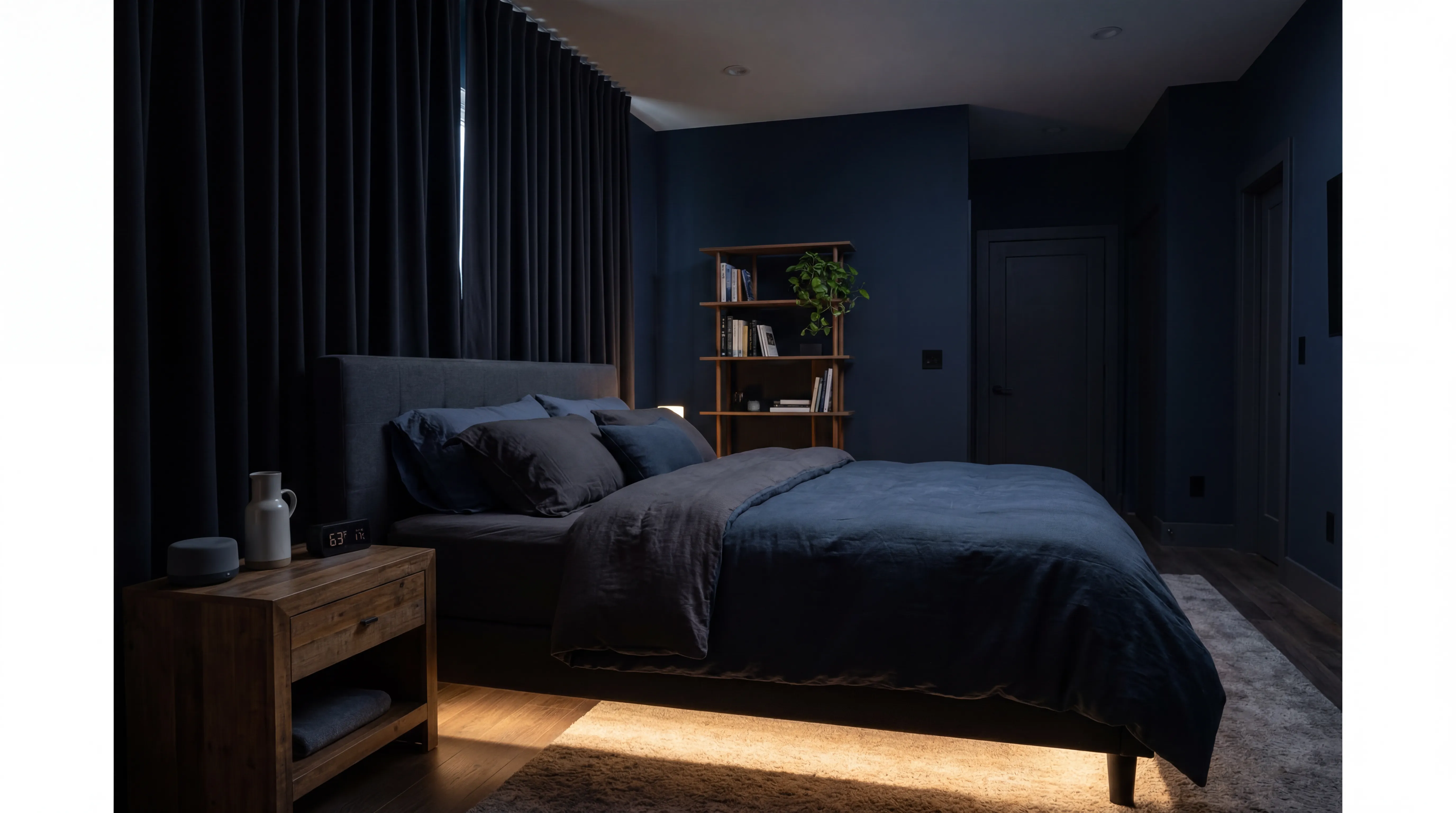
When I first started exploring how to wake up feeling truly refreshed, one of the biggest eye-openers was understanding just how much our sleep environment affects melatonin production—the hormone that signals our body it’s time to rest. Darkness plays a starring role here. Melatonin is produced by the pineal gland in response to darkness, so creating a dark bedroom is essential for signaling your body to wind down and prepare for deep, restorative sleep.
The Role of Darkness in Promoting Melatonin
Light exposure before bedtime can seriously disrupt melatonin levels. Even small amounts of light from electronic devices like phones, laptops, or TVs can trick your brain into thinking it’s still daytime. That’s why I always recommend turning off all screens at least an hour before bed or using blue light filters if you must use them. Blackout curtains or an eye mask can also help block out streetlights or other ambient light sources.
Temperature for Best Sleep: Why Cooler Is Better
Another key factor I discovered is temperature. The ideal room temperature for sleep hovers around 68°F (20°C). A cooler bedroom helps lower your core body temperature, which naturally drops as you fall asleep and encourages melatonin production. When your room is too warm, it can interfere with this process and cause restless nights.
I personally keep my bedroom cool and find that it makes a huge difference in how quickly I fall asleep and how deeply I rest throughout the night. If you’re struggling with heat during warmer months, consider using a fan or air conditioning to maintain that optimal temperature.
Avoiding Blue Light Before Bedtime
Blue light emitted from screens is particularly disruptive because it suppresses melatonin more than other types of light. To combat this:
- Use blue light filtering glasses: These are simple and effective tools that block blue wavelengths from reaching your eyes.
- Install apps on devices: Apps like f.lux or Night Shift mode on smartphones adjust screen colors to warmer tones after sunset.
- Create a no-screen zone: Try reading a book or practicing relaxation techniques instead of scrolling through social media right before bed.
This reduction in blue light exposure not only helps increase natural melatonin production but also improves overall sleep quality—leading to waking up feeling more energized rather than groggy.
The Power of Optimizing Your Bedroom Ambiance
I’ve found that combining these elements—darkness, cool temperatures around 68°F, and minimizing blue light exposure—creates an ideal sleep environment that supports my natural circadian rhythms. Going to bed between 10 and 11 p.m., when our bodies are primed for rest according to internal clocks, further enhances this effect.
If you want better mornings filled with vitality, start by transforming your bedroom into a sanctuary designed specifically for restful sleep. It’s amazing how these simple changes can unlock deeper rest and set the tone for an energized day ahead.
Adding Daily Habits for Better Sleep and Morning Energy
When I first started paying attention to how I felt upon waking, it became clear that the quality of my sleep was deeply connected to the habits I practiced throughout the day. One of the most powerful daily habits for better sleep is getting enough sunlight exposure. During daylight hours, natural sunlight helps regulate our internal clock by influencing melatonin production. Vitamin D, which our bodies produce when exposed to sunlight, plays a crucial role in this process.
The Benefits of Sun Exposure and Vitamin D
Vitamin D benefits go beyond bone health—it supports melatonin function, helping us fall asleep more easily and enjoy deeper rest. When you spend time outside during the day, especially in the morning, your body receives signals that help set your circadian rhythm correctly. This natural rhythm tells your body when it’s time to be awake and when it’s time to wind down.
I make it a point to soak up at least 15-30 minutes of sunlight daily—whether it’s a short walk or simply sitting near a window with direct sun exposure. Research shows that people with optimal vitamin D levels tend to have better sleep quality and more consistent melatonin cycles.
Stress Management for Sleep
Another key factor affecting how refreshed we feel in the morning is stress management. Stress hormones like cortisol can block melatonin production, making it harder to fall asleep or stay asleep through the night. Over time, chronic stress can lead to inflammation and stiffness in our bodies—further disrupting rest.
I’ve found simple stress reduction techniques incredibly helpful before bedtime:
- Peaceful walks: A gentle stroll outdoors helps calm my mind and lowers cortisol levels.
- Mindful breathing: Taking slow deep breaths relaxes both body and mind.
- A calming environment: Creating a quiet space free from screens reduces stimulation before bed.
Incorporating these small changes into your routine can support natural melatonin production and improve overall sleep quality.
The Impact of Hydration on Sleep Quality
You might not realize how much hydration affects your nightly rest. Dehydration can cause dry mouth, leg cramps, and even headaches—all things that interrupt sleep cycles without us noticing immediately. Staying well-hydrated throughout the day ensures that your body functions smoothly at night too.
I aim to drink water consistently but avoid excessive fluids right before bed so I don’t wake up needing bathroom trips during the night. Proper hydration also supports healthy circulation and reduces inflammation caused by poor sleep patterns.
Together, these daily habits—getting enough sunlight for vitamin D benefits, managing stress effectively before bedtime, and maintaining good hydration—create a foundation for restful nights and energized mornings. By weaving them into everyday life, you set yourself up not just for better sleep but for improved overall health as well.

Understanding and Reducing EMF Exposure
When I first started exploring ways to wake up feeling truly refreshed, one surprising factor caught my attention: electromagnetic frequencies, or EMFs. These invisible fields are emitted by many everyday devices like cell phones, alarm clocks, Wi-Fi routers, and even electrical wiring in our homes. While we often overlook them, EMFs can have a significant impact on our sleep quality and overall health.
What Are EMFs and How Do They Affect Sleep?
EMFs are a type of energy produced by electronic devices that create electric and magnetic fields around them. Research has shown that exposure to these fields—especially at night—can interfere with the body’s natural production of melatonin, the hormone responsible for regulating our sleep-wake cycle. Melatonin is crucial not only for signaling when it’s time to rest but also for protecting our cells from damage as a powerful antioxidant.
High levels of EMF exposure have been linked to disrupted sleep patterns, making it harder to fall asleep or stay asleep through the night. This disruption reduces melatonin levels further, which can lead to increased inflammation, fatigue during the day, and even long-term health risks such as heart problems or weakened immune function.
Steps to Minimize EMF Exposure While Sleeping
Understanding the impact of EMFs on melatonin helped me realize how important it is to create an environment that supports natural hormone production. One of the simplest yet most effective steps I took was reducing my exposure to these frequencies before bedtime.
I started by moving electronic devices away from my bed—no more charging my phone right next to my pillow or keeping my laptop plugged in overnight nearby. Instead, I placed them across the room or turned them off completely. This small change made a noticeable difference in how deeply I slept.
I also invested in blue light filtering glasses and apps because blue light from screens not only affects melatonin directly but also contributes indirectly by increasing alertness when we should be winding down.
The Importance of Unplugging Devices at Night
A key habit I adopted was unplugging unnecessary electronics before going to bed. Devices like alarm clocks with digital displays emit constant low-level electromagnetic fields—even if they seem harmless—which can subtly disturb your sleep environment over time.
If you rely on an alarm clock but want to reduce EMF exposure, consider switching to battery-operated models instead of those plugged into wall outlets. For those curious about their home’s electromagnetic environment, using an EMF meter (I recommend the Trifield TF2 model) can help identify hotspots where exposure might be higher than expected.
I also learned that avoiding electrical blankets or heating pads during sleep is wise since they generate strong electromagnetic fields close to your body throughout the night.
By being mindful of these unseen forces around us and taking simple steps like unplugging devices at night and rearranging electronics away from sleeping areas, we support our body's natural rhythms better. This creates an ideal setting for melatonin production and ultimately leads to deeper restorative sleep.
Incorporating these practices into your nightly routine may feel subtle at first but can profoundly improve how refreshed you feel each morning—ready with renewed energy for whatever lies ahead.
TL;DR: To wake up feeling revitalized, focus on melatonin, optimal sleep environments, and healthy daily habits.
Comments
Post a Comment