
Have you ever stopped to think about what your gut is trying to tell you? I remember the day I made the startling connection between my own digestive issues and how they impacted not just my physical health but my mindset, emotions, and even my heart. Today, I want to take you on a journey that dives deep into the fascinating world of the gut, the vagus nerve, and what it means for our overall health.
The Surprising Role of the Gut in Overall Health
When I first began exploring the connection between gut health and overall well-being, I was fascinated by how deeply intertwined our digestive system is with other bodily functions. The gut isn’t just about digestion; it’s a complex hub that communicates constantly with the brain through the vagus nerve—a critical pathway influencing both mental and physical health.
Understanding the Gut-Brain Connection
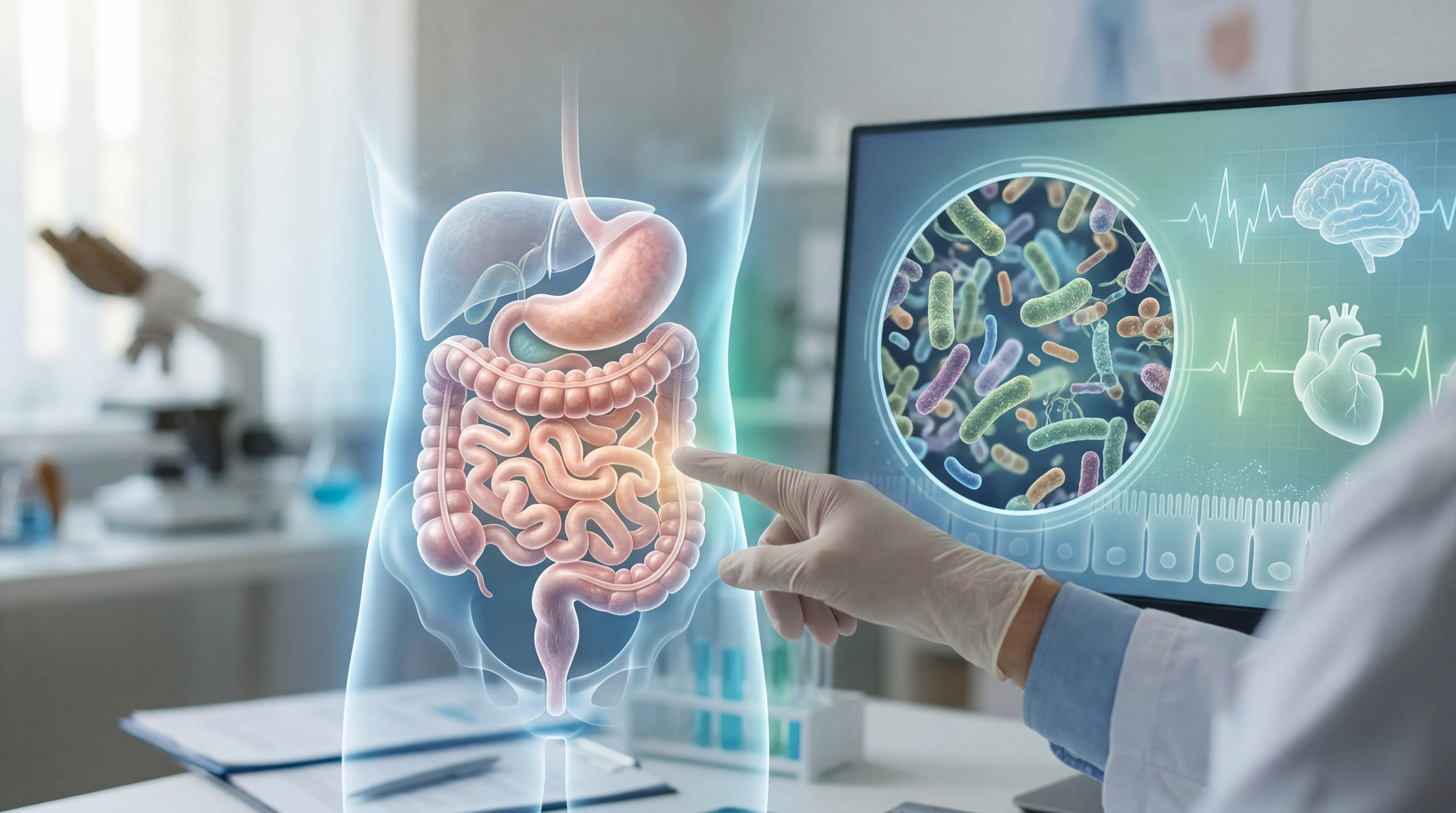
The vagus nerve acts as a two-way street between the gut and the brain. Imagine food entering your stomach and then splitting into pathways toward your colon—this journey is closely monitored by an intricate network called the enteric nervous system, often referred to as our “second brain.” This system contains roughly 100 trillion bacteria, forming an ecosystem that can either support or disrupt our health.
When this balance tips toward harmful bacteria, it sends distress signals up the vagus nerve to the brain. This communication affects not only digestion but also mood, cognition, and even heart function. For example, I once treated a patient with Postural Orthostatic Tachycardia Syndrome (POTS), where her increased heart rate upon standing was linked back to gut dysfunction. By focusing on restoring her gut health rather than relying solely on medications, we saw remarkable improvements in her symptoms.
How Gut Inflammation Affects the Whole Body
A major concern I emphasize is that most inflammation in our bodies actually begins in the gut. When harmful substances leak through a compromised intestinal lining—a condition known as leaky gut syndrome—they enter the bloodstream and trigger systemic inflammation. This chronic inflammation is at the root of many modern illnesses.
- Leaky gut leads to systemic inflammation: Harmful particles escaping into circulation cause widespread immune responses.
- Chronic inflammation fuels diseases: Conditions like high blood pressure, neurodegenerative disorders such as Parkinson’s disease and dementia are increasingly linked to ongoing inflammatory processes originating from poor gut health.
- The microbiome imbalance matters: An unhealthy ratio of beneficial to harmful bacteria disturbs this delicate system further.
The Link Between Gut Health and Chronic Diseases
The rise of chronic diseases today contrasts sharply with historical ailments like leprosy or dysentery—illnesses now far less common thanks to advances in hygiene and medicine. However, what we face now is a surge in conditions driven largely by persistent low-grade inflammation rooted in gut dysfunction.
This makes maintaining healthy gut flora essential not only for digestion but also for preventing long-term illnesses affecting multiple organs including the heart and brain. For instance, omega-3 fatty acids play a vital role here—they support neuronal function and help reduce inflammation—but many people lack sufficient intake due to dietary imbalances favoring omega-6 fats found in processed oils.
I have witnessed firsthand how improving diet with fermented foods rich in probiotics alongside high-quality omega-3 supplements can restore balance within this ecosystem. Such interventions often lead to better regulation of blood pressure, normalized heart rates, improved mood stability, and reduced gastrointestinal symptoms like constipation or diarrhea.
The takeaway? Our guts are much more than food processors—they are central players in managing inflammation that impacts every aspect of our health.
Understanding the Vagus Nerve: Your Body's Communicator
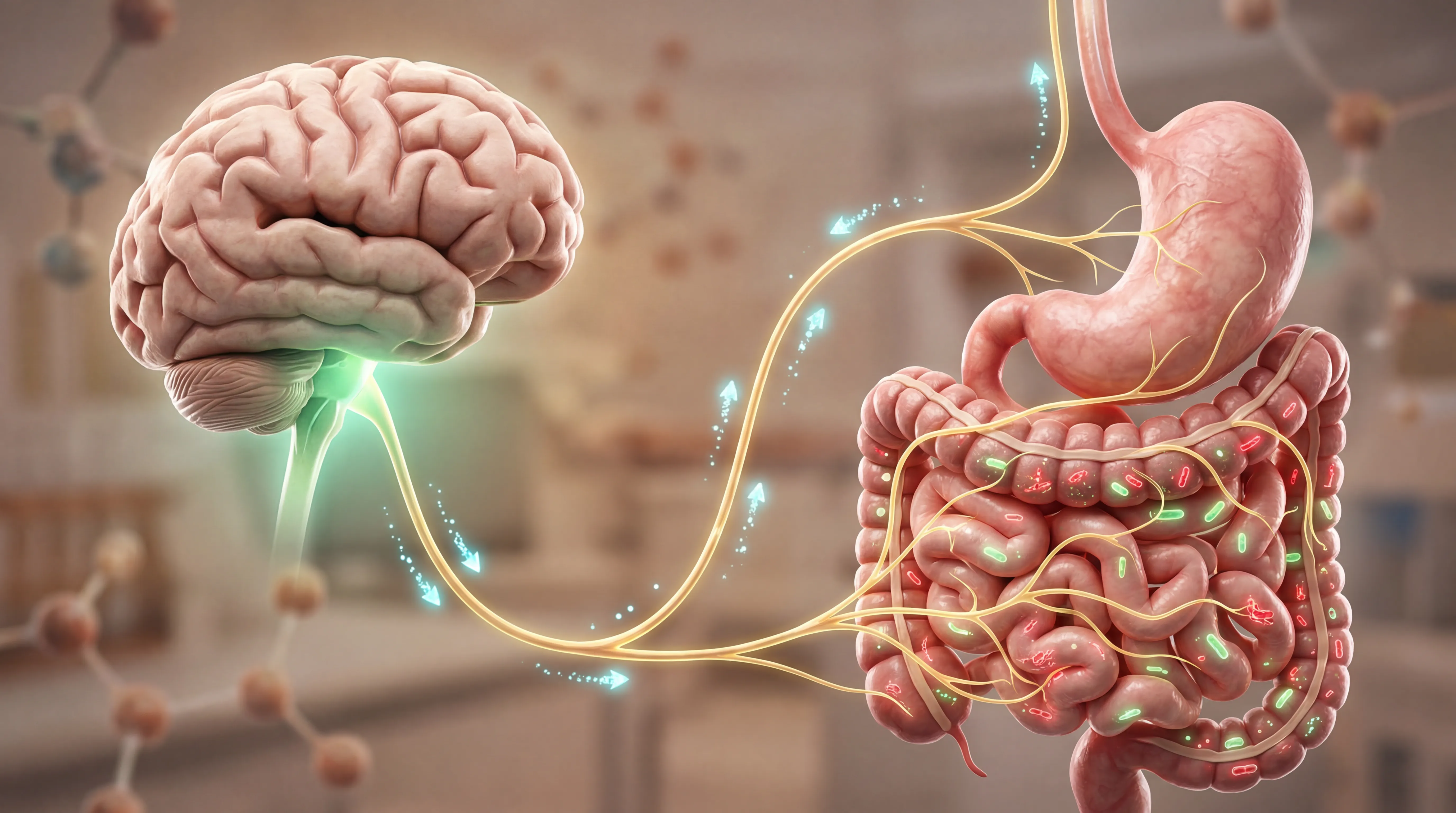
When I first began exploring the complex relationship between our gut and overall health, I quickly realized that the vagus nerve plays a starring role in this connection. Often called the body's communicator, this remarkable nerve is a vital part of the gut-brain axis, acting as a two-way highway between your gut and brain.
The Vagus Nerve: The Communication Superhighway
The vagus nerve is one of the longest nerves in your body, extending from your brainstem all the way down to your abdomen. Its primary job? To send signals back and forth between your gut and brain, helping regulate digestion, heart rate, mood, immune response, and more.
Imagine food entering your stomach and then splitting into two paths toward the colon. Along this journey, the vagus nerve constantly monitors what’s happening inside your gut—communicating information about nutrient absorption or potential threats like harmful bacteria. This communication helps maintain balance within your digestive system and influences how you feel mentally and physically.
Symptoms of Vagal Dysfunction Linked to Gut Issues
When the vagus nerve isn’t functioning properly—a condition known as vagal dysfunction—it can disrupt this delicate balance. From my experience with patients, symptoms often include:
- Digestive problems: Constipation, diarrhea, bloating
- Systemic inflammation: Triggered by substances leaking from an unhealthy gut into the bloodstream (leaky gut syndrome)
- Nervous system disturbances: Anxiety, depression, or even neurodegenerative diseases like Parkinson’s or dementia
- Circulatory issues: Irregular heart rate or blood pressure fluctuations
This happens because when harmful bacteria overgrow in our gut—remember there are about 100 trillion microorganisms living there—they can produce toxins that enter our bloodstream. These toxins send distress signals up through the vagus nerve to our brain. Research has even shown direct entry of these bacterial products into brain tissue via compromised barriers.
The Nervous System’s Role in Overall Body Function
The vagus nerve is not just a messenger; it’s a key player in regulating many automatic functions controlled by our nervous system. It works closely with what scientists call the enteric nervous system—the “second brain” located right in our gut—which contains millions of neurons coordinating digestion independently but also communicating with our central nervous system.
I recall treating a patient with Postural Orthostatic Tachycardia Syndrome (POTS), where her heart rate spiked upon standing. After investigating her case thoroughly, it became clear that her symptoms were linked to poor gut health affecting her vagus nerve function. By focusing on restoring her gut balance through herbal treatments rather than antibiotics alone, we saw significant improvements—not only in digestion but also in heart regulation.
This example highlights how crucial proper vagal signaling is for maintaining harmony across multiple body systems—from digestive processes to cardiovascular health—and why nurturing this communication line should be a priority for anyone seeking better overall wellness.
Nutrition's Role in Supporting Gut and Vagus Nerve Health
When I first began exploring the connection between the gut and the vagus nerve, I quickly realized that nutrition plays a pivotal role in this intricate relationship. The food we consume doesn’t just fuel our bodies; it directly influences the health of our gut microbiome, which in turn affects the function of the vagus nerve—a key player in regulating both physical and mental well-being.
Key Nutrients for Maintaining Gut Health
The gut is home to approximately 100 trillion microorganisms, collectively known as the gut microbiome. These tiny inhabitants thrive or falter based on what we feed them. A balanced diet rich in fiber, vitamins, and minerals supports beneficial bacteria that keep inflammation at bay and maintain a healthy gut lining.
- Dietary Fiber: Found abundantly in fruits, vegetables, whole grains, and legumes, fiber acts as food for good bacteria. It helps produce short-chain fatty acids that nourish colon cells and reduce inflammation.
- Polyphenols: Present in foods like berries, green tea, and dark chocolate, polyphenols have antioxidant properties that protect gut cells from damage.
- Zinc & Vitamin D: Both are essential for maintaining the integrity of the intestinal barrier and supporting immune function within the gut.
The Impact of Omega-3 Fatty Acids on Vagus Nerve Function
I’ve observed firsthand how omega-3 fatty acids can dramatically improve neuronal health—not just in the brain but also along the vagus nerve pathways. Unfortunately, modern diets are alarmingly low in omega-3s while being excessively high in omega-6 fatty acids due to processed oils. This imbalance promotes inflammation rather than reducing it.
Omega-3s are critical because they help modulate inflammatory responses by influencing cell membrane fluidity and signaling pathways involved with nerve function. Including high-quality fish oil supplements or consuming fatty fish like salmon regularly can support vagal tone—the strength of signals sent through this vital nerve—and promote better communication between your gut and brain.
"Omega-3 deficiency is widespread today; restoring these fats into our diet is one of the simplest yet most effective ways to support both gut health and vagus nerve function."
The Importance of a Balanced Microbiome
A disrupted microbiome sends distress signals up through the vagus nerve to your brain—this can manifest as chronic inflammation or even contribute to neurodegenerative diseases such as Parkinson’s or dementia. Restoring balance is crucial.
This is where fermented foods come into play. Incorporating naturally fermented items like yogurt, sauerkraut, kimchi, kefir, or kombucha introduces beneficial probiotics that help replenish good bacteria populations. These foods not only improve digestion but also strengthen your enteric nervous system—the so-called "second brain" residing within your gut—which works hand-in-hand with your vagus nerve to regulate bodily functions including heart rate and blood pressure.
- Fermented foods aid digestion by enhancing enzyme activity.
- They help seal gaps in your intestinal lining preventing leaky gut syndrome.
- A healthy microbiome reduces systemic inflammation linked to many chronic illnesses.
Nutritional choices truly have far-reaching effects beyond just weight management—they influence how effectively your body communicates internally via nerves like the vagus nerve. By prioritizing nutrient-dense whole foods rich in fiber, omega-3s, and probiotics from fermented sources, you empower your gut ecosystem to thrive—and with it—your overall health improves dramatically.

Real-Life Successes: Healing Through Gut Focus
Throughout my practice, I have witnessed firsthand the transformative power of focusing on gut health to heal a wide range of ailments. One case that remains vivid in my memory involved a patient struggling with Postural Orthostatic Tachycardia Syndrome (POTS). She experienced an abnormally high heart rate upon standing, along with digestive discomfort and fatigue. Instead of immediately turning to conventional medications, we explored her gut function and vagus nerve health. By implementing targeted herbal treatments aimed at restoring her gut balance—rather than relying on antibiotics—we saw remarkable improvements not only in her gastrointestinal symptoms but also in her heart rate regulation and overall vitality.
This patient’s story is just one example among many where addressing gut dysfunction has led to significant breakthroughs. In another instance, a woman suffering from gallbladder issues was advised to focus on improving her gut environment and vagal tone before considering surgery. With dietary changes emphasizing fermented foods and omega-3 supplementation, alongside lifestyle adjustments to support the enteric nervous system, she experienced notable relief from pain and digestive irregularities. These outcomes highlight how holistic treatment approaches that prioritize the gut can often resolve problems traditionally thought to require invasive interventions.
The connection between the gut microbiome and systemic inflammation cannot be overstated. When harmful bacteria dominate the approximately 100 trillion microorganisms residing in our intestines, they send distress signals up the vagus nerve—our body’s communication highway between brain and gut—that can exacerbate neurodegenerative conditions like Parkinson’s disease or dementia. By rebalancing these microbial communities through diet, supplements, and mindful practices that stimulate vagal activity, patients frequently report reduced inflammation markers alongside improved cognitive clarity and emotional well-being.
These case studies underscore an important insight: healing the gut often leads to unexpected benefits across multiple bodily systems. Symptoms such as constipation or diarrhea are not isolated issues; they serve as red flags indicating deeper imbalances affecting cardiovascular health, immune response, and neurological function. This holistic perspective encourages us to view each symptom as part of an interconnected network rather than separate problems requiring isolated fixes.
Incorporating fermented foods rich in probiotics helps replenish beneficial bacteria essential for maintaining this delicate balance. Additionally, high-dose omega-3 fatty acids play a crucial role in supporting neuronal function within both the brain and enteric nervous system—a fact too often overlooked given today’s widespread omega-6 heavy diets derived from processed oils.
Ultimately, these personal anecdotes and patient stories reinforce my conviction that prioritizing gut health is foundational for unlocking broader wellness potential through vagus nerve optimization. The evidence is clear: when we nurture our “second brain,” we empower our entire body’s healing capacity.
If you are experiencing persistent gastrointestinal symptoms or unexplained systemic issues, I encourage you to explore your own gut-vagus connection further. Healing begins with understanding this vital link—and taking conscious steps toward restoring balance can profoundly enhance your quality of life.
TL;DR: Understanding the gut's complex relationship with the vagus nerve can transform our approach to health, revealing the importance of gut well-being.
Comments
Post a Comment