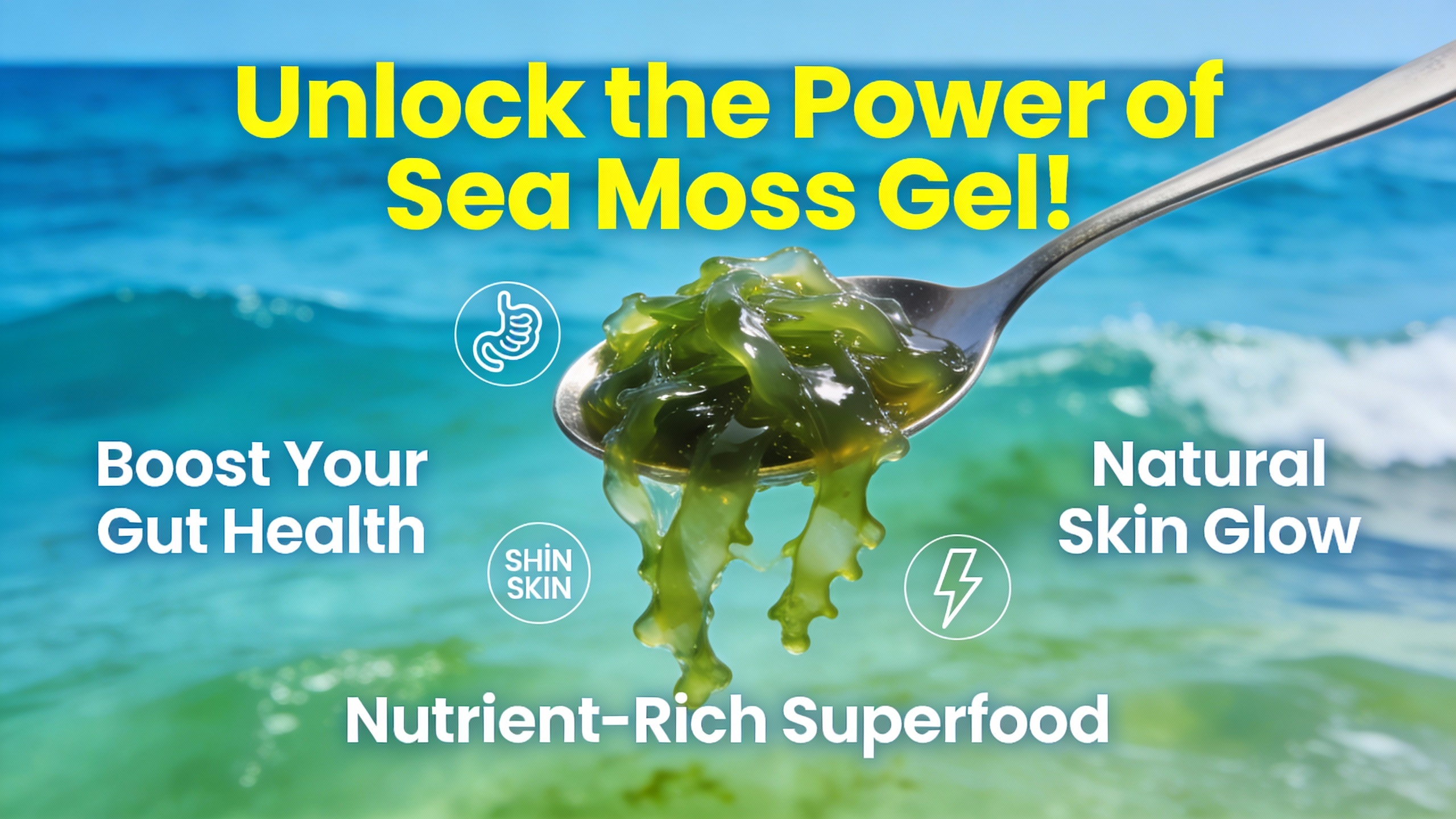
Imagine discovering a sea treasure that’s been quietly nourishing coastal communities for centuries — now buzzing in modern health circles as a superfood powerhouse. Sea moss, or Irish moss as some cultures call it, offers a fascinating blend of history, science, and culinary creativity that you might not expect. I first stumbled upon sea moss gel years ago when experimenting with homemade vegan desserts. What struck me was not just the texture or the subtle ocean taste, but the surprising ways it supports gut health and skin glow. Let’s dive into the layered story of sea moss gel, its benefits, and how it might just find a place on your shelf.
The Sea Moss Spectrum: Understanding Different Species and Uses
When you hear about Sea Moss Gel today, it’s important to know that “sea moss” is an umbrella term for several types of red marine algae. The two most common species are Gracilaria and Chondrus crispus, often called Irish Moss. Each species brings unique textures, flavors, and nutritional benefits to the table.
- Gracilaria: Known as the golden beige sea moss, Gracilaria thrives in warmer Pacific waters. It has a mild flavor and a smooth, soft texture, making it the most popular choice for homemade sea moss gel. Many wellness communities favor Gracilaria for its versatility and gentle taste. Unlike common belief, Gracilaria’s thickening power comes from agar-based polysaccharides, not carrageenan.
- Chondrus crispus (Irish Moss): This species grows in the cold North Atlantic and is darker, leafier, and has a stronger seaweed taste. Traditionally used in Irish coastal diets, it’s prized for its robust mineral content and is rich in carrageenan, a polysaccharide known for its thickening and gelling properties.
- Kappaphycus alvarezii (Elkhorn Sea Moss): While less common in homemade gels, this species is a major commercial source of carrageenan, widely used in the food industry for its powerful gelling ability.
The confusion between Irish Moss vs Gracilaria stems from cultural overlaps, especially between Irish and Caribbean traditions. Today, all these species are often simply called “sea moss,” but their differences matter for both culinary uses and health benefits. For example, Gracilaria’s agar is favored for vegan recipes, while Chondrus crispus’s carrageenan is valued for its traditional medicinal uses.
Red algae containing carrageenan have been used for millennia as treatments for respiratory ailments, especially intractable sinus infections and lingering pneumonia.
Understanding the sea moss spectrum helps you choose the right type for your needs—whether you’re seeking a mild gel for smoothies or a traditional remedy with a mineral-rich profile.
Nourishing Your Gut: Sea Moss Gel as a Prebiotic Superfood
When it comes to gut health, sea moss gel stands out as a powerful prebiotic superfood. Unlike other seaweeds such as dulse or nori, raw or dried sea moss isn’t typically eaten directly due to its rubbery, inedible texture. Instead, it’s transformed into a smooth, mucilaginous gel that’s easy to add to your daily routine.
The secret to sea moss benefits for gut health lies in its long-chain polysaccharides. These natural sugars act as prebiotic fiber, feeding the beneficial bacteria in your gut microbiome. A healthy gut microbiome not only improves digestion but also supports immune function and overall well-being. Incorporating sea moss gel into your diet—especially in smoothies or protein shakes—offers a simple and tasty way to boost your prebiotic fiber intake.
- Prebiotic Fiber: Sea moss gel’s polysaccharides nourish gut bacteria, helping maintain balance and regularity.
- Mucilaginous Texture: Its soothing, gel-like consistency coats the digestive tract, much like aloe vera gel, providing relief and supporting bowel health.
- Traditional Use:
Soup broths made from simmered whole Irish moss seaweed have been used for centuries in Ireland, offering a soothing and lubricating influence on the mucous membranes of the stomach and intestines.
Sea moss gel’s mucilaginous nature is more than just a texture—it delivers physical soothing effects along the digestive lining. This can be especially helpful for those with sensitive stomachs or irregular digestion. Folk remedies have long used Irish moss broths to calm gastritis and ulcers, and modern science now recognizes the anti-inflammatory properties of its polysaccharides.
For best results, use homemade sea moss gel in moderation. While it’s a natural way to enhance gut health, excessive intake may cause loose stools or nausea. Add a spoonful to your favorite smoothie or shake to enjoy the full spectrum of sea moss benefits for your digestive system.
Skin, Joints, and Beyond: The ‘Marine Collagen’ Effect
When you hear sea moss gel described as “Marine Collagen,” it’s not because it actually contains collagen protein. Instead, this nickname comes from its unique gelatinous polysaccharides, which closely mimic the texture and function of collagen in your body. These natural compounds form the foundation of sea moss’s reputation for supporting skin elasticity and joint health, especially in vegan diets and plant-based skincare routines.
Sea moss gel is prized for its ability to act as a vegan alternative to animal-derived gelatin. The Gracilaria variety, in particular, is a main source of agar—a popular gelling agent in vegan recipes and “bone broth” alternatives. This makes sea moss an excellent choice if you’re seeking joint nourishment without animal products.
- Anti-Inflammatory Benefits: The polysaccharides in sea moss are recognized for their natural anti-inflammatory properties. As one expert notes,
“These polysaccharides act as natural anti-inflammatory agents, offering a cooling and strengthening influence to connective tissues.”
- Connective Tissue Support: Consuming sea moss gel—especially before or after exercise—can help soothe tissues and support recovery from sports injuries. Its gel-forming compounds provide a gentle, nourishing effect on joints and ligaments.
- Sulfur Amino Acids: Sea moss contains sulfur-based amino acids like taurine, along with sulfated polysaccharides such as agar and carrageenan. Dietary sulfur is essential for maintaining joint integrity and aiding tissue repair.
For those focused on joint health, sea moss gel can be used alongside traditional supplements like MSM, morinda root, and Eucommia bark. Its unique blend of nutrients makes it a valuable addition to your wellness routine, especially for athletes or anyone seeking natural anti-inflammatory support. Whether applied topically or consumed, sea moss gel’s “marine collagen” effect helps keep your skin supple and your joints resilient—naturally and plant-based.
Sea Moss Nutrition: What’s Really Inside?
When you explore sea moss nutrition, you’ll find it’s more than just a trendy superfood. Both popular varieties—Irish moss (Chondrus crispus) and Gracilaria—are valued for their high content of long-chain polysaccharides, which can support gut and immune health. But what else is really inside?
- Polysaccharides: These complex carbohydrates are the main reason sea moss gel has its signature texture and health benefits.
- Trace Minerals: Sea moss is a natural source of calcium, magnesium, potassium, and zinc, which are vital for metabolic and immune function.
- Protein & Polyunsaturated Fatty Acids: While not a protein powerhouse, sea moss does provide small amounts of protein and healthy fats.
Irish moss, or Chondrus crispus, is especially prized for its richer nutrient profile. Thriving in the cold, nutrient-dense waters of the North Atlantic, it has been a staple in Irish diets for centuries—often eaten fresh or added to soups to boost nutrition, particularly during times of food scarcity like the Irish Potato Famine.
When it comes to essential nutrients, you may have heard the claim that sea moss contains “92 essential nutrients.” As we’ve observed,
We noticed that it is commonly stated over and over online that sea moss contains '92 essential nutrients' as part of marketing promotions.
However, the actual variety and quantity of nutrients depend on the species and where it’s harvested. While Chondrus crispus tends to be higher in minerals, Gracilaria types are generally lower in iodine compared to kelp or bladderwrack.
Iodine content in sea moss is significant and supports thyroid health, but moderation is key. Excessive iodine can negatively impact thyroid function, so it’s wise to monitor your intake—especially if you have thyroid concerns.
For optimal sea moss nutrition, always source your sea moss from reputable suppliers to avoid contaminants like heavy metals. When used wisely, sea moss can be a valuable addition to support thyroid, immune, and metabolic health.
Navigating Weight Loss and Immune Support with Sea Moss
When it comes to weight loss and immune health, sea moss stands out for its unique nutritional profile. This seaweed is naturally low in calories and packed with mucilaginous polysaccharide fiber, making it a smart addition to any weight management plan. The fiber content not only helps you feel full for longer, but also encourages healthy bowel movements—two key factors in supporting weight control and digestive wellness.
- Low Calorie, High Fiber: Sea moss gel is filling without adding excess calories, which can help reduce overall food intake and support healthy weight loss.
- Supports Bowel Regularity: The mucilaginous fiber acts as a gentle bulk-forming agent, promoting regularity and gut comfort.
- Time-Released Energy: Unlike processed foods that cause quick sugar spikes, sea moss’s long-chain polysaccharides provide a slow, steady release of energy and trace nutrients, helping to sustain metabolism throughout the day.
Sea moss’s benefits go beyond nutrition. In Jamaica, it is traditionally enjoyed as a sweet, spiced aphrodisiac drink, often blended with vanilla, nutmeg, and cinnamon. As one saying goes:
In Jamaica, sea moss has a reputation for being an aphrodisiac, and is considered supportive for male libido and vigor.
Its role in immune health is also notable. The polysaccharides in sea moss help nourish the gut microbiome, which is closely linked to immune function. Additionally, its antioxidants further contribute to immune support.
For best results, opt for sea moss gel over powders, gummies, or capsules. The gel form retains the natural mucilage, which helps hydrate the gut and avoid digestive discomfort. Excessive intake, however, can cause digestive upset, so moderation is key. While sea moss can be a valuable tool for weight management and immune support, it works best as part of a balanced lifestyle, not as a miracle solution.
Wild Card: The Curious Case of Sea Moss Confusion and Safety Tips
When it comes to Sea Moss Gel, confusion often reigns supreme. This is largely due to overlapping Irish and Jamaican traditions, as well as frequent species mislabeling in the marketplace. For years, both Irish moss (Chondrus crispus) from cool Atlantic waters and Caribbean sea moss (Gracilaria species) from warmer oceans were thought to be nearly identical, especially in their polysaccharide content. However, recent research clarifies that most Gracilaria-based sea moss doesn’t actually contain carrageenan as its main compound—instead, it’s rich in agar-based polysaccharides like agarose and agar-o-pectin. Meanwhile, Kappaphycus alvarezii, another commonly sold sea moss, is the main food industry source of carrageenan and is often mistaken for Gracilaria due to similar appearance.
This mix-up can be compared to mistaking a calming herbal tea for a potent sea tonic—each has unique benefits and uses, so it’s important to know what you’re consuming. Personally, I once ordered sea moss online expecting the familiar Gracilaria texture, only to receive mostly Kappaphycus, which had a completely different feel and culinary use. This highlights why accurate species identification is essential for maximizing Sea Moss Nutrition and supporting Thyroid Health.
Equally important is sourcing sea moss from trusted suppliers who test for heavy metals and pollutants, since seaweed can accumulate contaminants from its environment. Not all sea moss gels are created equal; homemade preparations often retain more nutrients than heavily processed supplements. Remember, excessive intake can cause nausea or loose stools, and may impact thyroid function due to natural iodine content. Always consult a healthcare professional if you are pregnant, nursing, on medication, or have thyroid or other health conditions.
All information in this video is for educational and general purposes only and is the personal view of the authors; not intended as medical advice, diagnosis or prescription.
In summary, the world of sea moss is complex and fascinating. By staying informed and sourcing wisely, you can unlock the true benefits of Sea Moss Gel while supporting your health safely.
TL;DR: Sea moss gel, originating from different red algae species like Gracilaria and Chondrus crispus, is a nutrient-rich superfood that offers gut health, thyroid support, skin benefits, and weight management aid. Homemade sea moss gel is the preferred way to consume it because of its natural nutritional integrity. However, sourcing quality sea moss and understanding the differences between types is key for safety and effectiveness.
Comments
Post a Comment