The human body is a complex network, with hidden highways of nerves carrying messages every second. Among these, one stands out for its reach and influence: the vagus nerve. Though not often mentioned in everyday conversations, this single nerve is a powerful connector between your brain and many of your body’s most important organs. If you’ve ever wondered why deep breathing can calm you down, or why stress can upset your stomach, you’re already touching on the vagus nerve’s influence. Understanding this nerve is not just for doctors or scientists—knowing how it works can help anyone improve their health, manage stress, and even feel better day to day.
What Is The Vagus Nerve?
The vagus nerve is the longest cranial nerve in your body. Its name comes from the Latin word for “wandering,” which is fitting because it travels from your brainstem all the way down to your abdomen. Along the way, it touches your heart, lungs, stomach, and many other organs. The vagus nerve is actually two nerves (one on each side of your body), but they are often spoken about as a single system.
This nerve is part of the parasympathetic nervous system—the system that helps your body relax after stress. Some people call it the “rest and digest” nerve because it slows your heart rate, helps with digestion, and calms you down. Without the vagus nerve, your body would have a much harder time keeping things in balance.
The Anatomy Of The Vagus Nerve
To understand the power of the vagus nerve, it helps to know where it goes and what it connects.
- Origin: The vagus nerve starts in the medulla oblongata, a part of your brainstem.
- Pathway: It exits the skull through an opening called the jugular foramen.
- Course: It moves down the neck, into the chest, and then the abdomen.
- Branches: The nerve has several branches along its journey. Each branch connects to different organs and tissues.
Here’s a simplified view in a table:
| Branch | Main Target Organs | Main Function |
|---|---|---|
| Pharyngeal | Throat muscles | Swallowing, speech |
| Superior laryngeal | Voice box | Voice, cough reflex |
| Cardiac | Heart | Slows heart rate |
| Pulmonary | Lungs | Slows breathing rate, airway control |
| Esophageal | Esophagus | Swallowing, move food to stomach |
| Gastric | Stomach, intestines | Digestion, gut motility |
Non-obvious insight: The vagus nerve is not just a simple wire; it’s more like a tree with many branches. Its wide reach explains why it can influence so many body functions at once.
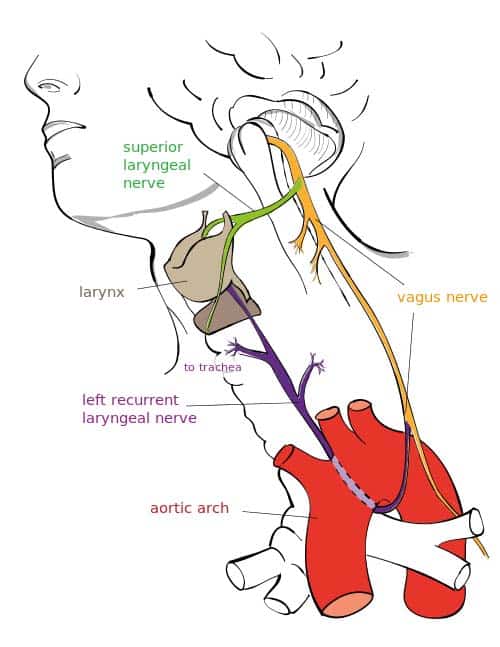
Credit: teachmeanatomy.info
Main Functions Of The Vagus Nerve
The vagus nerve is involved in many automatic (unconscious) processes in your body. Its main jobs include:
- Controlling Heart Rate: It can slow down the heart when you relax, helping prevent your heart from beating too fast.
- Regulating Breathing: It helps control how quickly and deeply you breathe.
- Assisting Digestion: It tells your stomach to produce acid and helps move food through your digestive system.
- Managing Blood Pressure: By affecting blood vessel size and heart rate, it helps keep your blood pressure steady.
- Reducing Inflammation: The vagus nerve can signal your body to lower inflammation, which helps with healing and reduces the risk of chronic diseases.
- Sending Sensory Information: It carries information from your gut, heart, and other organs back to your brain.
- Helping with Speech and Swallowing: Some branches control the muscles you use to talk and swallow.
Practical example: When you feel butterflies in your stomach before a speech, that’s the vagus nerve carrying stress signals from your brain to your gut.
Vagus Nerve And The Parasympathetic Nervous System
The human nervous system has two main branches: the sympathetic (fight or flight) and the parasympathetic (rest and digest). The vagus nerve is the main nerve of the parasympathetic system.
Key functions:
- It counters stress by slowing the heart and calming the body.
- It helps your body recover after you’ve been scared or excited.
- It supports healthy digestion and sleep.
Non-obvious insight: If your vagus nerve is not working well (low “vagal tone”), you may feel stressed more easily, have trouble digesting food, or have sleep problems.
Health Benefits Of A Strong Vagus Nerve
A healthy, active vagus nerve (high “vagal tone”) is linked to better overall health. Here are some of the main benefits:
- Lower stress: A strong vagus nerve helps your body calm down quickly after stress.
- Better digestion: It keeps your stomach and intestines working smoothly.
- Healthier heart: It helps prevent your heart from racing or beating irregularly.
- Less inflammation: It tells your body to stop overreacting to injuries or infections.
- Improved mood: Some studies link good vagal tone with less anxiety and depression.
- Stronger immune system: It helps control immune responses, making you less likely to get sick.
Data point: Studies show that people with high vagal tone recover from stress faster and have a lower risk of heart disease.
Common Vagus Nerve Disorders
Sometimes, the vagus nerve doesn’t work as it should. Here are a few conditions that can happen:
- Vasovagal Syncope: Sudden drops in heart rate and blood pressure that cause fainting, often triggered by stress or pain.
- Gastroparesis: Slow stomach emptying, leading to nausea, vomiting, or feeling full quickly.
- Arrhythmias: Heart rhythm problems, since the vagus nerve helps control the heartbeat.
- Difficulty swallowing: If the nerve’s branches to the throat are damaged.
- Chronic inflammation: If the vagus nerve can’t signal to calm inflammation.
Symptoms Of Vagus Nerve Problems
- Dizziness or fainting
- Irregular heartbeat
- Trouble swallowing
- Hoarse voice
- Nausea or vomiting
- Problems with digestion
Non-obvious insight: Vagus nerve problems can be hard to diagnose, as the symptoms often look like other illnesses. Many people go years without knowing the real cause.
How To Improve Vagus Nerve Function
You can strengthen your vagus nerve with simple habits. Here are some practical ways:
- Deep Breathing: Slow, deep breaths can stimulate the vagus nerve and calm your body.
- Cold Exposure: Splashing your face with cold water or taking cold showers can activate the nerve.
- Singing, Humming, and Chanting: These activities vibrate the vocal cords, which are connected to the vagus nerve.
- Meditation and Mindfulness: Practices that focus on relaxation help boost vagal tone.
- Exercise: Regular movement, especially aerobic exercise, supports nerve health.
- Social Connection: Positive social interactions can improve vagal activity.
- Gargling Water: The action can stimulate branches of the nerve in the throat.
Example: Try taking five slow breaths in and out, making each breath last six seconds. Many people notice a calmer feeling right away.
The Vagus Nerve And Mental Health
The connection between your mind and body is strong, and the vagus nerve is a big part of it. When you are stressed, anxious, or depressed, your vagus nerve may not work as well.
- Depression: Low vagal tone is linked to more severe depression.
- Anxiety: People with anxiety often have less active vagus nerves.
- PTSD: Some trauma survivors have lower vagal activity, making it hard to recover from stress.
Science insight: Some modern therapies, like vagus nerve stimulation (VNS), are being used to help people with depression that does not improve with medicine. This therapy uses a small device, a bit like a pacemaker, to send electrical signals to the nerve.
Vagus Nerve And The Gut-brain Connection
You may have heard the gut called the “second brain. ” The vagus nerve is the main link between your brain and your gut. It carries messages in both directions.
- Gut to brain: It tells your brain how your stomach and intestines feel (full, hungry, sick, etc. ).
- Brain to gut: It sends signals to increase or slow digestion.
This connection explains why stress can upset your stomach and why gut problems can affect your mood.
Non-obvious insight: 80% of the vagus nerve’s fibers carry information from the body back to the brain—not the other way around. This means your gut and organs have a big say in how you feel.
Vagus Nerve Stimulation (vns): Medical Uses
Doctors sometimes use special devices to stimulate the vagus nerve, especially when other treatments do not work.
Main Uses Of Vns
- Epilepsy: VNS can help reduce seizures in people who don’t respond to medicines.
- Depression: Used for severe depression that does not improve with other treatments.
- Cluster headaches and migraines: Some new devices can help prevent or reduce headaches.
How Vns Works
A small device is placed under the skin in the chest, with wires leading to the vagus nerve in the neck. The device sends gentle electrical pulses to the nerve.
Results And Side Effects
- Many people see a reduction in symptoms, but VNS does not work for everyone.
- Side effects can include hoarseness, cough, or tingling in the throat.
Comparing The Vagus Nerve To Other Cranial Nerves
The human body has twelve cranial nerves. The vagus nerve is unique in several ways.
Here’s a comparison with a few other important cranial nerves:
| Cranial Nerve | Main Function | Area Served | Length |
|---|---|---|---|
| Vagus (X) | Rest and digest, heart, lungs, gut | Head, neck, chest, abdomen | Longest |
| Glossopharyngeal (IX) | Swallowing, taste, saliva | Throat, tongue | Shorter |
| Facial (VII) | Facial movement, taste | Face, tongue | Short |
| Trigeminal (V) | Sensation in face, chewing | Face, mouth | Short |
The vagus nerve stands out for its length and the number of organs it affects.
The Role Of The Vagus Nerve In Inflammation
Inflammation is how your body fights infection or injury. But too much inflammation can lead to chronic diseases, like arthritis or heart disease. The vagus nerve helps control inflammation by sending a “calm down” signal to the immune system.
How Does It Work?
The cholinergic anti-inflammatory pathway is a special route where the vagus nerve tells immune cells to reduce inflammation. This pathway is a hot topic in medical research. Improving vagus nerve function could help with diseases where inflammation is a big problem.
Non-obvious insight: People with autoimmune diseases often have lower vagal tone, which means their bodies may have trouble turning off inflammation after it starts.
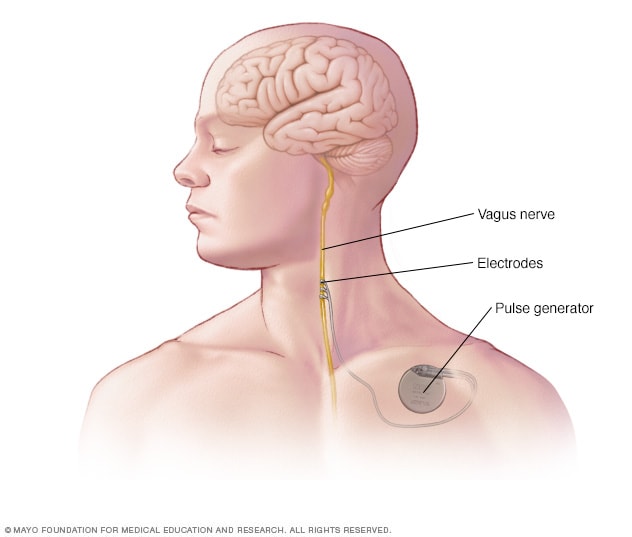
Credit: www.mayoclinic.org
Diet And The Vagus Nerve
What you eat can affect your vagus nerve, especially through the gut-brain axis.
- High-fiber foods: Fiber feeds good gut bacteria, which send healthy signals via the vagus nerve.
- Fermented foods: Yogurt, kefir, and sauerkraut may boost gut health and vagal tone.
- Omega-3 fatty acids: Found in fish and flaxseed, these fats may help the vagus nerve function better.
- Avoiding processed foods: Too much sugar or processed food can disrupt gut bacteria, reducing vagal activity.
Example: People who eat a diet rich in vegetables, fiber, and healthy fats often have healthier digestion and better mood, partly because of a healthier vagus nerve.
Breathing Techniques And The Vagus Nerve
Breathing deeply and slowly is one of the easiest ways to stimulate the vagus nerve.
Popular Techniques
- Diaphragmatic breathing: Breathe in so your belly rises, then breathe out slowly. Repeat for several minutes.
- 4-7-8 breathing: Breathe in for 4 seconds, hold for 7, breathe out for 8.
- Box breathing: Inhale, hold, exhale, and hold again for equal counts (such as 4 seconds each).
Science fact: Slow breathing activates pressure sensors in the lungs that send signals to the brainstem via the vagus nerve, telling your body to relax.
The Vagus Nerve And Heart Health
Heart rate variability (HRV) is a measure of how well your heart responds to signals from the vagus nerve. Higher HRV means your body can adapt well to stress. Low HRV is linked to higher risk of heart disease and stress-related problems.
Improving Hrv
- Regular exercise
- Good sleep
- Stress management
- Healthy diet
- Deep breathing
Non-obvious insight: Many professional athletes train not just their muscles, but also their vagus nerve, using breathing and relaxation techniques to improve HRV and recovery.
The Vagus Nerve And Immune System
The immune system is one of the vagus nerve’s most surprising areas of influence. By controlling inflammation and sending signals to immune cells, the vagus nerve helps balance the body’s defense systems.
How It Helps
- Stops the body from overreacting to small threats.
- Reduces risk of autoimmune problems.
- Helps the body recover faster after illness.
Practical tip: If you often get sick or have allergies, supporting your vagus nerve with relaxation and healthy habits may help.
Vagus Nerve Testing And Diagnosis
Doctors have a few ways to check if your vagus nerve is working well:
- Heart rate tests: Checking how your heart rate changes with deep breathing or standing up.
- Voice and swallowing tests: Since the nerve controls throat muscles, hoarseness or trouble swallowing can signal a problem.
- Gastroparesis tests: Measuring how fast your stomach empties.
Non-obvious insight: Many vagus nerve problems are only found after ruling out other causes, making diagnosis tricky. If you have unexplained symptoms, ask your doctor about the vagus nerve.
Vagus Nerve And Sleep
Good sleep relies on a healthy vagus nerve. The nerve helps your body enter deep sleep and recover from stress during the night. People with poor vagal tone may have insomnia or restless sleep.
Tips For Better Sleep
- Practice deep breathing before bed.
- Avoid screens and bright lights at night.
- Keep a regular sleep schedule.
Vagus Nerve And Speech
The vagus nerve controls muscles in your throat and voice box. Damage to the nerve can cause:
- Hoarse or weak voice
- Trouble swallowing
- Coughing while eating
Example: After neck surgery, some people notice changes in their voice. This can be a sign of temporary or permanent vagus nerve injury.
The Vagus Nerve In Children
Children’s vagus nerves are still developing. Good habits, like deep breathing and regular sleep, help build a strong vagus nerve early in life. Kids who practice mindfulness or yoga may have better self-control and less anxiety.
Myths And Misconceptions
- Myth: The vagus nerve only affects the gut.
- Fact: It affects many organs, including the heart, lungs, and immune system.
- Myth: Only doctors can improve vagal tone.
- Fact: Simple daily habits (like breathing exercises) can help anyone.
- Myth: Vagus nerve stimulation is dangerous for everyone.
- Fact: Medical VNS is safe for most people when used as prescribed, but always needs a doctor’s care.
Historical Perspective And Modern Research
The vagus nerve has been known for centuries, but only recently have scientists started to understand its full importance. New research is looking at how vagus nerve stimulation could help with diseases like rheumatoid arthritis, Crohn’s disease, and even obesity.
External resource: For more on the latest studies, see the Wikipedia page on the vagus nerve.
Vagus Nerve Exercises You Can Try
Here are some simple exercises to try at home:
- Deep belly breathing: Put your hand on your belly. Breathe in deeply through your nose, feeling your belly rise. Breathe out slowly through your mouth. Repeat for five minutes.
- Humming or singing: Pick your favorite song and sing or hum for a few minutes.
- Gargling: Gargle with water for 30 seconds, a few times a day.
- Splash cold water on your face: Do this for 30 seconds in the morning.
- Mindful relaxation: Sit quietly, focus on your breath, and let go of tension.
Tip: Try combining two or three of these exercises each day for the best results.
Recent Advances And Future Directions
Scientists are still discovering new roles for the vagus nerve. Some exciting directions include:
- Bioelectronic medicine: Using devices to control the nerve and treat disease.
- Mental health: Using VNS for anxiety, PTSD, and addiction.
- Autoimmune diseases: Calming the immune system with nerve stimulation.
Researchers believe the vagus nerve could be the key to future treatments for many hard-to-treat conditions.
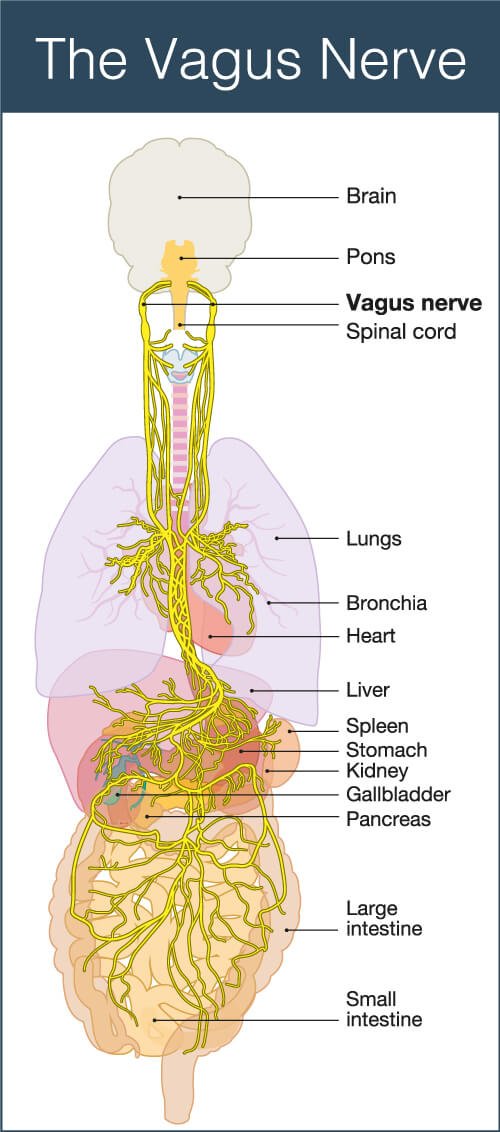
Credit: www.highpointaz.com
Frequently Asked Questions
What Happens If The Vagus Nerve Is Damaged?
Damage can cause problems with heart rate, digestion, swallowing, and voice. Symptoms depend on which part of the nerve is affected. Some people may faint more easily, have trouble speaking, or suffer from nausea.
How Can I Naturally Strengthen My Vagus Nerve?
Simple habits like deep breathing, regular exercise, singing, and spending time with friends can boost vagal tone. Even short daily practices can make a difference over time.
Is Vagus Nerve Stimulation Safe?
For most people, medical VNS is safe when done by a doctor. Side effects are usually mild but can include hoarseness, cough, or throat pain. Always talk to your doctor before trying any medical device.
Can Diet Really Affect My Vagus Nerve?
Yes. A diet high in fiber, healthy fats, and fermented foods can improve gut health, which boosts vagus nerve activity. Avoiding processed foods also helps.
How Does The Vagus Nerve Affect Anxiety And Depression?
A healthy vagus nerve helps your body recover from stress and supports a balanced mood. Low vagal tone is linked to higher anxiety and depression. Strengthening the nerve with relaxation techniques can help manage these conditions.
The vagus nerve is one of the body’s most important connectors, influencing everything from your heartbeat to your mood. By learning how it works and taking steps to support it, you can help improve your health in many areas. Whether through simple daily habits or new medical treatments, the vagus nerve offers hope for better well-being and a calmer, more balanced life.
Comments
Post a Comment