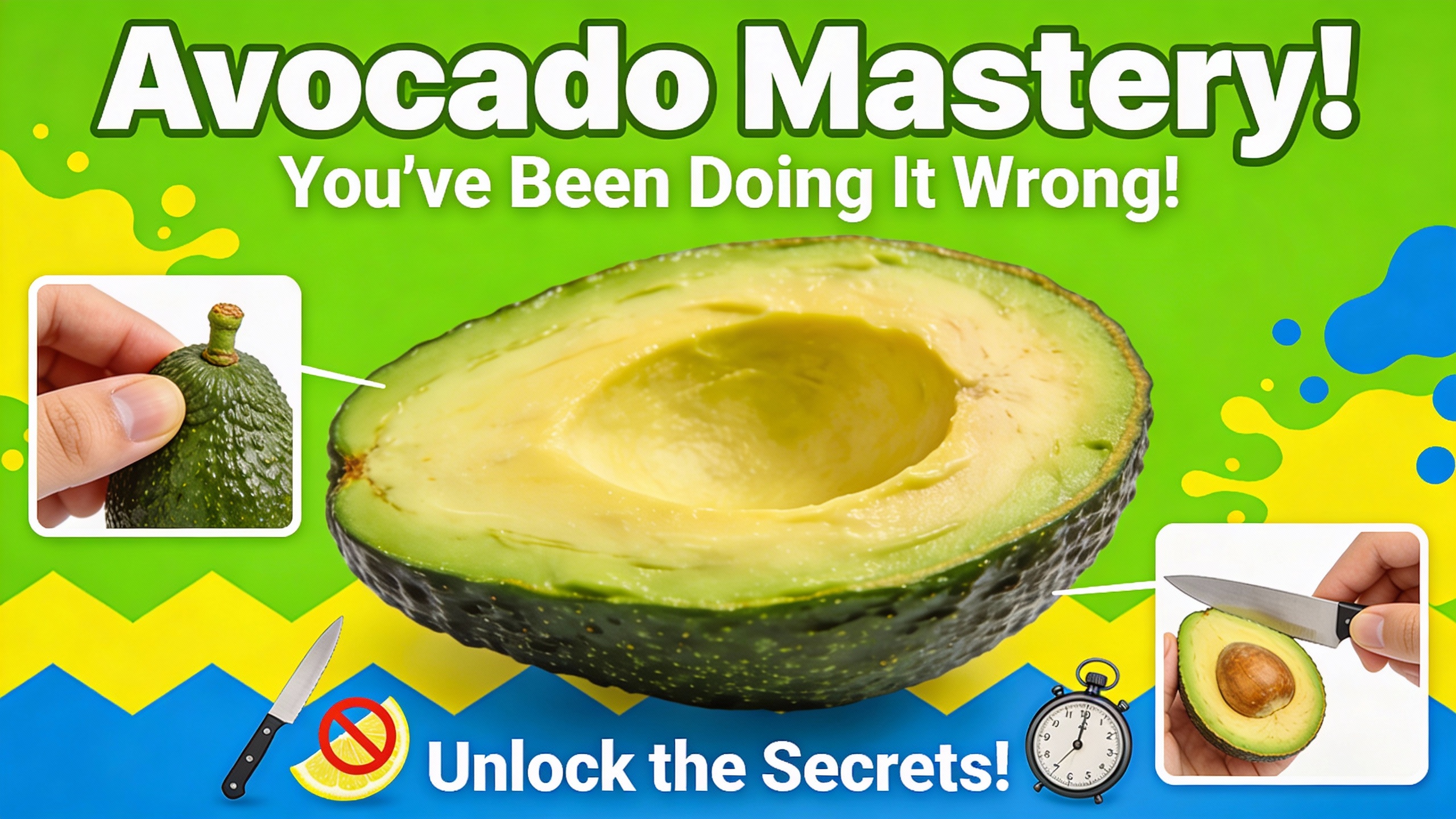
Picture this: You’ve bought a batch of avocados and are ready to make that perfect creamy toast or salad. But then you cut into one that's rock hard or too mushy, or worse, you get that dreaded brown fruit. Avocados seem simple, but there’s an art and some science behind picking, cutting, and storing them to truly enjoy this buttery fruit. I’ve been there—rushing, squeezing, even slicing myself once (ouch!). Let’s dive into the common avocado mistakes that can ruin your snack and how to fix them for consistently perfect results.
Why Patience Pays: Checking and Choosing Ripe Avocados
One of the most common kitchen mistakes with avocados is cutting into them before they’re ripe. It’s tempting to rush, but unripe avocados are hard, flavorless, and tough to work with. If you’ve ever tried to slice or mash an unripe avocado, you know it’s nothing like the creamy, buttery experience you were hoping for. Plus, struggling with a hard avocado increases your risk of injury—another reason to wait for perfect ripeness.
How to Check Avocado Ripeness
Instead of guessing, here are the best ways to check avocado ripeness without damaging the fruit:
Gentle Thumb Press: Don’t squeeze the whole avocado with your hand. This can bruise the delicate flesh inside, even if you don’t see it right away. Instead, use your thumb to gently press on the skin. A ripe avocado will yield slightly to gentle pressure but won’t feel mushy.
Check the Stem: Another simple trick is to look at the small stem at the top. Gently flick it off—if it comes away easily and you see green underneath, your avocado is ready to eat. If it’s brown, the fruit may be overripe. If the stem doesn’t budge, it’s still unripe.
Why Patience Matters
Cutting into an avocado too soon can ruin the whole experience. The flesh will be firm, the taste bland, and you’ll miss out on that signature creamy texture. As the saying goes:
Waiting for your avocado to reach peak ripeness will reward you with creamy, buttery goodness.
It’s worth repeating: avoid the urge to slice into hard, unripe avocados. Let them ripen on your counter until they’re just soft enough to yield to a gentle touch. This patience pays off with perfect avocados every time.
Quick Tips for Perfect Avocados
Store unripe avocados at room temperature.
Check daily with a gentle thumb press.
Use the stem trick for a final check before cutting.
Remember, a gentle touch is key. Gently pressing avocado skin is safer and helps you enjoy the best flavor and texture every time you eat this delicious fruit.
Clean Cuts: The Essential Step of Washing Your Avocados
When it comes to handling avocados, one of the most common kitchen mistakes is skipping the wash before you cut. You might think the thick, bumpy skin is enough to protect the fruit inside, but that’s not the case. The outer skin of an avocado can harbor dirt, bacteria, and pesticide residues. If you don’t wash avocados before slicing, these unwanted substances can easily transfer to the flesh with your knife.
Why You Should Always Wash Avocados
Even though you don’t eat the skin, washing avocados is a crucial step for food safety. Research shows that bacteria and contaminants can cling to the rough surface, and when you cut through, your knife can carry germs straight into the part you eat. This is why proper hygiene is essential, even for fruits with thick skins like avocados.
Food safety first: Washing reduces the risk of contamination, keeping you and your family safe.
Unseen germs: Dirt and bacteria aren’t always visible, so don’t rely on looks alone.
Simple prevention: A quick rinse and scrub can make all the difference.
How to Wash Avocados Properly
Rinse under running water: Hold your avocado under cool, running water. This helps remove loose dirt and debris.
Use a gentle brush: Gently scrub the skin with a soft produce brush. This step is key for removing bacteria and pesticide residues that stick to the rough surface.
Dry with a clean towel: Pat the avocado dry before cutting to avoid slipping and to keep your cutting board clean.
Proper hygiene is essential, even for fruits with thick skins like avocados.
Neglecting this simple step is an easy oversight, but it can lead to unwanted germs ending up in your meal. By making it a habit to wash avocados before you cut, you’re taking an important step in safe food handling. It’s quick, easy, and helps ensure that every bite is as clean and healthy as possible.
The Art of the Avocado Pit: Safe Removal Techniques
One of the most common mistakes in the kitchen is removing the avocado pit incorrectly. Not only can this damage the fruit, but it’s also a leading cause of “avocado hand”—a surprisingly frequent kitchen injury. If you’ve ever tried to stab the pit with a knife or used too much force, you know how risky it can be. Let’s break down the safest ways to remove the pit and keep both your fingers and your avocado intact.
Why You Should Avoid Aggressive Pit Removal
Stabbing the avocado pit aggressively is a recipe for disaster. Many kitchen accidents happen because people try to force the pit out with a sharp knife, often resulting in slips and cuts. This is where the infamous “avocado hand” comes from. Not only is this dangerous, but it can also bruise or crush the delicate flesh of your avocado.
Step-by-Step: The Knife Tap and Twist Method
Here’s the safest and most effective way to remove an avocado pit:
Slice the avocado lengthwise around the pit, making sure to cut all the way through the flesh but not into your hand.
Twist the halves gently in opposite directions to separate them.
Gently tap the pit with the blade of your knife so it sticks into the pit—no need to use excessive force.
With a slight twist of the knife, the pit should come out easily and cleanly.
The safest and most effective method is to slice the avocado in half lengthwise, twist the halves, then gently tap the pit with a knife until it comes out.
The Spoon Method: A Safe Alternative
If you’re not comfortable using a knife, don’t worry—there’s another way. Simply use a spoon to scoop out the pit. Slide the spoon between the pit and the flesh, then gently lift it out. This method is perfect for beginners or anyone concerned about kitchen safety.
Proper pit removal preserves avocado quality and user safety.
Gentle tapping and twisting are key motions to avoid accidents.
Using a spoon is a great alternative for those wary of knives.
Remember, careful technique when you remove the avocado pit keeps your hands safe and your avocados looking their best.
Preserving Avocado Perfection: Storage and Prevention of Browning
When it comes to avocado storage, timing and technique make all the difference. One of the most common mistakes is refrigerating avocados before they’re ripe. The cold temperature actually slows down the ripening process, leaving you with hard, flavorless fruit for much longer than you’d like. If you want your avocados to reach that perfect creamy texture, always let them ripen at room temperature first. Once they’re soft to the touch and ready to eat, you can pop them in the fridge to extend their freshness for a few extra days.
Unripe avocados: Store at room temperature until they yield slightly to gentle pressure.
Ripe avocados: Move to the refrigerator to keep them fresh and slow further ripening.
Improper storage can lead to both premature spoilage and uneven ripening. As the saying goes,
Proper storage ensures the best taste and texture avocados have to offer.
Prevent Browning with Lemon Juice Avocado Tricks
Cutting into an avocado only to see brown flesh can be alarming, but don’t worry—browning is usually just a sign of oxidation, not spoilage. When the avocado’s flesh is exposed to air, it reacts and turns brown. While it might not look the most appetizing, the brown layer is harmless and can be scraped off if you prefer a fresher appearance.
To prevent browning and keep your avocado green and inviting, use this simple trick: brush the exposed flesh with lemon or lime juice. The acidity in the juice slows down oxidation, helping your avocado stay bright and fresh. After adding the juice, cover the avocado tightly with plastic wrap, pressing the wrap directly onto the surface to minimize air contact. Then, store it in the refrigerator.
For cut avocados: Brush with lemon juice, cover tightly with plastic wrap, and refrigerate.
Why it works: Lemon juice’s acidity reduces discoloration and spoilage, while plastic wrap limits air exposure.
Remember, proper avocado storage not only helps prevent browning but also reduces waste and keeps your avocados at their best. With these simple steps, you’ll enjoy perfect avocados every time.
Mind Your Portions and Pairings: Eating Avocados the Right Way
Avocados are a kitchen favorite for their creamy texture and healthy fats, but mastering avocado means paying close attention to portion size, food combinations, and avocado seasoning tips. Even though it’s easy to scoop out the whole fruit and pile it onto your toast or salad, overeating avocados can sneak in more calories and fat than you might expect. While the fats in avocados are the heart-healthy monounsaturated kind, they still add up. For most people, the recommended serving size is about one-third to half of a medium avocado. This way, you can enjoy all the fiber, vitamins, and healthy fats without overindulging. As the saying goes,
Moderation is key to enjoying avocados without overindulging.
Another common mistake is pairing avocados with the wrong ingredients. Their subtle, buttery flavor shines best when matched with savory or mildly sweet foods. Mixing avocados with high-sugar ingredients can clash with their creamy profile, leading to an unbalanced and sometimes unpleasant taste. Instead, stick to classic combinations like tomatoes, onions, cilantro, and a squeeze of lime, or even mild fruits like mangoes. These food combinations help maintain a balanced flavor and let the avocado’s natural taste come forward.
Seasoning is another area where less is often more. Avocados have a delicate flavor that can easily be masked by too much salt or overpowering spices. The best avocado seasoning tips are simple: a pinch of salt, a squeeze of lemon or lime juice, and maybe a sprinkle of black pepper or chili flakes. These additions enhance the avocado’s taste without overwhelming it. Proper seasoning ensures you get the most out of your avocado, whether you’re making guacamole, topping your toast, or adding slices to a salad.
In conclusion, enjoying avocados the right way is all about balance. Stick to a moderate portion size, avoid pairing them with sugary ingredients, and use gentle seasonings to highlight their natural flavor. By following these simple guidelines, you’ll make the most of every avocado and avoid the most common kitchen mistakes. Remember, when it comes to avocados, a little goes a long way—both in taste and nutrition.
TL;DR: Avoid cutting unripe avocados, always wash before slicing, store them right to prevent spoilage, use lemon juice to keep cut avocados fresh, and learn the safe way to remove the pit.
Comments
Post a Comment