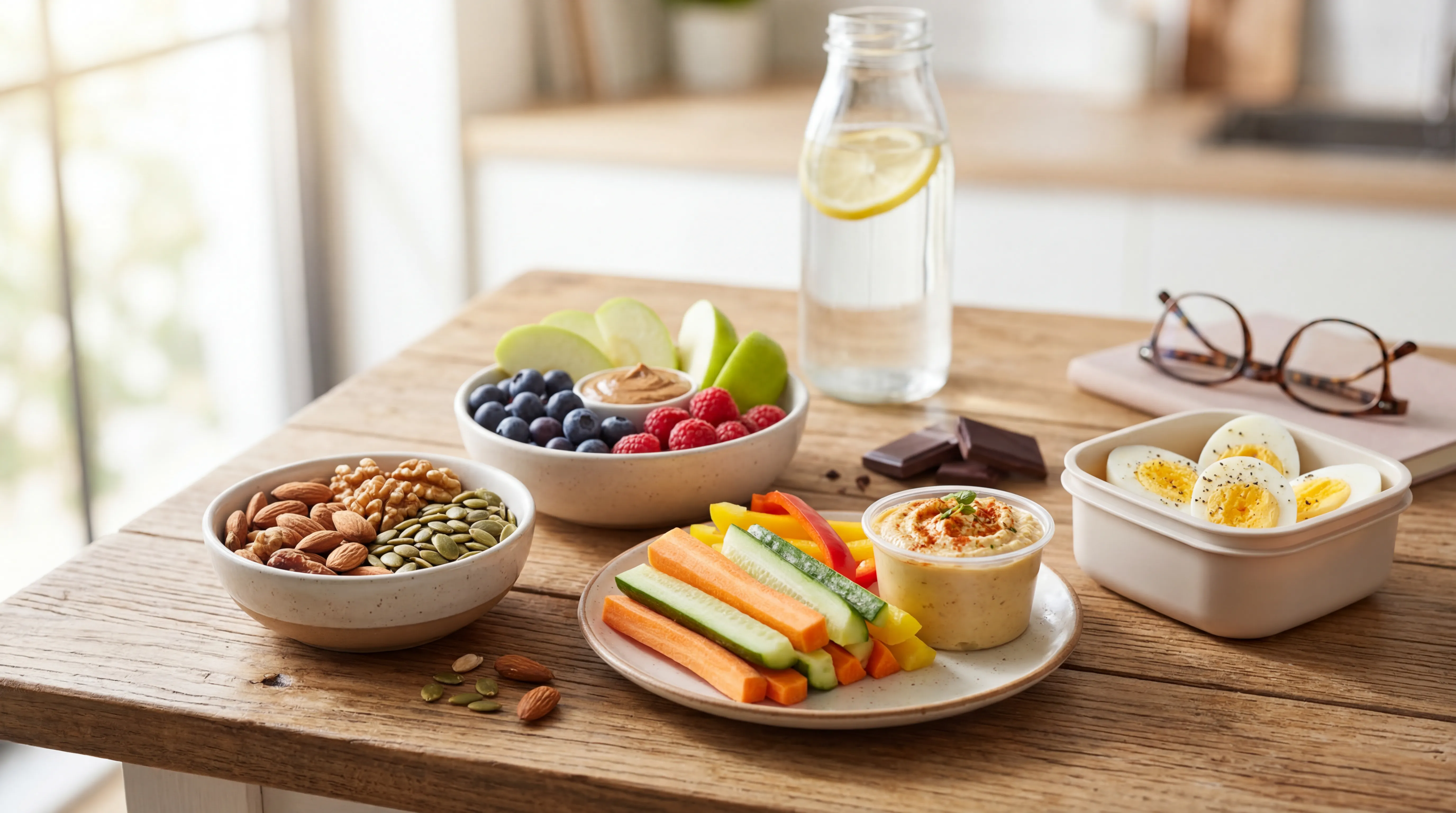
As someone who’s navigated the often-confusing landscape of healthy eating, I can vividly remember the time I discovered the power of thoughtful snacking. Gone are the days when I mindlessly munched on chips during my Netflix marathons. Now, armed with the right knowledge about nutrition, I’ve turned snacking into an art form that supports my weight-management journey. That's why I recently delved into Healthline's comprehensive coverage on the topic of snacking, uncovering some surprising truths and practical tips that can empower anyone looking to make healthier choices.
The Role of Snacking in Weight Management
Snacking often gets a bad reputation when it comes to weight management, but the reality is more nuanced. When done thoughtfully, snacking can actually support fullness, improve nutrient intake, and help keep hunger at bay between meals. The key lies in choosing nutrient-dense snacks that combine protein, fiber, and healthy fats while controlling portions.
Why Snacking Can Be Beneficial for Fullness
One of the main benefits of snacking is its potential to help manage hunger throughout the day. Eating smaller amounts more frequently can prevent extreme hunger that sometimes leads to overeating at main meals. Some studies suggest that increasing meal frequency by adding snacks may improve appetite control and even help regulate blood sugar levels.
However, it’s important to note that evidence on snacking’s direct impact on weight loss is mixed. No single snack or increased meal frequency guarantees weight loss on its own. Instead, snacks should be viewed as tools to support overall eating patterns that promote fullness and steady energy levels.
How Snacking Supports Nutrient Intake
Snacks provide an excellent opportunity to boost your intake of important nutrients without adding excessive calories. Choosing nutrient-dense snacks—those rich in vitamins, minerals, protein, fiber, and healthy fats—helps fill nutritional gaps between meals.
For example:
- Protein-rich options, like Greek yogurt with berries or hard-boiled eggs, promote satiety and muscle maintenance.
- Fiber-packed choices, such as raw vegetables with hummus or roasted chickpeas, aid digestion and keep you feeling full longer.
- Healthy fats, found in nuts or avocado-based snacks like guacamole with red bell pepper slices, support heart health and enhance flavor satisfaction.
The variety of snack ideas—from fresh fruit paired with nut butter to whole grain toast topped with canned fish—illustrates how diverse nutrient-dense snacks can be incorporated into daily life. These options not only satisfy hunger but also contribute valuable antioxidants and other micronutrients essential for overall health.
The Importance of Portion Control in Snacking
While snacking has clear benefits when chosen wisely, portion control remains critical for effective weight management. Many popular snack foods are calorie-dense; for instance, nuts contain healthy fats but are also high in calories if eaten in large amounts. A typical serving size—for example, about one ounce (28 grams) or a quarter cup—is enough to enjoy their benefits without excess calorie intake.
Planning ahead helps maintain portion control by preventing impulsive choices or overeating out of convenience or boredom. Preparing measured servings of snacks like celery sticks with cream cheese or air-popped popcorn ensures you stay within your calorie goals while still enjoying satisfying bites between meals.
Avoiding empty-calorie snacks—those high in added sugars or unhealthy fats but low in nutrients—is equally important. While treats have their place occasionally, relying on them regularly can undermine fullness cues and lead to poor nutrition quality overall.
A Balanced Approach: Healthy Snacks vs Empty-Calorie Options
The balance between choosing healthy versus empty-calorie snacks plays a significant role in managing weight effectively:
- Nutrient-dense snacks: These include options like cottage cheese with tropical fruit (providing protein plus fiber), kale chips seasoned lightly with olive oil (offering antioxidants), or turkey roll-ups wrapped around veggies (high-quality protein plus crunch).
- Empty-calorie options: Snacks heavy on refined sugars or processed ingredients tend not to support fullness well and may increase cravings later on—for example candy bars or chips loaded with salt without much nutritional value.
Aiming for two to three planned nutrient-rich snacks per day can bridge the gap between meals effectively while supporting sustained energy levels throughout the day.
Summary of Key Points:
- Snacking supports fullness: Thoughtful snacking helps prevent excessive hunger by spreading food intake across the day.
- Nutrient intake improves: Snacks rich in protein, fiber, and healthy fats contribute essential nutrients often missed during main meals alone.
- Portion control matters: Keeping snack sizes moderate prevents unnecessary calorie surplus while maintaining satisfaction from each bite.
- Avoid empty calories: Focus on minimally processed foods rather than sugary or highly processed items for better appetite regulation and nutrition quality.
- Plan ahead: Preparing balanced snack portions reduces impulsive eating decisions that could derail progress toward weight-management goals.
If approached strategically—with attention to what you eat as well as how much—snacking becomes a valuable part of a sustainable weight management plan rather than an obstacle. Incorporating these principles allows you to harness the benefits of smart snacking while avoiding common pitfalls associated with mindless nibbling throughout the day.
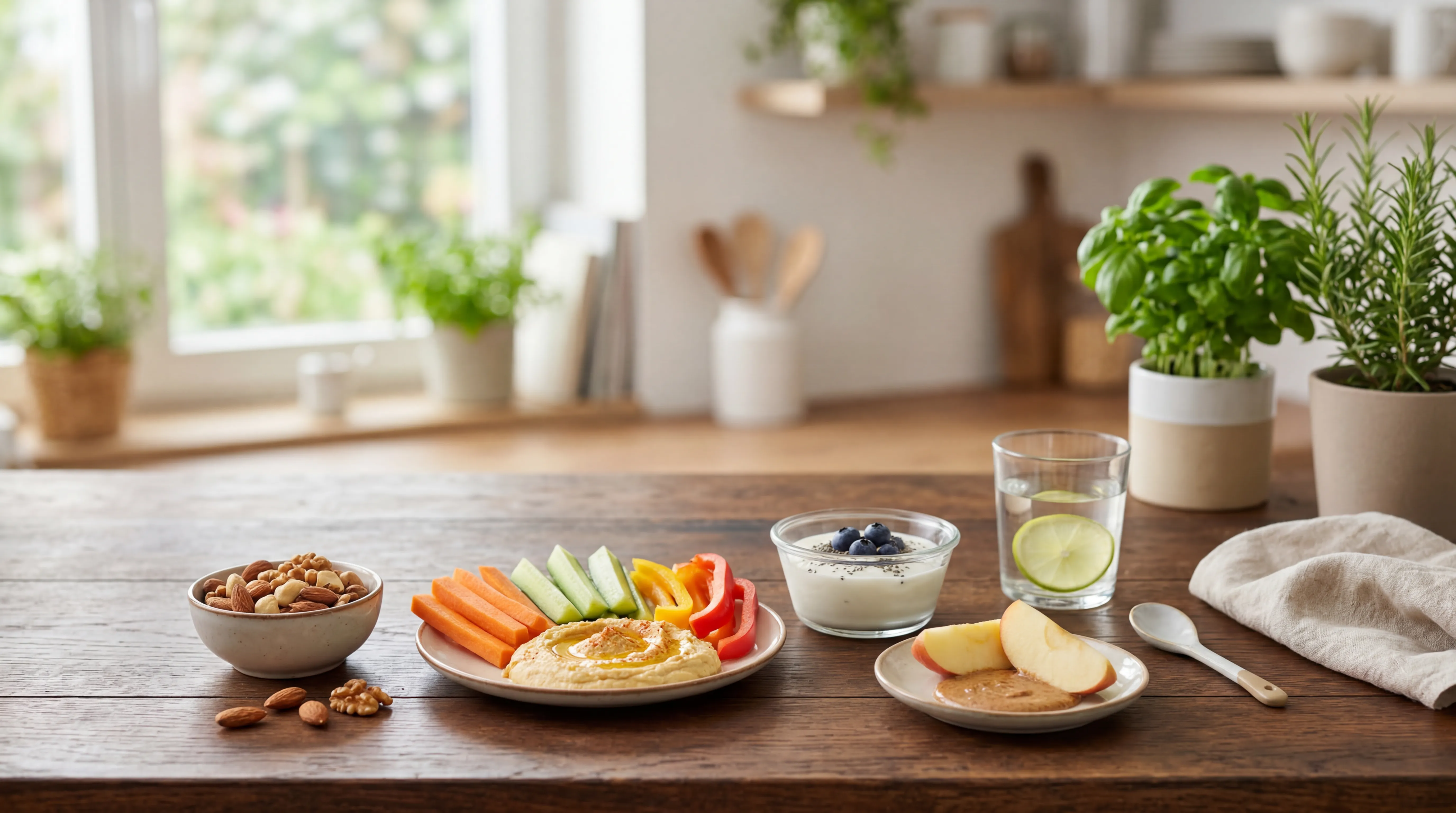
Crafting a Balanced Snack Menu: Top Picks
When it comes to smart snacking for weight management, I’ve found that focusing on protein snacks, fiber-rich snacks, and healthy fats in snacks makes all the difference. These components help keep me full longer, stabilize blood sugar, and provide essential nutrients without excess calories. Below, I share my top picks from a comprehensive list of 29 snack ideas that balance taste, nutrition, and portion control.
Highlighting Protein-Rich Snack Options
Protein is key for satiety and muscle maintenance. Some of my favorite protein-packed snacks include:
- Greek yogurt with mixed berries: A classic combo where the yogurt offers about 10–15 grams of protein per serving, while berries add antioxidants and fiber. Mixing different colored berries boosts nutrient variety.
- Cottage cheese with fruit: One cup provides roughly 25 grams of protein. Tropical fruits like pineapple or papaya add sweetness and fiber without many calories.
- Hard-boiled eggs: Each egg has around 6 grams of protein plus vitamin D and choline from the yolk. Moderation is wise due to cholesterol content.
- Beef jerky or beef sticks: Portable options offering about 9 grams of protein per ounce (28 g). Choosing low-sodium versions helps keep sodium intake in check.
- Edamame: One cup delivers approximately 18 grams of plant-based protein along with fiber—perfect for a filling snack.
- Dairy pairings like cheese with crackers or fruit: Cheese adds high-quality protein; pairing it with fiber-rich crackers or fruit balances the snack well.
I often prepare turkey roll-ups by wrapping turkey slices around veggies and cheese—a quick way to get lean protein plus crunch and flavor in one bite.
Creative Ways to Include Fiber in Snacks
The role of fiber in snacks is crucial for fullness and digestive health. Here are some creative ideas I use to boost fiber intake throughout the day:
- Cucumber slices with hummus: The cucumbers offer hydration and mild flavor while hummus contributes plant-based protein, healthy fats, and fiber—about two tablespoons paired with one cup cucumber totals ~100 calories.
- Kale chips: Baking kale tossed lightly in olive oil creates a crunchy treat rich in antioxidants and fiber without many calories.
- Pear slices paired with ricotta cheese: Pears provide soluble fiber; ricotta adds creamy texture plus protein for satiety.
- Berries mixed into chia pudding: Chia seeds are an excellent source of both soluble fiber and omega-3 fatty acids; soaking them overnight yields a gel-like pudding that’s easy to customize with fruits or spices.
- A homemade trail mix: Combining unsweetened dried fruits (for natural sweetness) with nuts gives you both soluble fiber and healthy fats—but watch portions as this mix can be calorie-dense.
I find adding cinnamon or cocoa powder to oatmeal also enhances flavor while increasing its already impressive fiber content—plus you can top it off with fresh fruit or nuts for extra nutrients.
Healthy Fats That Make Snacks Delicious
No balanced snack menu would be complete without healthy fats—they improve nutrient absorption, promote fullness, and add satisfying flavors. Here are some tasty ways I incorporate them into my snacking routine:
- Mixed nuts (1 ounce/28 g):
A perfect blend of fats, proteins, and fibers but high-calorie so portion control is key—about a quarter cup keeps calories manageable while supporting fullness. - Slices of red bell pepper dipped in guacamole (1 large pepper +¼ cup guacamole): This combo stays under 200 calories yet packs antioxidants from peppers alongside heart-healthy monounsaturated fats from avocado.
.
- < td>Cottage cheese + tropical fruit
< / td >< td >1 cup cottage cheese + fruit serving
< / td >< td ~200 kcal
< / td >< td Protein (~25g), vitamins C/fiber
< / td >< td>Kale chips
< / td >< td ~1 cup baked kale w/ olive oil
< / td >< td ~100 kcal
< / td >< td Fiber , antioxidants , healthy fat
< / td >< td>Cucumber slices + hummus
< / td >< td >1 cup cucumber +2 tbsp hummus
< / td >< td ~100 kcal
< / td >< td Fiber , plant-protein , healthy fat
< / td >< t d>Pear slices + ricotta cheese
< / t d >< t d>Slices from medium pear+2 tbsp ricotta
< / t d >< t d>>150 kcal
< / t d >< t dFiber ,protein , calcium
< / t d >< t d>M ixed nuts
Portion control critical due to calorie density.
I usually measure out exactly one ounce so I don’t overdo it.
This small handful satisfies hunger nicely between meals.
A personal favorite combo is apple slices spread thinly with natural peanut butter —the sweet crunch pairs perfectly with creamy nut butter’s healthy fat and plant-based protein!.
Planning ahead helps me avoid grabbing less nutritious options when hunger strikes unexpectedly.
Keeping these balanced snacks handy supports steady energy levels throughout busy days.
This selection represents just part of the diverse list available but highlights how combining sources rich in protein snacks like Greek yogurt or edamame; creative ways to include more fibrous vegetables such as kale chips or celery sticks; alongside delicious doses of healthy fats found naturally within nuts or avocado can create satisfying mini-meals that support weight-management goals effectively when eaten mindfully within calorie needs.
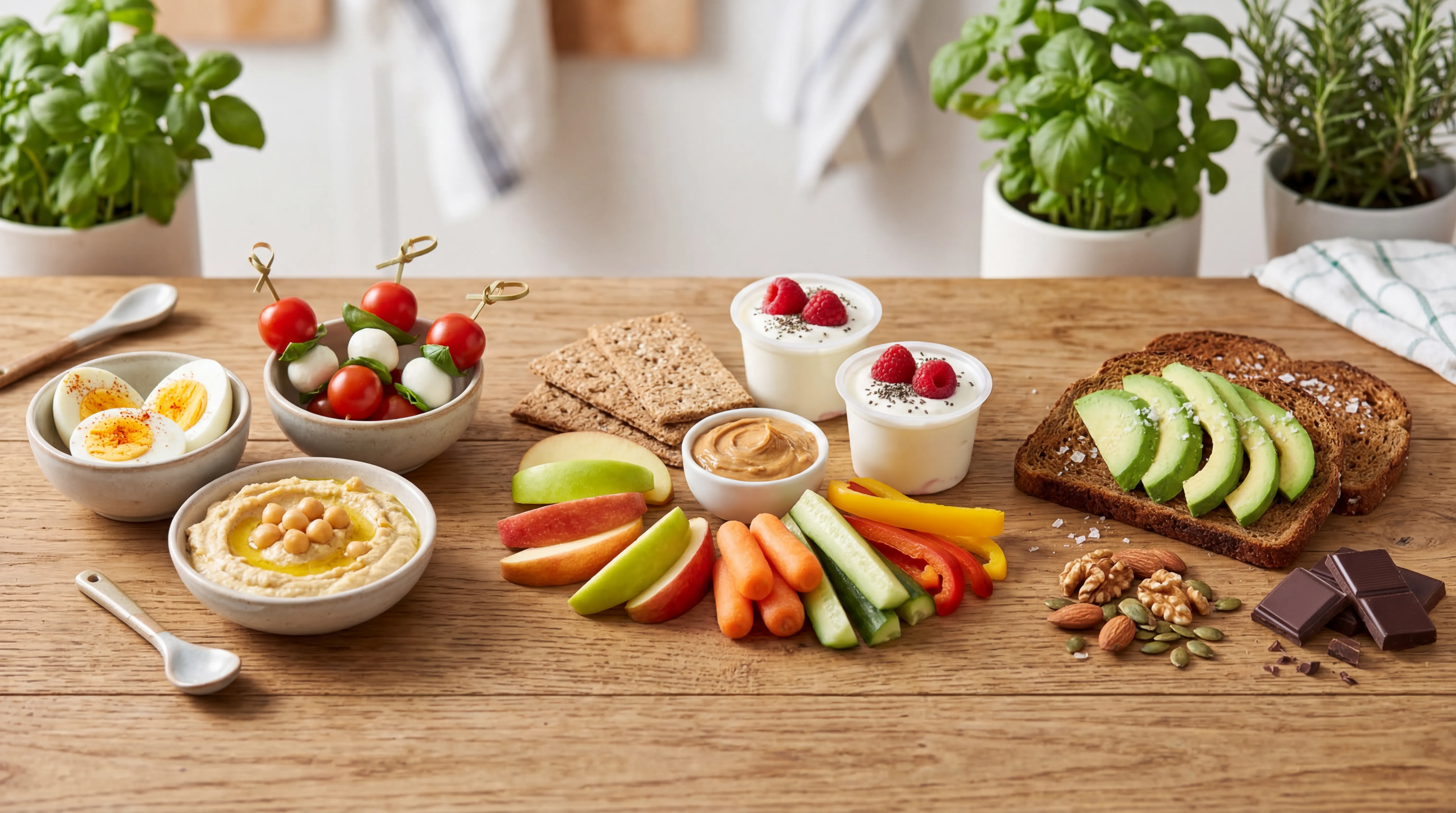
Strategies for Effective Snacking: Planning Ahead
When it comes to managing weight, snacking often gets a bad reputation. However, when done thoughtfully, snacking can be a valuable part of a healthy eating pattern. From my review of Healthline’s coverage and related resources, I’ve learned that planning ahead is key to making snacks work in your favor. By preparing two to three snacks in advance each day, you can support fullness, improve nutrient intake, and avoid impulsive food choices that might derail your goals.
Meal prep for snacks is an effective strategy that helps you stay on track even during busy days. Setting aside some time each week or day to prepare easy healthy snacks means you’ll always have nutritious options ready when hunger strikes. This reduces the temptation to grab processed or high-calorie convenience foods on the go.
A practical approach is to incorporate snack prep into your regular meal planning routine. For example, chopping vegetables like celery sticks or bell pepper strips and pairing them with dips such as hummus or guacamole can be done in bulk and stored in portioned containers. Similarly, assembling small snack packs of mixed nuts (about one ounce) or portioning out servings of Greek yogurt with berries ensures you have balanced options rich in protein, fiber, and healthy fats.
Another tip is creating a dedicated “snack station” at home—a shelf or drawer stocked with pre-portioned snacks like roasted chickpeas, whole wheat crackers paired with cheese slices, or hard-boiled eggs ready to grab quickly. Having these items visible and accessible encourages mindful snacking rather than mindless munching.
The psychological benefits of preparing snacks ahead cannot be overstated. Knowing that you have satisfying options waiting helps reduce stress around food choices and prevents overeating later due to excessive hunger. It also fosters a sense of control over your eating habits which supports long-term adherence to weight management goals.
When you’re out and about or facing unpredictable schedules, having portable snacks prepared makes it easier to make healthful choices on-the-go. Options like fruit paired with nut butter (such as apple slices with peanut butter), beef jerky sticks low in sodium and sugar, or homemade trail mix combine convenience with nutrition so you don’t compromise quality for speed.
Planning ahead also allows you to tailor your snack selections based on your daily calorie needs and preferences while ensuring variety from different food groups—fruits, vegetables, dairy products like cottage cheese or Greek yogurt, nuts and seeds for healthy fats—and plant- or animal-based proteins. This balance supports satiety between meals without excess calories.
I find that integrating these strategies into my routine not only simplifies decision-making but also enhances enjoyment by allowing me to experiment with different flavor combinations—from spicy avocado sprinkled with cayenne pepper to cantaloupe wrapped in prosciutto—keeping snacking interesting rather than monotonous.
Ultimately, no single snack will cause weight loss alone; rather it’s the consistent practice of choosing nutrient-dense foods thoughtfully combined within an overall balanced diet that matters most. Planning two to three smart snacks per day aligns well with this philosophy by helping manage hunger cues effectively while boosting intake of essential nutrients through minimally processed ingredients.
If you're looking for inspiration on what kinds of easy healthy snacks fit this approach best, consider exploring lists like the 29 snack ideas I reviewed—ranging from kale chips drizzled lightly with olive oil for antioxidants and fiber; protein smoothies fortified with Greek yogurt; edamame pods packed full of plant protein; all the way through leftovers repurposed creatively as quick bites—all designed around principles proven helpful for weight management.
In summary, effective snacking starts long before hunger hits. Taking time upfront for meal prep focused on wholesome snack options empowers better choices throughout the day whether at home or away. It reduces impulsivity driven by sudden cravings while supporting steady progress toward maintaining a healthy weight.
By embracing planning as part of your lifestyle—not just reacting moment-to-moment—you create sustainable habits that nourish both body and mind.
Smart snacking doesn’t have to be complicated; it just requires preparation aligned with simple principles: prioritize protein + fiber + healthy fats + portion control + convenience.
With these strategies in place,snacks become allies instead of obstacles, helping you feel satisfied longer between meals without sacrificing taste or nutrition—even amidst life’s busiest moments.
TL;DR: Smart snacking can support weight management when planned with a focus on protein, fiber, and healthy fats while controlling portions.
| Snack Idea | Recommended Serving Size | Approximate Calories | Key Nutrients |
|---|---|---|---|
| Mixed nuts | 1 ounce (28 g) / ~¼ cup | 160–170 kcal | Healthy fats, protein, fiber |
| Red bell pepper + guacamole | 1 large pepper +¼ cup guac (60 g) | <200 kcal | Antioxidants, healthy fats |
| Greek yogurt + mixed berries | ½–1 cup yogurt + handful berries | 150–200 kcal depending on portions | Protein, antioxidants, fiber |
Comments
Post a Comment