
Have you ever looked in the mirror and wondered how you could defy the ticking clock? It’s a common thought, especially as we age. While scrolls through social media often present quick fixes for youthful vitality, few mention the powerhouse behind genuine cellular health: NAD (Nicotinamide adenine dinucleotide). Join me as we delve into this remarkable molecule and its crucial role in helping you age with grace and vitality.
Understanding NAD: The Key to Longevity
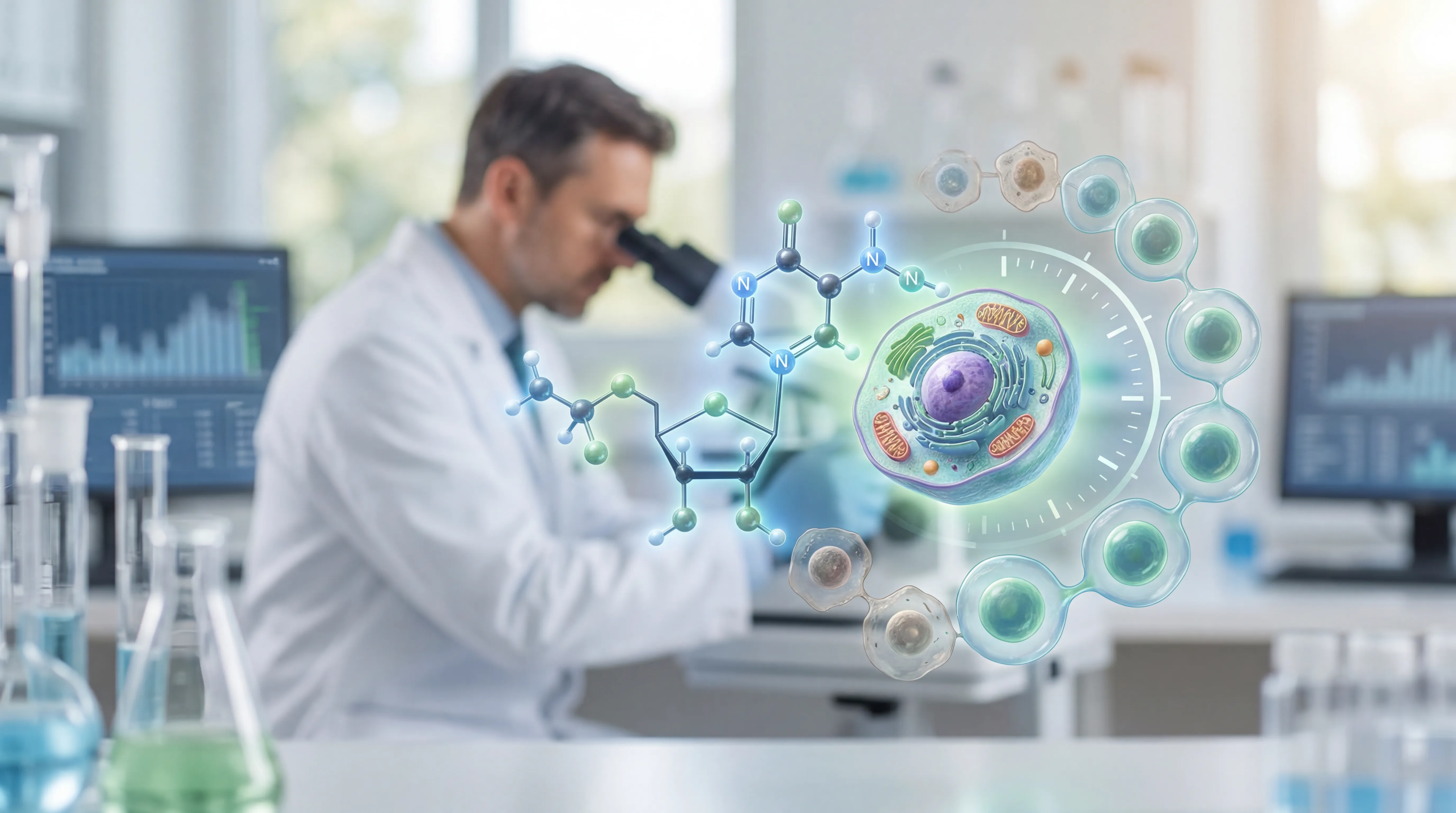
Imagine a tiny molecule inside your cells that acts like a master switch, controlling hundreds of vital processes that keep you healthy and energetic. This molecule is NAD, or Nicotinamide Adenine Dinucleotide, and it plays a crucial role in cell longevity and healthy aging.
What Is NAD and Why Is It Important?
NAD is a cofactor found in every living cell. Think of it as an essential helper that powers up enzymes responsible for energy production, DNA repair, and cellular communication. Without enough NAD, your cells struggle to perform these tasks efficiently.
This molecule participates in hundreds of cellular processes daily. One of its most important roles is helping mitochondria—the powerhouses of your cells—convert nutrients into energy. Additionally, NAD supports the activity of sirtuins, often called "longevity enzymes," which regulate inflammation, metabolism, and repair damaged DNA.
The Link Between NAD Levels and Aging
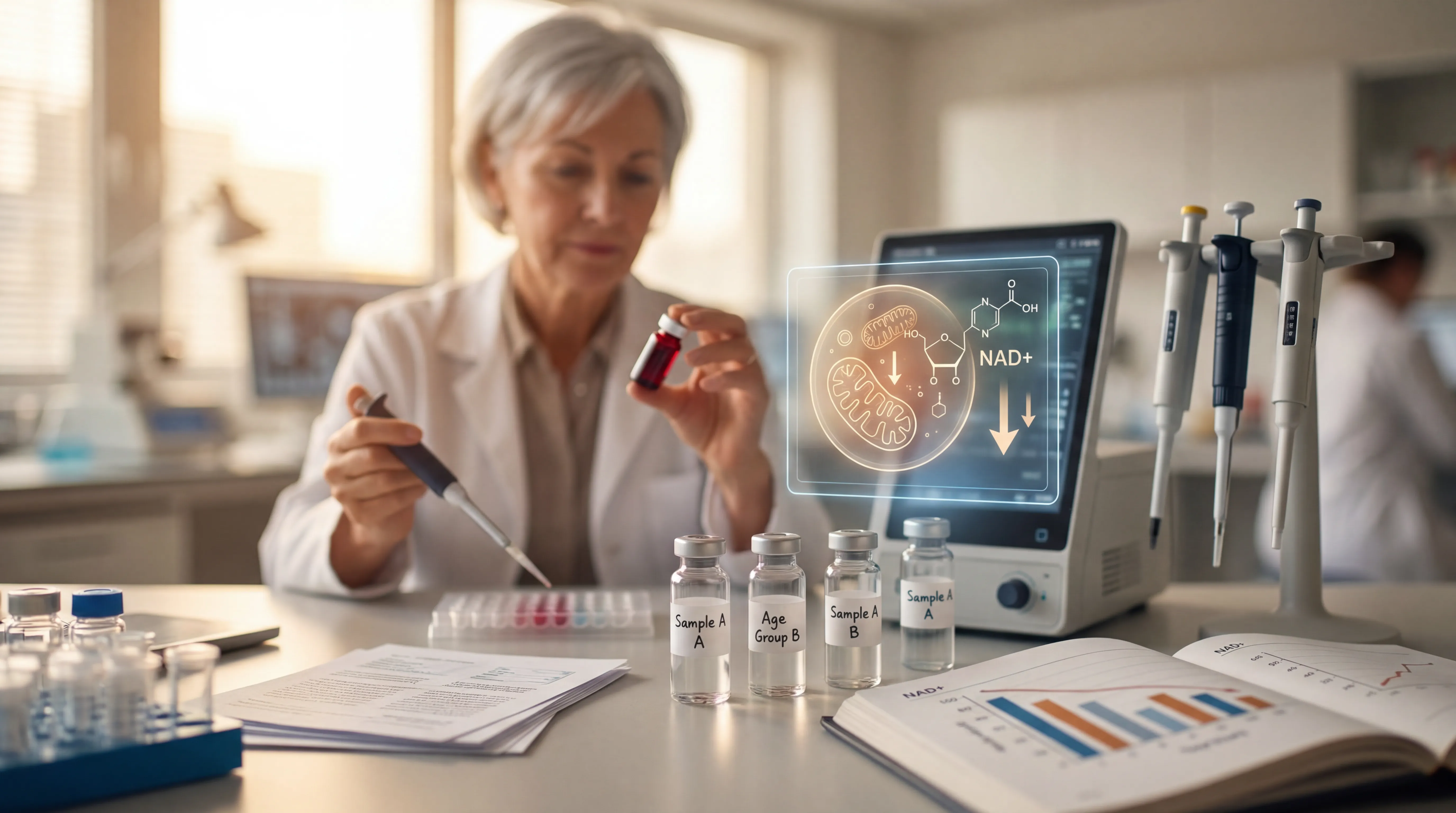
As you age, your body's natural levels of NAD gradually decline. This drop means your cells lose some ability to generate energy effectively and repair themselves properly. Imagine trying to fix a car with fewer tools; repairs take longer or might not happen at all.
This decline creates a challenge because the need for cellular maintenance actually increases over time. Your body faces more stress from environmental factors, lifestyle habits, and natural wear-and-tear—all requiring efficient repair mechanisms fueled by NAD.
“Aging isn’t just about looking older—it’s about how well your body can maintain strength and health,” explains Dr. A.
Key Cellular Processes Supported by NAD
- Energy Production: Converts food into usable energy through mitochondrial function.
- DNA Repair: Helps fix damage caused by daily exposure to toxins or radiation.
- Sirtuin Activation: Regulates genes involved in metabolism and inflammation control.
- Cellular Signaling: Enables communication between cells to respond appropriately to stress or injury.
Your body's ability to stay youthful at the cellular level depends heavily on maintaining adequate NAD levels throughout life. Supporting this molecule means supporting the very foundation of healthy aging—keeping your cells energized, repaired, and functioning optimally as time goes on.
The Aging Process: NAD's Decline and Its Impact
As you journey through life, your body undergoes countless changes, many of which are tied closely to the natural aging process. One of the most significant shifts happens at the cellular level, where a vital molecule called NAD (Nicotinamide Adenine Dinucleotide) begins to decline. Understanding how this decline affects your body can empower you to take steps toward maintaining your health and vitality.
How Aging Affects NAD Levels in the Body
NAD is essential for numerous cellular functions, including energy production, DNA repair, and communication between cells through pathways like SIRTUIN enzymes—often dubbed "longevity enzymes." However, as you age, especially entering your 60s and beyond, your body's NAD levels naturally drop. This decrease isn’t just a minor detail; it’s a key factor that influences how efficiently your cells operate.
Think of NAD as a fuel that powers the engine of your cells. When there’s less fuel available, the engine runs less smoothly. Your body's innate repair mechanisms demand more NAD over time to keep up with increasing wear and tear. Unfortunately, with declining NAD levels, these repair processes slow down.
Consequences of Reduced NAD in Cellular Function
- Decreased Energy Production: Lower NAD means mitochondria—the powerhouses of cells—produce less energy. This can leave you feeling fatigued or less active than before.
- Impaired DNA Repair: DNA damage accumulates faster when there isn't enough NAD to support repair enzymes. This can contribute to aging signs and increase disease risk.
- Diminished Cellular Communication: Cells rely on signals mediated by sirtuins for proper function. Reduced NAD disrupts this signaling network, affecting metabolism and inflammation control.
The Importance of Maintaining NAD Levels Over Time
Your overall health hinges on keeping adequate NAD levels as you age. When maintained properly, sufficient NAD supports longevity by enhancing cellular function and resilience against age-related decline. It’s not just about looking younger—it’s about feeling stronger and living better every day.
This understanding highlights why boosting or preserving your body's NAD supply is crucial for healthy aging. By supporting these cellular processes effectively, you help ensure that your body continues working efficiently well into later years.
Boosting NAD Naturally: Diet and Supplements
As you explore ways to support your body’s natural aging process, understanding how to boost NAD levels can be a real game changer. Since NAD is closely linked to Vitamin B3, focusing on dietary sources rich in this vitamin is a great starting point.
Dietary Sources Rich in Vitamin B3
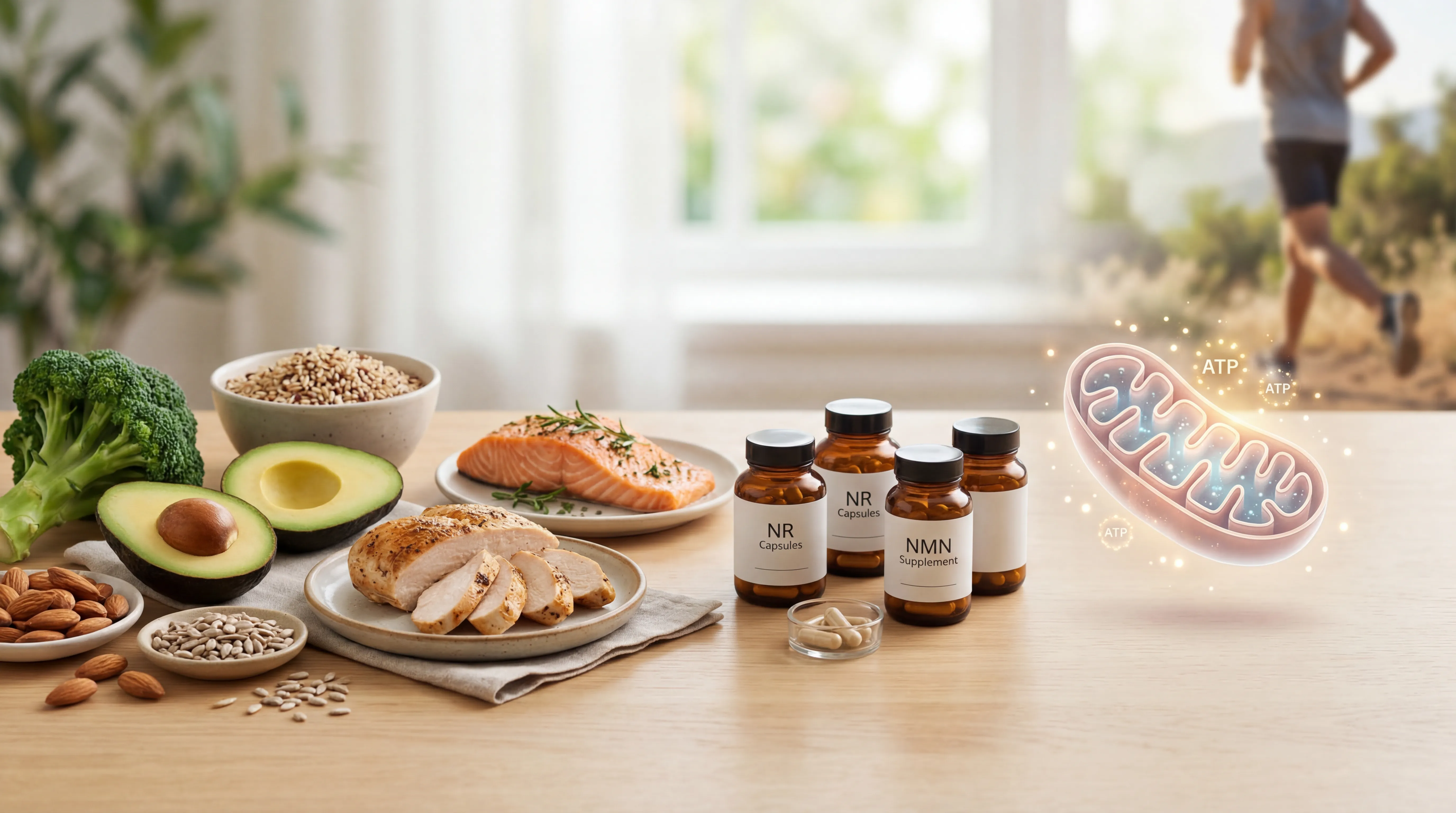
Vitamin B3, also known as niacin, is essential because it acts as a critical precursor for NAD synthesis in your cells. Including foods high in Vitamin B3 can naturally support your body's ability to maintain healthy NAD levels. Some excellent dietary sources include:
- Poultry: Chicken and turkey are packed with niacin.
- Fish: Tuna, salmon, and anchovies provide substantial amounts of Vitamin B3.
- Nuts and Seeds: Peanuts and sunflower seeds are good plant-based options.
- Whole Grains: Brown rice, barley, and wheat contain moderate levels of niacin.
- Legumes: Lentils and beans contribute beneficial amounts of Vitamin B3.
NAD Supplements: Nicotinamide and NMN
If you want to take a more targeted approach beyond diet alone, supplements can effectively enhance your NAD levels. Two popular options stand out:
- Nicotinamide (Niacinamide): This form of Vitamin B3 is favored because it closely follows the natural pathway to produce NAD within your cells. It supports cellular repair mechanisms without causing the flushing effect sometimes associated with plain niacin.
- Nicotinamide Mononucleotide (NMN): NMN is a direct precursor to NAD that has gained attention for its ability to raise NAD levels more efficiently. Studies link NMN supplementation with sharper cognitive function and improved energy metabolism.
You might also hear about nicotinamide riboside supplements or intravenous NAD treatments; these are typically considered for more advanced needs or clinical settings but highlight the growing interest in maintaining optimal NAD status.
Mitochondrial Health and Energy Production
Your mitochondria—the powerhouses of your cells—depend heavily on adequate NAD levels to generate energy efficiently. By boosting NAD through diet or supplements like nicotinamide or NMN, you help sustain mitochondrial function. This not only supports better energy production but also enhances overall cellular health as you age.
Taking steps today by incorporating Vitamin B3-rich foods or considering quality NAD supplements could empower you on your journey toward healthier aging with more vitality every day.
Real-Life Applications: Personal Stories of NAD Success
When you start exploring the world of NAD and its impact on aging, hearing personal stories can be incredibly motivating. Many people have shared how supporting their NAD levels has led to noticeable improvements in their well-being, energy, and overall health.
Anecdotes Showcasing Improved Well-Being from NAD Support
Take Sarah’s experience, for example. In her late 50s, she began feeling constantly fatigued and found it hard to keep up with daily activities. After learning about NAD and incorporating niacinamide supplements into her routine, she noticed a significant boost in her energy within weeks. Sarah describes feeling more vibrant and mentally sharp — changes that made a real difference in her quality of life.
Similarly, Mark, a 45-year-old fitness enthusiast, focused on enhancing his diet with Vitamin B3-rich foods like chicken breast and mushrooms while adding nicotinamide riboside supplements. Over several months, he reported better endurance during workouts and quicker recovery times. For Mark, maintaining optimal NAD levels became a key part of sustaining his active lifestyle as he ages.
Experiences with Dietary Changes and NAD Supplements
You might find it encouraging that many individuals don’t rely solely on supplements but also embrace dietary changes to support their NAD production naturally. Foods rich in niacin (Vitamin B3) such as turkey, peanuts, and green peas are common additions to their meals.
- Jessica’s Story: She started by adjusting her diet to include more B3 sources alongside moderate exercise. Within months, she felt less sluggish during the day.
- David’s Approach: He combined NMN supplementation with mindful eating habits focused on whole foods. This combination helped him maintain steady energy levels throughout his busy workdays.
Long-Term Benefits of Maintaining NAD Levels
The long-term benefits shared by these individuals highlight how consistent attention to NAD can contribute not just to short-term vitality but also to sustained cellular health over time.
"Since I began supporting my NAD levels regularly," says Emily, "I’ve experienced fewer aches and an overall sense of wellness that keeps me motivated every day."
This growing collection of personal stories underscores the potential for improved well-being through simple yet effective strategies aimed at boosting your body’s natural repair mechanisms via NAD support.
Conclusion: Embracing NAD for a Healthier Future
As you’ve journeyed through the fascinating world of NAD and its connection to aging, it becomes clear that understanding the importance of NAD is key to unlocking healthier, more vibrant years ahead. Aging is inevitable, but how you age can be influenced by the choices you make today. NAD plays a vital role in this process by supporting your body’s natural repair systems, energy production, and cellular communication—all essential elements for healthy aging.
Your body’s NAD levels naturally decline over time, which can slow down crucial functions like DNA repair and metabolic balance. This decline doesn’t just affect how you look; it impacts your overall strength, vitality, and quality of life. By embracing strategies to maintain and enhance your NAD levels—whether through a balanced diet rich in Vitamin B3 or targeted supplementation with compounds like nicotinamide riboside or NMN—you take proactive steps toward preserving your health as you grow older.
The future of health lies in recognizing these molecular foundations that govern our well-being. Emerging research continues to shed light on how boosting NAD can help combat age-related diseases and improve cellular function. Scientists are exploring innovative ways to harness NAD’s power, from advanced supplements to intravenous therapies designed for rapid restoration.
What makes this journey even more exciting is that maintaining optimal NAD levels isn’t just about chasing youth—it’s about empowering yourself with the tools needed to thrive at any age. It’s about enhancing your energy, resilience, and mental clarity so that each day feels fuller and more rewarding.
So as you move forward, remember that embracing the science behind NAD offers a promising path toward a healthier future. By staying informed, making mindful nutritional choices, and considering supplementation when appropriate, you’re investing in longevity—not just adding years to life but adding life to those years.
Keep exploring trusted sources like Dr. A’s channel for ongoing insights into this evolving field. Your commitment today could transform how you experience aging tomorrow—making healthy aging not just an aspiration but a reality within your reach.
TL;DR: NAD is vital for healthy aging by supporting cellular repair, energy production, and longevity through balanced nutrition and supplementation.
Comments
Post a Comment