Are you ready to unlock your full potential and push your limits further than ever before? Endurance training isn’t just for athletes—it’s for anyone who wants to boost energy, improve health, and feel stronger every day.
Imagine powering through your workouts with ease, having the stamina to tackle long days, and recovering faster afterward. This article will show you simple, effective ways to build your endurance step by step. Keep reading, and discover how you can transform your body and mind with endurance training.
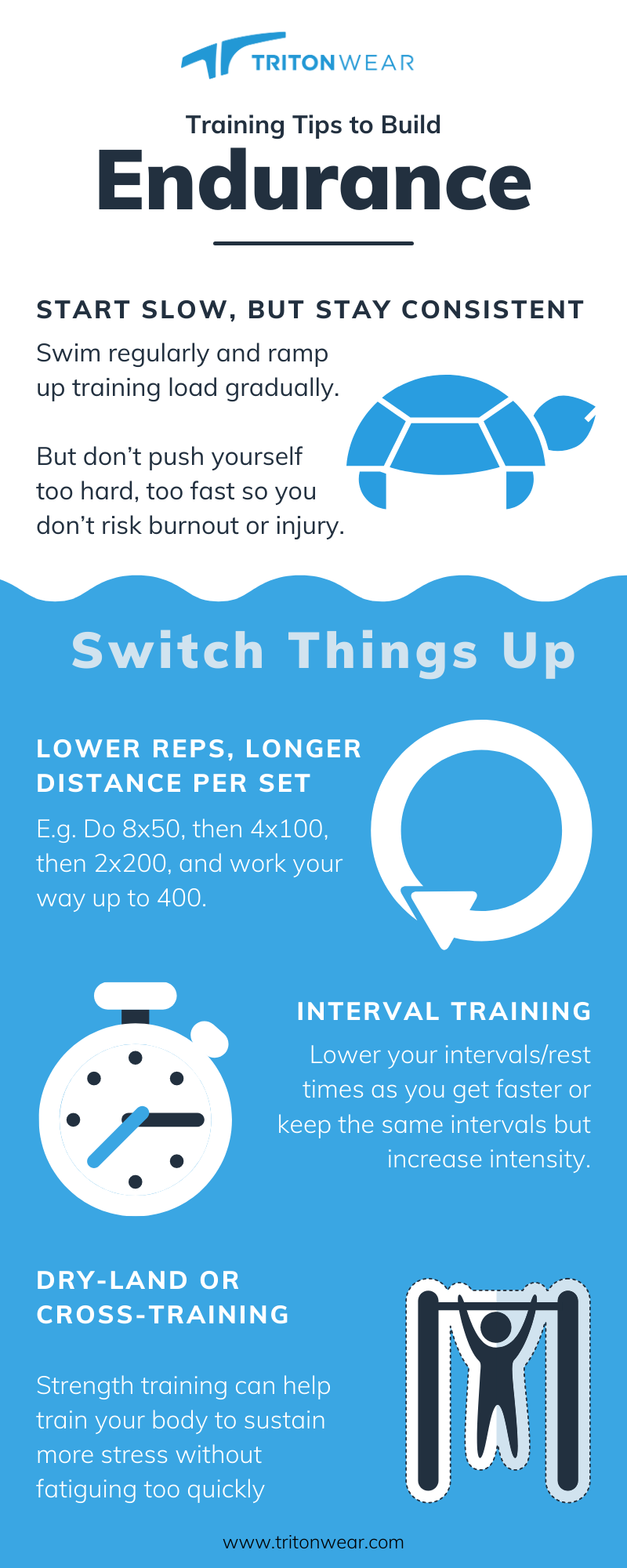
Credit: blog.tritonwear.com
Benefits Of Endurance Training
Endurance training offers many benefits for both body and mind. It helps improve your overall health and daily performance. Regular endurance exercises build strength and stamina, allowing you to do activities longer without fatigue. This type of training also supports long-term wellness by reducing risks of diseases.
Improved Cardiovascular Health
Endurance training strengthens the heart muscle. It helps the heart pump blood more efficiently. This lowers blood pressure and reduces bad cholesterol. Better blood flow means more oxygen reaches your muscles. These changes reduce the risk of heart attacks and strokes. A stronger cardiovascular system supports all body functions.
Enhanced Mental Toughness
Endurance training builds mental strength and focus. It teaches you to push through discomfort and fatigue. This mental toughness helps in stressful situations. Training regularly can improve mood and reduce anxiety. It also increases your ability to concentrate. These benefits help you stay calm and confident in daily life.
Increased Metabolic Efficiency
Endurance workouts boost your metabolism. They help your body use fat and sugar for energy. This improves energy levels and helps control weight. A faster metabolism supports better digestion and energy balance. It also helps maintain healthy blood sugar levels. These effects promote overall metabolic health and vitality.
Key Endurance Training Methods
Endurance training helps improve how long your body can perform physical activity. It builds stamina, strength, and mental toughness. Using different methods trains your body in unique ways. This boosts your overall endurance and fitness level.
Each key method targets specific energy systems. This variety makes your training balanced and effective. Understanding these methods helps you plan workouts that suit your goals.
Long Slow Distance Runs
Long slow distance runs improve your aerobic system. You run at a steady, easy pace for a long time. This trains your heart and lungs to work efficiently. It also helps your muscles use oxygen better. These runs increase your endurance over time.
High-intensity Interval Training
High-intensity interval training, or HIIT, involves short bursts of hard effort. Follow these with rest or light activity. This method boosts your speed and cardiovascular fitness. It pushes your body to adapt to tough conditions. HIIT sessions are usually shorter but very effective.
Tempo Workouts
Tempo workouts focus on running at a challenging but steady pace. This pace is faster than easy runs but not sprinting. It helps improve your lactate threshold, which delays fatigue. Tempo runs train your body to maintain speed longer. They build strength and mental focus.
Building A Stamina Routine
Building a stamina routine helps improve your endurance over time. It strengthens your heart, lungs, and muscles. A good routine also boosts energy and focus during daily tasks.
Creating a plan that fits your current fitness level is key. Consistency matters more than intensity at the start. Small, steady steps lead to lasting results.
Setting Realistic Goals
Start with clear, simple goals you can reach. Focus on duration or distance that feels doable. Avoid setting targets too high too soon. Celebrate small wins to stay motivated.
Progressive Overload Strategies
Gradually increase your workout intensity or time. Add a few minutes or extra reps each week. This challenges your body and builds stamina. Avoid big jumps to prevent injury.
Balancing Training And Recovery
Rest days are as important as training days. Your body needs time to repair and grow stronger. Include light activities like walking or stretching on rest days. Listen to your body to avoid burnout.

Credit: www.runladylike.com
Nutrition For Endurance
Good nutrition supports endurance training and helps you perform better. The right food fuels your muscles and keeps energy high. Eating well also helps your body recover after exercise. Planning meals and snacks around workouts is key for lasting stamina.
Carbohydrate Loading
Carbohydrates are the main fuel during long exercise. Carbohydrate loading means eating more carbs before a big event. This fills your muscles with energy stores called glycogen. Choose foods like pasta, rice, bread, and fruits. Start loading two to three days before your endurance activity. Avoid too much fat or fiber, which can upset your stomach.
Hydration Tips
Water keeps your body cool and muscles working well. Drink water often before, during, and after training. For workouts over an hour, try sports drinks with electrolytes. These replace salt and minerals lost in sweat. Don’t wait until you feel thirsty to drink. Sip fluids regularly to stay hydrated and avoid cramps.
Supplements To Consider
Some supplements may help endurance athletes, but choose carefully. Popular options include caffeine for focus and beetroot juice for blood flow. Protein powders help repair muscles after training. Always check with a doctor before starting supplements. Whole foods should be your main source of nutrients.
Tracking Progress
Tracking progress is key in endurance training. It helps you see improvements clearly. You can stay motivated by watching your gains. Tracking also shows what needs change in your workouts. It turns your training into a smart and focused plan.
Using Fitness Apps
Fitness apps make tracking easy and fun. They record distance, time, and pace automatically. Some apps offer training plans and tips too. They keep all your data in one place. You can check your progress anytime, anywhere.
Monitoring Heart Rate Zones
Heart rate zones show how hard your body works. Staying in the right zone improves endurance faster. Use a heart rate monitor to track your zones. It helps you avoid overtraining or undertraining. This way, your workouts become more effective.
Adjusting Workouts Based On Feedback
Feedback tells you what your body needs next. If progress stalls, change your workout intensity or duration. Increase or decrease effort based on how you feel. This keeps your training balanced and safe. Adapting workouts leads to steady improvement.
Credit: www.amaven.co.uk
Common Challenges And Solutions
Endurance training challenges can slow down progress and cause frustration. These challenges often include physical strain, injuries, and loss of motivation. Understanding common problems helps find practical solutions.
Facing and solving these issues keeps training safe and enjoyable. It also helps maintain steady improvement over time.
Overtraining Risks
Training too hard or too often can lead to overtraining. Symptoms include constant tiredness, poor sleep, and slow recovery. Overtraining lowers performance and increases injury risk.
Prevent overtraining by scheduling rest days. Listen to your body and reduce intensity if feeling exhausted. Balance hard workouts with easy sessions for better results.
Injury Prevention
Injuries often stop progress and cause pain. Common injuries include muscle strains and joint pain. Warm up before training and stretch after workouts to stay flexible.
Use proper form and avoid sudden increases in workout intensity. Strengthen muscles around joints to protect them. Rest and treat minor pain early to prevent bigger problems.
Staying Motivated
Endurance training takes time and effort. Motivation can drop during plateaus or busy days. Set small goals and track progress to stay focused.
Train with friends or join groups for support. Change workouts to keep training interesting. Celebrate achievements, no matter how small.
Frequently Asked Questions
What Is Endurance Training And Why Is It Important?
Endurance training improves your body's ability to sustain prolonged physical activity. It boosts cardiovascular health, increases stamina, and enhances overall fitness. This training helps athletes perform longer and recover faster, making it essential for sports, daily activities, and long-term health.
How Often Should I Do Endurance Training Weekly?
For optimal results, aim for 3 to 5 endurance sessions per week. Each session should last between 30 to 60 minutes. Consistency is key to building stamina and improving aerobic capacity without risking overtraining or injury.
What Are The Best Exercises For Endurance Training?
Running, cycling, swimming, and rowing are top endurance exercises. These activities engage large muscle groups and elevate heart rate steadily. Incorporating interval training and long, steady sessions maximizes endurance gains efficiently.
Can Endurance Training Help With Weight Loss?
Yes, endurance training burns calories and boosts metabolism. It promotes fat loss while preserving muscle mass. Regular sessions increase your energy expenditure, aiding sustainable weight management and overall health improvement.
Conclusion
Endurance training builds strength and improves heart health. It helps your body use oxygen better. Regular practice makes daily activities easier to do. You feel less tired and more energetic each day. Small steps lead to big progress over time.
Stay patient and keep your routine steady. Enjoy the journey and notice your growth. Endurance training is a simple way to live healthier.
Comments
Post a Comment