Have you ever wondered why sometimes you feel happy and energized, while other times you feel down or anxious? The secret often lies in a powerful chemical in your brain called serotonin.
This natural substance plays a key role in shaping your mood, sleep, and even appetite. Understanding how serotonin works can help you take control of your mental and physical well-being. Keep reading to discover how this tiny molecule can make a big difference in your life.
:max_bytes(150000):strip_icc()/what-is-serotonin-5189485_color_v1-0cf1021dcefb4410865f4cea18254b5e.jpg)
Credit: www.verywellmind.com
What Serotonin Does
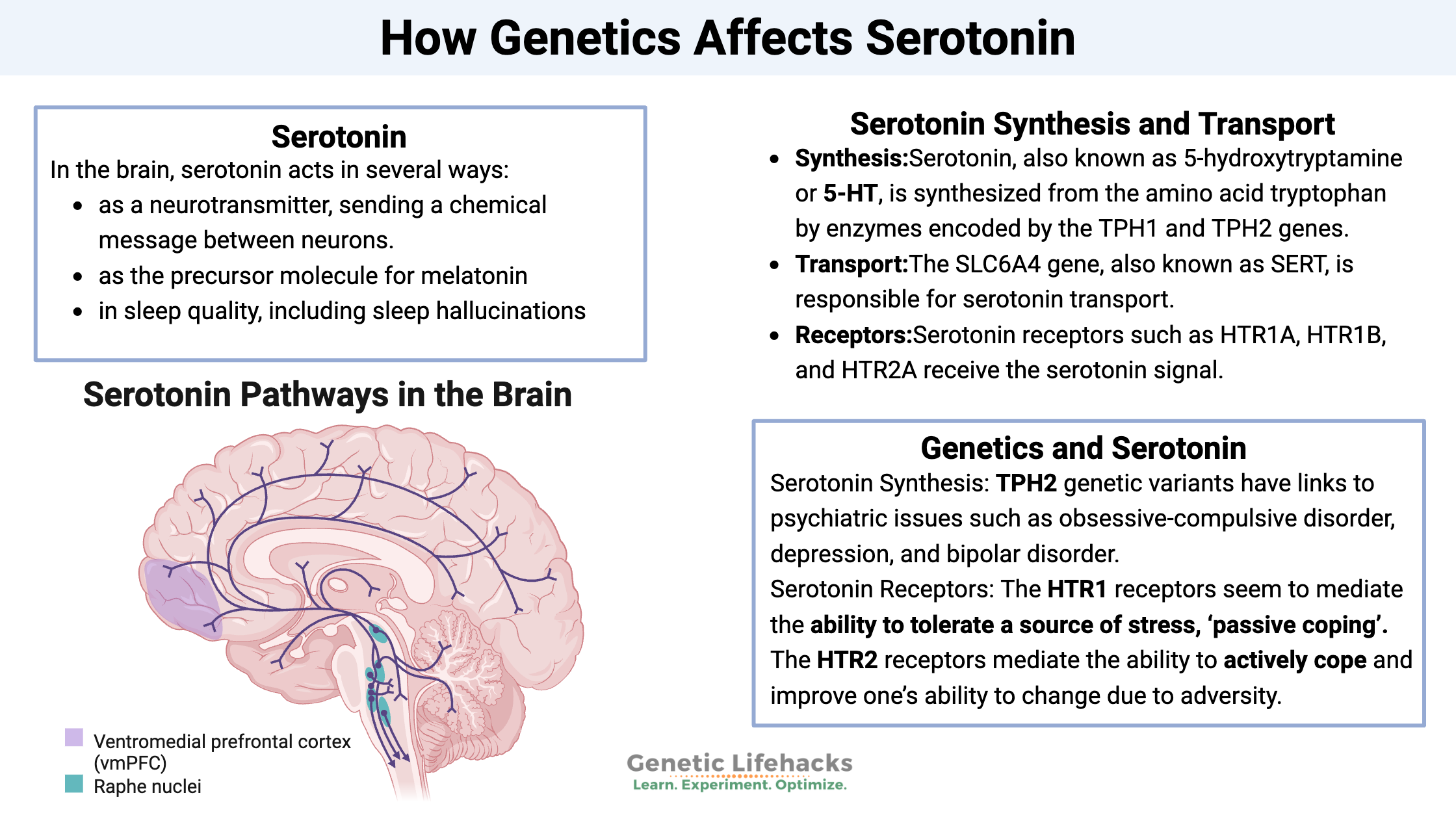
Serotonin is a chemical in the brain that helps control many body functions. It acts as a messenger between nerve cells. This chemical plays a big part in how people feel and behave.
Understanding what serotonin does helps explain its impact on health and daily life. It affects mood, sleep, appetite, and mental health. Each role is important for well-being.
Role In Mood Regulation
Serotonin helps keep mood stable and balanced. It can make people feel calm and happy. Low levels of serotonin may cause sadness or irritability. This chemical supports emotional well-being every day.
Impact On Sleep And Appetite
Serotonin influences sleep by helping control the sleep cycle. It signals the body when to rest and wake. Appetite also depends on serotonin levels. This chemical can reduce hunger or increase cravings.
Connection To Mental Health
Mental health links closely to serotonin. Changes in its levels can affect anxiety and depression. Many treatments for mental health target serotonin. This shows how vital serotonin is for the mind.
Signs Of Low Serotonin
Serotonin is a key chemical in the brain. It helps control mood, sleep, and energy. Low serotonin levels can cause many problems. Knowing the signs helps you understand your body better.
Serotonin affects how you feel inside. When levels drop, your mood may change quickly. Sleep may become restless. Energy can feel very low. These signs show your serotonin might be low.
Mood Swings And Depression
Low serotonin often causes mood swings. You might feel sad without reason. Small problems may seem huge. Feelings of hopelessness or sadness can last for days. These are common signs of depression linked to low serotonin.
Sleep Disturbances
Serotonin helps regulate sleep cycles. Low levels can make it hard to fall asleep. You might wake up many times at night. Poor sleep leaves you tired and less focused during the day.
Fatigue And Low Energy
Low serotonin can cause constant fatigue. You may feel tired even after rest. Energy drops and motivation fades. Simple tasks feel harder to complete. This lack of energy is a strong sign of low serotonin.
Foods That Boost Serotonin
Serotonin plays a big role in mood and happiness. Certain foods help the body make more serotonin. Eating these foods can support better mental health and calm feelings.
Choosing the right foods can naturally raise serotonin levels. This boosts your mood and helps you feel balanced every day.
Tryptophan-rich Foods
Tryptophan is an amino acid that the body needs to make serotonin. Foods high in tryptophan include turkey, chicken, and eggs. Nuts and seeds are also good sources. Dairy products like cheese and milk contain tryptophan too. Eating these foods can help the brain produce more serotonin.
Complex Carbohydrates
Complex carbohydrates help tryptophan enter the brain. Whole grains such as brown rice and oats are good examples. Sweet potatoes and legumes are other healthy options. These carbs keep blood sugar stable and support serotonin production.
Vitamins And Minerals
Vitamins and minerals assist serotonin creation and function. Vitamin B6 is important and found in bananas and spinach. Magnesium, present in nuts and green vegetables, also helps. Iron and zinc support overall brain health and mood. Including these nutrients can improve serotonin levels naturally.
Credit: www.geneticlifehacks.com
Lifestyle Habits To Increase Serotonin
Serotonin is a chemical in the brain that helps regulate mood, sleep, and appetite. Many lifestyle habits can naturally increase serotonin levels. These habits improve mental health and overall well-being. Simple daily changes can make a big difference.
Regular Exercise
Exercise boosts serotonin production in the brain. Activities like walking, running, or cycling help the body release this important chemical. Aim for at least 30 minutes of exercise most days. Regular movement improves mood and reduces stress. Exercise also supports better sleep, which further increases serotonin.
Sunlight Exposure
Sunlight helps the body create serotonin. Spending time outside during the day lifts mood and energy. Aim for 15 to 20 minutes of sunlight daily. Morning sunlight is best for regulating your internal clock. Bright light also helps reduce symptoms of depression and anxiety.
Mindfulness And Meditation
Mindfulness and meditation calm the mind and increase serotonin levels. These practices reduce stress and help focus on the present moment. Even a few minutes daily can improve mood. Meditation encourages relaxation, which supports healthy brain chemistry. Over time, this habit strengthens emotional resilience.
Natural Supplements And Herbs
Natural supplements and herbs can support serotonin levels in the brain. They often offer a gentle way to boost mood and calm the mind. Many people use these natural options to improve well-being without strong side effects.
These supplements work by helping the body produce or use serotonin more effectively. They can also reduce stress and promote relaxation. Let’s explore some popular choices backed by research and tradition.
St. John’s Wort
St. John’s Wort is a herb used for centuries to ease mood swings. It may increase serotonin activity in the brain. Many studies show it helps reduce mild to moderate depression symptoms. It works slowly and gently, making it a popular natural option.
People usually take it as capsules or tea. It is important to check for drug interactions before use. This herb can make some medications less effective.
5-htp
5-HTP is a natural compound that the body uses to make serotonin. It comes from the seeds of an African plant called Griffonia. Taking 5-HTP as a supplement may help improve sleep and mood.
It is often used to reduce anxiety and promote relaxation. The body absorbs 5-HTP easily, making it effective for serotonin support. Start with a low dose to avoid side effects like nausea.
Omega-3 Fatty Acids
Omega-3 fatty acids are healthy fats found in fish and some plants. They support brain health and may help increase serotonin levels. Studies suggest that omega-3s can improve mood and reduce depression symptoms.
Common sources include fish oil and flaxseed oil supplements. Omega-3s also reduce inflammation, which benefits overall brain function. Regular intake supports mental health and emotional balance.
Serotonin And Social Connections
Serotonin plays a key role in how we connect with others. This chemical helps regulate mood and feelings of happiness. Social connections can increase serotonin levels, making us feel calmer and more content. Strong relationships support mental health and overall well-being.
Effects Of Positive Relationships
Positive relationships boost serotonin naturally. Spending time with friends and family releases this feel-good chemical. It lowers stress and helps fight depression. Trust and support in relationships strengthen emotional health. People with good social bonds tend to have higher serotonin levels.
Acts Of Kindness
Small acts of kindness raise serotonin in the brain. Helping others creates a sense of purpose and joy. Giving a compliment or helping a neighbor improves mood. These actions promote social bonding and increase feelings of happiness. Kindness makes both giver and receiver feel better.
Community Involvement
Joining community activities improves serotonin production. Being part of a group creates belonging and support. Group events reduce loneliness and encourage positive interactions. Regular involvement in community life strengthens mental resilience. This connection helps maintain balanced serotonin levels.
Avoiding Serotonin Depleters
Serotonin is a key chemical in the brain that helps regulate mood, sleep, and appetite. Keeping its levels balanced is important for feeling happy and calm. Certain habits and factors can lower serotonin, making it harder to stay positive. Avoiding these serotonin depleters supports mental well-being and energy.
Stress And Cortisol
Stress triggers the release of cortisol, a hormone that affects serotonin. High cortisol levels reduce serotonin production. Long-term stress can keep serotonin low. Managing stress through relaxation, exercise, or hobbies helps protect serotonin levels.
Excessive Alcohol
Drinking too much alcohol harms serotonin balance. Alcohol changes brain chemistry and lowers serotonin. Regular heavy drinking can lead to mood swings and depression. Limiting alcohol intake supports stable serotonin and better mood.
Poor Sleep Habits
Sleep is vital for serotonin regulation. Poor sleep lowers serotonin and affects mood. Lack of rest also raises stress hormones. A consistent sleep schedule and good sleep hygiene boost serotonin naturally.
Credit: my.clevelandclinic.org
Frequently Asked Questions
What Is Serotonin And Why Is It Important?
Serotonin is a neurotransmitter that regulates mood, sleep, and appetite. It helps maintain mental balance and emotional well-being. Low serotonin levels can cause depression and anxiety. It plays a crucial role in brain function and overall health.
How Does Serotonin Affect Mood And Emotions?
Serotonin influences feelings of happiness and calm. It stabilizes mood by balancing brain signals. Higher serotonin levels often improve mood and reduce anxiety. It supports emotional regulation and mental clarity, contributing to psychological health.
Can Diet Impact Serotonin Production Naturally?
Yes, certain foods boost serotonin by providing tryptophan, a serotonin precursor. Foods like eggs, nuts, and turkey enhance serotonin synthesis. Balanced nutrition supports brain chemistry and mood regulation. A healthy diet promotes natural serotonin levels.
What Are Common Signs Of Low Serotonin Levels?
Symptoms include depression, anxiety, insomnia, and irritability. Low serotonin may cause fatigue and poor concentration. Recognizing these signs helps seek timely treatment. Addressing serotonin imbalance improves mental and physical health.
Conclusion
Serotonin plays a key role in mood and well-being. It helps regulate sleep, appetite, and emotions. Keeping serotonin levels balanced supports a healthy mind and body. Simple habits like exercise, good food, and sunlight boost serotonin naturally. Understanding serotonin can help you care for your mental health better.
Small changes make a big difference over time. Focus on steady habits that support your brain’s balance. Feel better, think clearer, and live healthier with serotonin in mind.
Comments
Post a Comment